牛角Gyūkaku
1996年1月に東京・三軒茶屋で開業した焼肉チェーン(運営はレインズインターナショナル)。七輪で焼くスタイルで、単品注文と90分の食べ放題(5コース)がある。
1996年1月在东京三轩茶屋开业的烤肉连锁(由Reins International运营)。用七轮小炉自己烤,可单点,也有90分钟吃到饱(5种套餐)。
Yakiniku chain that opened in Sangenjaya, Tokyo, in January 1996 (run by Reins International); you grill on a shichirin and can order à la carte or take one of five 90-minute all-you-can-eat courses.

焼肉きんぐYakiniku Kingu
物語コーポレーションが運営する焼肉食べ放題専門店(350店舗以上)。食べ放題は全コース100分で、タッチパネルで注文すると席まで運ばれる。単品注文もできる。
物语公司(Monogatari Corporation)运营的烤肉吃到饱专门店(350家以上)。所有吃到饱套餐都是100分钟,用触摸屏点单,店员送到桌边;也可以单点。
All-you-can-eat yakiniku specialist run by Monogatari Corporation (350+ branches): every course lasts 100 minutes, you order on a touch panel and staff bring it to the table; à la carte ordering is also possible.

叙々苑Jojoen
1976年4月に東京・六本木で創業した焼肉チェーン。「タン塩焼」と「上カルビ焼」は自店が発祥だとしている。
1976年4月创立于东京六本木的烤肉连锁(中文官网写作“叙叙苑”),自称「盐烤牛舌」和「上等五花」都起源于本店。
Yakiniku chain founded in Roppongi, Tokyo, in April 1976; it says salted tongue (tanshio) and premium karubi (jō karubi) were both born there.
牛牛肉Beef
卸売の「牛部分肉取引規格」は半丸枝肉をネック・かた・かたロース・かたばら・ヒレ・リブロース・サーロイン・ともばら・うちもも・しんたま・らんいち・そともも・すねの13部位に分け、小売表示では「食肉小売品質基準」の9部位にネック・すねを加えた11部位が使われる。ミスジ・ザブトン・イチボ・三角バラなどはこれをさらに細かく分けた呼び名で、焼肉店のメニュー名は同基準の対象外のため、同じ名前でも店によって指す範囲が違うことがある。タン・ハラミ・サガリは正肉ではなく副生物(内臓)に分類される。批发用的《牛分割肉交易规格》把半边胴体分成ネック、かた、かたロース、かたばら、ヒレ、リブロース、サーロイン、ともばら、うちもも、しんたま、らんいち、そともも、すね共13块;零售标示则用《食肉零售品质基准》的9个部位再加上ネック(颈肉)和すね(腱子),共11个。ミスジ、ザブトン、イチボ、三角バラ等是在此基础上进一步细分的叫法;烤肉店的菜单名不受该基准约束,同一个名字在不同店里所指的范围可能不同。タン、ハラミ、サガリ不算正肉,而是副产物(内脏)。Japan’s wholesale beef standard divides a side into 13 primals (neck, kata, kata-rōsu, kata-bara, hire, rib-rōsu, sāroin, tomo-bara, uchimomo, shintama, ran-ichi, sotomomo, sune); retail labels use the nine cuts of the Retail Meat Quality Standard plus neck and shin, 11 in all. Names such as misuji, zabuton, ichibo and sankaku-bara are finer subdivisions, and restaurant menus fall outside the retail standard, so the same name can cover different meat from shop to shop. Tongue, harami and sagari are classed as by-products (offal), not muscle meat.
| ことば词Word | 意味意思Meaning | 部位・正体部位What & where | 解説说明Notes |
|---|---|---|---|
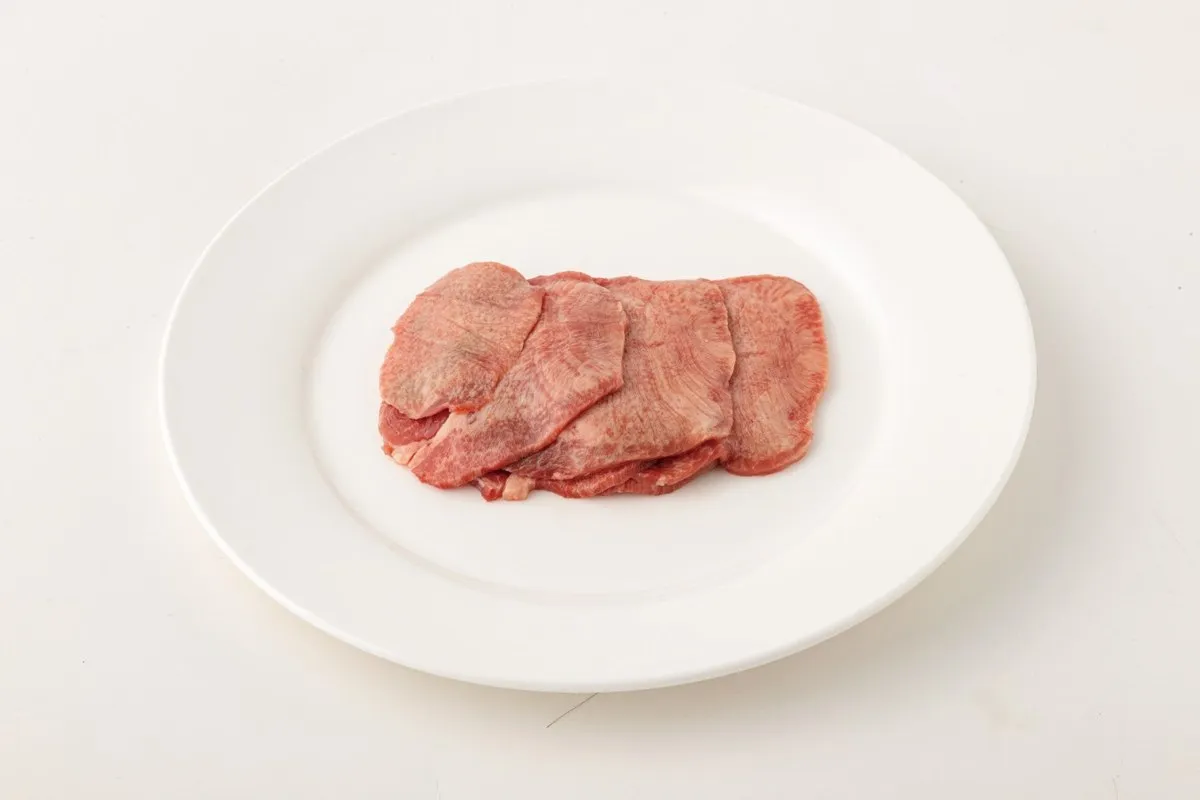 タンtan 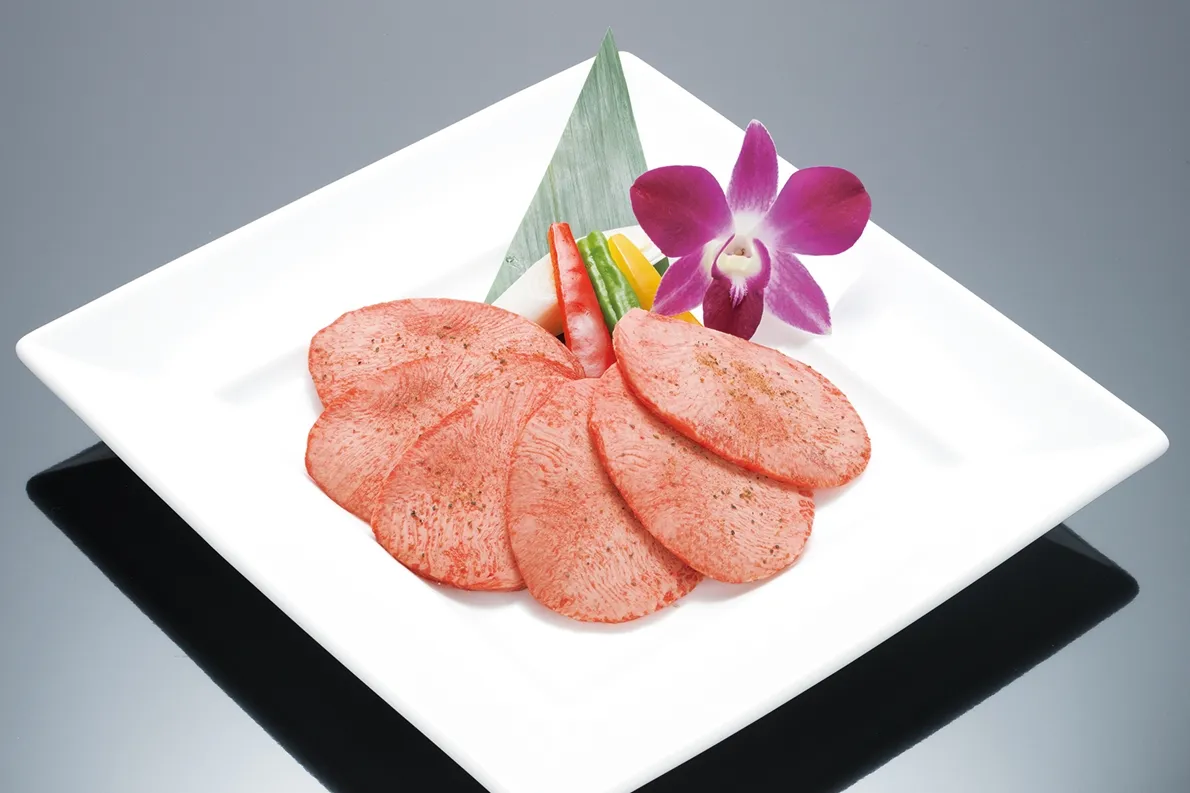 名物タン塩焼tanshio-yaki牛タンの塩焼。初めは塩・コショウだけで、客の要望でレモンだれで食べる形になったと同社は説明盐烤牛舌;据叙々苑说,起初只撒盐和胡椒,后来应客人要求改成蘸柠檬汁吃Salt-grilled tongue; Jojoen says it was first served with just salt and pepper, and lemon sauce came at a customer's request 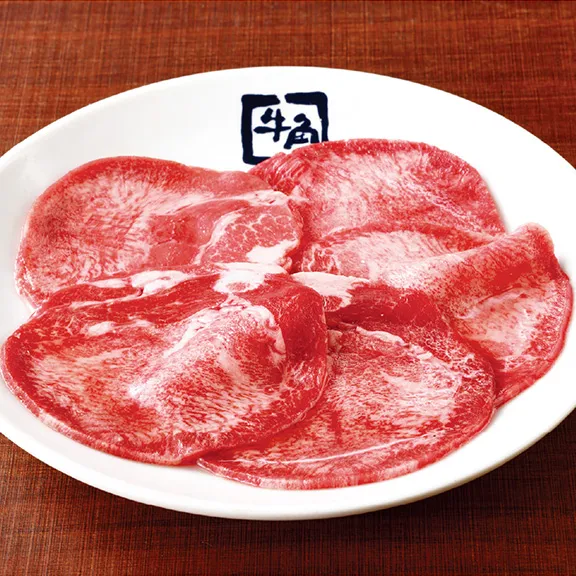 店内表記牛角タン塩gyūkaku tanshio牛タンの塩味。無料のトッピング「魔法のつけ塩」もある盐味牛舌,另有免费配料「魔法蘸盐」Salted beef tongue; a free topping, "magic dipping salt", is also offered 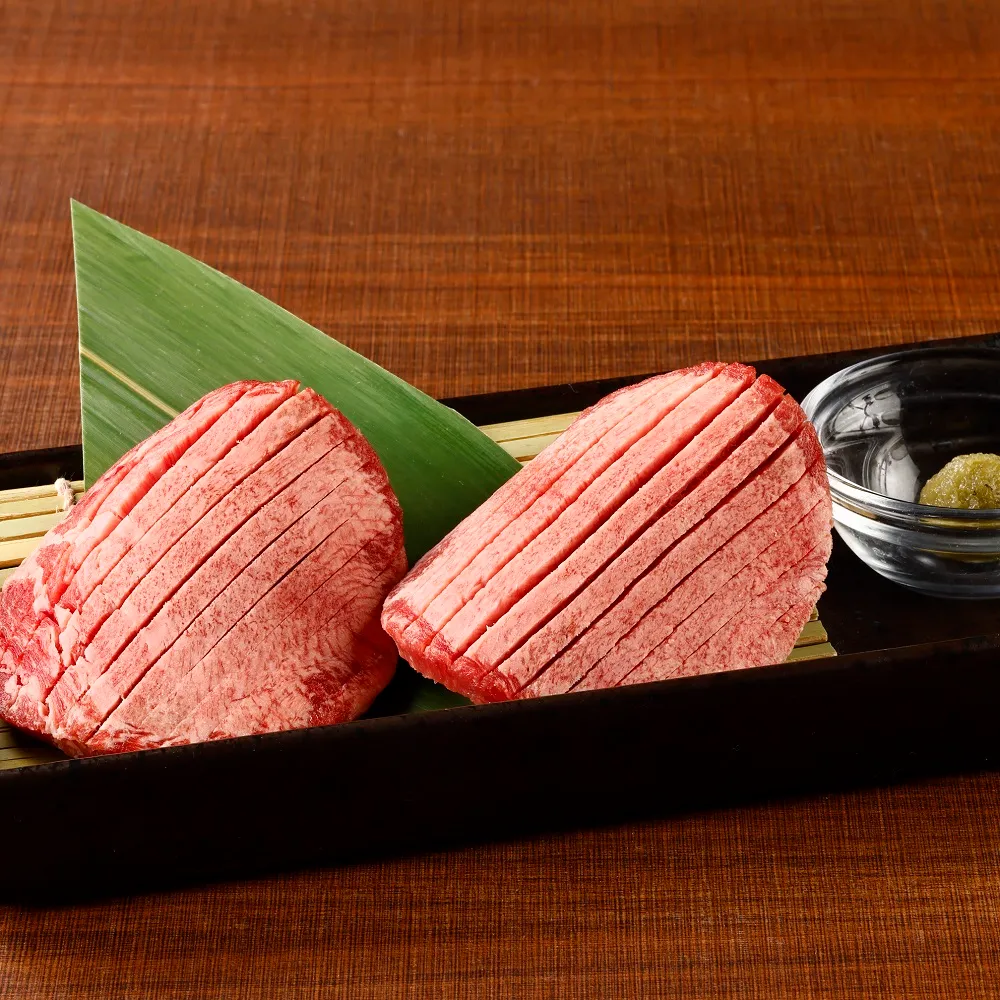 店内表記上タン塩jō tanshio牛角タン塩より一段上のランクの牛タン(塩味)比「牛角盐味牛舌」高一档的牛舌(盐味)Salted beef tongue one grade above the house tanshio 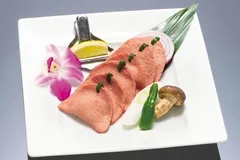 店内表記上ネギタン塩焼jō negi tanshio-yakiネギをのせた上ランクのタン塩焼铺葱的上等盐烤牛舌Premium salt-grilled tongue topped with leek 店内表記上タン厚切塩焼jō tan atsugiri shioyaki上タンの厚切り塩焼。「厚切り」の「り」を省いて「厚切」と書く厚切上等盐烤牛舌;菜单把「厚切り」写成「厚切」,省掉了「り」Thick-cut premium salted tongue; the menu writes 厚切, dropping the り of 厚切り 店内表記特選タン塩焼tokusen tanshio-yakiタン塩焼の最上ランク。叙々苑は「特上」ではなく「特選」と書く盐烤牛舌的最高档;叙々苑写「特选」而不写「特上」Top-grade salted tongue; Jojoen writes tokusen where others write tokujō 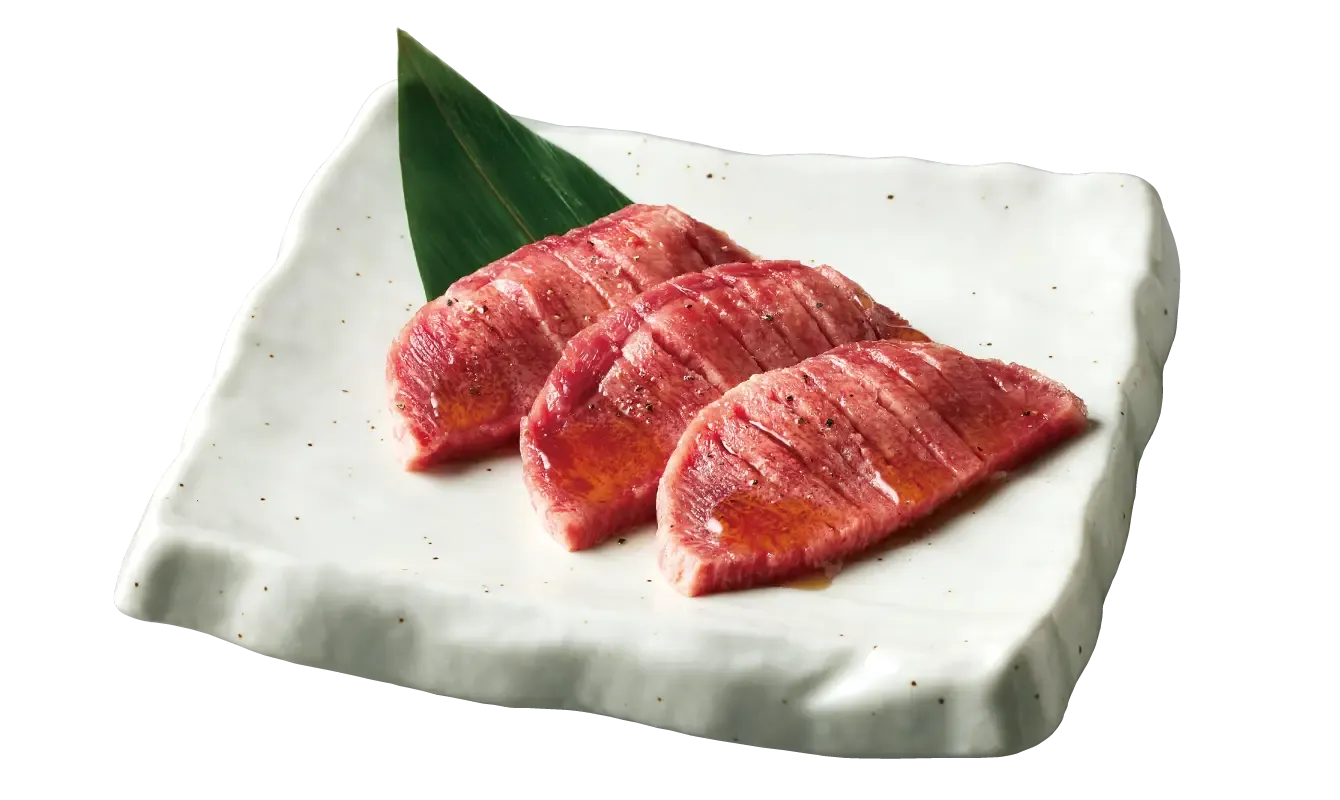 店内表記【特選】厚切り牛タンtokusen atsugiri gyūtan厚切りの牛タン。食べ放題ではプレミアムコース限定。やわらか加工・形を整える加工あり(公式表記)厚切牛舌,吃到饱中仅限高级套餐;官方注明经过嫩化和整形加工Thick-cut beef tongue, among the courses only in Premium; officially tenderized and reshaped | 牛の舌 牛舌 Beef tongue | 舌。根元側を「タン元」、先端を「タン先」と呼ぶ 舌头;舌根一侧叫“タン元”,舌尖一侧叫“タン先” The tongue; the root end is tan-moto, the tip tan-saki | 英語の tongue に由来し、弾力のあるサクッとした歯ごたえで、根元ほど柔らかく舌先ほど硬い。日本食品標準成分表では「副生物」に分類され、生100gあたりの脂質は31.8g。焼肉では塩で焼いてレモンを添える「タン塩」が最初の一皿の定番で、一説に1976年開業の叙々苑六本木1号店で、卸業者の提案から生まれたメニューとされる。厚切りを炭火で焼く「牛たん焼き」は仙台発祥で、1948年(昭和23年)に最初の専門店ができ、焼肉店の2〜3mmに対して1〜2cmの厚さで出される。 名称来自英语 tongue;口感有弹性、脆嫩,越靠舌根越软,越近舌尖越硬。日本食品标准成分表把它归入“副产物”,生的每100克含脂质31.8克。烤肉店里第一盘通常点撒盐烤、配柠檬的“タン塩”(盐烤牛舌);一说这道菜诞生于1976年开业的叙叙苑六本木1号店,最初是肉品批发商的提议。厚切后用炭火烤的“牛舌烧”(牛たん焼き)起源于仙台,1948年出现第一家专门店;一般烤肉店切2—3毫米,仙台则切成1—2厘米厚。 From English “tongue”; it has a springy, crisp bite, tender at the root and firmer towards the tip. Japan’s food composition tables class it as a by-product (offal), with 31.8 g of fat per 100 g raw. The customary first order at yakiniku is tan-shio, tongue grilled with salt and served with lemon; one account says it began at Jojoen’s first restaurant in Roppongi, opened in 1976, on a meat wholesaler’s suggestion. Thick-cut, charcoal-grilled gyūtan-yaki comes from Sendai, where the first specialist shop opened in 1948; slices there are 1–2 cm thick, against the usual 2–3 mm at yakiniku restaurants. 出典 · 8
|
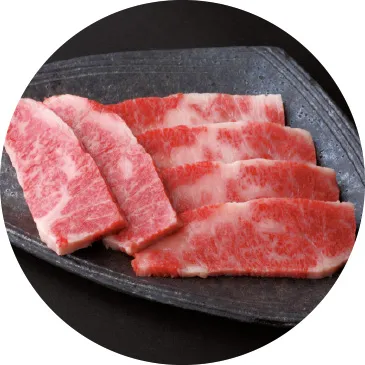 カルビkarubi 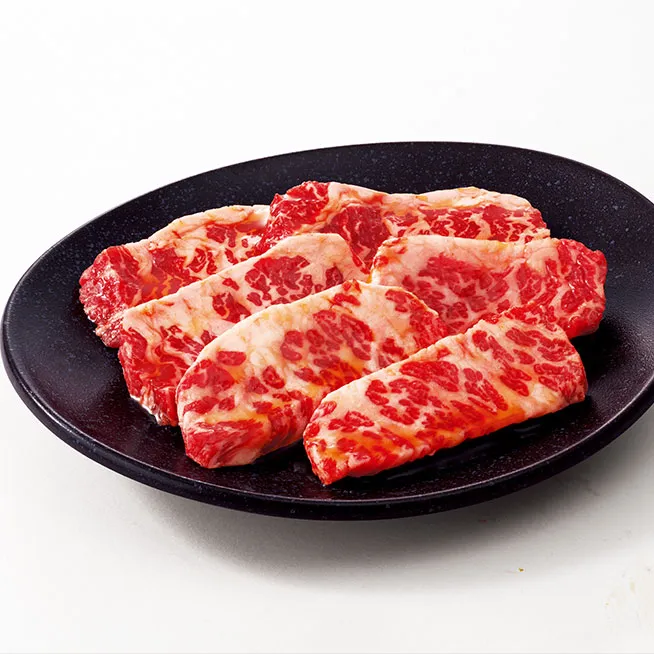 名物牛角上カルビgyūkaku jō karubi店名を冠した上カルビ。メニューに「オススメ」の印がある冠以店名的上等牛五花,菜单上标有「推荐」Premium karubi named after the chain, marked "recommended" on the menu 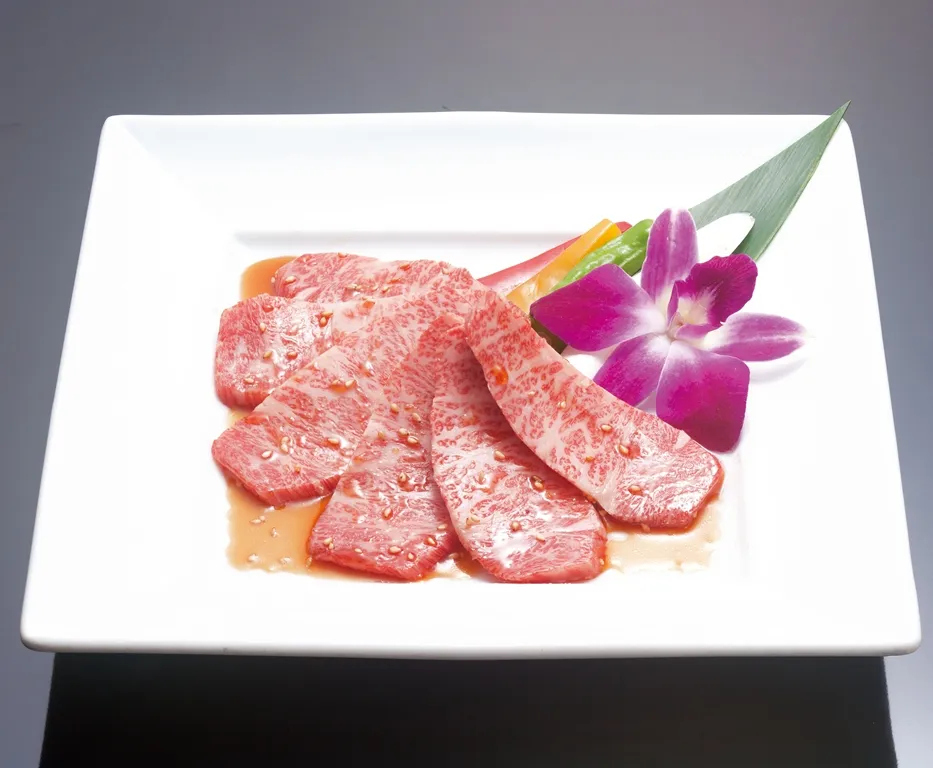 名物上カルビ焼jō karubi-yaki叙々苑が発祥とする上カルビ。「良い部分だけを選び脂を切ったカルビを」という客の注文から独立したメニューになったという叙々苑称「上五花」源于本店:起于客人要「只挑好的部位并去掉脂肪」的五花,后来成为独立菜品Jojoen says jō karubi began here: a request for only the best parts with the fat trimmed became its own menu item 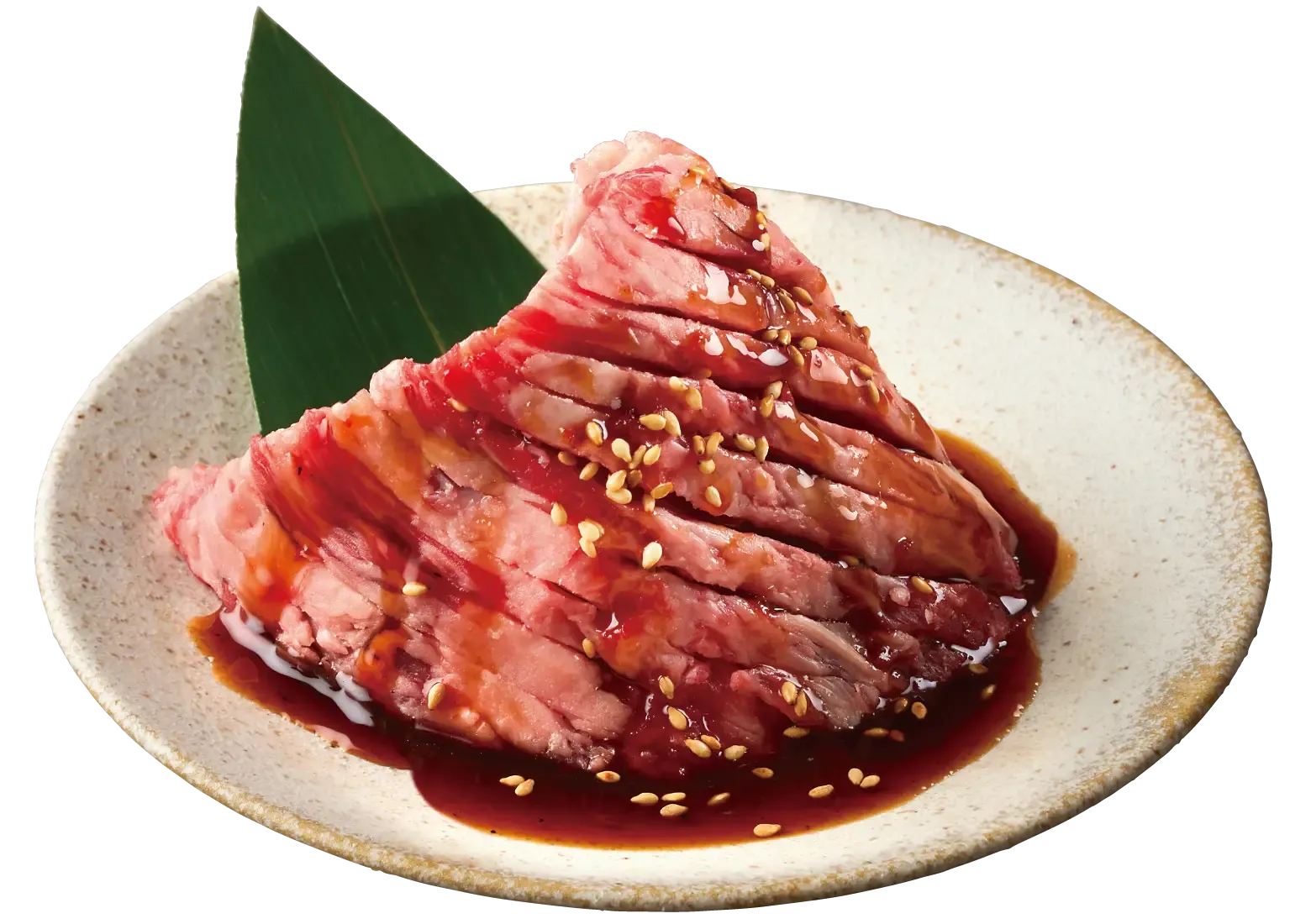 名物きんぐカルビkingu karubi1頭から500gほどしか取れない希少部位。赤身と脂身は6:4每头牛只能取约500克的稀有部位,瘦肥约6:4A rare cut, about 500 g per animal; lean to fat about 6:4 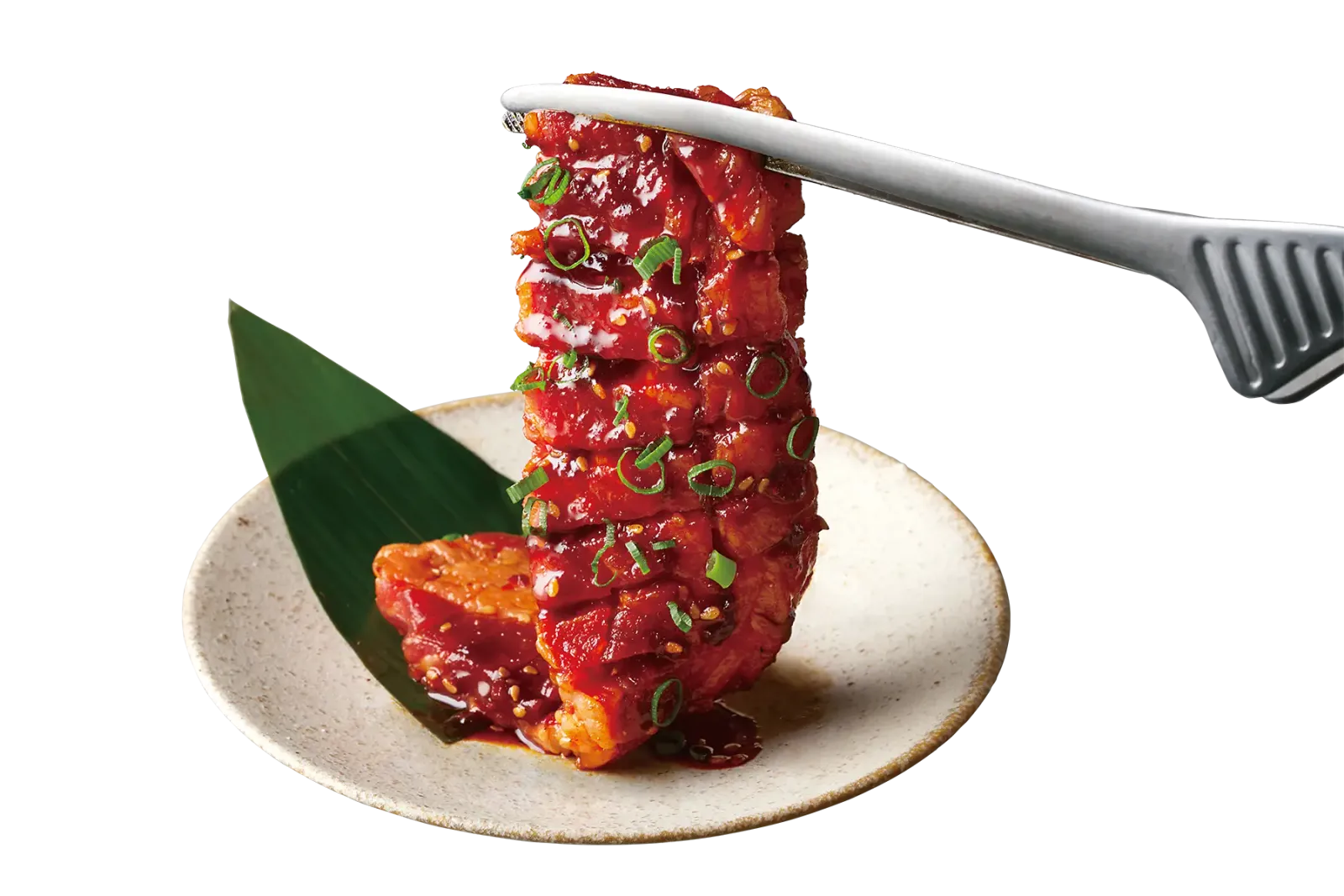 名物大判すだれ上カルビōban sudare jō karubiすだれ状に切り込みを入れた大判の上カルビ。旨辛だれ划成竹帘状刀口的大片上等五花,配香辣酱A big premium karubi slice scored like a bamboo blind, in savory-spicy sauce 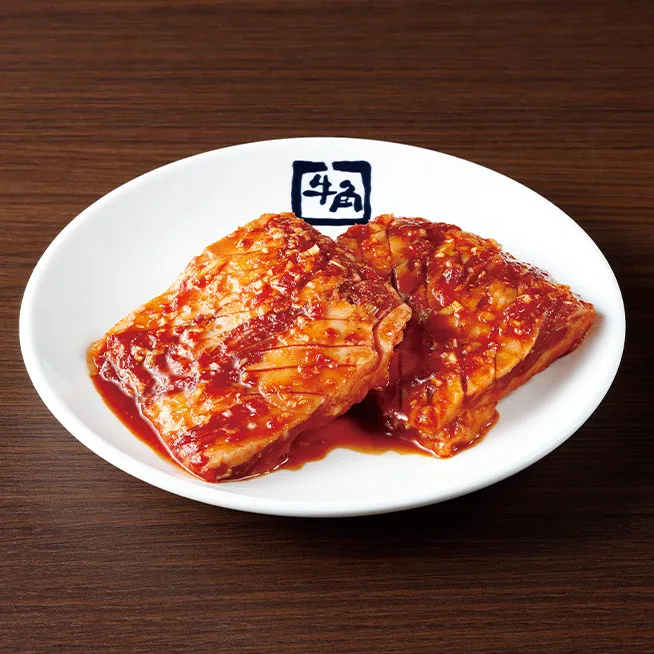 店内表記王様カルビōsama karubiにんにくの効いた甘辛い「醤(ジャン)ダレ」で味付けしたカルビ用带蒜香的甜辣「酱(jan)汁」调味的牛五花Karubi seasoned with jan-dare, a garlicky sweet-savory sauce 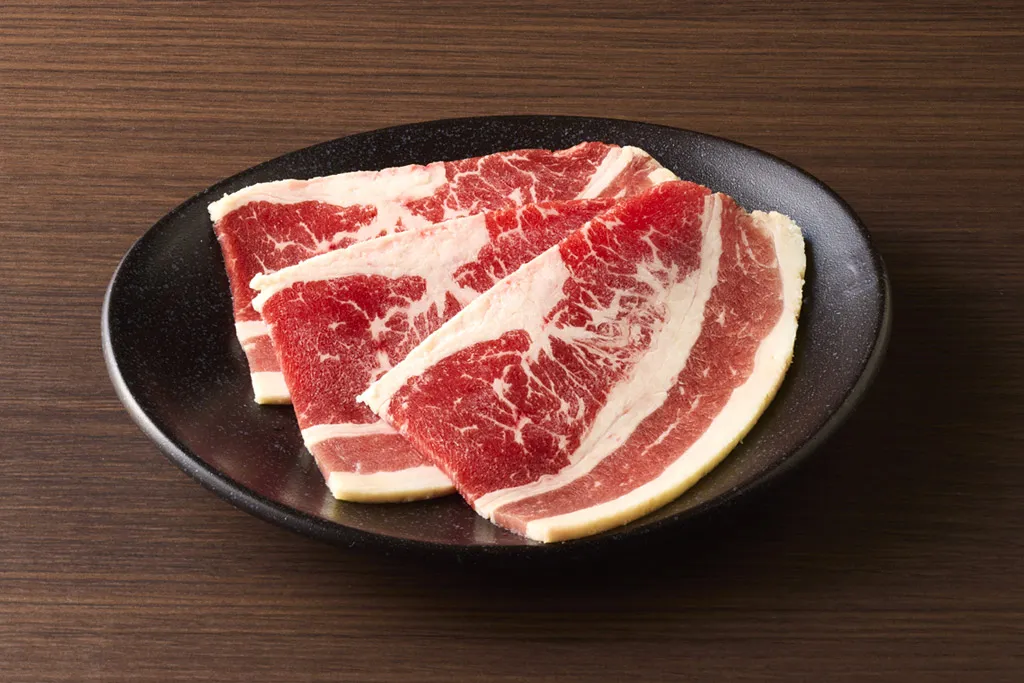 店内表記厳選とろカルビgensen toro karubi単品でいちばん安い牛カルビ。バラ肉のうち脂と赤身のバランスがよい部位を大判で单点里最便宜的牛五花:选牛腩(バラ)中肥瘦均衡的部分,切成大片The cheapest beef karubi à la carte: well-balanced belly (bara) cut in large slices 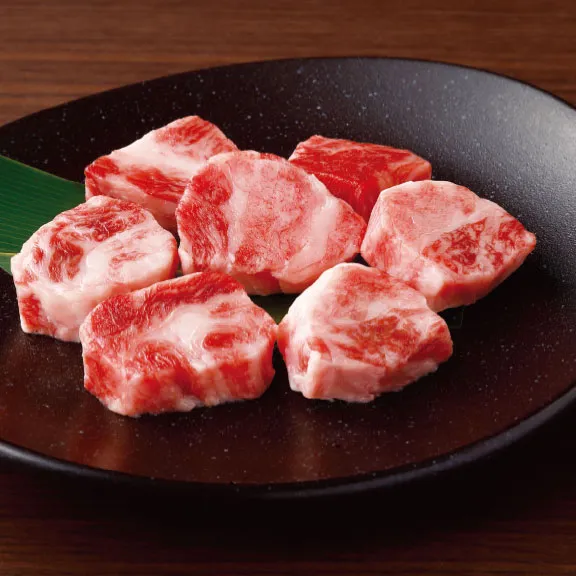 店内表記黒毛和牛ゲタカルビkuroge wagyū geta karubi肋骨の間の肉(中落ちカルビ)。形が下駄の歯に似ることからの名とされる肋骨之间的肉(中落五花),据说因形似木屐(下駄)的齿而得名Meat from between the ribs (nakaochi karubi); the name is said to come from a likeness to the teeth of geta clogs 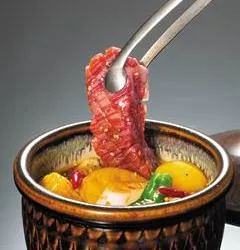 店内表記壺漬カルビ焼tsubozuke karubi-yaki漬け込んで壺ごと出すカルビ腌渍后连坛端上的牛五花Marinated karubi brought to the table in its crock 店内表記カルビ焼karubi-yaki並のカルビ。上カルビ焼・特選カルビ焼と合わせて3段階普通档五花,与「上」「特选」共三档Standard karubi, the first of three grades (then jō, then tokusen) 店内表記特選カルビ焼tokusen karubi-yakiカルビの最上ランク。メニューに「上」「特選」とランクを付けたのも叙々苑が最初だという五花的最高档;叙々苑还称在菜单上用「上」「特选」分级也是本店首创Top-grade karubi; Jojoen also claims it was the first to grade menu items as jō and tokusen 店内表記カルビ三点盛karubi santen-moriカルビ焼・上カルビ焼・特選カルビ焼の盛合せ普通、上等、特选三档五花的拼盘The three karubi grades on one plate 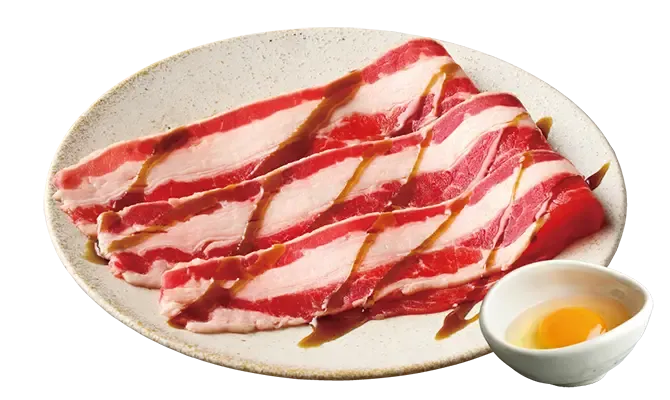 店内表記炙りすき焼カルビaburi sukiyaki karubiすき焼のたれのカルビをあぶり、卵・とろろ・トマトのどれか1つにくぐらせる寿喜烧酱五花,炙烤后蘸生蛋、山药泥或番茄(每次点单选一种)Karubi in sukiyaki sauce, seared and dipped in egg, grated yam or tomato (one per order) 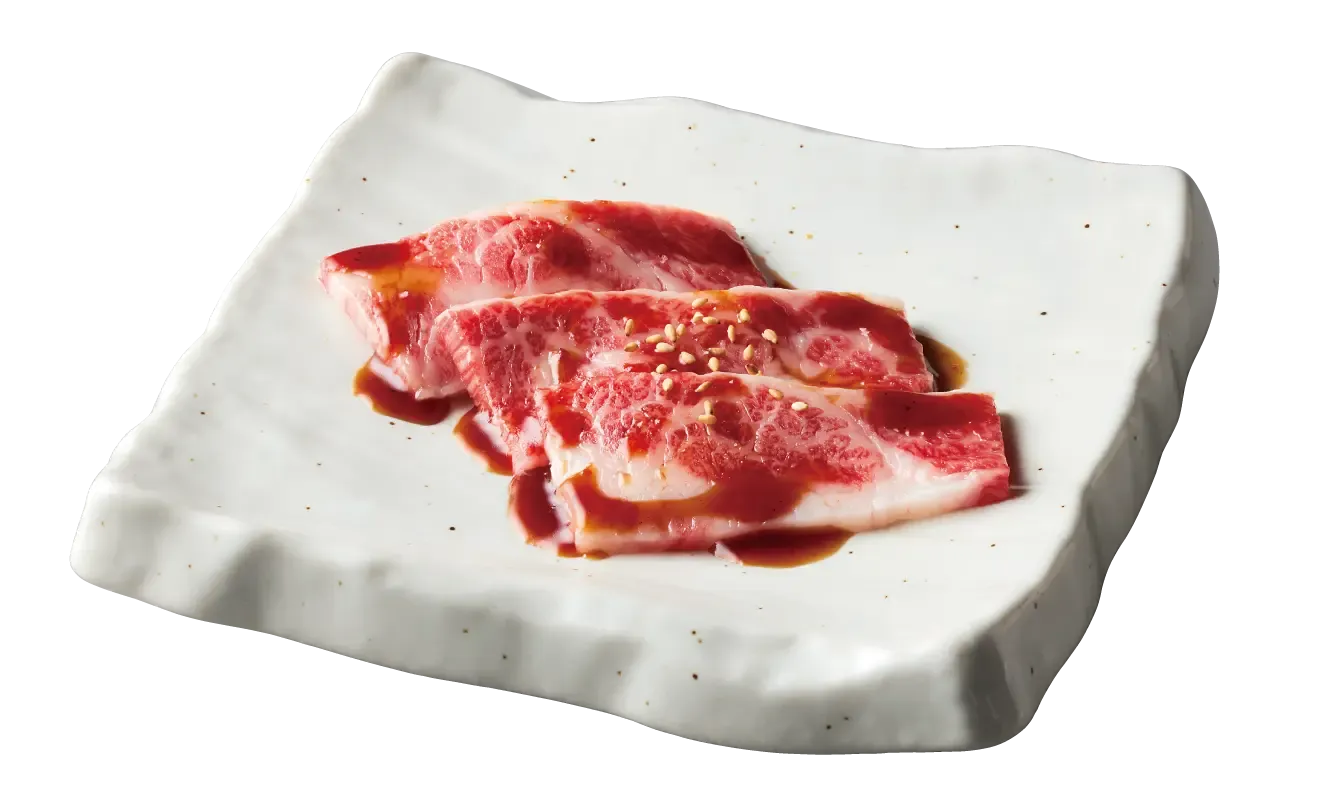 店内表記黒毛和牛上カルビkuroge wagyū jō karubi黒毛和牛の上カルビ。食べ放題ではプレミアムコース限定。タレ・塩・わさび醤油黑毛和牛上等五花,吃到饱中仅限高级套餐;酱汁、盐或山葵酱油Japanese Black wagyu premium karubi, among the courses only in Premium; tare, salt or wasabi soy 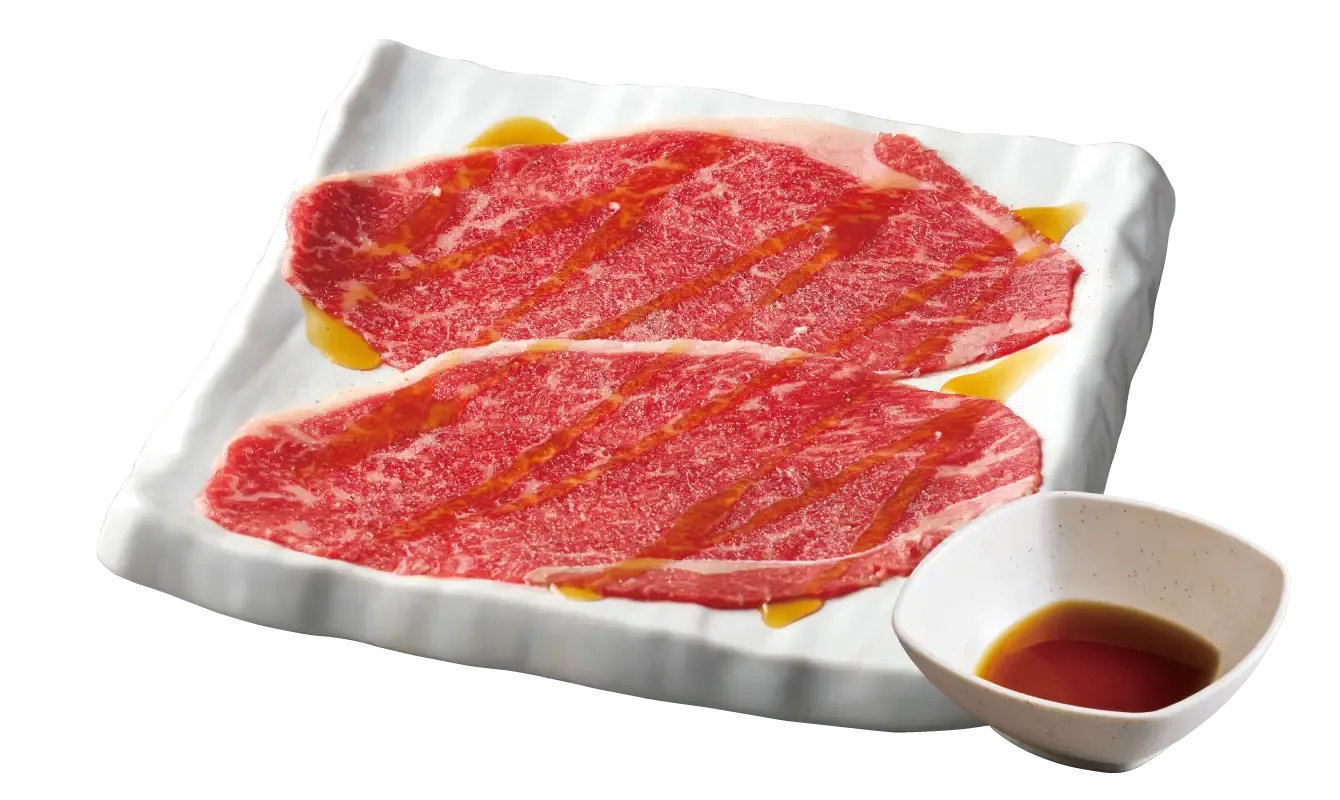 店内表記黒毛牛焼しゃぶカルビkurogegyū yakishabu karubi薄切りをさっと焼いてポン酢で食べる「焼しゃぶ」。ここでの黒毛牛は交雑種(公式表記)「烤涮」:薄片快烤后蘸柚子醋;这里的「黑毛牛」是杂交种(官方注明)Yakishabu: thin slices grilled briefly and eaten with ponzu; "kurogegyū" here means crossbred cattle (per the chain) | 牛のばら肉(あばら肉) 牛五花(牛小排) Short rib / belly (kalbi) | ばら(あばら骨まわりの腹側の肉)。焼肉では主に後ろ寄りの「ともばら」 五花,即肋骨周围的腹部肉;烤肉用的主要是靠后的“ともばら” The belly around the ribs (bara); for yakiniku mainly the rear belly, tomo-bara | 朝鮮語で「あばら骨(の肉)」を意味する갈비(カルビ)に由来し、日本では主にばら肉を指すが、辞書には「ばら肉以外の部位で、脂身の多いものをさすこともある」とある。全国焼肉協会によれば、戦後の焼肉店のメニューは当初「ロース」と「カルビ」の2つだけで、カルビには部位としての厳密な表示基準がない。肋骨の間の肉は「ゲタカルビ(中落ち)」、骨付きショートリブを骨ごと約8mmに切ったものは「L.A.カルビ」と呼ばれる。日本食品標準成分表では、和牛ばら(脂身つき・生)の脂質は100gあたり50.0gで、輸入牛ばらの32.9gを大きく上回る。 源自朝鲜语“갈비”(肋骨、肋排肉);在日本主要指五花肉,但词典也注明有时指“五花以外、脂肪多的部位”。据日本全国烧肉协会介绍,战后烤肉店最初的菜单只有“ロース”和“カルビ”两样,而“カルビ”作为部位名并没有严格的标示标准。肋骨之间的肉叫“ゲタカルビ”(中落ち),带骨牛小排连骨切成约8毫米厚的叫“L.A.カルビ”。日本食品标准成分表中,和牛五花(带脂、生)每100克含脂质50.0克,远高于进口牛五花的32.9克。 From Korean galbi (갈비), “rib (meat)”: in Japan it usually means belly meat, though dictionaries note it can also mean a fatty cut from elsewhere. According to Japan’s national yakiniku association, post-war yakiniku menus first offered only rōsu and karubi, and karubi has no strict labelling definition as a cut. Meat from between the ribs is geta-karubi (nakaochi), and bone-in short rib sawn about 8 mm thick across the bones is “L.A. karubi”. Raw wagyu belly with its fat contains 50.0 g of fat per 100 g, far above the 32.9 g of imported beef belly. 出典 · 8
|
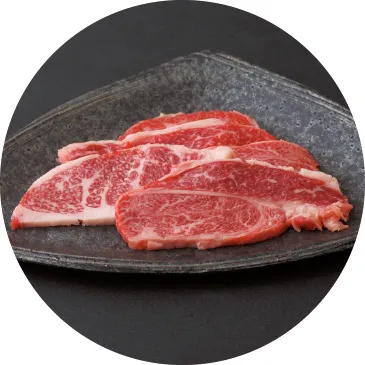 ロースrōsu 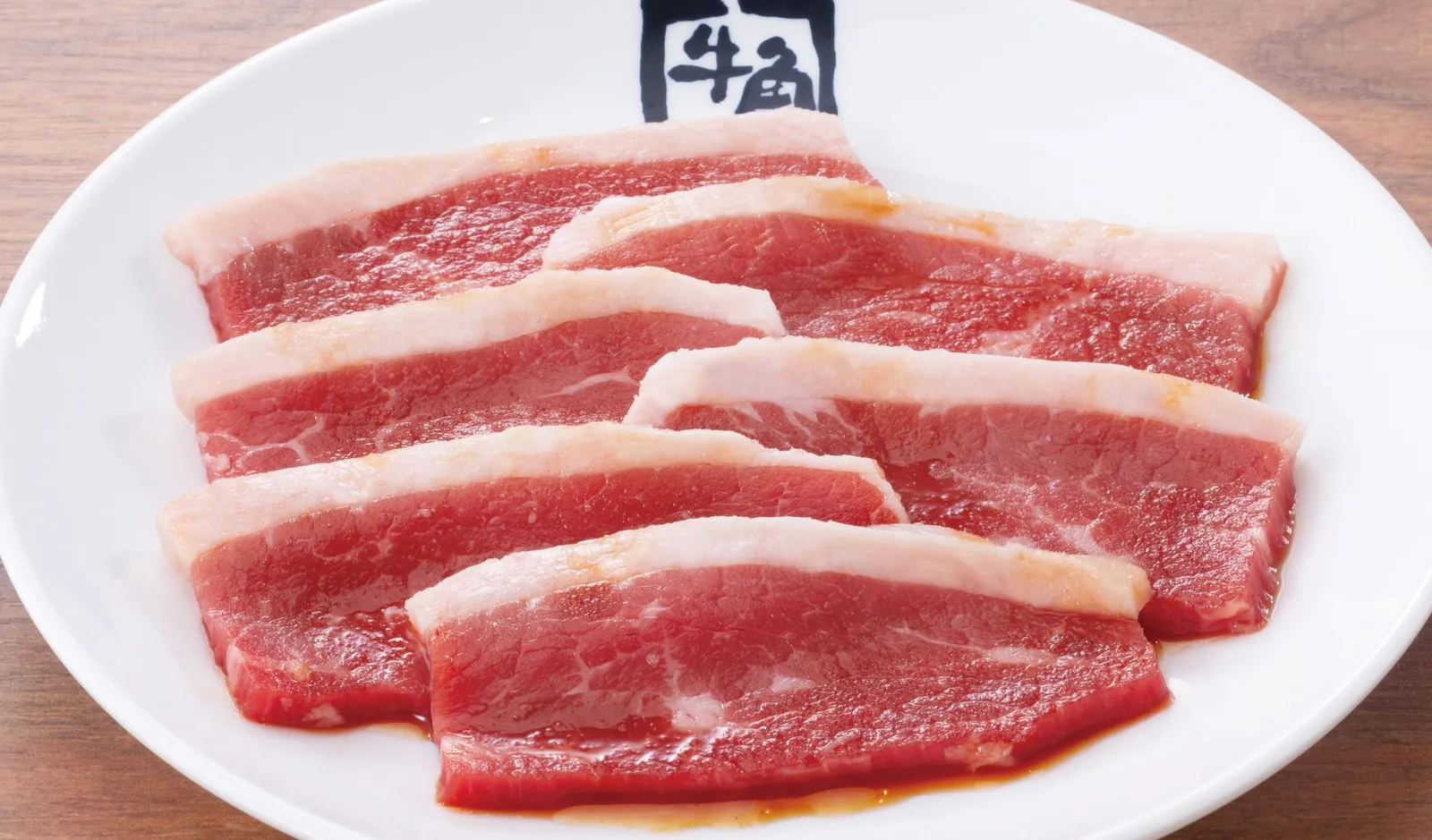 店内表記牛角ロースgyūkaku rōsu店名を冠した牛ロース。公式の焼き方は「焼きすぎず、固くなる前が食べ頃」冠以店名的牛里脊;官方烤法:别烤过头,变硬前就吃The house beef loin; the chain's tip: don't overcook, eat it before it toughens 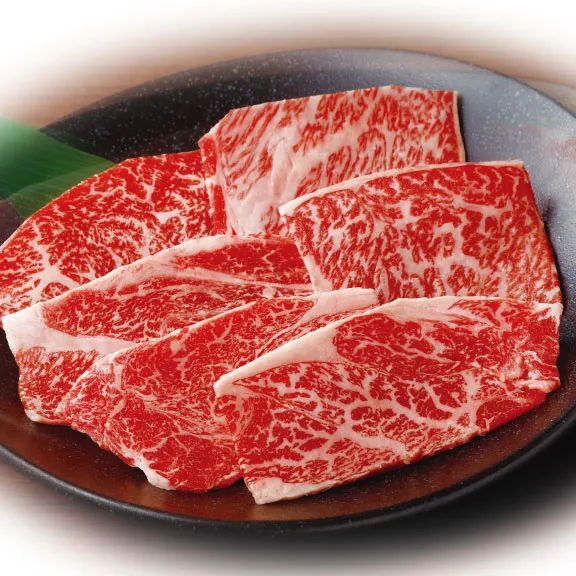 店内表記黒毛和牛上赤身くらしたkuroge wagyū jō akami kurashita「くらした(鞍下)」は肩ロースの関西での別名。黒毛和牛の赤身「鞍下(kurashita)」是肩里脊在关西的别名;黑毛和牛的瘦肉Kurashita ("under the saddle") is the Kansai name for chuck roll; lean Japanese Black wagyu 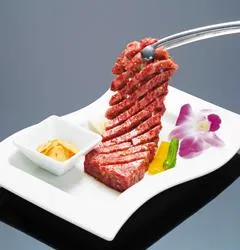 店内表記特選すだれ肩ロース焼tokusen sudare kata rōsu-yakiすだれ(簾)のように細かく切り込みを入れた肩ロース像竹帘一样划满细刀口的肩里脊Chuck roll scored with fine cuts like a bamboo blind (sudare) 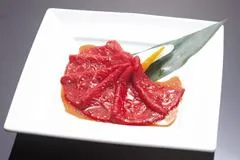 店内表記赤身ロース焼akami rōsu-yaki脂の少ない赤身のロース脂肪少的瘦里脊Lean loin 店内表記上ロース焼jō rōsu-yaki上ランクのロース上等里脊Premium loin 店内表記肩ロース厚切焼kata rōsu atsugiri-yaki肩ロースの厚切り厚切肩里脊Thick-cut chuck roll 店内表記特選サーロイン焼tokusen sāroin-yakiサーロイン(ロースの腰側の部分)西冷(里脊靠腰的部分)Sirloin, the rear (lumbar) part of the loin 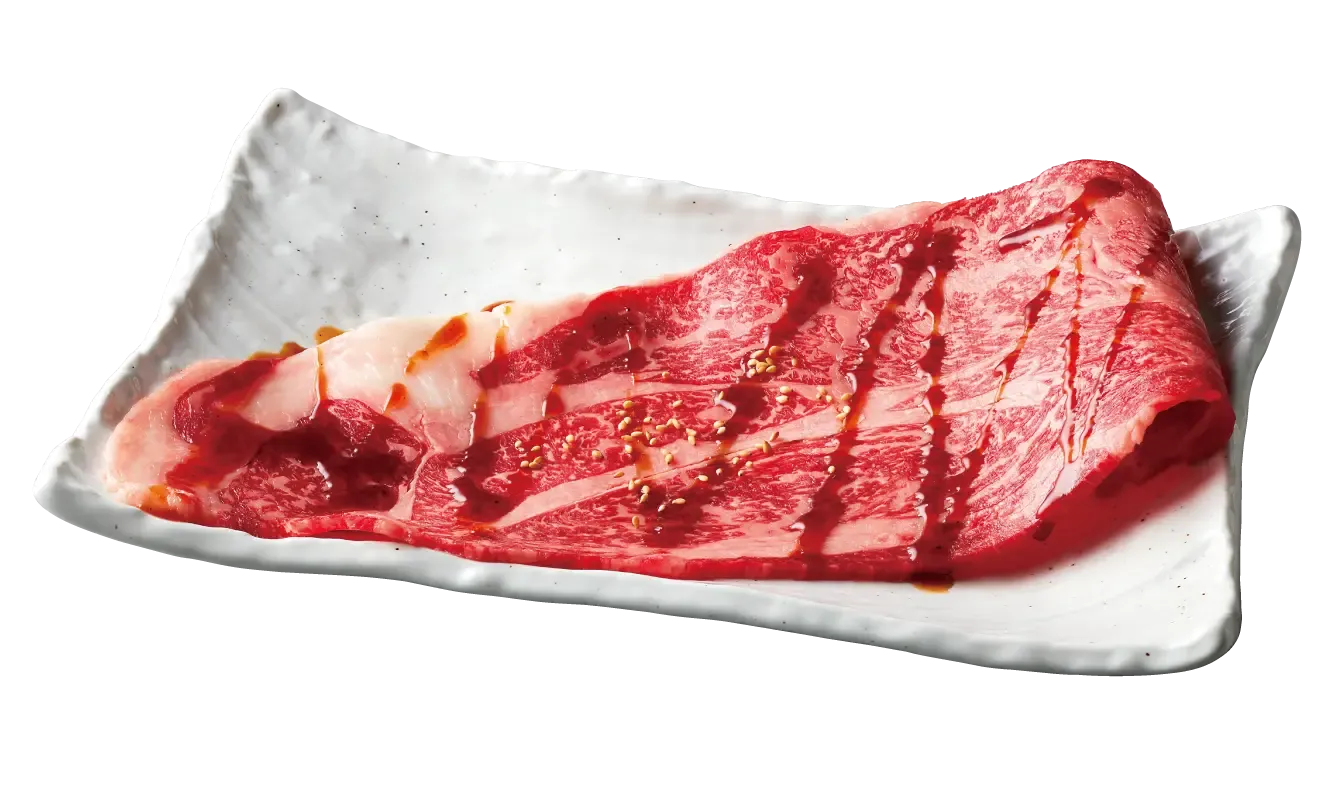 店内表記黒毛牛ドでか!上ロースkurogegyū dodeka jō rōsu大きく切った上ロース。部位は「かた」または「かたロース」(公式表記)切得很大的上等里脊;部位是「肩」或「肩里脊」(官方注明)An oversized premium rōsu slice; the chain says it is shoulder or chuck roll | 牛の背中の肉 牛背脊肉(上脑、眼肉、西冷一带) Loin (back meat) | 背中の肉。首側からかたロース・リブロース・サーロインと続く 背部的肉,从颈部往后依次是上脑(かたロース)、眼肉(リブロース)、西冷(サーロイン) The back muscles: from the neck end, chuck roll (kata-rōsu), rib loin (rib-rōsu) and sirloin (sāroin) | 英語の roast に由来し「ローストに適する肉」の意で、明治初期の仮名垣魯文『安愚楽鍋』(1871〜72年)には「ラウス」の形で見える。牛部分肉取引規格では、ネックとかたロースを第6〜7頸椎の間、リブロースとサーロインを第10〜11胸椎の間で切り分け、関西ではかたロースを「くらした(鞍下)」、リブロースを単に「ロース」と呼ぶ。焼肉業界では「ロース」を赤身肉の意味で使う慣行があり、2010年10月、消費者庁はもも肉などを「ロース」と表示しないよう業界団体に求めた。小売店はすでに1977年の食肉小売品質基準により、「ロース」と表示できるのをサーロインやリブロースなどロース系の部位に限られている。 来自英语 roast,意为“适合烤制的肉”;明治初期假名垣鲁文的《安愚乐锅》(1871—72年)里写作“ラウス”。按日本《牛分割肉交易规格》,颈肉与上脑在第6、7颈椎之间分开,眼肉与西冷在第10、11胸椎之间分开;关西把上脑叫“くらした”(鞍下),把眼肉直接叫“ロース”。烤肉业界一向有把瘦肉统称“ロース”的惯例,2010年10月日本消费者厅要求行业团体不要再把牛腿肉等标成“ロース”。零售店早在1977年就受《食肉零售品质基准》约束,只有西冷、眼肉等背脊部位才能标“ロース”。 From English “roast”, meat fit for roasting; it appears as rausu in Kanagaki Robun’s Aguranabe (1871–72). The wholesale beef standard separates the neck from the chuck roll between the 6th and 7th cervical vertebrae and the rib loin from the sirloin between the 10th and 11th thoracic vertebrae; in Kansai the chuck roll is called kurashita (“under the saddle”) and the rib loin simply rōsu. Yakiniku restaurants long used rōsu to mean lean meat in general, and in October 2010 the Consumer Affairs Agency asked the trade to stop labelling round (momo) and other cuts as rōsu. Retailers had been bound since 1977 by the Retail Meat Quality Standard to use the name only for loin cuts such as sirloin and rib loin. |
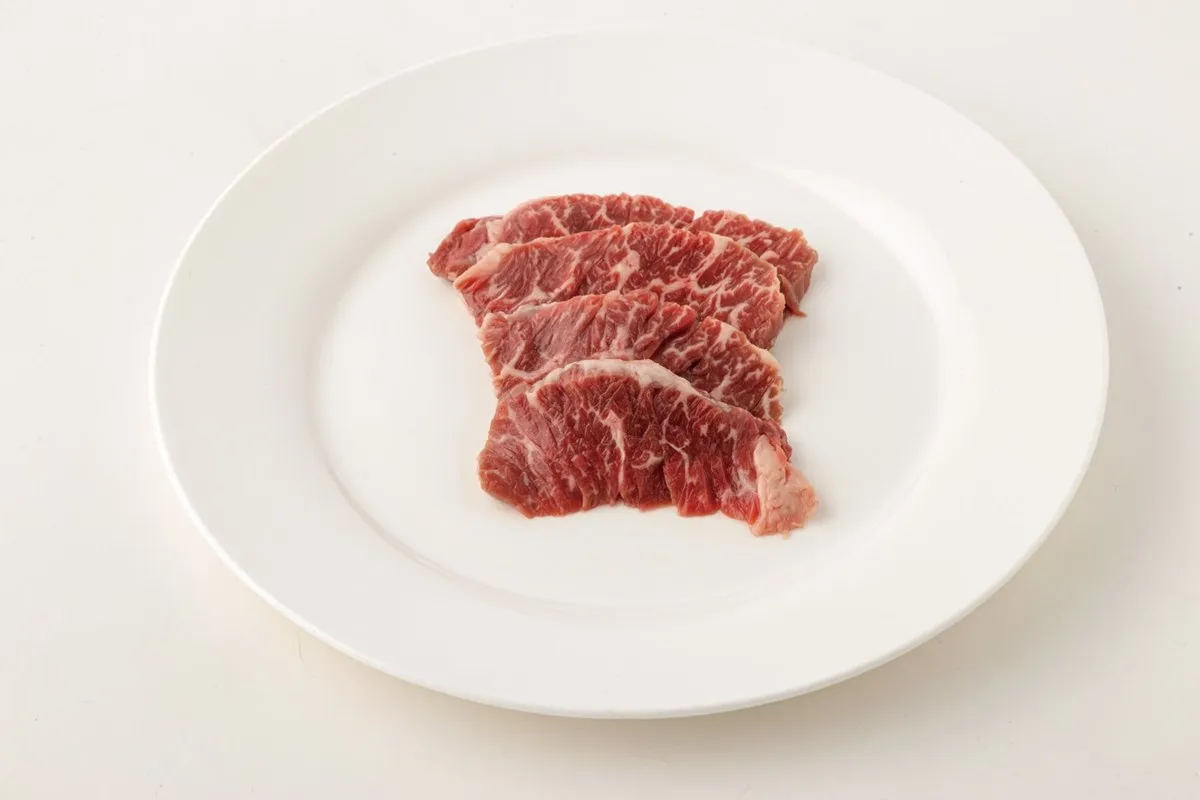 ハラミharami 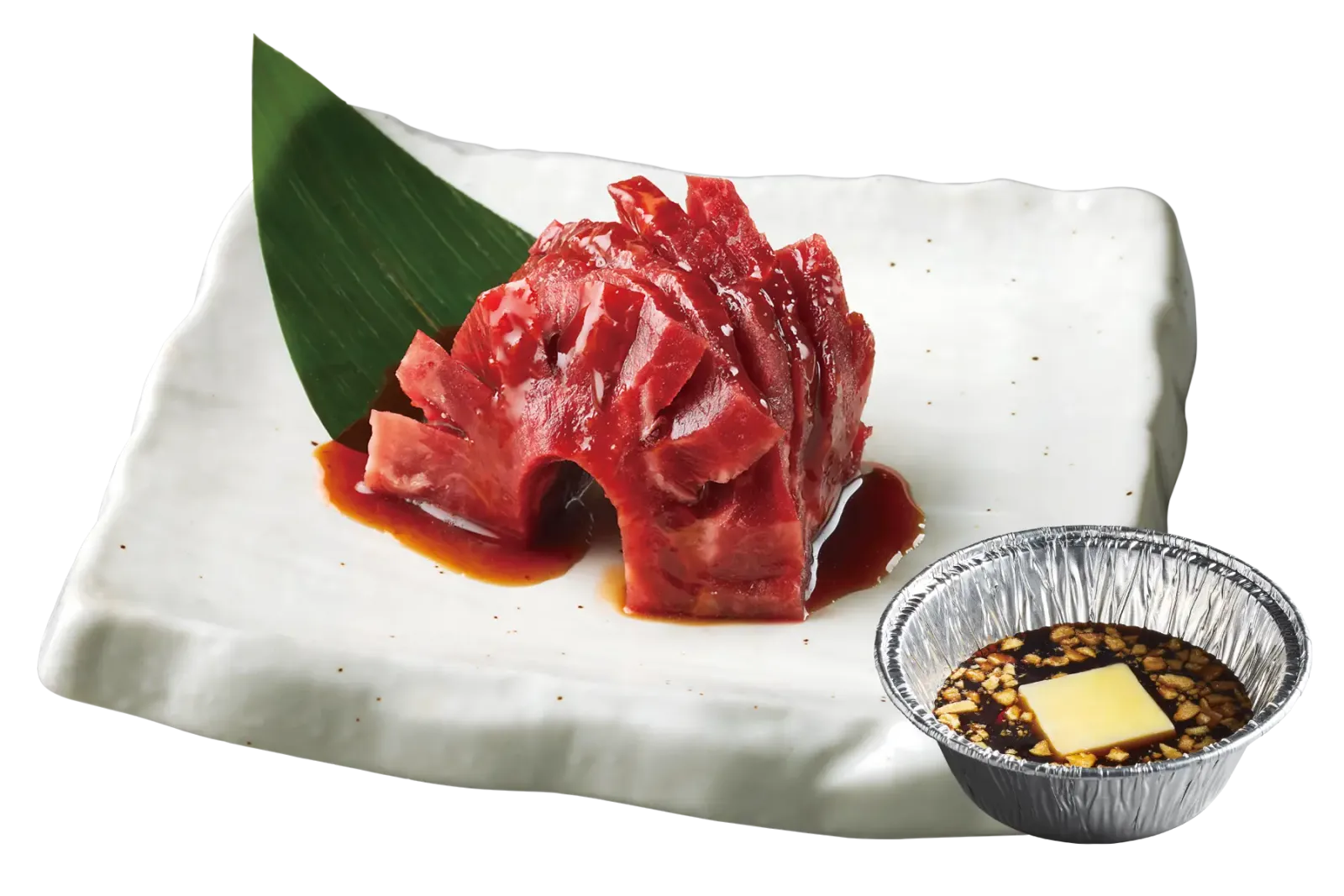 名物超極厚ハラミ ~ガリバタ醤油~chōgokuatsu harami garibata shōyu極厚に切って切り込みを入れたハラミ。温めたガリバタ醤油にくぐらせる。やわらか加工・形を整える加工あり(公式表記)切得极厚并划刀口的横膈膜肉,过一下加热的蒜香黄油酱油;官方注明经过嫩化和整形加工Extra-thick scored harami dipped in hot garlic-butter soy; officially noted as tenderized and reshaped 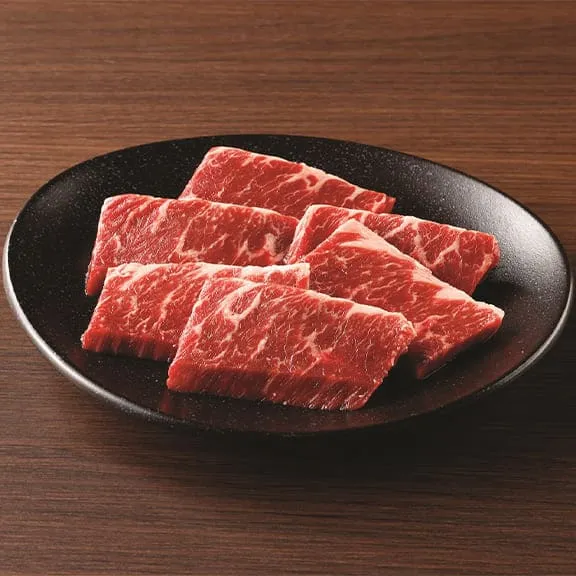 店内表記牛角上ハラミgyūkaku jō harami「30日間熟成」と表示された上ハラミ。タレか塩ダレ标注「熟成30天」的上等横膈膜肉,配酱汁或盐味酱Premium harami labelled "aged 30 days"; tare or salt sauce 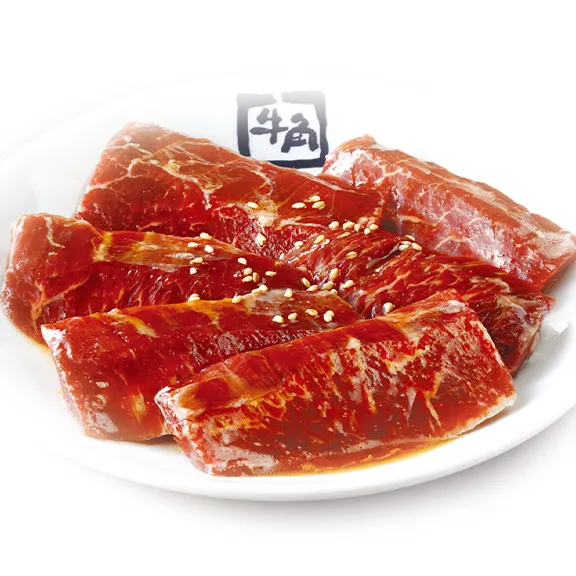 店内表記牛ハラミgyū harami牛の横隔膜。豚ハラミもあるので「牛」と明記。やわらかくする加工あり(公式表記)牛横膈膜肉;店里也有猪横膈膜,所以写明「牛」。官方注明经过嫩化加工Beef skirt; "gyū" is spelled out because pork harami is also sold; officially noted as tenderized 店内表記ハラミ焼harami-yaki牛の横隔膜。壺漬にした「壺漬ハラミ焼」もある牛横膈膜肉;也有坛腌版「壶渍横膈膜」Beef skirt (diaphragm); a crock-marinated version is also listed | 牛の横隔膜(肋骨側) 牛横膈膜肉(肋骨侧) Outside skirt (diaphragm) | 横隔膜のうち、肋骨に接する腹側の平たい部分 横膈膜中贴着肋骨、靠腹侧的扁平部分 The flat, rib-side (costal) part of the diaphragm | 漢字では「腹身」と書く。肉厚で柔らかく、脂もほどよく入って赤身肉に見えるが内臓(副生物)扱いで、日本食品標準成分表でも「うし[副生物]横隔膜」として載り、生100gあたりの脂質は27.3g。輸入名はアウトサイドスカートで、米国産は幅10cmほどの平たい長方形の形で入ってくる。腰椎側のサガリと区別せず、まとめて「ハラミ」と呼ぶこともある。 汉字写作“腹身”。肉厚柔嫩、脂肪适中,看起来像红肉,其实属于内脏(副产物);日本食品标准成分表也把它列为“牛[副产物]横膈膜”,生的每100克含脂质27.3克。进口货叫 outside skirt,美国产的是宽约10厘米的扁平长条。有时也不区分靠腰椎的“サガリ”,统称“ハラミ”。 Written 腹身, “belly meat”, in kanji. Thick, tender and moderately fatty, it looks like red meat but is classed as offal: Japan’s food composition tables list it as beef by-product “diaphragm”, with 27.3 g of fat per 100 g raw. Imported, it is the outside skirt, which arrives from the US as a flat strip about 10 cm wide. The lumbar-side sagari is sometimes sold under the same name. |
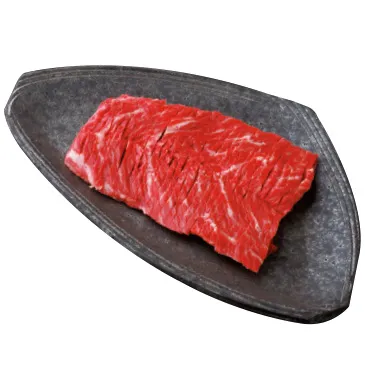 サガリsagari 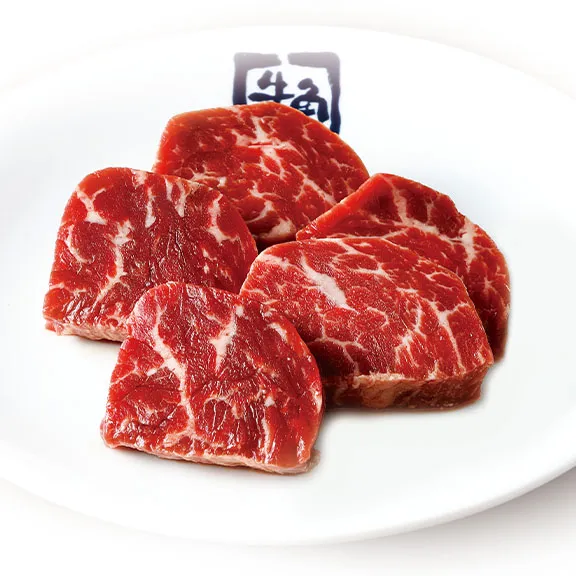 店内表記厚切りサガリatsugiri sagari厚切りのサガリ(横隔膜の腰椎側)。メニューに「オススメ」の印厚切的サガリ(牛横膈膜靠腰椎一侧的肉),菜单标「推荐」Thick-cut sagari (hanger, the lumbar end of the diaphragm), marked "recommended" | 牛の横隔膜(腰椎側) 牛横膈膜肉(腰椎侧) Hanger steak (hanging tender) | 横隔膜のうち、背骨(腰椎)に接する部分 横膈膜中贴着脊柱(腰椎)的部分 The part of the diaphragm attached to the lumbar spine | ハラミと同じ横隔膜の一部で、見た目はほとんど同じだが脂が少なめであっさりしており、肉質は柔らかい。別名「ビワハラミ」。輸入名はハンギングテンダーで、米国産は背骨から腰椎にかけて内臓を囲む18cmほどの丸く太い筋肉として流通し、内臓扱いながら肉と同等の価値があるとされる。ハラミと区別せずに「ハラミ」と呼ぶこともある。 和ハラミ同属横膈膜,外观几乎一样,但脂肪较少、味道清爽,肉质柔嫩。别名“ビワハラミ”。进口货叫 hanging tender,美国产的是从脊椎到腰椎、环绕内脏的一段约18厘米、又圆又粗的肌肉,虽然归为内脏,却被视为与正肉同等的食材。有时也不加区分,直接叫“ハラミ”。 Part of the same diaphragm as harami and almost identical in looks, but leaner and milder, with a tender texture; it is also called biwa-harami. Imported, it is the hanging tender: a thick, round muscle of about 18 cm that runs from the spine to the lumbar vertebrae around the organs, classed as offal but valued like muscle meat. It is sometimes simply sold as harami. |
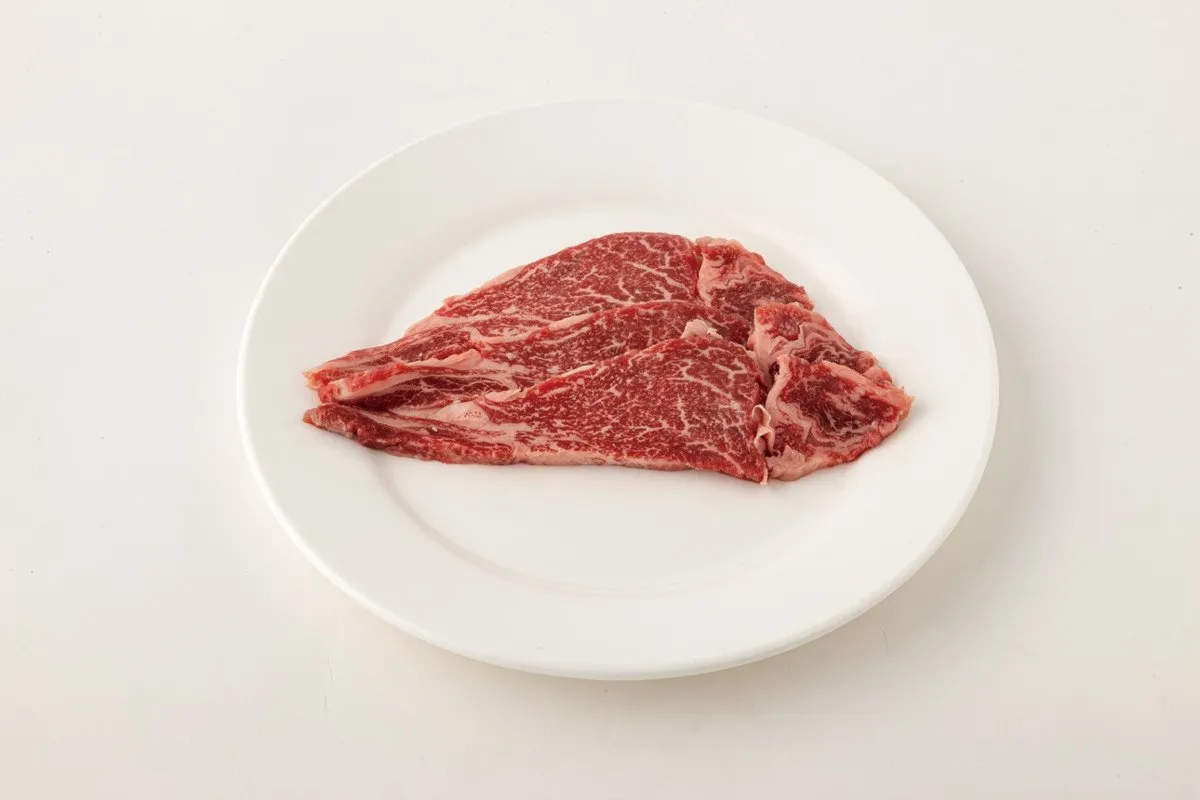 ヒレhire 店内表記上ヒレ焼jō hire-yaki上ランクのヒレ。並の「ヒレ焼」もある上等菲力;也有普通档「菲力烧」Premium fillet; a standard fillet is also listed 店内表記特選シャトーブリアンtokusen shatōburianヒレの中心部(シャトーブリアン)。160g菲力中心部位「夏多布里昂」,160克Chateaubriand, the centre of the fillet; 160 g | 牛のヒレ肉 牛里脊(牛柳、菲力) Tenderloin (fillet) | 腰の背骨(腰椎)の内側に、左右1本ずつある細長い肉 腰椎内侧左右各一条的细长肌肉 A long, narrow muscle on the inner side of the lumbar spine, one on each side | フランス語の filet に由来し、関西では「ヘレ」とも呼び、村井弦斎『食道楽』(1903年)にすでに用例がある。脂肪が少なく非常に柔らかく、和牛ヒレ(赤肉・生)の脂質は100gあたり15.0gと、和牛リブロース(脂身つき・生)56.5gの約4分の1。牛部分肉取引規格では、片側1本のヒレを3.5kg以上なら「L」、未満なら「S」と区分する。中心部の「シャトーブリアン」は牛一頭から約600gしか取れず、名は19世紀フランスの作家・政治家シャトーブリアンにちなみ、彼の料理人が考案したとも、彼の好物だったからともいう。 来自法语 filet,关西也叫“ヘレ”,明治时期村井弦斋的小说《食道乐》(1903年)里已有用例。脂肪少、极嫩:和牛菲力(瘦肉、生)每100克脂质15.0克,约为和牛眼肉(带脂、生)56.5克的四分之一。按日本《牛分割肉交易规格》,单侧一条3.5公斤以上为“L”,不足为“S”。中心部分叫“シャトーブリアン”(夏多布里昂),一头牛只出约600克,名字来自19世纪法国作家、政治家夏多布里昂,一说是他的厨师所创,一说因为他最爱吃。 From French filet, also called here (ヘレ) in Kansai; it already appears in Murai Gensai’s novel Kuidōraku (1903). Lean and very tender: raw wagyu fillet has 15.0 g of fat per 100 g, about a quarter of the 56.5 g in wagyu rib loin with its fat. The wholesale beef standard grades a single fillet from one side as L at 3.5 kg or more and S below that. The centre section, the chateaubriand, yields only about 600 g per animal; it is named after the 19th-century French writer and statesman Chateaubriand, either because his cook devised the dish or because it was his favourite. 出典 · 8
|
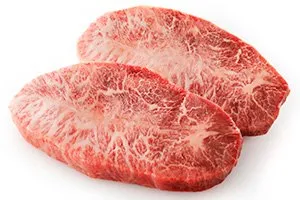 ミスジmisuji 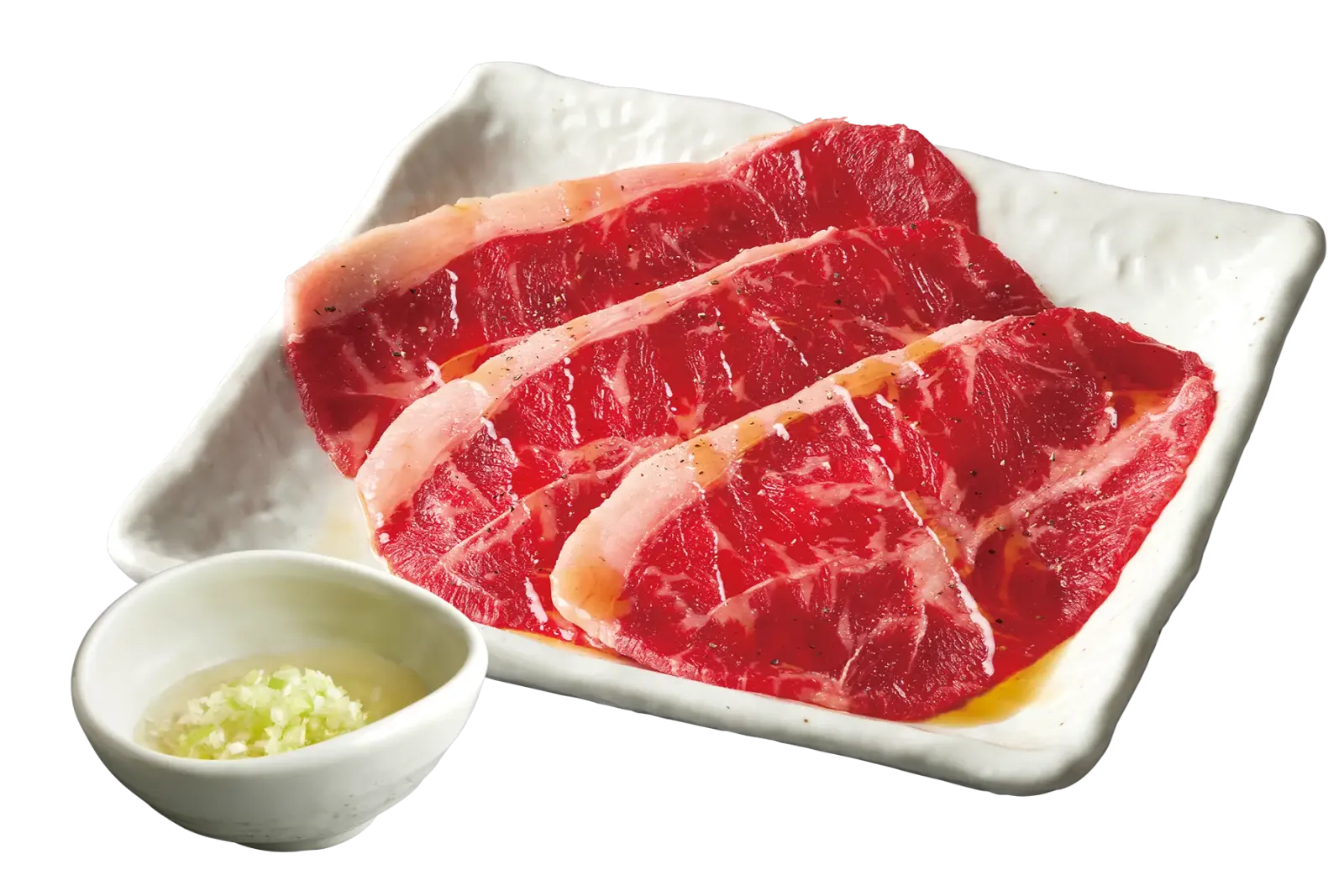 名物炙りミスジ ~ねぎ塩ポン酢~aburi misuji negishio ponzu希少部位のミスジをあぶり、ねぎ塩ポン酢にくぐらせて食べる炙烤稀有部位板腱,蘸葱盐柚子醋吃Seared oyster blade, a rare cut, dipped in leek-salt ponzu | 牛の肩甲骨まわりの肉 板腱(牛肩胛肉) Top blade (oyster blade) | かた(うで)の一部で、肩甲骨に沿う筋肉 肩部(前腿上方)的一部分,贴着肩胛骨的肌肉 Part of the shoulder clod (kata): the muscle lying along the shoulder blade | 牛一頭から約3kgしか取れない希少部位で、米国では「トップブレード」と呼ばれる。肩まわりはよく動くため硬い部位が多いが、ミスジはあまり動かないので霜降りが入りやすく柔らかく、脂の口溶けがよい。肉塊の中心に太いスジが1本通り、先端側ほど霜降りが濃い。水分が少なく、焼きすぎるとパサつきやすい。 一头牛只能取约3公斤的稀有部位,美国叫 top blade。肩部肌肉活动多,大多偏硬,而这块很少活动,所以容易长出雪花,口感柔嫩,油脂入口即化。中间贯穿一条粗筋,越靠前端雪花越密。含水量少,烤过头容易发柴。 A rare cut—only about 3 kg per animal—known in the US as the top blade. Most shoulder muscles work hard and are tough, but this one moves little, so it marbles readily and stays tender, with fat that melts easily. A thick sinew runs through the centre, and the marbling is heaviest at the tip end. It holds little moisture and dries out quickly if overcooked. |
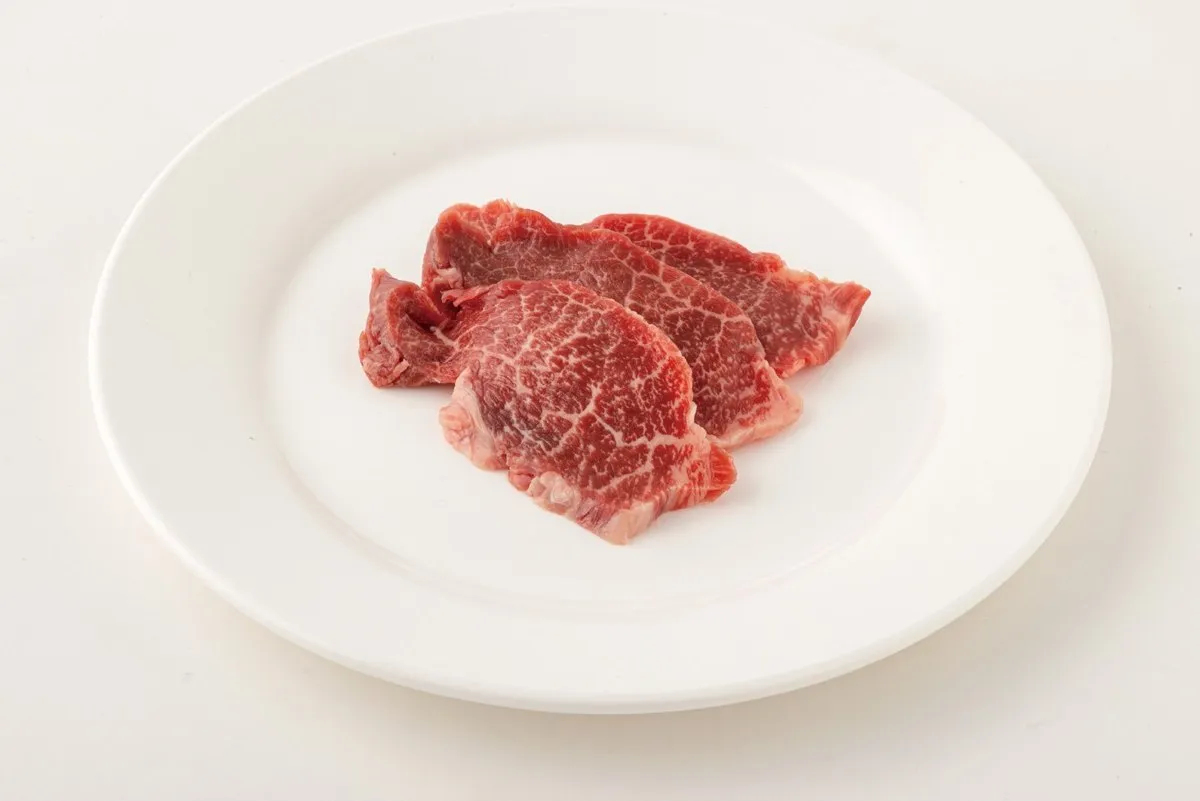 ザブトンzabuton | 牛の肩ロースの一部 上脑里的雪花块(座垫肉) Chuck flap | かたロースのうち、あばら骨側の部分 上脑(かたロース)中靠肋骨的一侧 The rib side of the chuck roll (kata-rōsu) | 四角い形に切り出せることから座布団にたとえた名。かたロースの中でもしっかり霜降りが入る部位で、焼肉店では「特上ロース」や「特上カルビ」として出されることもある。米国産ではかたロース(チャックアイロール)を「カタロース芯」と「チャックフラップ(ザブトン)」などに分割し、ザブトンは全体に均一にサシが入るが、途中で繊維の向きが横から縦に変わる。 因为能切成方方正正的一块,像日本的坐垫(座布団)而得名。它是上脑里雪花分布得很充分的部位,烤肉店有时把它当作“特上ロース”或“特上カルビ”来卖。美国产上脑卷(chuck eye roll)会分成“上脑芯”和 chuck flap(即ザブトン)等块;这块雪花分布均匀,但肌纤维的走向中途由横转竖。 Named after the square floor cushion (zabuton), because it can be cut out as a neat square block. A heavily marbled part of the chuck roll, it is sometimes served as tokujō rōsu or tokujō karubi (premium loin or kalbi). US packers split the chuck eye roll into the eye (kata-rōsu shin) and the chuck flap, i.e. the zabuton, which is evenly marbled but has a grain that turns from horizontal to vertical partway along. |
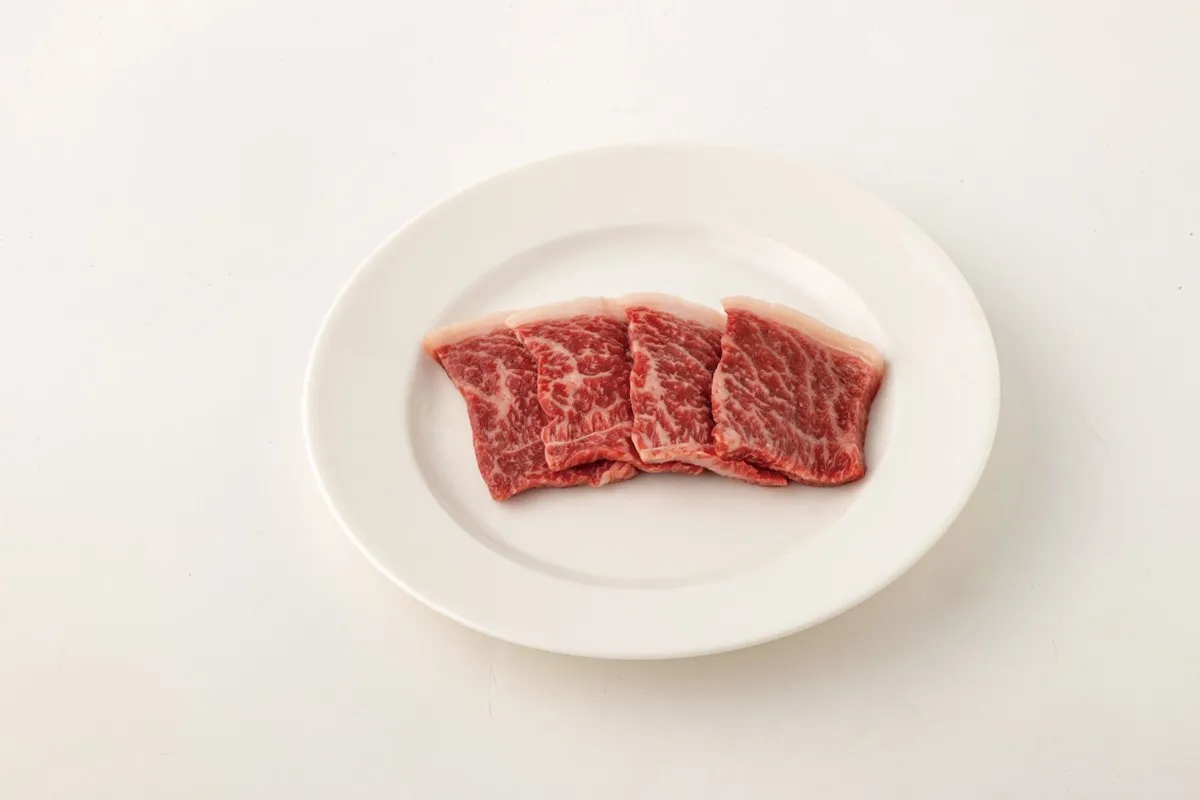 イチボichibo | 牛の尻(腰骨付近)の肉 牛臀肉(近腰骨处) Rump cap | ももの臀部、腰骨付近の部分。部分肉では「らんいち」に含まれる 后腿的臀部、腰骨附近;在分割肉规格里属于“らんいち” The buttock end of the hindquarter, near the hip bone; part of the ran-ichi primal | 英語の aitchbone(牛の腰骨)に由来し、村井弦斎『食道楽』(1903年)に「俗に牛肉屋でイチボと云ふのは腰の三角肉で」とある。部分によって肉質が違い、サーロイン側は霜降りが多く柔らかいため焼肉に向き、外もも側は筋肉質で硬めだが赤身と霜降りのバランスがよい。もも肉なのにサーロインに似た味わいで「もも肉のロース」とも呼ばれ、米国のトップサーロインキャップ(クーレット)はイチボの一部にあたる。なお日本食肉消費総合センターは、らんぷの関西での呼び名として「らむ」「いちぼ」を挙げている。 名称来自英语 aitchbone(牛的腰骨);1903年村井弦斋的《食道乐》里已写道:“肉铺俗称的イチボ,就是腰部的三角肉。”不同位置肉质不同:靠西冷一侧雪花多、柔软,适合烤肉;靠外侧后腿(そともも)一侧肌肉多、偏硬,但瘦肉和雪花比例均衡。虽是后腿肉,味道却像西冷,被称为“后腿里的ロース”;美国的 top sirloin cap(coulotte)相当于它的一部分。另据日本食肉消费综合中心的资料,关西把臀腰肉“らんぷ”叫作“らむ”或“いちぼ”。 From English “aitchbone”, the rump bone; Murai Gensai’s Kuidōraku (1903) already notes that “what butchers commonly call ichibo is the triangular meat of the hip”. Texture varies across the cut: the sirloin side is well marbled and tender, ideal for yakiniku, while the outside-round side is more muscular and firmer, with a good balance of lean and marbling. Though it is hindquarter (momo) meat it tastes like sirloin, earning the nickname “the rōsu of the round”, and the American top sirloin cap (coulotte) is part of it. The Japan Meat Information Service Center lists ramu and ichibo as Kansai names for the whole rump (ranpu). |
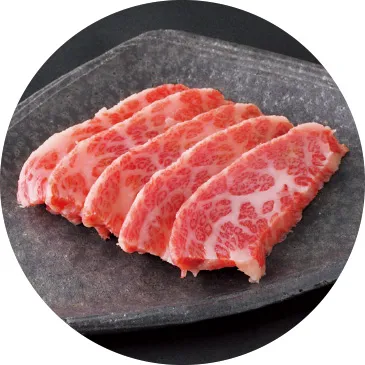 三角バラsankaku bara | かたばらの三角形の部分 前腹三角五花 Chuck short rib | かたばら(第6肋骨より前のばら)の一部 前腹五花(かたばら,第6肋骨以前的五花)的一部分 Part of the forequarter belly (kata-bara), in front of the 6th rib | かたばらから三角形に切り出されることからの名で、ばら肉の中でも最上級の肉質とされる。きめが細かく美しい霜降りが入り、脂の甘みと赤身のうま味を同時に味わえる。米国産では第1〜5肋骨の間の肩バラからブリスケットを外した三角形の部分が「チャックリブ」として流通し、霜降りのカルビ用に使われる。 因从前腹五花(かたばら)上切成三角形而得名,被认为是五花里肉质最好的部分。肌理细腻、雪花漂亮,能同时吃到脂肪的甘甜和瘦肉的鲜味。美国产的对应部位叫 chuck rib:在第1至第5肋骨之间的肩部五花上去掉牛胸(brisket)后剩下的三角形块,多用来做雪花“カルビ”。 Named for the triangle in which it is cut from the forequarter belly, it is rated the finest meat of the whole belly. Fine-grained and beautifully marbled, it delivers sweet fat and savoury lean in the same bite. The US equivalent, “chuck rib”, is the triangular piece left when the brisket is removed from the shoulder belly between ribs 1 and 5, and is cut for marbled karubi. |
ホルモン内脏Offal
牛の胃は4つあり、第一胃をミノ、第二胃をハチノス、第三胃をセンマイ、第四胃をギアラ(赤センマイ)と呼ぶ。業界では胃や腸など白っぽい内臓を「白物(しろもの)」、心臓や肝臓など赤っぽい内臓を「赤物(あかもの)」と呼び分けて扱う。牛有四个胃,日语依次叫ミノ(第一胃)、ハチノス(第二胃)、センマイ(第三胃)和ギアラ(第四胃,又叫“赤センマイ”)。行业里把胃、肠等发白的内脏叫「白物」,把心、肝等发红的内脏叫「赤物」,分开处理。Cattle have four stomachs, called mino, hachinosu, senmai and giara (also aka-senmai, “red senmai”) in that order. The trade sorts offal into shiromono (“white things”: stomachs and intestines) and akamono (“red things”: heart, liver and the like).
| ことば词Word | 意味意思Meaning | 部位・正体部位What & where | 解説说明Notes |
|---|---|---|---|
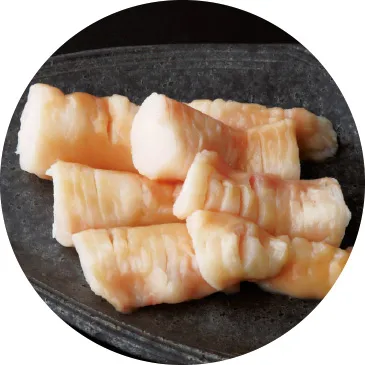 ホルモンhorumon 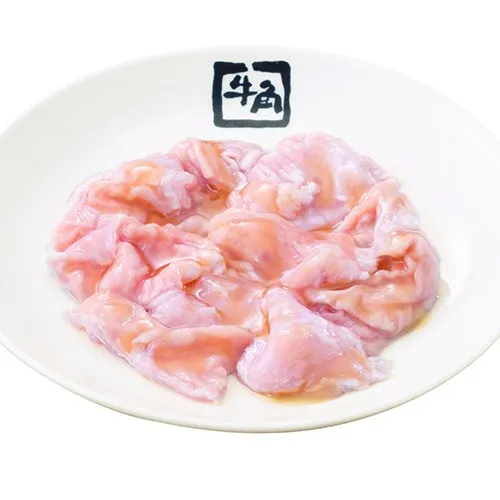 店内表記やみつき豚ホルモンyamitsuki buta horumon豚のホルモン。塩ダレか味噌ダレ猪内脏,盐味酱或味噌酱Pork offal; salt or miso sauce 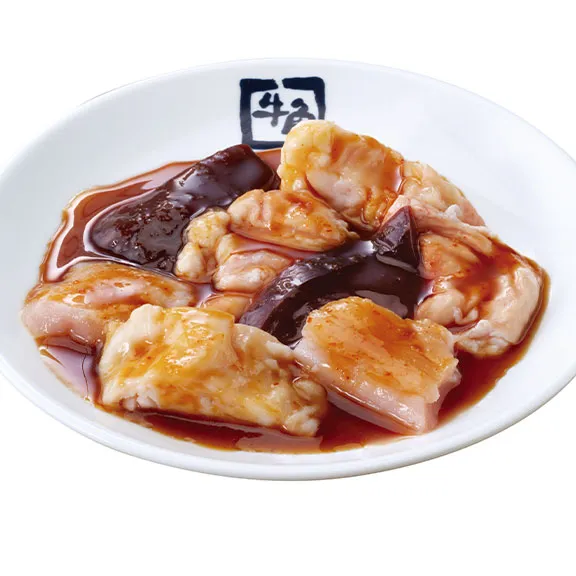 店内表記ホルモン四種盛りhorumon yonshu moriホルモン4種の盛り合わせ。塩ダレか味噌ダレ四种内脏拼盘,盐味酱或味噌酱Four kinds of offal on one plate; salt or miso sauce 店内表記上ホルモン焼jō horumon-yaki上ランクのホルモン。ネギをのせた辛口塩味もある上等内脏;也有铺葱的辣味盐味版Premium offal; a leek-topped spicy salt version is also listed 店内表記ホルモン三点盛horumon santen-mori上ミノ焼・上ホルモン焼・上レバー焼の盛合せ上等毛肚、上等内脏、上等肝的拼盘Jō mino, jō horumon and jō liver on one plate 店内表記やわらかホルモンyawaraka horumon独自製法でやわらかくしたホルモン。塩か味噌用独家工艺做软的内脏,盐或味噌Offal made tender by the chain's own method; salt or miso | 牛・豚などの食用内臓 牛、猪等的可食用内脏 Edible offal (beef, pork) | 枝肉と皮を除いた可食部(畜産副生物)の通称 去掉胴体肉(枝肉)和皮之后剩下的可食部分(畜产副产品)的俗称 Everyday name for the edible parts left once the carcass meat and hide are removed | 業界の統一名称は「畜産副生物」で、「ホルモン」「モツ」はもとは業界語であり、農林水産省の資料は小腸を「ホルモンの代名詞」、大腸を「ホルモンの代表的な存在」と紹介している。語源は医学用語の「ホルモン(独 Hormon)」で、1920年ごろには精のつく料理を「ホルモン料理」と呼んでおり、大阪の洋食店「北極星」の創業者・北橋茂男が内臓の意味で広めたとされる。大阪弁の「放るもん(捨てるもの)」に由来するという説は日本国語大辞典も「一説に」として載せるが、語が1920年ごろから使われていたことから俗説とみられ、広まったのは1970年代からという。一般に西日本では牛、東日本では豚の内臓が多く消費される。 行业的统一名称是「畜産副生物」(畜产副产品),「ホルモン」「モツ」原本都是行话;农林水产省的资料称小肠是“内脏的代名词”,大肠是“内脏的代表”。词源是医学用语“荷尔蒙”(德语 Hormon):约1920年起,滋补强身的菜就被叫作「ホルモン料理」,据说是大阪西餐馆「北極星」的创办人北桥茂男把这个词推广成“内脏”的意思。流传很广的“源自大阪话「放るもん」(扔掉的东西)”一说,《日本国语大辞典》也以“一说”收录,但由于这个词约1920年就已在使用,一般视为民间词源,1970年代以后才传开。一般来说,西日本多吃牛内脏,东日本多吃猪内脏。 The trade’s official term is chikusan fukuseibutsu (“livestock by-products”); horumon and motsu began as trade jargon, and MAFF materials call the small intestine the “byword for horumon” and the large intestine its “typical example”. The word comes from the medical term “hormone” (German Hormon): by around 1920 invigorating dishes were called horumon ryōri, and Kitahashi Shigeo, founder of the Osaka restaurant Hokkyokusei, is credited with popularising it to mean offal. The popular derivation from Osaka dialect hōrumon (“stuff to throw away”) appears in the Nihon Kokugo Daijiten only as “one theory”; since the word was already in use around 1920 it is regarded as folk etymology, and it spread only from the 1970s. In general, western Japan eats more beef offal and eastern Japan more pork offal. |
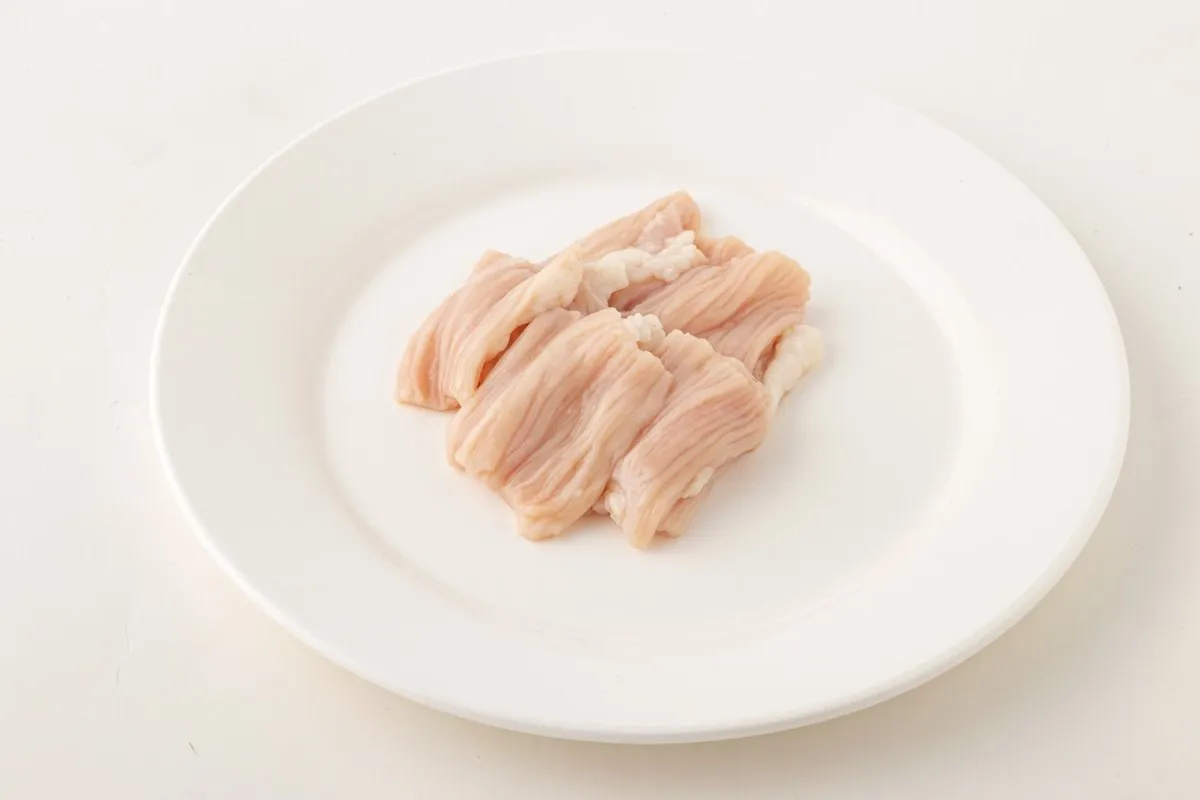 シマチョウshimachō 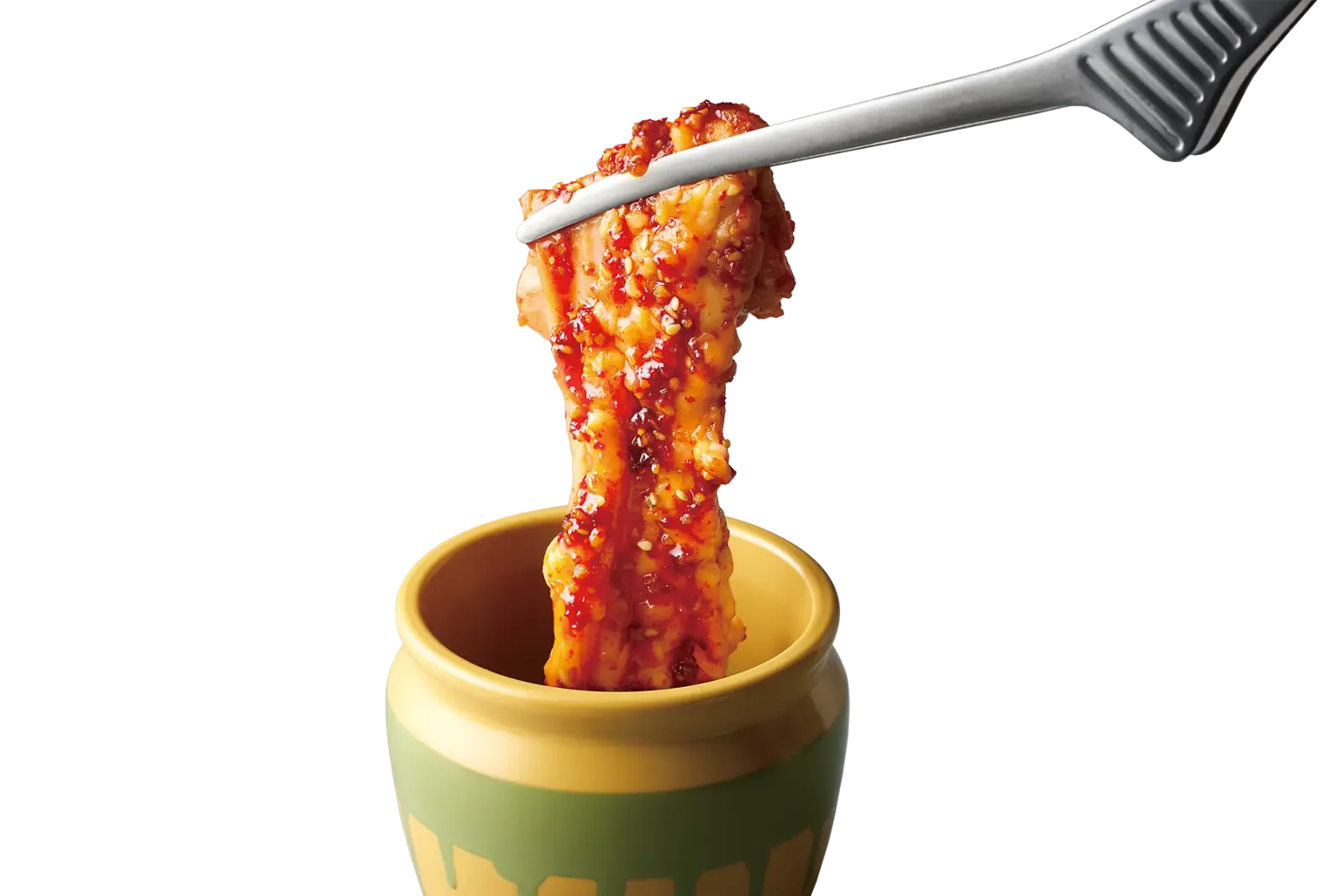 名物韓式ヤンニョムだれ 壺漬け一本シマチョウkanshiki yannyomu-dare tsubozuke ippon shimachō甘辛いヤンニョムだれ(韓国式の合わせだれ)に漬け込んだシマチョウ(牛の大腸)用甜辣的韩式调味酱(yangnyeom)腌渍的牛大肠Beef large intestine (shimachō) marinated in sweet-spicy Korean yangnyeom sauce 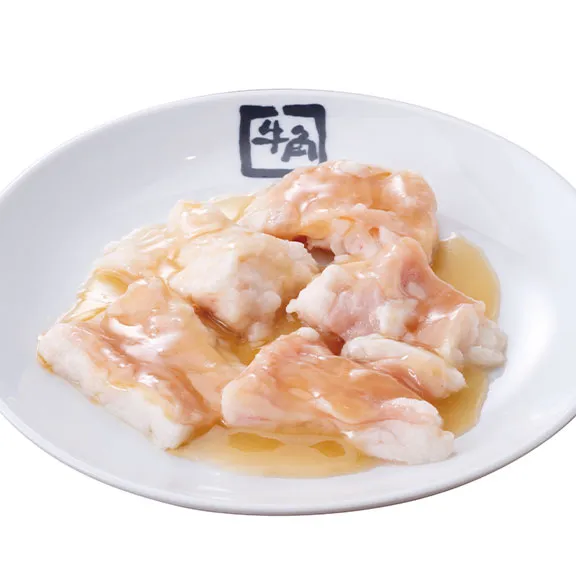 店内表記シマチョウshimachō牛の大腸。塩ダレか味噌ダレ牛大肠,盐味酱或味噌酱Beef large intestine; salt or miso sauce | 牛の大腸 牛大肠 Beef large intestine | 大腸(小腸の末端から直腸までの管)を切り開いて平らにしたもの 大肠(从小肠末端到直肠的一段管道),剖开后摊平 The large intestine (the tube from the end of the small intestine to the rectum), slit open and laid flat | 表面に縞(しま)模様があることからの名で、関西では韓国語 대창(テチャン=大腸)に由来する「テッチャン」とも呼ぶ。牛の大腸は長さ約10.7m・直径約7.6cmの管で、洗浄後に切り開いて平らにし、焼肉用には3〜4cmに切る(米国食肉輸出連合会)。小腸より厚くてかたく、コリコリした歯ごたえと甘みのある付着脂肪が持ち味。日本畜産副産物協会が普及を図る部位表示での名称は「シマチョウ(ダイチョウ)」。 名字来自表面的条纹(「縞」,读 shima);关西又叫「テッチャン」,源自韩语 대창(大肠)。牛大肠是一条长约10.7米、直径约7.6厘米的管子,洗净后剖开摊平,烤肉用的切成3–4厘米(美国肉类出口协会)。比小肠厚、硬,嚼起来脆韧,附着的脂肪带甜味。日本畜产副产物协会推广的部位标示把它写作「シマチョウ(ダイチョウ)」。 Named for the stripes (shima) on its surface; in Kansai it is also tetchan, from Korean daechang, “large intestine”. A beef large intestine is a tube about 10.7 m long and 7.6 cm across; after cleaning it is slit open and laid flat, then cut into 3–4 cm pieces for yakiniku (U.S. Meat Export Federation). Thicker and firmer than the small intestine, it is prized for its springy chew and the sweet fat clinging to it. The parts labelling promoted by the Japan Animal By-products Association lists it as “shimachō (daichō)”. |
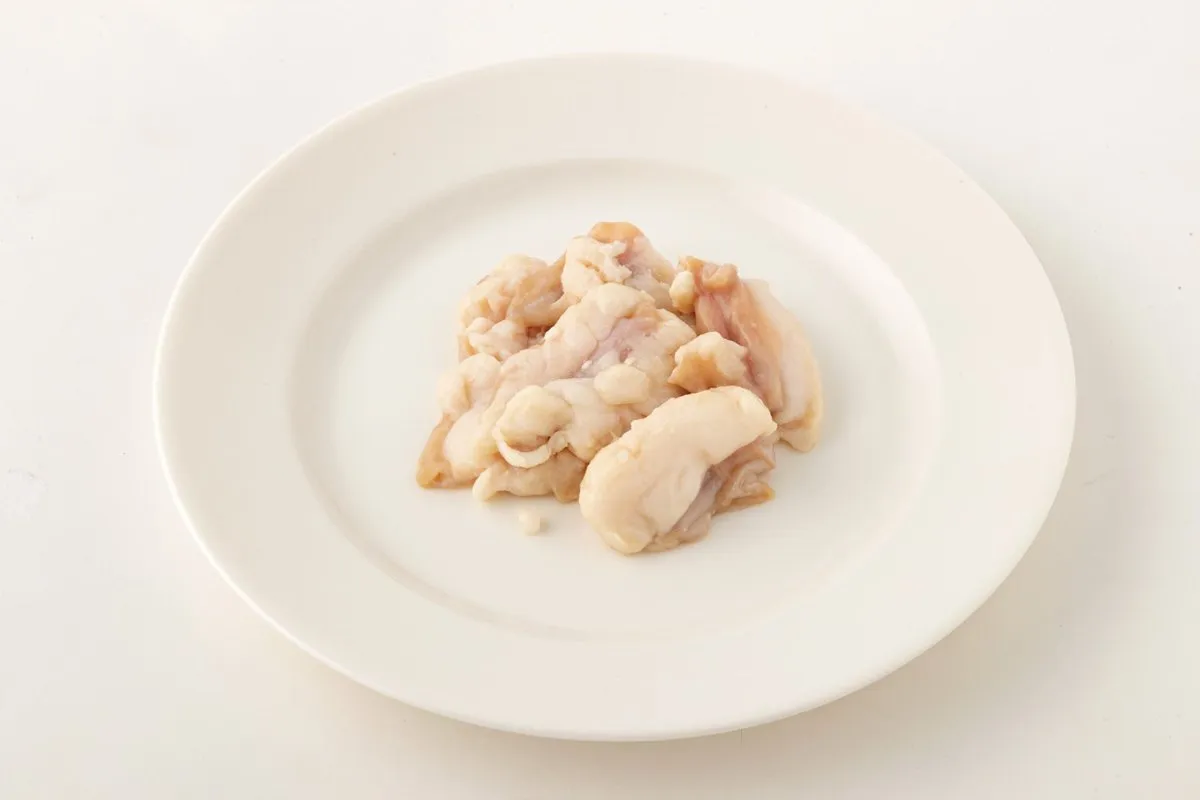 マルチョウmaruchō | 牛の小腸(筒状のまま) 牛小肠(保持管状) Beef small intestine, left whole | 小腸を縦に裂かず、筒の形のまま使うもの 小肠不纵向剖开,保持圆筒形使用 The small intestine used whole as a tube, not slit lengthwise | 関西では小腸のうち裂かないものを「マルチョウ」、裂いたものを「コテッチャン」と呼び分ける(農林水産省)。小腸そのものは韓国語 곱창 から「コプチャン」、形から「ヒモ」、京都では「ホソ」とも呼ばれ、日本畜産副産物協会が普及を図る部位表示では「ショウチョウ」。脂肪が多く付き、生100gあたり脂質26.1g・268kcalと、大腸(脂質13.0g)の約2倍の脂質を含む(日本食品標準成分表)。なお農林水産省aff 2020年9月号の部位図鑑はマルチョウを大腸(シマチョウ)の別名として載せており、呼び名は資料や地域によって揺れがある。 在关西,小肠中不剖开的叫「マルチョウ」,剖开的叫「コテッチャン」(农林水产省)。小肠本身还有「コプチャン」(来自韩语 곱창)、「ヒモ」(因形似绳子)、「ホソ」(京都)等叫法,日本畜产副产物协会推广的部位标示写作「ショウチョウ」(小肠)。附着脂肪多,每100克生小肠含脂肪26.1克、268千卡,约为大肠(脂肪13.0克)的两倍(日本食品标准成分表)。不过农林水产省2020年9月号《aff》的部位图鉴把マルチョウ列为大肠(シマチョウ)的别名,叫法因资料和地区而异。 In Kansai, small intestine left unsplit is maruchō and split open is kotetchan (MAFF). The small intestine itself is also called kopuchan (from Korean gopchang), himo (“string”, from its shape) or, in Kyoto, hoso; the parts labelling promoted by the Japan Animal By-products Association uses shōchō. It carries a lot of fat: 100 g raw has 26.1 g fat and 268 kcal, about twice the fat of large intestine (13.0 g) (Standard Tables of Food Composition in Japan). Note that MAFF’s 2020 aff cut guide lists maruchō as another name for the large intestine (shimachō), so usage varies by source and region. |
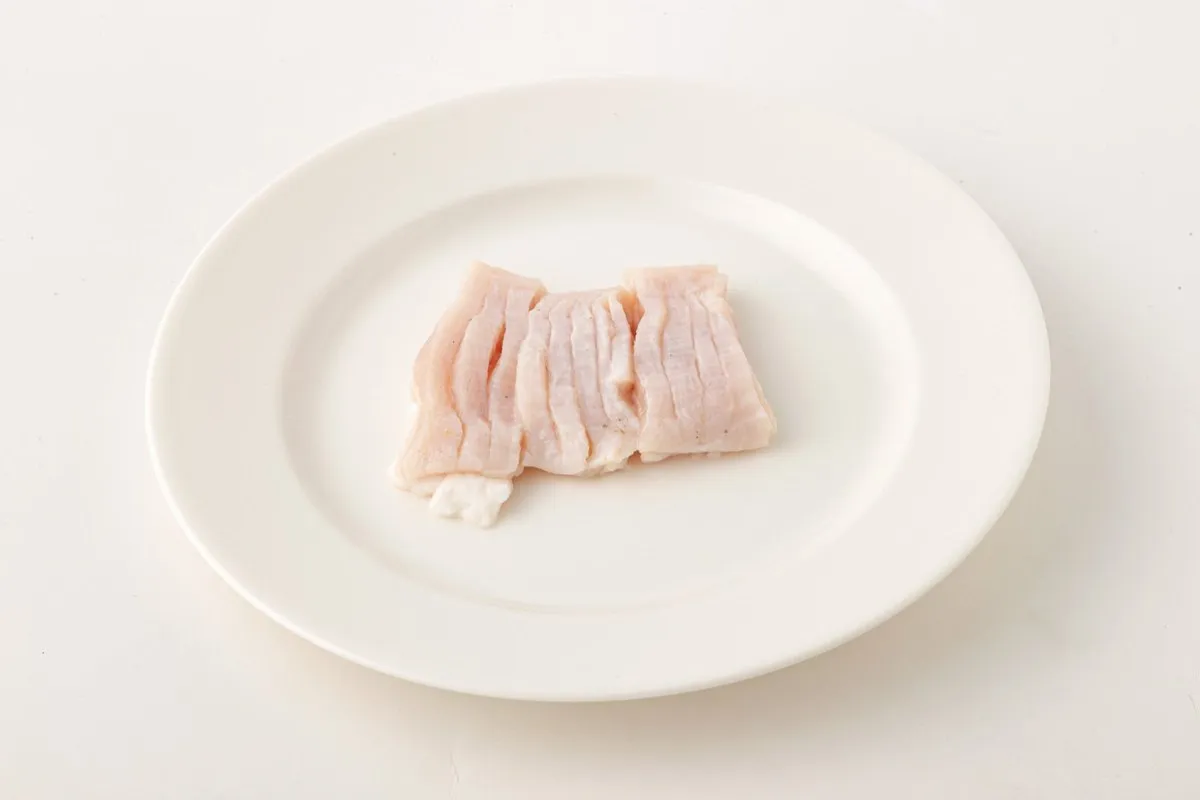 ミノmino 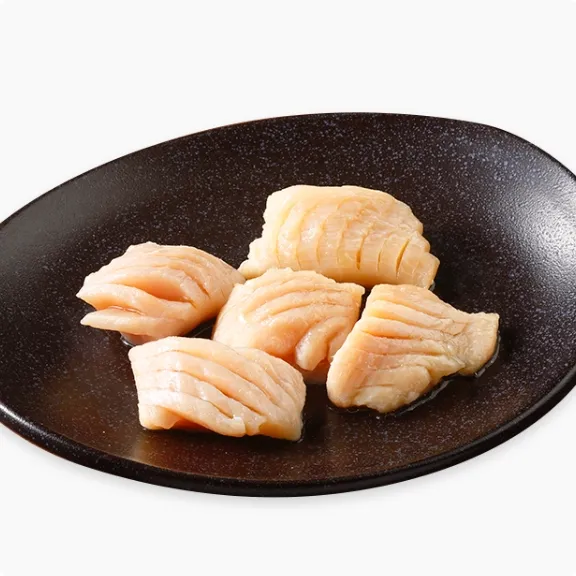 店内表記厚切りミノatsugiri mino牛の第一胃(ミノ)の厚切り。塩ダレか味噌ダレ厚切牛瘤胃(第一胃),盐味酱或味噌酱Thick-cut beef rumen (first stomach); salt or miso sauce 店内表記上ミノ焼jō mino-yaki牛の第一胃(ミノ)の上ランク。ネギをのせた辛口塩味もある上等牛瘤胃(第一胃);也有铺葱的辣味盐味版Premium rumen (first stomach); a leek-topped spicy salt version is also listed 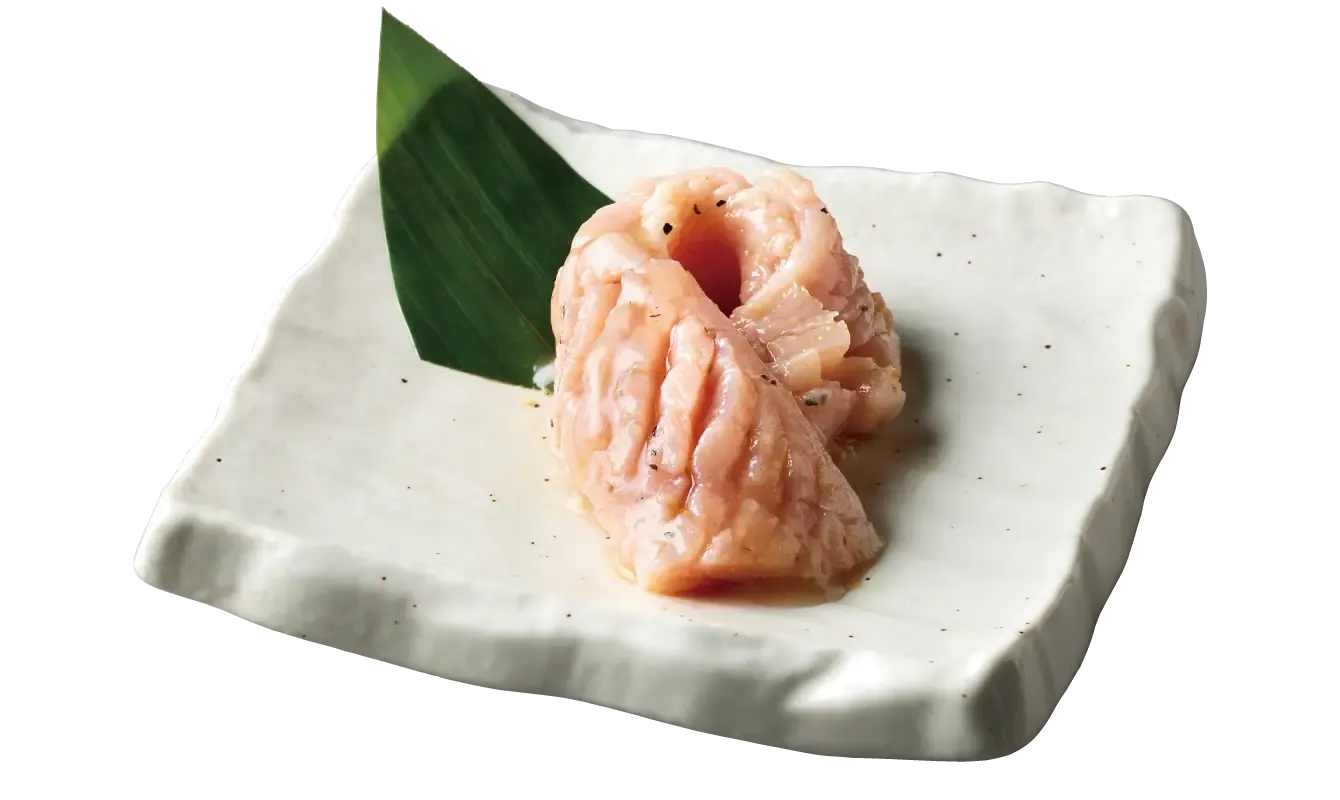 店内表記【特選】ミノステーキtokusen mino sutēkiミノ(牛の第一胃)のステーキ。コリコリした食感。食べ放題ではプレミアムコース限定牛瘤胃(毛肚)排,口感脆;吃到饱中仅限高级套餐Rumen (first stomach) steak with a crunchy bite; among the courses only in Premium | 牛の第一胃 牛的第一胃(瘤胃) Beef rumen (first stomach) | 4つある胃の最初で最大の胃(瘤胃・ルーメン) 四个胃中的第一个,也是最大的一个(瘤胃) The first and largest of the four stomachs (rumen) | 4つの胃で最も大きく、第二胃と合わせると全胃容積の約8割、牛では100〜150Lに達する。肉厚でかたいがくせは少なく、焼肉では切れ込みを入れて出す。一般に売られるのは特に厚い部分の「上ミノ」で、身と身の間に濃厚な脂を挟んだ厚い部分は「ミノサンド」と呼ばれる希少な部位。名は切り開いた形が雨具の蓑(みの)に似ることからという説がある。 是四个胃中最大的,与第二胃合计约占全部胃容积的八成,牛的可达100–150升。肉厚而硬,但异味少;烤肉店上桌前会先切上花刀。市面上卖的一般是特别厚的部分「上ミノ」;肉层之间夹着一层浓厚油脂的厚块叫「ミノサンド」,量很少。一说名字来自剖开后的样子像蓑衣(日语「蓑」读 mino)。 The largest of the four stomachs: together with the second stomach it makes up about 80% of total stomach volume—100–150 litres in cattle. Thick and tough but mild in flavour, it is scored with knife cuts before serving at yakiniku restaurants. What is usually sold is the extra-thick jō-mino; a thick section with a layer of rich fat sandwiched inside is the scarce mino-sando. One theory derives the name from mino, the straw raincoat it resembles when cut open. |
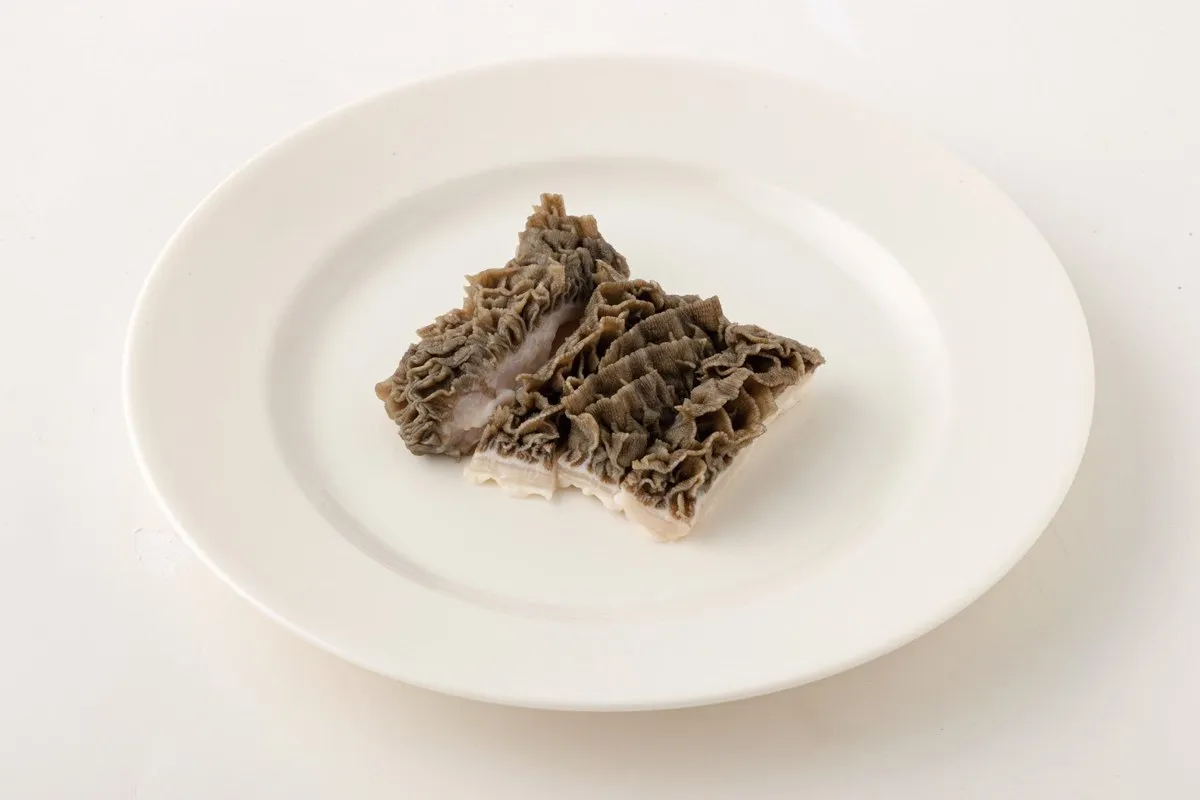 ハチノスhachinosu | 牛の第二胃 牛网胃(金钱肚) Honeycomb tripe (second stomach) | 第一胃に続く2番目の胃(網胃・蜂巣胃) 紧接第一胃的第二个胃(网胃、蜂巢胃) The second stomach, next to the rumen (reticulum) | 胃壁のひだが四〜六角形の小部屋をつくり蜂の巣のように見えることからの名で、学術的にも「蜂巣胃」「網胃」と呼ぶ。反芻のとき、食べた物を丸めて口へ戻す働きをする胃である。胃の中ではあっさりした味わいで、煮込み料理やもつ焼きに使われ、イタリア料理ではトリッパ(trippa)と呼ばれる。 胃壁的褶皱围成一个个四到六边形的小格,看上去像蜂巢,因而得名;动物学上也叫“蜂巢胃”“网胃”。反刍时,正是它把吃下的食物揉成团送回口中。在牛胃中口味清淡,多用于炖菜和串烤内脏,意大利菜里叫 trippa。 Its wall is ridged into four- to six-sided cells like a honeycomb, hence the name; zoologists likewise call it the honeycomb stomach or reticulum. During rumination it is the stomach that rolls food into a bolus and sends it back up to the mouth. Mild in flavour for a stomach, it goes into stews and offal skewers, and is the trippa of Italian cooking. |
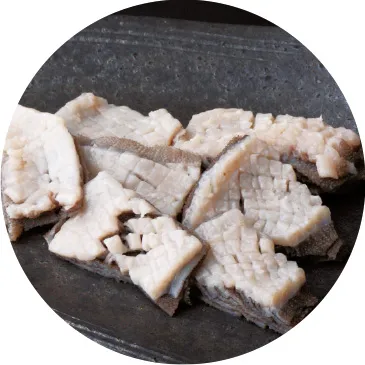 センマイsenmai 店内表記白センマイshiro senmai黒ずんだ薄皮をはがした白いセンマイ(第三胃)。一品料理として出る剥掉黑色薄皮的白色牛百叶(第三胃),作为单品菜Omasum (third stomach) with its dark skin peeled off, served as a side dish | 牛の第三胃 牛百叶(瓣胃) Omasum (third stomach) | 3番目の胃(葉胃・重弁胃)で、内側に薄いひだが何枚も重なる 第三个胃(瓣胃),内壁是层层叠叠的薄褶 The third stomach (omasum), lined with many thin, leaf-like folds | ひだが何層にも重なり「千枚」あるように見えることからの名とされ、韓国語でも第三胃を천엽(千葉)、英語ではブックトライプ(book tripe)と呼ぶが、デジタル大辞泉は語源未詳とする。脂肪が少なくシコシコした食感で、生100gあたり57kcal・脂質1.3g・鉄6.8mgを含む(日本食品標準成分表)。一般にゆでたものが売られている。 据说因褶皱层层叠叠、看上去有“千枚”而得名;韩语也把第三胃叫 천엽(千叶),英语叫 book tripe,不过《数字大辞泉》认为词源不详。脂肪少,口感爽脆有嚼劲,每100克生百叶含57千卡、脂肪1.3克、铁6.8毫克(日本食品标准成分表)。市面上一般卖的是已经煮过的。 It is said to be named for its “thousand sheets” (sen-mai) of folds—Korean likewise calls the omasum cheonyeop, “thousand leaves”, and English “book tripe”—though the Digital Daijisen calls the etymology unknown. Low in fat with a crisp, springy bite, 100 g raw has 57 kcal, 1.3 g fat and 6.8 mg iron (Standard Tables of Food Composition in Japan). It is generally sold already boiled. |
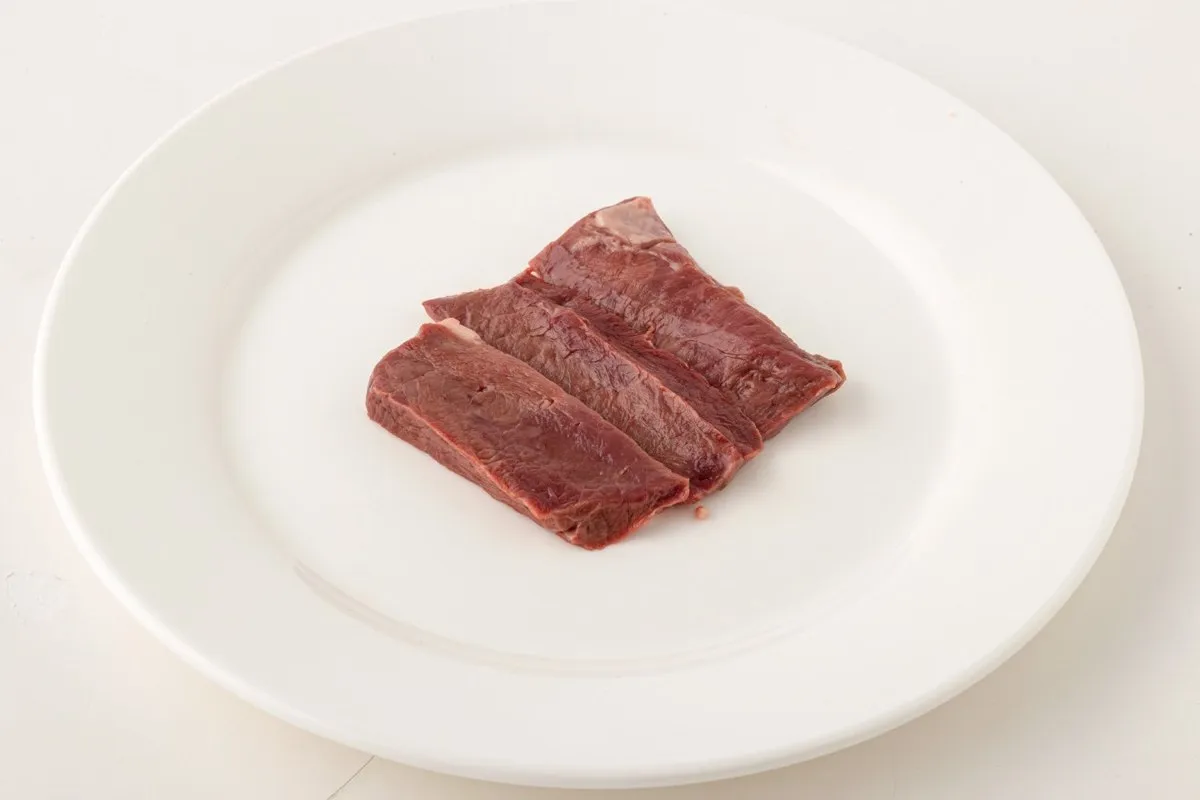 ハツhatsu | 牛の心臓 牛心 Beef heart | 心臓(心筋) 心脏(心肌) The heart (cardiac muscle) | 英語の heart から。心筋は組織が緻密で筋繊維が細かく、コリコリと歯切れがよく、脂肪や臭みが少なく味は淡白。心臓につながる大動脈は「ハツモト」(別名コリコリ)として別の部位に分けられる(日本畜産副産物協会が普及を図る部位表示)。業界では肝臓などとともに「赤物」に分類され、赤物は夏場に焼肉の材料としてよく消費される傾向がある。 来自英语 heart。心肌组织致密、纤维细,口感脆而利落,脂肪和腥味都少,味道清淡。连着心脏的大动脉另算一个部位,叫「ハツモト」(又叫「コリコリ」)(日本畜产副产物协会推广的部位标示)。行业里它和肝脏等同属「赤物」(红色内脏),赤物在夏季多作为烤肉食材,消费量较大。 From English “heart”. Dense cardiac muscle with fine fibres gives a crisp, clean bite; it is lean, mild and has little offal smell. The aorta attached to it is a separate cut, hatsumoto (also korikori), in the parts labelling promoted by the Japan Animal By-products Association. The trade classes it with the liver as akamono (“red offal”), which is eaten more in summer, much of it as yakiniku. |
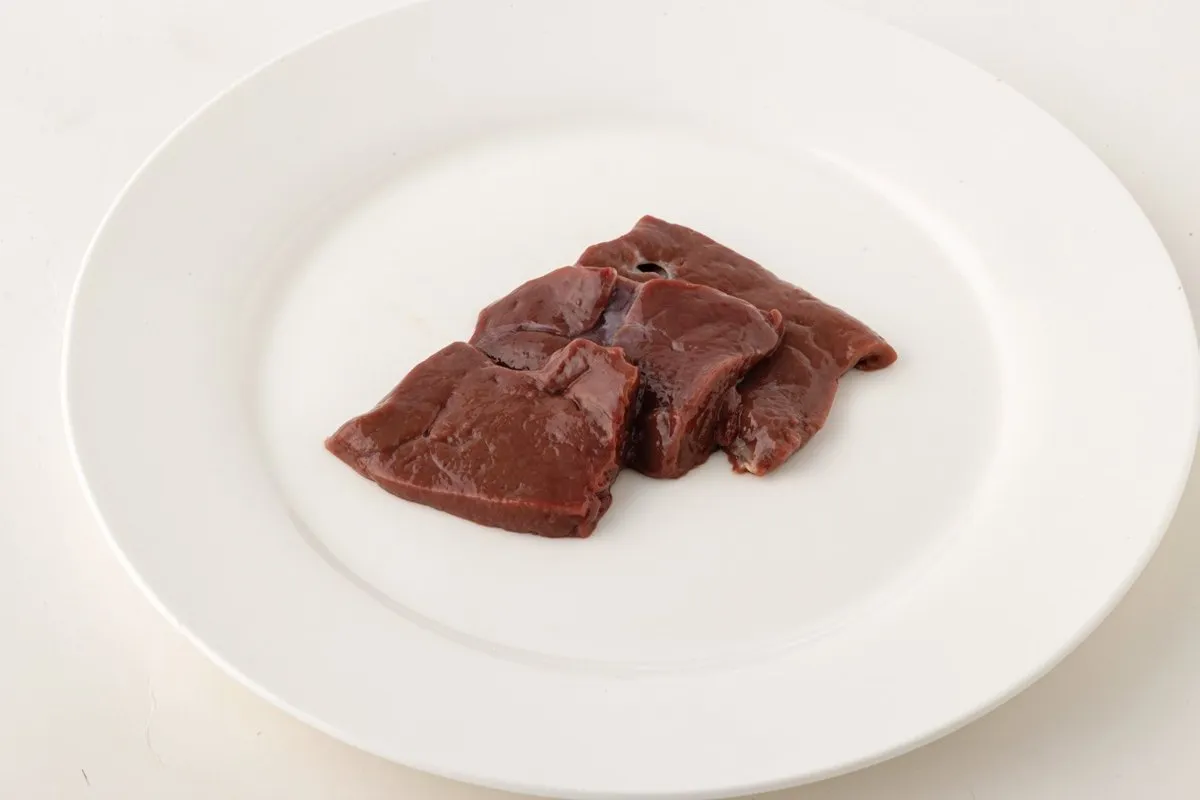 レバーrebā 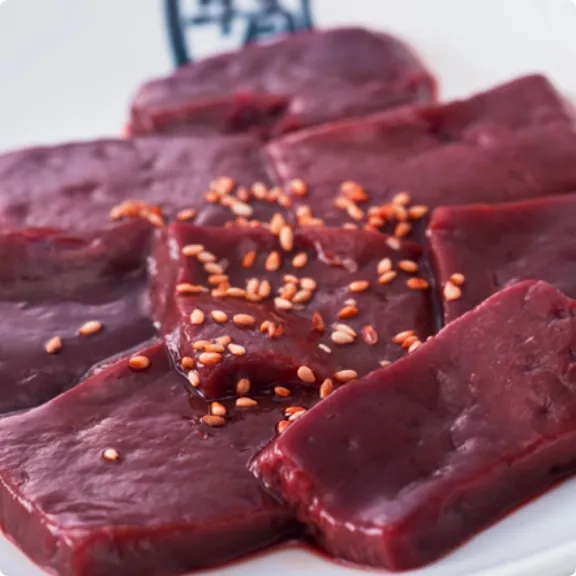 店内表記牛レバーgyū rebā牛の肝臓。塩ダレか味噌ダレ牛肝,盐味酱或味噌酱Beef liver; salt or miso sauce 店内表記上レバー焼jō rebā-yaki上ランクのレバー。ごま塩だれを添えた厚切りの塩焼もある上等肝;也有配芝麻盐酱的厚切盐烤版Premium liver; a thick-cut salt-grilled version with sesame-salt sauce is also listed | 牛の肝臓 牛肝 Beef liver | 肝臓 肝脏 The liver | 英語の liver からで、1904年の村井弦斎『食道楽』に「レバー」の用例がある。牛1頭の肝臓は約6kgあり、内臓の中で最もやわらかく、なめらかな歯触りと濃厚なコクがあるが、豚や鶏の肝臓より臭みは強い。ビタミンA・B2・鉄が多く、生100gあたりビタミンA(レチノール活性当量)1100µg・鉄4.0mgを含む(日本食品標準成分表)。生の薄切りを塩入りのごま油で食べる「レバ刺し」は主に焼肉店やもつ焼き店で出されていたが、2012年7月に食品衛生法に基づき牛の肝臓を生食用として販売・提供することが禁止された。 来自英语 liver;1904年村井弦斋的小说《食道乐》中已有「レバー」的用例。一头牛的肝脏约6公斤,是内脏中最软的,口感细滑、味道浓郁,但腥味比猪肝、鸡肝重。富含维生素A、B2和铁,每100克生牛肝含维生素A(视黄醇活性当量)1100微克、铁4.0毫克(日本食品标准成分表)。生切薄片、蘸加盐香油吃的「レバ刺し」过去主要在烤肉店和串烤内脏店供应,但2012年7月起,依据《食品卫生法》禁止把牛肝作为生食用途销售或提供。 From English “liver”; the word appears in Japanese as early as Murai Gensai’s novel Kuidōraku (1904). One animal’s liver weighs about 6 kg; it is the softest of the organs, smooth and rich, though stronger-smelling than pork or chicken liver. It is rich in vitamin A, B2 and iron: 100 g raw has 1,100 µg vitamin A (retinol activity equivalents) and 4.0 mg iron (Standard Tables of Food Composition in Japan). Raw slices dipped in salted sesame oil (reba-sashi) were served mainly at yakiniku and offal-skewer restaurants until July 2012, when the Food Sanitation Act banned selling or serving beef liver for raw consumption. |
豚猪肉Pork
小売表示の部位は「食肉小売品質基準」でかた・かたロース・ロース・ヒレ・ばら・もも・そとももの7つ、卸売の「豚部分肉取引規格」ではかた・ヒレ・ロース・ばら・ももの5つ(かたを分けるときはかたロースとうで)で、豚トロ(ネック)はどちらでも独立した部位ではない。豚は牛より若い月齢で出荷されるため、脂肪の多いばらを除けば部位による肉質の差が比較的小さい。零售标示按《食肉零售品质基准》分为かた、かたロース、ロース、ヒレ、ばら、もも、そともも7个部位;批发用的《猪分割肉交易规格》分为かた、ヒレ、ロース、ばら、もも5块(细分时把かた再分成かたロース和うで);豚トロ(颈肉)在两套标准里都不是独立部位。猪的出栏月龄比牛小,除了脂肪多的五花,各部位的肉质差别相对较小。Japan’s retail labelling standard recognises seven pork cuts (kata, kata-rōsu, rōsu, hire, bara, momo, sotomomo) and the wholesale standard five (kata, hire, rōsu, bara, momo, with kata optionally split into kata-rōsu and ude); tontoro (neck) is not a separate cut in either. Pigs go to market younger than cattle, so apart from the fatty belly the cuts differ relatively little in texture.
| ことば词Word | 意味意思Meaning | 部位・正体部位What & where | 解説说明Notes |
|---|---|---|---|
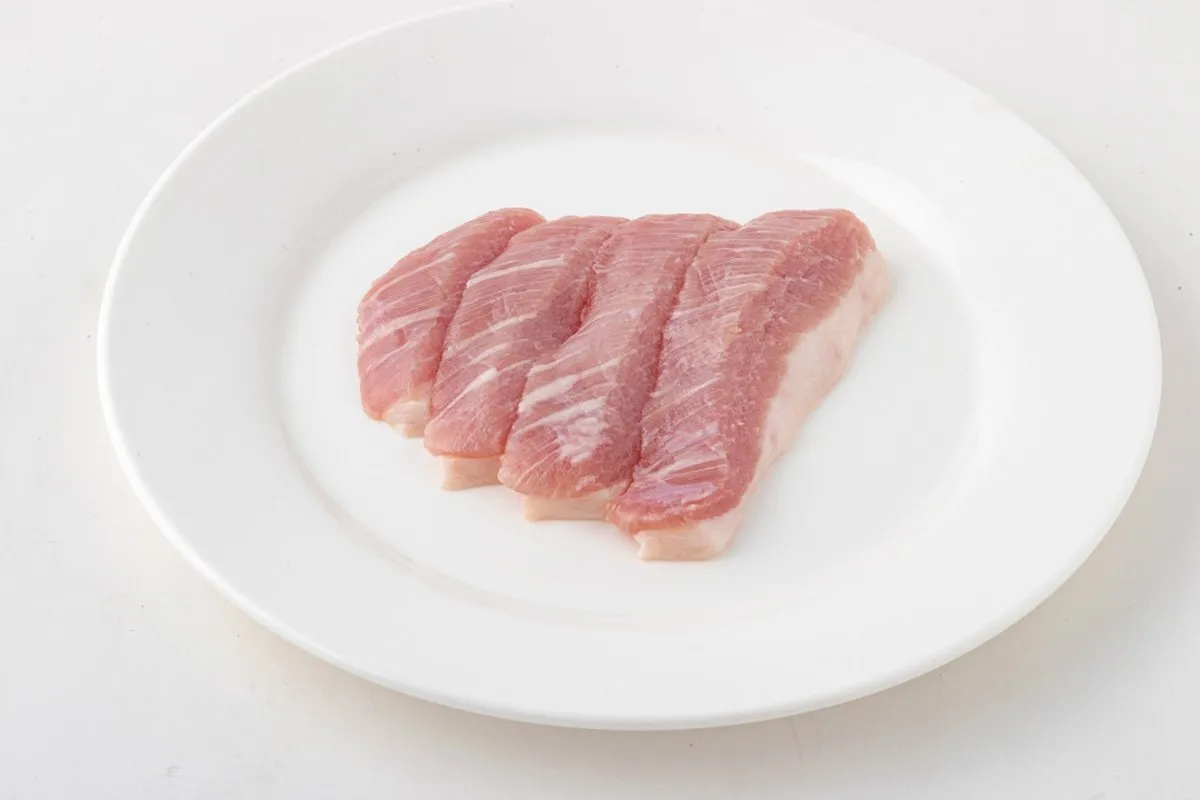 豚トロtontoro 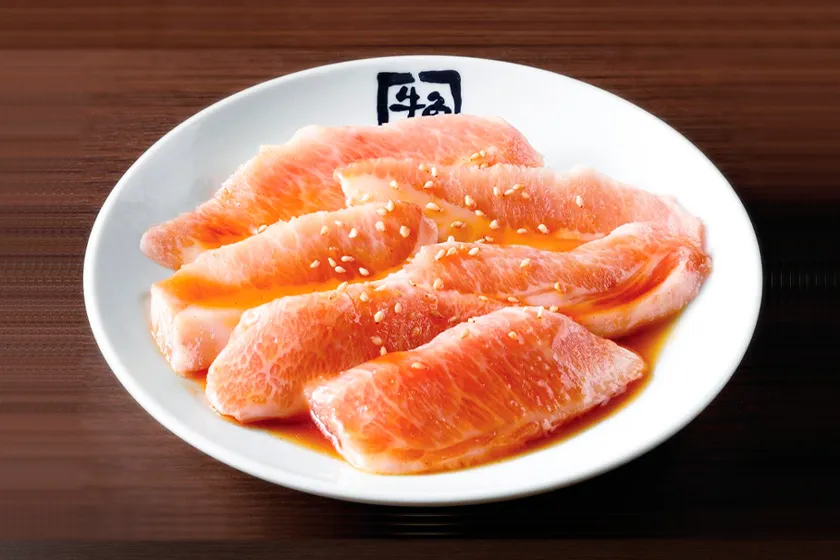 名物ピートロpītoro豚トロ(首まわりの肉)の牛角での名。1999年導入の「牛角発祥」メニューで、「トロ+ピッグ」の「トロピー」を逆にした名だという(牛角談)牛角对猪颈肉(豚トロ)的叫法,1999年推出,菜单标「牛角发祥」;据牛角说,名字是把「トロ+Pig」的「toropī」倒过来Gyu-Kaku's name for pork toro (neck meat), on the menu since 1999 and labelled a Gyu-Kaku original; per the chain, it reverses "toropī" (toro + pig) 店内表記豚トロ焼tontoro-yaki豚トロ(豚の首まわりの脂ののった肉)猪颈肉(猪脖子周围带脂肪的肉)Pork toro, fatty meat from around the neck 店内表記豚トロtontoro豚トロ。店はサクサクした独特の食感を売りにする。タレ・塩猪颈肉,店家强调其脆爽口感;酱汁或盐Pork toro, sold on its distinctive crisp bite; tare or salt | 豚の頬〜首の脂ののった肉 猪颈肉 Pork jowl / neck (P-toro) | 頬から首にかけての、あご周りの肉 从脸颊到脖子、下颌周围的肉 Meat from the cheek to the neck, around the jaw (jowl) | マグロのトロのように脂がのっていることからの名で、「とんとろ」と読み、「ピーとろ」とも呼ぶ。一頭から左右1枚ずつ、少量しか取れない。ほどよい脂肪と霜降りが豊富で、焼肉にするとサクサクとした食感になる。食肉小売品質基準の豚の7部位には含まれず、豚部分肉取引規格では頬部(ジョール)は「かた」の一部として整形される。 因像金枪鱼的“toro”(腹部肥肉)一样油脂丰腴而得名,读作“とんとろ”,也叫“ピーとろ”。一头猪左右各只有一片,产量很少。脂肪适中、雪花丰富,烤后口感脆爽。它不在《食肉零售品质基准》规定的猪肉7个部位之内;按猪分割肉交易规格,脸颊(jowl)部分随“かた”(肩)一起修整。 Named for its tuna-toro-like richness; it is read tontoro and also called pī-toro. Each pig yields only one piece per side. Moderately fatty and well marbled, it grills to a crisp, crunchy bite. It is not one of the seven retail pork cuts, and under the wholesale standard the jowl is trimmed as part of the shoulder (kata). |
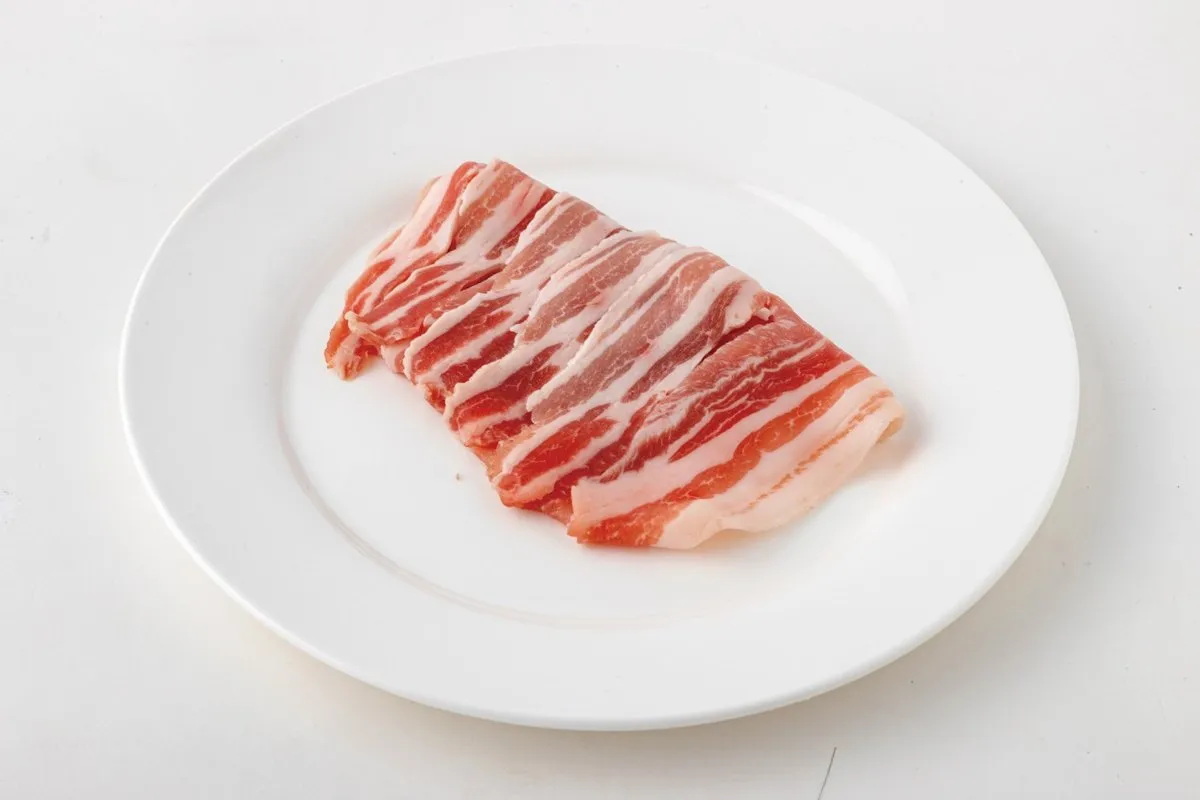 豚バラbuta bara 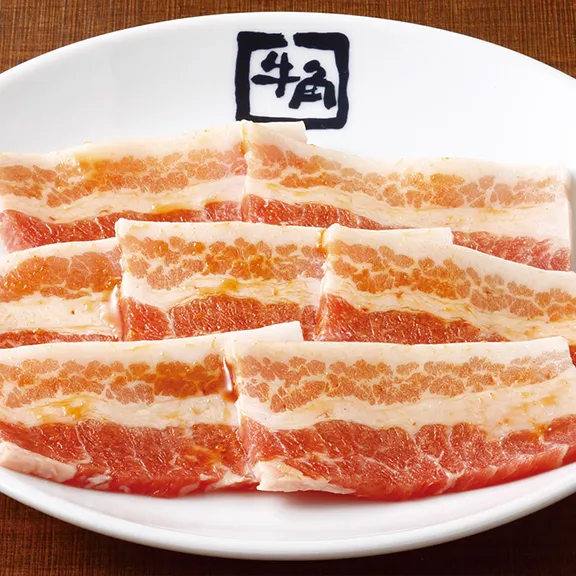 店内表記豚カルビbuta karubi豚のバラ肉。タレ・塩ダレ・味噌ダレから選ぶ猪五花,可选酱汁、盐味酱或味噌酱Pork belly, with tare, salt sauce or miso sauce 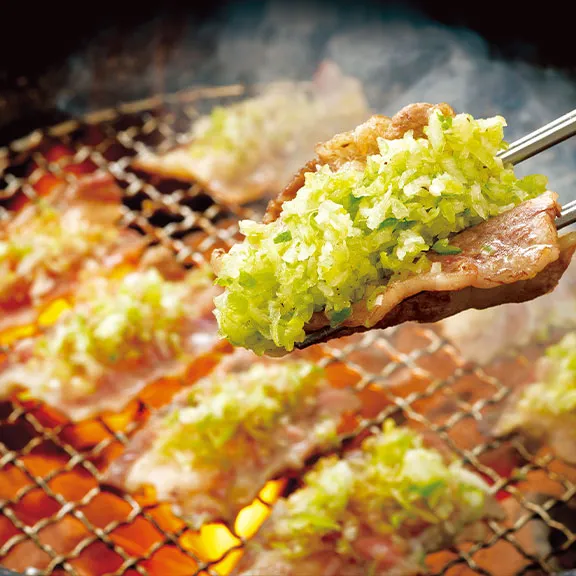 店内表記ねぎ塩豚カルビnegishio buta karubi刻みねぎをのせて焼く、塩味の豚カルビ铺上葱花烤的盐味猪五花Salt-seasoned pork karubi grilled under chopped leek 店内表記豚バラ焼butabara-yaki豚のバラ肉猪五花Pork belly 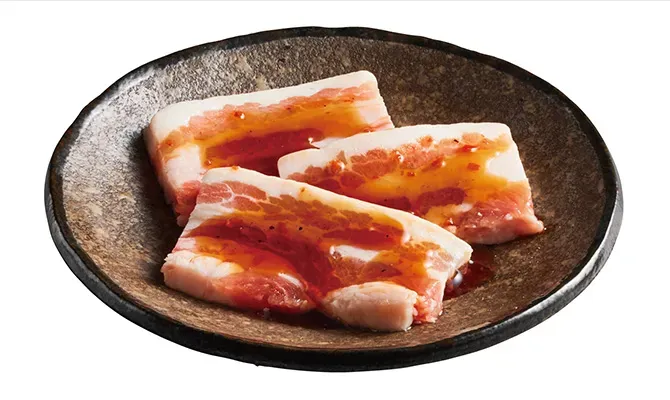 店内表記厚切り豚カルビatsugiri buta karubi旨味の強い三枚バラ(豚バラ)の厚切り。タレ・塩厚切三层五花肉(猪五花),酱汁或盐Thick-cut three-layer pork belly; tare or salt | 豚のばら肉(三枚肉) 猪五花肉 Pork belly | 腹側の、あばら骨まわりの肉 腹部、肋骨周围的肉 The belly, around the ribs | 赤身と脂肪が交互に3層ほど重なって見えることから「三枚肉」とも呼ばれ、骨付きのものはスペアリブ、ベーコンもこの部位から作る。辞書はカルビを「牛や豚のばら肉」としており、豚バラは「豚カルビ」とも呼ばれ、韓国料理のサムギョプサル(삼겹살、「3・層・肉」の意)も豚バラを焼くもの。豚部分肉取引規格では第5肋骨の長さの3分の1の位置で背線と平行に切ってロースとばらを分け、半丸1本分のばらは4.0kg未満が「S」、4.5kg以上が「L」。日本食品標準成分表では、ばら(大型種・脂身つき・生)の脂質は100gあたり35.4g。 瘦肉和肥肉交替叠成约三层,所以又叫“三枚肉”;带骨的就是肋排(spare rib),培根也用这个部位做。词典把“カルビ”解释为“牛或猪的五花肉”,所以猪五花也叫“豚カルビ”;韩国的“삼겹살”(サムギョプサル,意为“三层肉”)烤的也是猪五花。按猪分割肉交易规格,在第5肋骨长度三分之一处与背线平行切开,分出里脊(ロース)和五花;半边胴体的一整块五花不足4.0公斤为“S”,4.5公斤以上为“L”。日本食品标准成分表中,猪五花(大型种、带脂、生)每100克含脂质35.4克。 Lean and fat alternate in about three layers, hence its other name sanmai-niku (“three-layer meat”); bone-in it becomes spare ribs, and bacon is made from it. Dictionaries define karubi as the belly meat of cattle or pigs, so pork belly is also sold as buta-karubi, and Korean samgyeopsal (삼겹살, “three-layer flesh”) is grilled pork belly too. The wholesale pork standard separates loin from belly with a cut parallel to the back one third of the way down the 5th rib; a belly from one side under 4.0 kg is graded S, and 4.5 kg or more L. Raw belly of large-breed pork with its fat contains 35.4 g of fat per 100 g. 出典 · 9
|
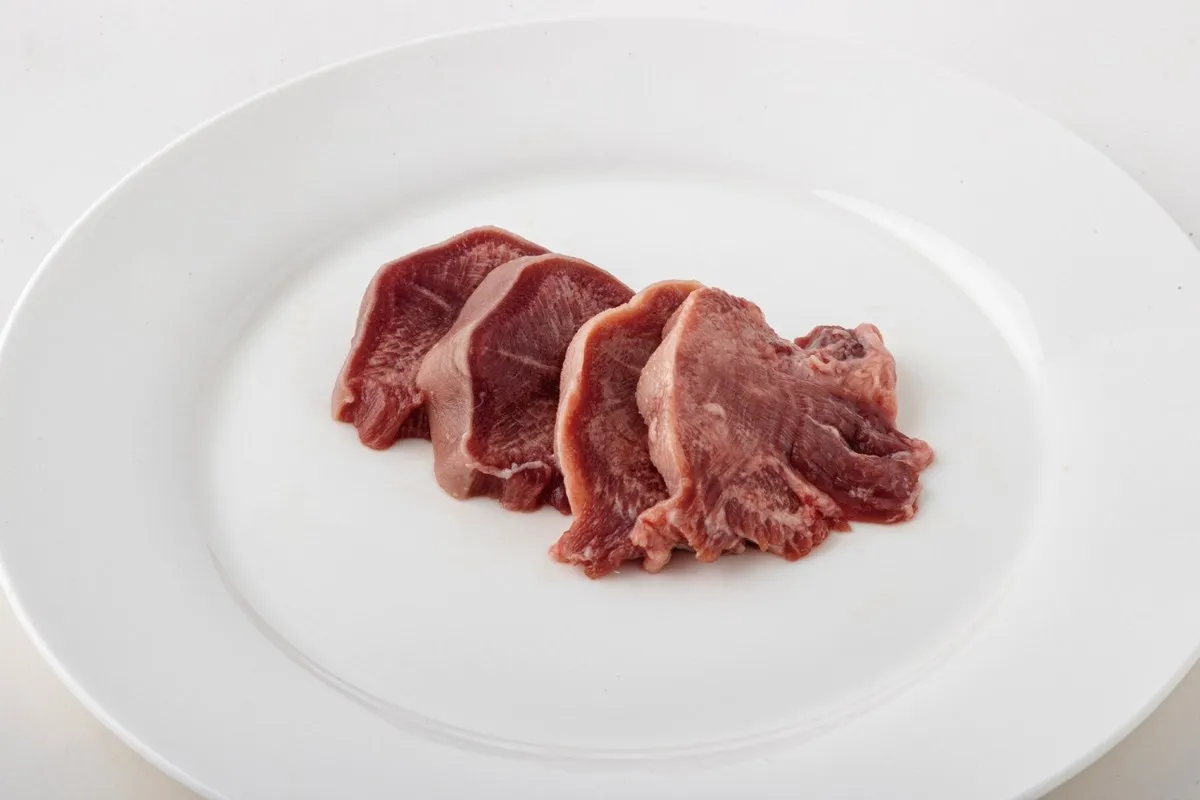 豚タンbuta tan 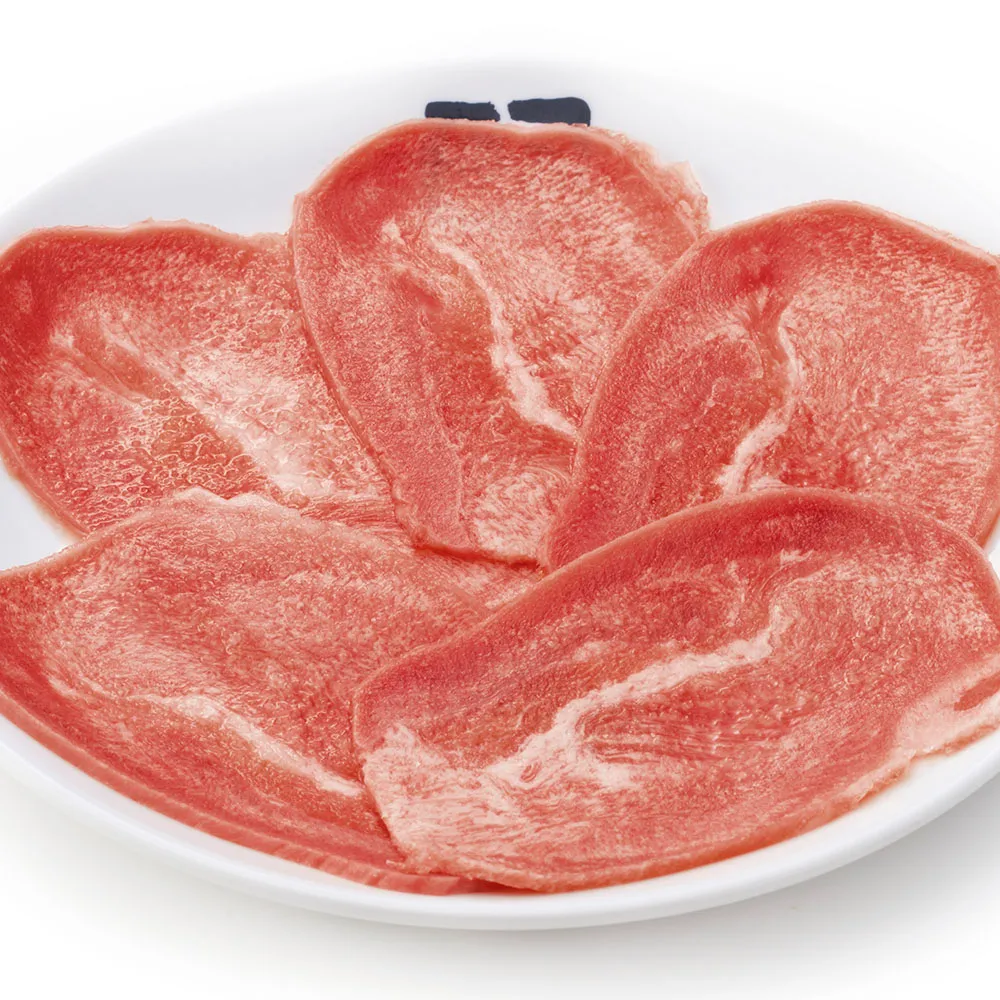 店内表記とんタン塩tontan shio「とん」は豚。豚タンの塩味で、形を整える加工をしている(公式表記)「とん」指猪,即盐味猪舌;官方注明经过整形加工"Ton" means pork: salted pork tongue, officially noted as reshaped 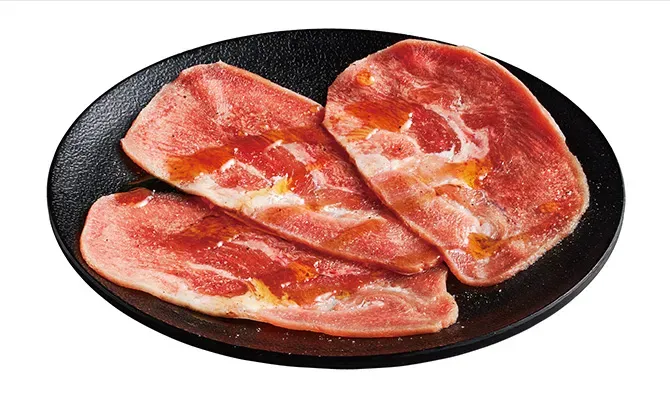 店内表記きんぐ塩タン【ポーク】kingu shiotan pōku【ポーク】=豚のタン。やわらか加工・形を整える加工あり(公式表記)标【ポーク】即猪舌;官方注明经过嫩化和整形加工【ポーク】 marks pork tongue; officially tenderized and reshaped | 豚の舌 猪舌 Pork tongue | 舌(根元のタン元から先端のタン先まで) 舌头(从舌根“タン元”到舌尖“タン先”) The tongue, from the root (tan-moto) to the tip (tan-saki) | 皮は食用に向かないため取り除いて使う。根元のほうは脂肪が多く柔らかく、全体にコリコリとした歯ごたえがあり、薄切りにして網焼きやから揚げにする。ビタミンA・B2、鉄、タウリンを正肉より多く含む。日本食品標準成分表では生100gあたりの脂質が16.3gで、牛タン(31.8g)のほぼ半分。 舌皮不适合食用,要剥掉再用。舌根部分脂肪多、较软,整体口感脆韧,常切薄片网烤或做成炸物。维生素A、B2、铁和牛磺酸的含量比正肉高。日本食品标准成分表中,生猪舌每100克含脂质16.3克,约为牛舌(31.8克)的一半。 The skin is inedible and is removed before use. The root end is fattier and softer, the whole tongue has a crunchy, springy bite, and it is sliced thin for grilling or deep-frying. It contains more vitamins A and B2, iron and taurine than muscle meat. Raw, it has 16.3 g of fat per 100 g—about half the 31.8 g in beef tongue. |
サイド饭面小菜Sides
| ことば词Word | 意味意思Meaning | 部位・正体部位What & where | 解説说明Notes |
|---|---|---|---|
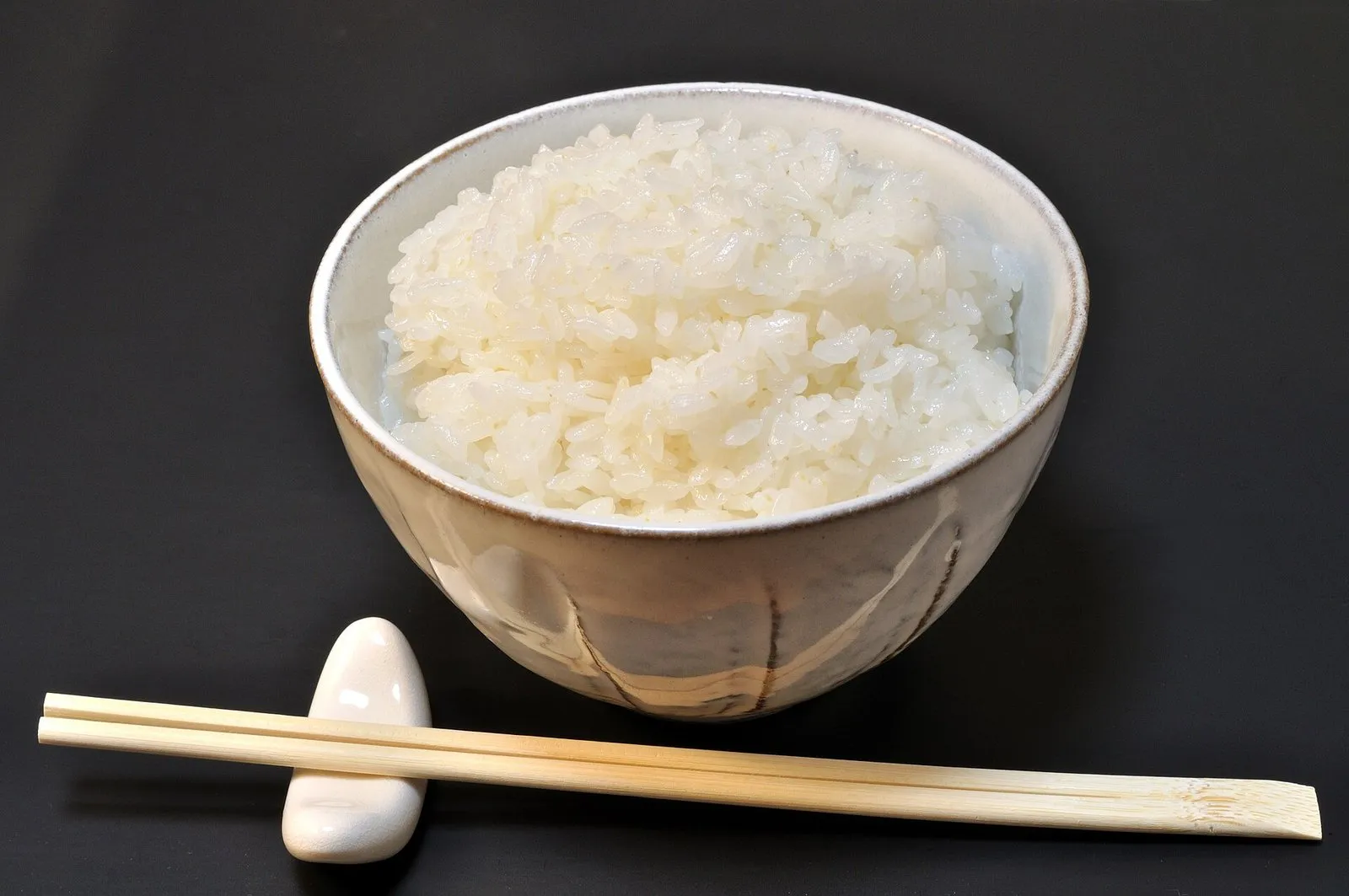 ライスraisu 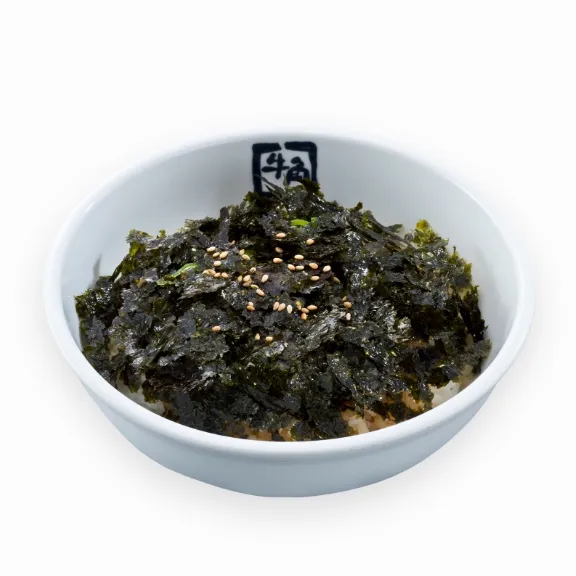 店内表記カルビ専用ごはんkarubi sen'yō gohanカルビに合わせたごはん。まかない(従業員の食事)から生まれた。小・中・大专配牛五花的米饭,源自员工餐;有小、中、大Rice made to go with karubi, born from a staff meal; small, medium or large 店内表記ライスraisuご飯。小盛もある米饭,有小份Plain rice; small size available 店内表記ごはんgohan白ごはん。小・中・特盛白米饭,小、中、特大Plain rice; small, medium or extra-large | 白いご飯 白米饭 Plain rice | 器に盛った白飯。焼肉店では肉とは別に単品で頼む 盛在碗里的白米饭,在烤肉店要另外单点 A bowl of plain white rice, ordered separately from the meat | 英語の rice から。日本語の「ライス」は米・米飯のことで、特に西洋料理に添える米飯をいい、1877年の『米欧回覧実記』に用例がある(日本国語大辞典)。焼肉チェーンには「ごはん」と書く店もあり、牛角は「ごはん」「カルビ専用ごはん」、焼肉きんぐは「ごはん」を小・中・特盛の3サイズで出している。 来自英语 rice。日语的「ライス」指米或米饭,尤其指配西餐的米饭,1877年的《米欧回览实记》中已有用例(《日本国语大辞典》)。也有烤肉连锁店在菜单上写「ごはん」:牛角写「ごはん」和「カルビ専用ごはん」(配五花肉专用饭),焼肉きんぐ的「ごはん」分小、中、特大三种份量。 From English “rice”: in Japanese, raisu means rice or cooked rice, especially rice served with Western-style dishes, and is attested as early as 1877 in the Bei-Ō Kairan Jikki (Nihon Kokugo Daijiten). Some yakiniku chains write gohan instead: Gyū-Kaku lists gohan and a karubi-senyō gohan (rice meant for karubi), and Yakiniku King serves gohan in small, medium and extra-large. |
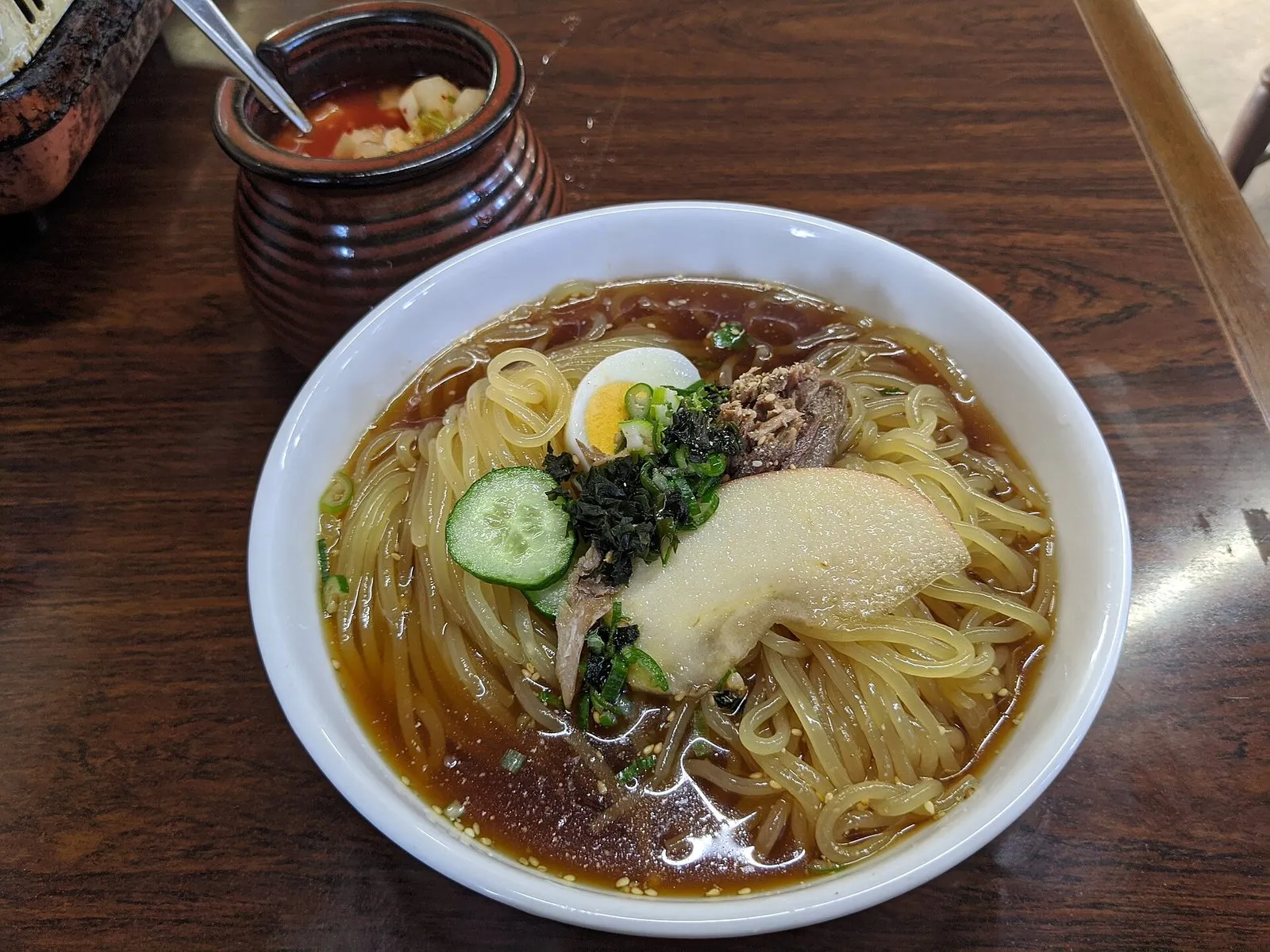 冷麺reimen 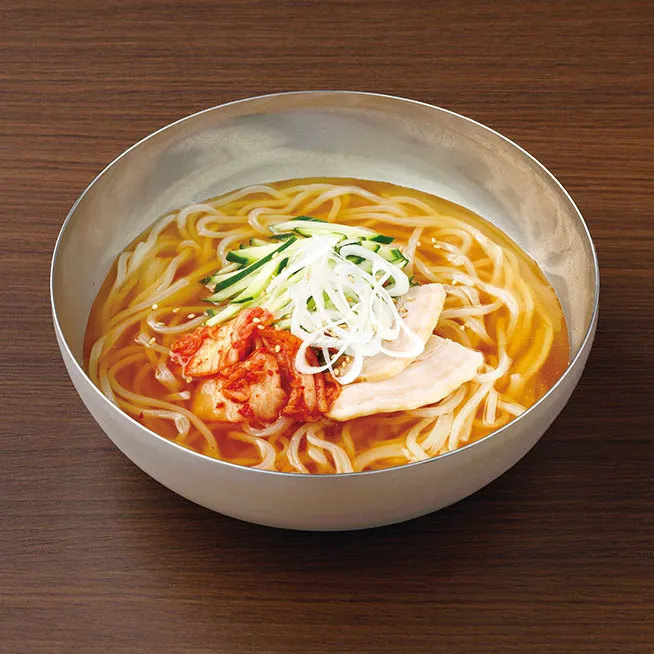 店内表記牛角冷麺gyūkaku reimen店名を冠した冷麺。ハーフもある冠以店名的冷面,有半份The house cold noodles; half size available 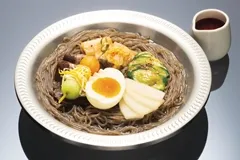 店内表記銀盤冷麺ginban reimen冷麺。麺はそば粉麺か小麦粉麺を選ぶ。小盛もある冷面,面条可选荞麦面或小麦面,有小份Cold noodles; choose buckwheat or wheat noodles; small size available 店内表記ひとくち冷麺hitokuchi reimen少量の冷麺(「ひとくち」は一口の意)小份冷面(「ひとくち」意为一口)A small "one-bite" portion of cold noodles | 冷たいスープの麺料理 冷面 Cold noodles (naengmyeon) | 朝鮮半島の冷麺に由来する、コシの強い麺を冷たいスープで食べる料理 源自朝鲜半岛冷面,筋道的面条配冰凉的汤 Korean-style chewy noodles served in a chilled broth | 朝鮮半島の冷麺はそば粉とでんぷんの生地を型から押し出してゆでる麺で、もとは12月の時食としてオンドルの部屋で涼を味わう冬の料理だった(平壌の水冷麺、咸興のビビン冷麺が有名)。盛岡冷麺は1954年創業の盛岡の焼肉店「食道園」が発祥とされ、そば粉を使わず小麦粉と馬鈴薯でんぷんで麺を作り、わんこそば・じゃじゃ麺と並ぶ盛岡三大麺に数えられる。食道園では辛さを特辛・辛口・普通・別辛の4段階から選ぶ。なお関西では「冷麺」が冷やし中華を指すことがある。 朝鲜半岛的冷面是把荞麦粉加淀粉的面团从模具中压出、再煮熟的面,原本是十二月在暖炕(温突)屋里吃来感受凉意的冬季时令食物(平壤水冷面、咸兴拌冷面最有名)。盛冈冷面据说发源于1954年开业的盛冈烤肉店「食道園」,面条不用荞麦粉,而用小麦粉和马铃薯淀粉制成,与碗子荞麦面、炸酱面并称“盛冈三大面”。食道園的辣度分特辣、辣、普通、辣料另上(「別辛」)四档。另外在关西,「冷麺」有时指中式凉面(冷やし中華)。 Korean naengmyeon uses noodles pressed from a buckwheat-and-starch dough through a mould and boiled; it began as a December seasonal dish, eaten for its chill in ondol-heated rooms (Pyongyang’s brothy and Hamhung’s spicy mixed versions are the classics). Morioka reimen traces to Shokudōen, a yakiniku restaurant founded in Morioka in 1954; its noodles use wheat flour and potato starch instead of buckwheat, and it counts among Morioka’s “three great noodles” with wanko soba and jajamen. Shokudōen lets you choose the heat: extra hot, hot, regular, or betsukara (spice served on the side). In Kansai, reimen can also mean hiyashi chūka, Chinese-style chilled ramen. |
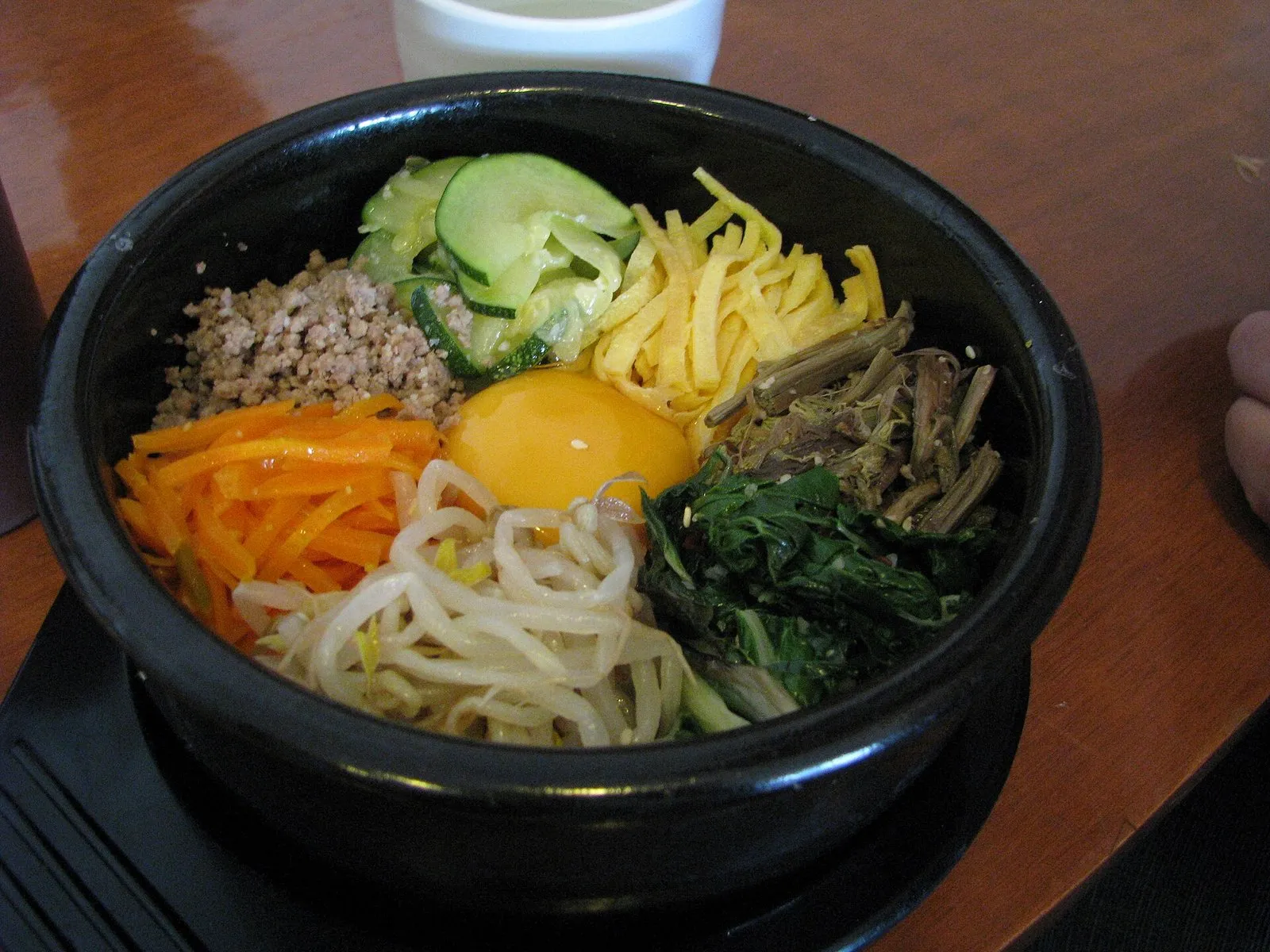 ビビンバbibinba 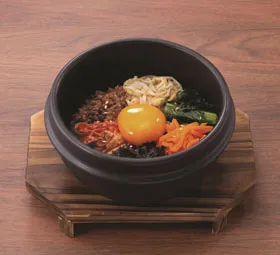 店内表記石焼ビビンバishiyaki bibinba石鍋で出すビビンバ。ハーフもある石锅拌饭,有半份Bibimbap in a stone pot; half size available 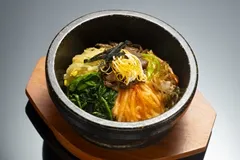 店内表記石焼ビビンバishiyaki bibinba石鍋のビビンバ。スープ付きで、小盛もある石锅拌饭,附汤,有小份Stone-pot bibimbap with soup; small size available 店内表記石焼ビビンバishiyaki bibinba石鍋のビビンバ。石鍋でない「ビビンバ」もある石锅拌饭;也有非石锅的「拌饭」Stone-pot bibimbap; a plain bibimbap is also listed | 混ぜご飯(朝鮮料理) 拌饭 Bibimbap (mixed rice) | ご飯にナムル・焼き肉・卵などをのせ、コチュジャンを加えてよく混ぜて食べる料理 米饭上铺凉拌菜、烤肉、鸡蛋等,加辣椒酱拌匀再吃 Rice topped with namul, grilled meat and egg, mixed with gochujang before eating | 朝鮮語 비빔밥(ピビムパプ)の「ピビム」は「混ぜる」、「パプ」は「飯」の意で、日本語ではビビンバのほかピビンパとも書く。ご飯の上に焼き肉や数種のナムル、薄焼き卵の細切りなどをのせ、コチュジャンを好みの量加えてよく混ぜてから食べる(日本食肉消費総合センター)。石焼きビビンバは熱した石の器で出し、卵黄をのせることが多く、器の熱で少し焦げたご飯の風味を楽しむ。韓国の標準国語大辞典は類義語として「골동반(骨董飯)」を挙げている。 韩语 비빔밥 中,“비빔”是“拌”,“밥”是“饭”;日语写作ビビンバ,也写作ピビンパ。在米饭上放烤肉、几种凉拌菜(ナムル)和蛋丝等,按口味加辣椒酱(コチュジャン)拌匀后食用(日本食肉消费综合中心)。石锅拌饭(石焼きビビンバ)用烧热的石碗盛装,常放一个蛋黄,享受碗壁把米饭烤出的焦香。韩国《标准国语大辞典》把「골동반(骨董饭)」列为它的同义词。 In Korean bibimbap, bibim means “mixing” and bap “rice”; Japanese writes it bibinba or pibinpa. Rice is topped with grilled meat, several kinds of namul and strips of thin omelette, then mixed well with gochujang to taste (Japan Meat Information Service Center). Ishiyaki bibinba comes in a heated stone bowl, often crowned with an egg yolk, and is prized for the rice the hot bowl scorches. Korea’s Standard Korean Language Dictionary gives goldongban (骨董飯) as a synonym. |
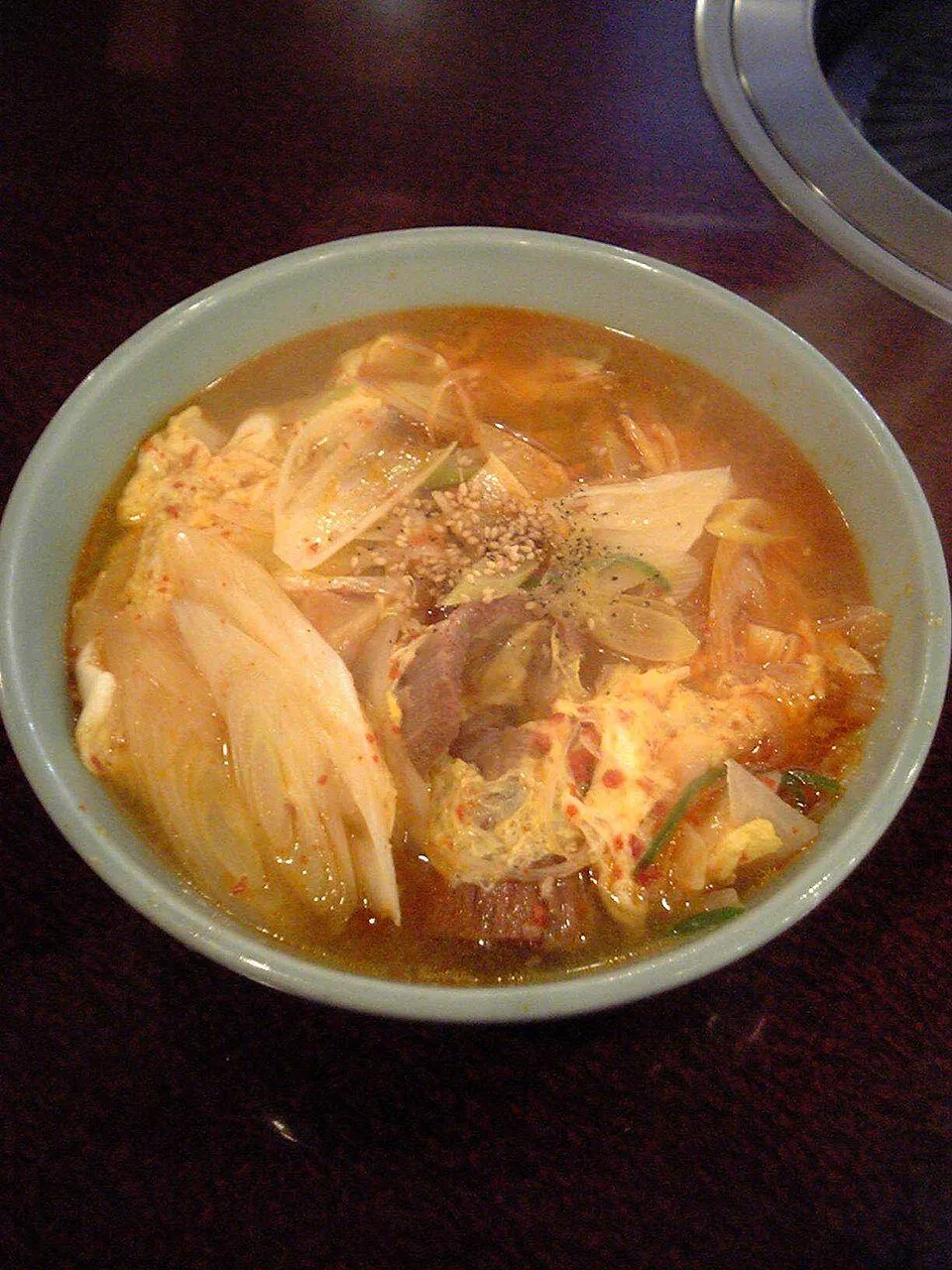 クッパkuppa 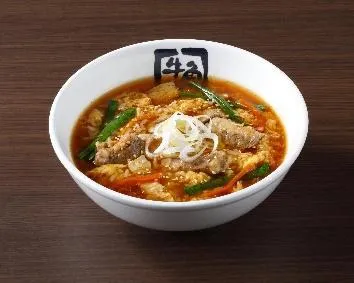 店内表記旨味たっぷりカルビクッパumami tappuri karubi kuppaカルビスープにごはんを入れたクッパ牛五花汤泡饭Rice in karubi soup 店内表記カルビクッパkarubi kuppaカルビのクッパ。野菜・ユッケジャン(辛口)・コムタンのクッパもある牛五花汤泡饭;也有蔬菜、辣牛肉汤(辣)、牛骨汤口味Karubi rice soup; vegetable, spicy yukgaejang and gomtang (beef-bone) versions are also listed 店内表記玉子クッパtamago kuppa卵入りのクッパ。旨辛カルビクッパもある鸡蛋汤泡饭;也有香辣五花汤泡饭Egg rice soup; a spicy karubi version is also listed | スープご飯(朝鮮料理) 汤饭 Gukbap (rice in soup) | 肉や野菜を煮込んだ熱いスープにご飯を入れた料理 把米饭泡进炖了肉和蔬菜的热汤里 Rice served in a hot soup of meat and vegetables | 朝鮮語 국밥(クッパプ)で、「クッ」は汁物、「パプ」はご飯の意。韓国の標準国語大辞典は「煮たスープにご飯を入れたもの、またはスープにご飯を入れてから煮たもの」と定義している。焼肉チェーンでは「たまごクッパ」「カルビクッパ」(牛角)、「玉子クッパ」「旨辛カルビクッパ」(焼肉きんぐ)のように具の名を冠して出す。 韩语 국밥,“국”是汤,“밥”是饭。韩国《标准国语大辞典》的定义是“把饭放进煮好的汤里,或者先把饭放进汤里再煮”的食物。在烤肉连锁店,名字前常冠以配料,如牛角的「たまごクッパ」(鸡蛋汤饭)、「カルビクッパ」(牛五花汤饭),焼肉きんぐ的「旨辛カルビクッパ」(香辣牛五花汤饭)。 Korean gukbap: guk means “soup” and bap “rice”. The Standard Korean Language Dictionary defines it as rice put into hot soup, or rice simmered in the soup. Yakiniku chains name it after what goes in—Gyū-Kaku’s tamago kuppa (egg) and karubi kuppa, Yakiniku King’s spicy umakara karubi kuppa. |
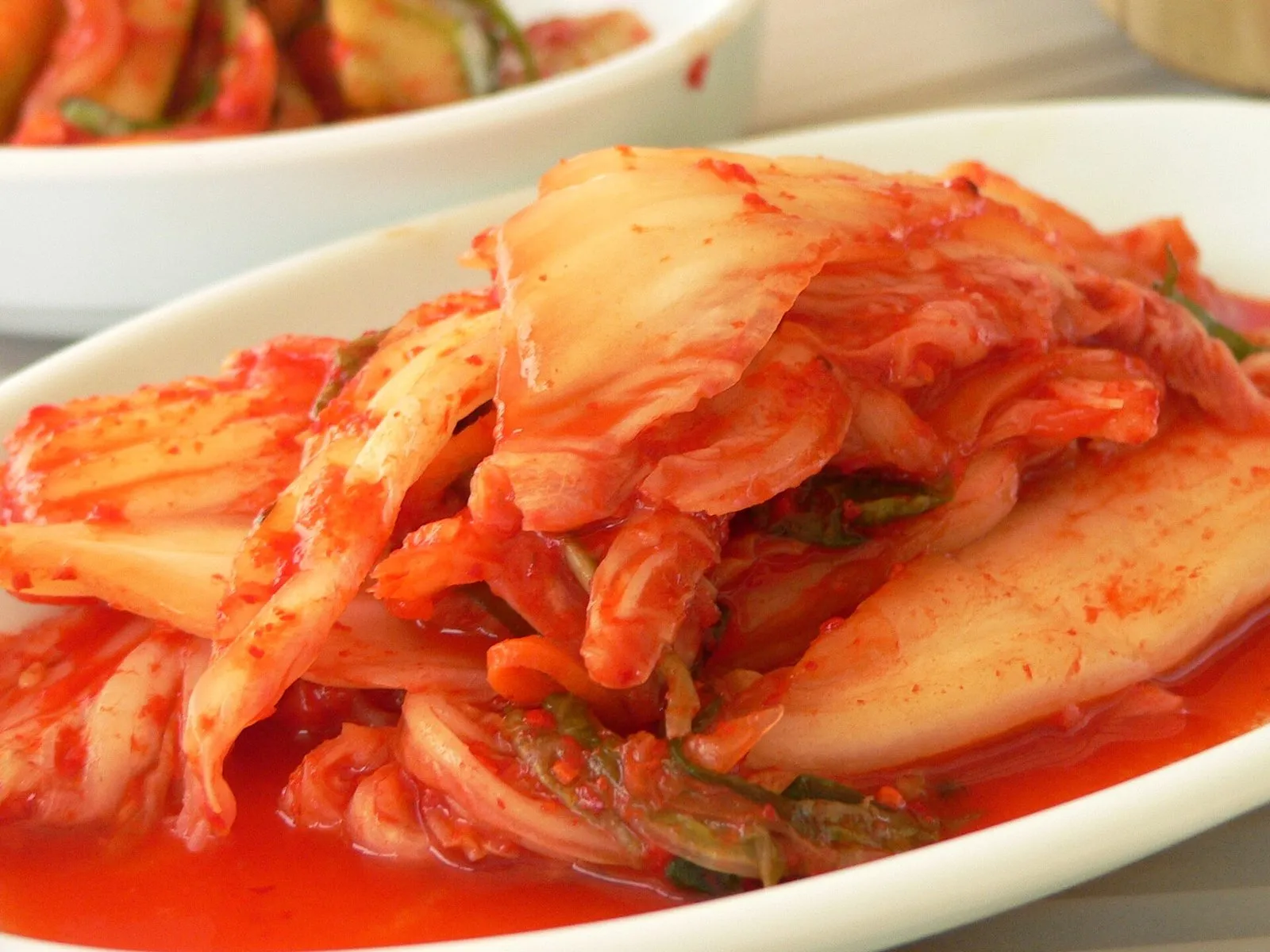 キムチkimuchi 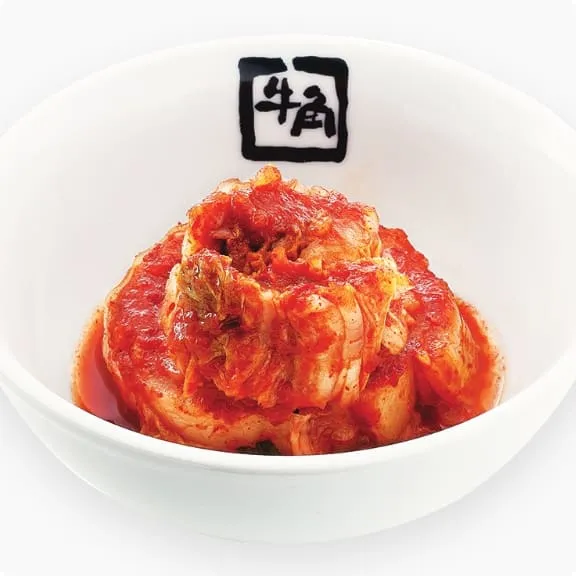 店内表記牛角キムチgyūkaku kimuchi白菜のキムチ。大盛もある白菜泡菜,有大份Napa-cabbage kimchi; large size available 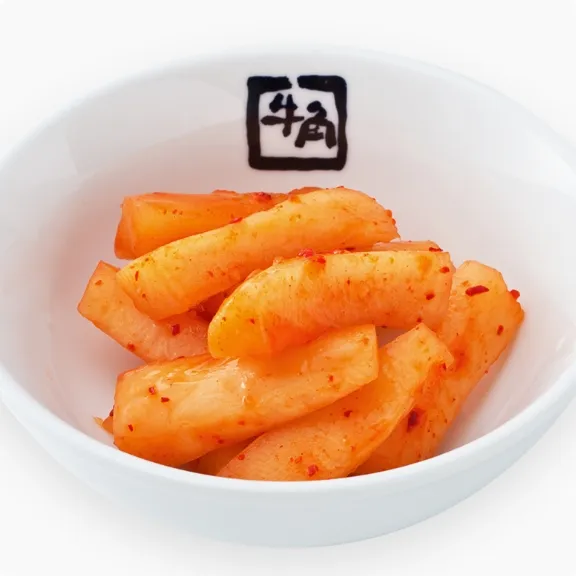 店内表記カクテキkakuteki角切り大根のキムチ。大盛もある萝卜块泡菜,有大份Cubed daikon kimchi; large size available 店内表記キムチkimuchi白菜のキムチ。漬物は叙々苑フードファクトリーでほぼ手作業で作るという白菜泡菜;据叙々苑说,泡菜等腌菜在自家食品工厂几乎全靠手工制作Napa-cabbage kimchi; Jojoen says its pickles are made almost entirely by hand at its own food factory  店内表記キムチ盛合せkimuchi moriawaseキムチの盛合せ(小・中・大)。「盛り合わせ」を「盛合せ」と書く泡菜拼盘(小、中、大);把「盛り合わせ」写成「盛合せ」Assorted kimchi (S/M/L); written 盛合せ, a shortened spelling of 盛り合わせ 店内表記キムチ盛合せkimuchi moriawaseキムチの盛合せ。白菜・大根・きゅうりのキムチは単品でもある泡菜拼盘;白菜、萝卜、黄瓜泡菜也可单点Assorted kimchi; napa, radish and cucumber kimchi are also sold separately | 朝鮮半島の漬物 韩式泡菜 Kimchi | 塩漬けした白菜・大根・きゅうりなどを、唐辛子・にんにく・塩辛などの薬味で漬け込んだ発酵漬物 把盐渍过的白菜、萝卜、黄瓜等,用辣椒、大蒜、鱼虾酱等调料腌制发酵而成 Salted cabbage, radish, cucumber and the like, fermented with chilli, garlic and salted seafood | 朝鮮半島の漬物の総称で数十種あり、白菜のペチュキムチ、大根を角切りにしたカクテキ(깍두기)、きゅうりのオイキムチなどがある。唐辛子が使われるようになったのは17世紀後半からで、それ以前は山椒・生姜・にんにくを使う、主に塩味だけのものだった。漬けるときに重石はせず、日本の漬物のように洗って絞ることもしない。初冬に越冬用のキムチを一斉に漬ける「キムジャン」は、2013年にユネスコ無形文化遺産に登録された。 是朝鲜半岛腌菜的总称,有几十种,如白菜做的「ペチュキムチ」、萝卜切块的「カクテキ」(깍두기)、黄瓜做的「オイキムチ」。17世纪后半叶才开始用辣椒,此前用山椒、生姜、大蒜,基本只有咸味。腌制时不压石头,也不像日本咸菜那样洗净拧干。初冬家家集中腌制过冬泡菜的「김장」(越冬泡菜),2013年列入联合国教科文组织人类非物质文化遗产代表作名录。 The umbrella term for Korean pickles, with dozens of kinds: baechu kimchi (napa cabbage), kakuteki (kkakdugi, cubed radish) and oi kimchi (cucumber) among them. Chilli only came into use in the late 17th century; before that kimchi was a mainly salty pickle flavoured with sansho, ginger and garlic. No weight is pressed on it, and unlike Japanese pickles it is not rinsed and wrung out. Kimjang, the communal early-winter making of kimchi for the cold months, was inscribed on UNESCO’s Intangible Cultural Heritage list in 2013. |
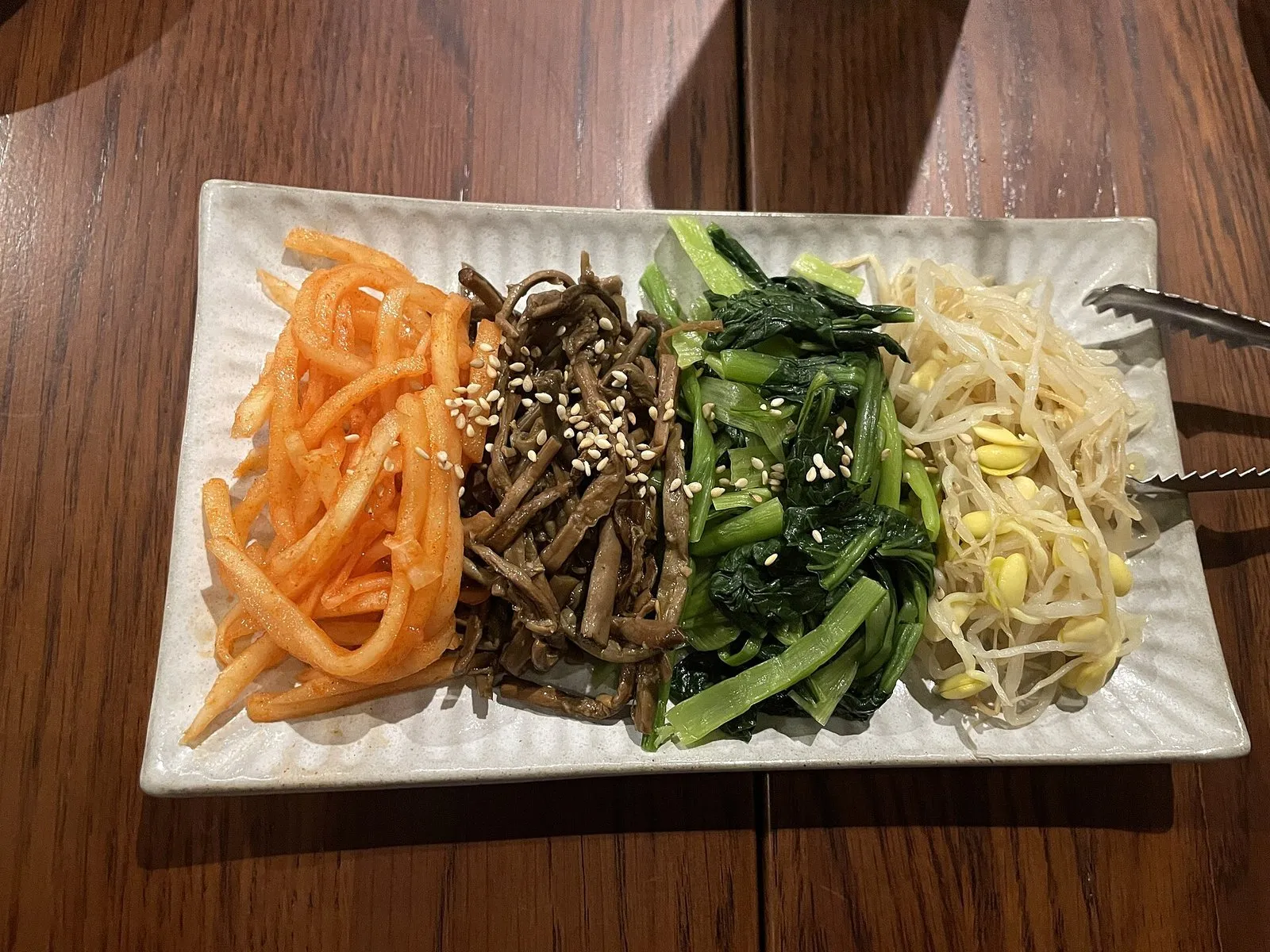 ナムルnamuru 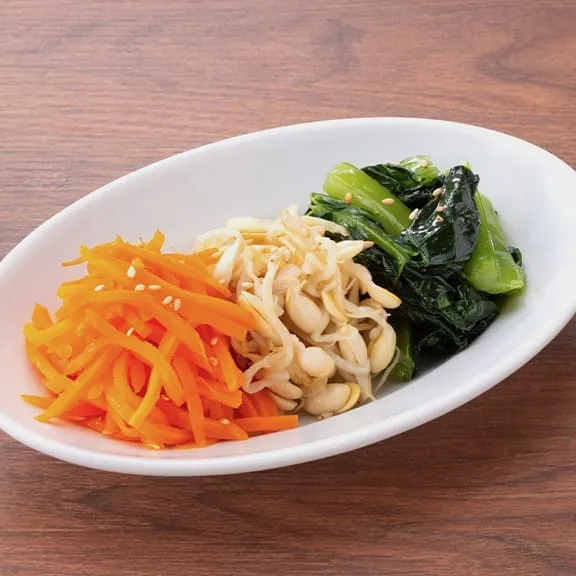 店内表記ナムルの3種盛り合わせnamuru no sanshu moriawaseナムル3種の盛り合わせ。大盛もある三种拌菜拼盘,有大份Three kinds of namul on one plate; large size available 店内表記ナムルnamuru一品料理のナムル韩式凉拌菜(单品)Namul, listed as a side dish 店内表記ナムル盛りnamuru moriナムルの盛り合わせ拌菜拼盘Assorted namul | 野菜の和え物(朝鮮料理) 韩式凉拌菜 Namul (seasoned vegetables) | もやし・ほうれん草・ぜんまいなどをゆでるなどして、ごま油・醤油・にんにくなどで和えたもの 豆芽、菠菜、蕨菜等焯水后,用香油、酱油、蒜等拌成 Bean sprouts, spinach, bracken and the like, blanched and dressed with sesame oil, soy sauce and garlic | 朝鮮語 나물 は、食べられる草や葉そのものと、それをゆでる・炒める・生のまま味付けして和えた料理の両方を指す。生野菜を和えた「生菜(センチェ)」と、湯通ししてから和えた「熟菜(スクチェ)」がある。ほうれん草・大豆もやし・ぜんまいの3種を盛り合わせることが多く、ビビンバの具にもなる。韓国の標準国語大辞典の用例には「正月の大満月(旧暦1月15日)には五穀飯と9種類のナムルを食べる」とある。 韩语 나물 既指可食用的野菜、树叶本身,也指把它们焯、炒或生着调味拌成的菜。分生拌的「生菜」(センチェ)和焯水后再拌的「熟菜」(スクチェ)。常见菠菜、黄豆芽、蕨菜三样拼在一起,也是拌饭的配料。韩国《标准国语大辞典》的例句说:“正月十五(大满月)吃五谷饭和九种拌菜。” Korean namul means both edible greens themselves and the dish made by boiling, stir-frying or simply seasoning them. There are saengchae, dressed raw, and sukchae, blanched first. A trio of spinach, soybean sprouts and bracken is the usual assortment, and namul also tops bibimbap. An example sentence in the Standard Korean Language Dictionary reads: “On the first full moon of the lunar year we eat five-grain rice and nine kinds of namul.” |
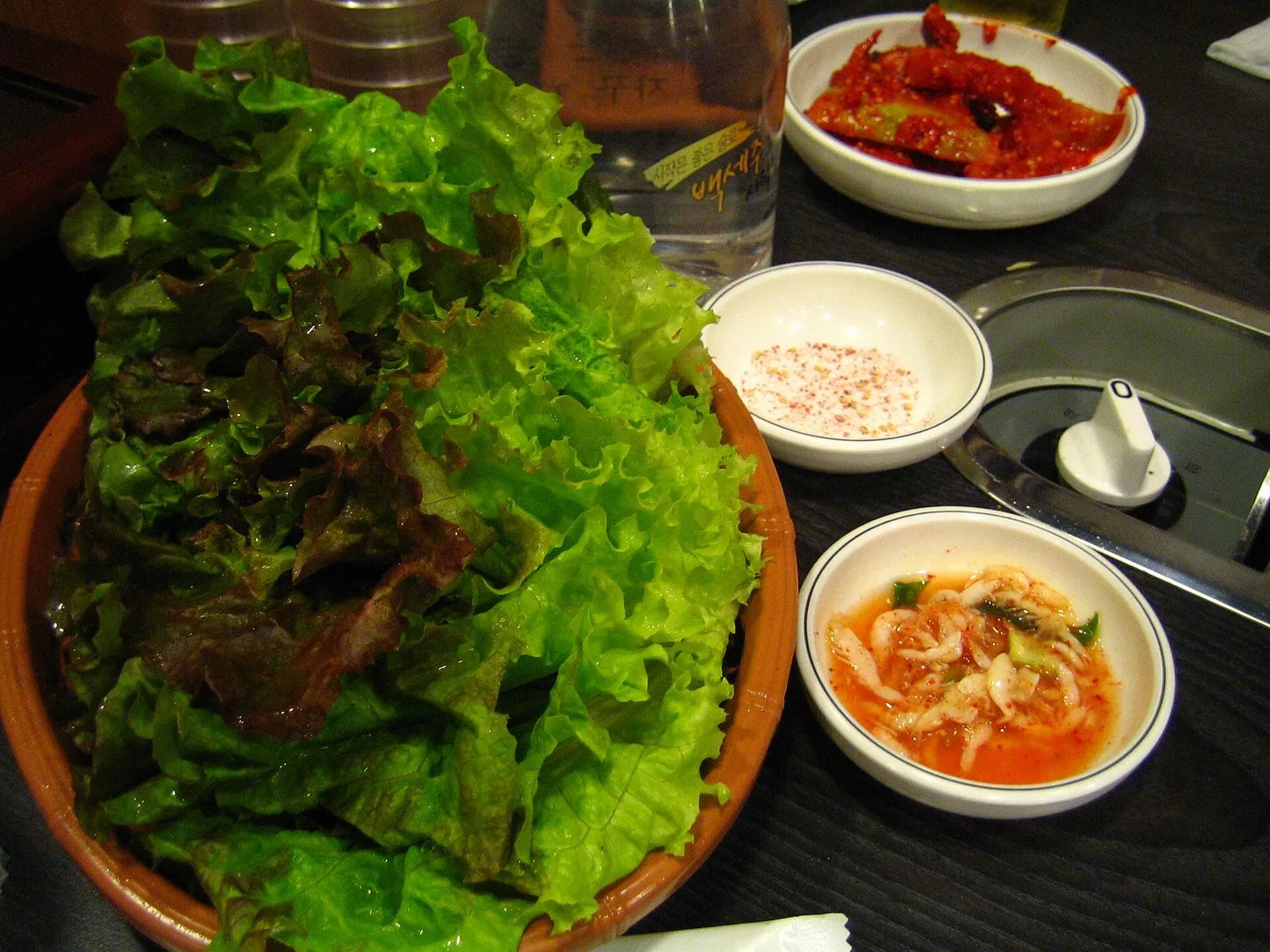 サンチュsanchu 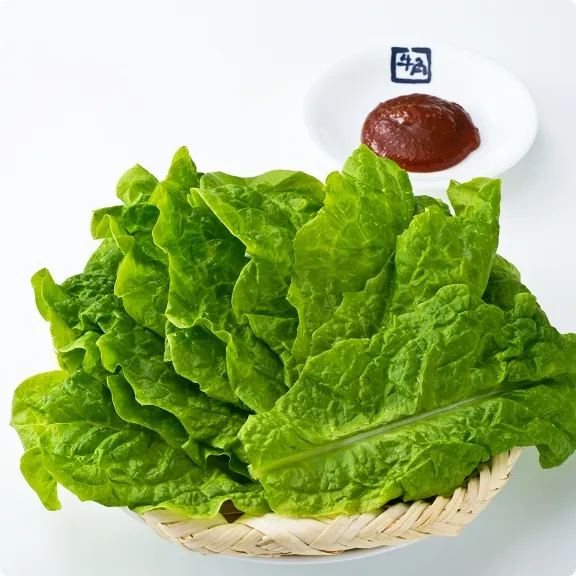 店内表記サンチュ10枚sanchu jūmai肉を包む葉10枚。5枚もある包肉用的生菜10片,也有5片装Ten leaves for wrapping meat; a five-leaf order also exists 店内表記サンチュsanchu肉を包む葉。サンチュ・ネギごま和え・ニンニクチップの「おともセット」もある包肉用生菜;也有生菜、芝麻拌葱、蒜片组成的「搭配套餐」Leaves for wrapping meat; the "otomo set" adds sesame leek and garlic chips 店内表記サンチュsanchu肉を包む葉。1皿3枚包肉用生菜,每份3片Leaves for wrapping meat, three per order | 焼肉を包む葉野菜 包肉用的生菜 Leaf lettuce for wraps | 結球しないチシャ(レタスの仲間)の栽培品種。葉で焼肉などを包んで食べる 不结球的莴苣(生菜类)品种,用叶子包着烤肉吃 A non-heading lettuce variety whose leaves are used to wrap grilled meat | 朝鮮語 상추(サンチュ)はチシャ(レタス)のことで、焼肉などを包んで食べることから日本では「包み菜」ともいう。下葉から順に掻き取って収穫する「掻きちしゃ(チマサンチュ)」の類で、日本にも古くからあった。熱い肉を包んでも葉がしんなりしにくく味の相性もよいため、焼肉ブームとともに人気が出た(日本食肉消費総合センター)。朝鮮語でご飯や肉を葉で包んで食べる料理を「サム(쌈)」といい、一緒に包む甘辛い合わせ味噌を「サムジャン」と呼ぶ。 韩语 상추 就是莴苣(生菜);因为用来包烤肉吃,日本也叫「包み菜」(包菜叶)。属于从下部叶片开始逐片掰取收获的「掻きちしゃ」(チマサンチュ)一类,日本很早就有。包热肉叶子也不容易蔫,和烤肉味道也相配,随着烤肉热潮流行起来(日本食肉消费综合中心)。韩语把用菜叶包饭、包肉吃叫「쌈」(ssam),一起包进去的甜辣拌酱叫「쌈장」(サムジャン)。 Korean sangchu means lettuce; because it is used to wrap yakiniku, Japanese also calls it tsutsumi-na (“wrapping greens”). It is a leaf-picking kaki-chisha (chima sangchu), harvested a leaf at a time from the bottom, and has long existed in Japan too. Its leaves stay crisp around hot meat and suit its flavour, so it caught on with the yakiniku boom (Japan Meat Information Service Center). Wrapping rice or meat in leaves is ssam in Korean, and the sweet-spicy paste tucked in with it is ssamjang. |
用語菜单用语Menu words
品書きでは「上タン塩」=「上(等級)+タン(部位)+塩(味付け)」のように語を組み合わせ、注文では「2人前」のように量を添える。菜单上的菜名由几个词拼成,例如「上タン塩」=「上」(档次)+「タン」(部位)+「塩」(调味);点菜时再加上份量,如「2人前」。Menu items are built from parts: jō-tan-shio = jō (grade) + tan (cut) + shio (seasoning); when ordering you add the quantity, e.g. ni-ninmae (two servings).
| ことば词Word | 意味意思Meaning | 部位・正体部位What & where | 解説说明Notes |
|---|---|---|---|
名物タン塩焼tanshio-yaki牛タンの塩焼。初めは塩・コショウだけで、客の要望でレモンだれで食べる形になったと同社は説明盐烤牛舌;据叙々苑说,起初只撒盐和胡椒,后来应客人要求改成蘸柠檬汁吃Salt-grilled tongue; Jojoen says it was first served with just salt and pepper, and lemon sauce came at a customer's request 店内表記牛角タン塩gyūkaku tanshio牛タンの塩味。無料のトッピング「魔法のつけ塩」もある盐味牛舌,另有免费配料「魔法蘸盐」Salted beef tongue; a free topping, "magic dipping salt", is also offered 店内表記上タン塩jō tanshio牛角タン塩より一段上のランクの牛タン(塩味)比「牛角盐味牛舌」高一档的牛舌(盐味)Salted beef tongue one grade above the house tanshio 店内表記とんタン塩tontan shio「とん」は豚。豚タンの塩味で、形を整える加工をしている(公式表記)「とん」指猪,即盐味猪舌;官方注明经过整形加工"Ton" means pork: salted pork tongue, officially noted as reshaped 店内表記ねぎ塩豚カルビnegishio buta karubi刻みねぎをのせて焼く、塩味の豚カルビ铺上葱花烤的盐味猪五花Salt-seasoned pork karubi grilled under chopped leek 店内表記上ネギタン塩焼jō negi tanshio-yakiネギをのせた上ランクのタン塩焼铺葱的上等盐烤牛舌Premium salt-grilled tongue topped with leek 店内表記上タン厚切塩焼jō tan atsugiri shioyaki上タンの厚切り塩焼。「厚切り」の「り」を省いて「厚切」と書く厚切上等盐烤牛舌;菜单把「厚切り」写成「厚切」,省掉了「り」Thick-cut premium salted tongue; the menu writes 厚切, dropping the り of 厚切り 店内表記特選タン塩焼tokusen tanshio-yakiタン塩焼の最上ランク。叙々苑は「特上」ではなく「特選」と書く盐烤牛舌的最高档;叙々苑写「特选」而不写「特上」Top-grade salted tongue; Jojoen writes tokusen where others write tokujō 店内表記きんぐ塩タン【ポーク】kingu shiotan pōku【ポーク】=豚のタン。やわらか加工・形を整える加工あり(公式表記)标【ポーク】即猪舌;官方注明经过嫩化和整形加工【ポーク】 marks pork tongue; officially tenderized and reshaped | 塩味 盐味 Salt (seasoning) | タレではなく塩で味付けして焼く肉。「タン塩」のように部位名の後に付ける 不用酱汁、用盐调味再烤的肉,接在部位名后,如「タン塩」 Meat seasoned with salt instead of sauce; follows the cut name, as in tan-shio | 焼肉は焼いてからタレや塩をつけて食べるほか、あらかじめ下味をつけてから焼くこともある(日本食肉消費総合センター)。牛タンは焼肉店では「タン塩」として食べることが多い(同)。1948年に最初の専門店が生まれた仙台名物の牛たん焼きでは、塩味にこだわる老舗のほか味噌や醤油味の店もあり、味付けは店ごとに異なる。 烤肉既可以烤好后蘸酱汁或盐吃,也可以先调好底味再烤(日本食肉消费综合中心)。牛舌在烤肉店多以「タン塩」(盐烤牛舌)的形式来吃(同上)。仙台名产烤牛舌的第一家专卖店诞生于1948年,当地既有坚持盐味的老店,也有味噌味、酱油味的店,调味因店而异。 Yakiniku may be dipped in sauce or salt after grilling, or seasoned before it goes on the grill (Japan Meat Information Service Center). At yakiniku restaurants beef tongue is most often eaten as tan-shio, salted tongue (same source). In Sendai, whose grilled-tongue specialty dates from the first dedicated restaurant in 1948, old shops that stick to salt sit alongside ones seasoning with miso or soy sauce. |
名物韓式ヤンニョムだれ 壺漬け一本シマチョウkanshiki yannyomu-dare tsubozuke ippon shimachō甘辛いヤンニョムだれ(韓国式の合わせだれ)に漬け込んだシマチョウ(牛の大腸)用甜辣的韩式调味酱(yangnyeom)腌渍的牛大肠Beef large intestine (shimachō) marinated in sweet-spicy Korean yangnyeom sauce 店内表記牛角上ハラミgyūkaku jō harami「30日間熟成」と表示された上ハラミ。タレか塩ダレ标注「熟成30天」的上等横膈膜肉,配酱汁或盐味酱Premium harami labelled "aged 30 days"; tare or salt sauce 店内表記豚カルビbuta karubi豚のバラ肉。タレ・塩ダレ・味噌ダレから選ぶ猪五花,可选酱汁、盐味酱或味噌酱Pork belly, with tare, salt sauce or miso sauce 店内表記焼肉のたれyakiniku no tare持ち帰り用に売る市販のたれ。同社は焼肉のたれの基本を「すき焼きの割り下にゴマ油を加えたもの」と説明外带零售的瓶装烤肉酱;叙々苑称烤肉酱的基本是「寿喜烧酱汁加芝麻油」Bottled sauce sold to take home; Jojoen describes basic yakiniku tare as sukiyaki sauce plus sesame oil | 焼肉のたれ 烤肉酱汁 Sauce (tare) | 醤油をベースにした液状の合わせ調味料。焼いた肉につける、または肉を漬け込んでから焼く 以酱油为底的液体复合调味料,用来蘸烤好的肉,或先把肉腌在里面再烤 A soy-based liquid seasoning, used as a dip for grilled meat or as a marinade before grilling | 漢字では「垂れ」と書き、もとは味噌の垂れ汁(たれじる)から始まった言葉で、醤油・みりんなどを合わせて煮つめた調味液をいう(日本大百科全書)。焼肉では焼いた肉につけるほか、肉をタレに漬け込んでから焼く食べ方もある。家庭用の「焼肉のたれ」は1968年にエバラ食品が発売し、醤油ベースなので、他社が使っていた「ソース」ではなく「たれ」と名付けたという。 汉字写作「垂れ」,原本出自味噌滴下的汁液(垂れ汁),指酱油、味醂等调和熬制的调味汁(《日本大百科全书》)。吃烤肉时可以烤好后蘸,也可以先把肉腌在酱汁里再烤。家用「焼肉のたれ」由荏原食品(エバラ食品)于1968年推出;因为是酱油底,没有沿用别家用的“沙司”(ソース)一词,而取名为「たれ」。 Written 垂れ (“drippings”), the word began with the liquid that drips from miso, and means a seasoning of soy sauce, mirin and the like simmered together (Nipponica encyclopedia). At yakiniku it is either a dip for grilled meat or a marinade the meat soaks in before grilling. Ebara Foods launched bottled yakiniku no tare for the home in 1968 and, because it was soy-based, called it tare rather than the “sauce” (sōsu) other makers used. |
名物牛角上カルビgyūkaku jō karubi店名を冠した上カルビ。メニューに「オススメ」の印がある冠以店名的上等牛五花,菜单上标有「推荐」Premium karubi named after the chain, marked "recommended" on the menu 名物上カルビ焼jō karubi-yaki叙々苑が発祥とする上カルビ。「良い部分だけを選び脂を切ったカルビを」という客の注文から独立したメニューになったという叙々苑称「上五花」源于本店:起于客人要「只挑好的部位并去掉脂肪」的五花,后来成为独立菜品Jojoen says jō karubi began here: a request for only the best parts with the fat trimmed became its own menu item 名物大判すだれ上カルビōban sudare jō karubiすだれ状に切り込みを入れた大判の上カルビ。旨辛だれ划成竹帘状刀口的大片上等五花,配香辣酱A big premium karubi slice scored like a bamboo blind, in savory-spicy sauce 店内表記上タン塩jō tanshio牛角タン塩より一段上のランクの牛タン(塩味)比「牛角盐味牛舌」高一档的牛舌(盐味)Salted beef tongue one grade above the house tanshio 店内表記牛角上ハラミgyūkaku jō harami「30日間熟成」と表示された上ハラミ。タレか塩ダレ标注「熟成30天」的上等横膈膜肉,配酱汁或盐味酱Premium harami labelled "aged 30 days"; tare or salt sauce 店内表記黒毛和牛上赤身くらしたkuroge wagyū jō akami kurashita「くらした(鞍下)」は肩ロースの関西での別名。黒毛和牛の赤身「鞍下(kurashita)」是肩里脊在关西的别名;黑毛和牛的瘦肉Kurashita ("under the saddle") is the Kansai name for chuck roll; lean Japanese Black wagyu 店内表記上ネギタン塩焼jō negi tanshio-yakiネギをのせた上ランクのタン塩焼铺葱的上等盐烤牛舌Premium salt-grilled tongue topped with leek 店内表記上タン厚切塩焼jō tan atsugiri shioyaki上タンの厚切り塩焼。「厚切り」の「り」を省いて「厚切」と書く厚切上等盐烤牛舌;菜单把「厚切り」写成「厚切」,省掉了「り」Thick-cut premium salted tongue; the menu writes 厚切, dropping the り of 厚切り 店内表記上ロース焼jō rōsu-yaki上ランクのロース上等里脊Premium loin 店内表記上ヒレ焼jō hire-yaki上ランクのヒレ。並の「ヒレ焼」もある上等菲力;也有普通档「菲力烧」Premium fillet; a standard fillet is also listed 店内表記上ミノ焼jō mino-yaki牛の第一胃(ミノ)の上ランク。ネギをのせた辛口塩味もある上等牛瘤胃(第一胃);也有铺葱的辣味盐味版Premium rumen (first stomach); a leek-topped spicy salt version is also listed 店内表記上ホルモン焼jō horumon-yaki上ランクのホルモン。ネギをのせた辛口塩味もある上等内脏;也有铺葱的辣味盐味版Premium offal; a leek-topped spicy salt version is also listed 店内表記上レバー焼jō rebā-yaki上ランクのレバー。ごま塩だれを添えた厚切りの塩焼もある上等肝;也有配芝麻盐酱的厚切盐烤版Premium liver; a thick-cut salt-grilled version with sesame-salt sauce is also listed 店内表記黒毛和牛上カルビkuroge wagyū jō karubi黒毛和牛の上カルビ。食べ放題ではプレミアムコース限定。タレ・塩・わさび醤油黑毛和牛上等五花,吃到饱中仅限高级套餐;酱汁、盐或山葵酱油Japanese Black wagyu premium karubi, among the courses only in Premium; tare, salt or wasabi soy 店内表記黒毛牛ドでか!上ロースkurogegyū dodeka jō rōsu大きく切った上ロース。部位は「かた」または「かたロース」(公式表記)切得很大的上等里脊;部位是「肩」或「肩里脊」(官方注明)An oversized premium rōsu slice; the chain says it is shoulder or chuck roll | 普通より上等 上等(比普通的好) Premium (a cut above standard) | 品書きで部位名の前に付ける等級。「上カルビ」「上タン塩」など 菜单上放在部位名前的档次标记,如「上カルビ」「上タン塩」 A grade prefix before the cut on menus: jō-karubi, jō-tan-shio | 「うえ」ではなく「じょう」と読み、普通のものより価値・程度が優れていることを表す語で、世阿弥『風姿花伝』の「上・中・下」にも用例がある(日本国語大辞典)。牛肉の公的な格付は日本食肉格付協会の歩留等級A〜Cと肉質等級5〜1を組み合わせた15区分(A5など)で、「上」という等級はない。一方、豚枝肉の格付は「極上・上・中・並・等外」の5段階で、「上」が正式な等級名になっている。また「上ミノ」は、第一胃のうち特に厚い部分の名前として定着している。 读作“じょう”(jō)而不是“うえ”,表示比普通的更好,世阿弥《风姿花传》的“上・中・下”就是这个用法(《日本国语大辞典》)。牛肉的官方评级由日本食肉格付协会把出肉率等级A–C和肉质等级5–1组合成15档(如A5),没有“上”这一级。而猪胴体的官方评级分“极上・上・中・并・等外”五级,“上”是正式等级名。另外「上ミノ」已固定用来指第一胃中特别厚的部分。 Read jō rather than ue, the word marks something better than ordinary, a sense found as early as Zeami’s Fūshi Kaden with its “upper, middle, lower” (Nihon Kokugo Daijiten). Official beef grading by the Japan Meat Grading Association combines yield grades A–C with quality grades 5–1 into 15 classes (A5 and so on); there is no jō grade. Pork carcasses, by contrast, are graded gokujō, jō, chū, nami and tōgai, so jō is an official pork grade. And jō-mino has become the name of the especially thick part of the rumen. |
店内表記特選タン塩焼tokusen tanshio-yakiタン塩焼の最上ランク。叙々苑は「特上」ではなく「特選」と書く盐烤牛舌的最高档;叙々苑写「特选」而不写「特上」Top-grade salted tongue; Jojoen writes tokusen where others write tokujō 店内表記特選カルビ焼tokusen karubi-yakiカルビの最上ランク。メニューに「上」「特選」とランクを付けたのも叙々苑が最初だという五花的最高档;叙々苑还称在菜单上用「上」「特选」分级也是本店首创Top-grade karubi; Jojoen also claims it was the first to grade menu items as jō and tokusen | 特別に上等 特等(比「上」更高) Top grade, extra premium | 「上」よりさらに上の品書きの等級。「特上カルビ」「特上ロース」など 比「上」更高一档的菜单标记,如「特上カルビ」「特上ロース」 The menu grade above jō: tokujō-karubi, tokujō-rōsu | 「特別に上等であること。最上の品物」を表す語で(日本国語大辞典)、デジタル大辞泉は用例に「特上の肉」を挙げる。農林水産省の部位図鑑は、かたロースの中でもしっかり霜降りが入る「ザブトン」を「お店では特上ロースとして提供される」と紹介している。公的な格付の最上位は牛肉なら「A5」、豚枝肉なら「極上」で、「特上」は格付の用語ではない。 意思是“特别上等、最好的东西”(《日本国语大辞典》),《数字大辞泉》举的例句就是「特上の肉」(特上的肉)。农林水产省的部位图鉴介绍,肩胛里脊中霜降较多的「ザブトン」(坐垫肉)“在店里作为「特上ロース」供应”。官方评级的最高级,牛肉是“A5”,猪胴体是“极上”,「特上」并不是评级用语。 It means “specially superior; the very best article” (Nihon Kokugo Daijiten), and the Digital Daijisen’s example is tokujō no niku, “top-grade meat”. MAFF’s cut guide says zabuton, the well-marbled part of the chuck roll, is “served in restaurants as tokujō rōsu”. The top official grades are A5 for beef and gokujō for pork carcasses; tokujō is not a grading term. |
名物きんぐカルビkingu karubi1頭から500gほどしか取れない希少部位。赤身と脂身は6:4每头牛只能取约500克的稀有部位,瘦肥约6:4A rare cut, about 500 g per animal; lean to fat about 6:4 名物炙りミスジ ~ねぎ塩ポン酢~aburi misuji negishio ponzu希少部位のミスジをあぶり、ねぎ塩ポン酢にくぐらせて食べる炙烤稀有部位板腱,蘸葱盐柚子醋吃Seared oyster blade, a rare cut, dipped in leek-salt ponzu | 1頭から少ししか取れない部位 稀少部位 Rare cut | 大きな部位をさらに細かく分けて取る小さな部位の総称(ミスジ、ザブトン、イチボなど) 把大部位再细分后取出的小块部位的统称(如ミスジ、ザブトン、イチボ) Small sub-cuts taken from the major primals (misuji, zabuton, ichibo and so on) | 明確な定義はなく、牛肉の部位は「食肉小売品質基準」で11部位に分けられるが、焼肉店などではさらに細かく分けた希少部位が味わえる(農林水産省)。エバラ食品の解説によれば、牛1頭から取れる食肉約400kgのうち0.5%、約2kgほどしか取れない部位を指すことが多い。一部の焼肉店が付加価値をつけてメニューにしたのが始まりで、2000年代初頭の焼肉ブームで広まり、カメノコ(うちももの一部)やメガネ(骨盤まわりの赤身)など細分化が進んだという(同)。 没有明确定义:按「食肉小売品質基準」(肉类零售品质基准),牛肉分为11个部位,而烤肉店等会进一步细分,提供稀少部位(农林水产省)。据荏原食品(エバラ食品)介绍,一头牛约可取400公斤肉,其中只占0.5%、约2公斤左右的部位通常被称为稀少部位。这一说法始于部分烤肉店为提升附加值推出的菜品,随2000年代初的烤肉热普及,后来又细分出「カメノコ」(内侧腿肉的一部分)、「メガネ」(骨盆周围的瘦肉)等(同上)。 There is no formal definition: Japan’s retail meat standard divides beef into 11 parts, while yakiniku restaurants cut further into rare cuts (MAFF). Ebara Foods explains that the term usually means parts yielding only about 2 kg—0.5% of the roughly 400 kg of meat from one animal. It began as a value-adding menu device at some yakiniku shops, spread with the early-2000s yakiniku boom, and has since split into ever smaller cuts such as kamenoko (part of the inside round) and megane (lean meat around the pelvis) (same source). |
名物超極厚ハラミ ~ガリバタ醤油~chōgokuatsu harami garibata shōyu極厚に切って切り込みを入れたハラミ。温めたガリバタ醤油にくぐらせる。やわらか加工・形を整える加工あり(公式表記)切得极厚并划刀口的横膈膜肉,过一下加热的蒜香黄油酱油;官方注明经过嫩化和整形加工Extra-thick scored harami dipped in hot garlic-butter soy; officially noted as tenderized and reshaped 店内表記厚切りサガリatsugiri sagari厚切りのサガリ(横隔膜の腰椎側)。メニューに「オススメ」の印厚切的サガリ(牛横膈膜靠腰椎一侧的肉),菜单标「推荐」Thick-cut sagari (hanger, the lumbar end of the diaphragm), marked "recommended" 店内表記厚切りミノatsugiri mino牛の第一胃(ミノ)の厚切り。塩ダレか味噌ダレ厚切牛瘤胃(第一胃),盐味酱或味噌酱Thick-cut beef rumen (first stomach); salt or miso sauce 店内表記上タン厚切塩焼jō tan atsugiri shioyaki上タンの厚切り塩焼。「厚切り」の「り」を省いて「厚切」と書く厚切上等盐烤牛舌;菜单把「厚切り」写成「厚切」,省掉了「り」Thick-cut premium salted tongue; the menu writes 厚切, dropping the り of 厚切り 店内表記肩ロース厚切焼kata rōsu atsugiri-yaki肩ロースの厚切り厚切肩里脊Thick-cut chuck roll 店内表記【特選】厚切り牛タンtokusen atsugiri gyūtan厚切りの牛タン。食べ放題ではプレミアムコース限定。やわらか加工・形を整える加工あり(公式表記)厚切牛舌,吃到饱中仅限高级套餐;官方注明经过嫩化和整形加工Thick-cut beef tongue, among the courses only in Premium; officially tenderized and reshaped 店内表記厚切り豚カルビatsugiri buta karubi旨味の強い三枚バラ(豚バラ)の厚切り。タレ・塩厚切三层五花肉(猪五花),酱汁或盐Thick-cut three-layer pork belly; tare or salt | 厚く切ること・厚く切ったもの 厚切 Thick-cut | 肉を厚めに切ったもの。「厚切りタン」のように部位名の前に付ける 把肉切得较厚,放在部位名前,如「厚切りタン」 Meat sliced thick; placed before the cut name, as in atsugiri-tan | 対義語は「薄切り」で(デジタル大辞泉)、食肉は部分肉から厚切り・薄切り・かたまり・ひき肉など用途に合わせた精肉にカットされて売られる(日本食肉消費総合センター)。牛タンは根元ほど柔らかく舌先ほど硬い部位で(農林水産省)、日本食肉消費総合センターは、脂肪は多いがかたく、薄切りか長時間の煮込みでやわらかく食べられると説明している。1948年に最初の専門店ができた仙台の牛たん焼きでは、厚切りを看板にする店が複数ある。 反义词是「薄切り」(薄切)(《数字大辞泉》);肉类会由分割肉切成厚片、薄片、整块、肉末等按用途销售的精肉(日本食肉消费综合中心)。牛舌越靠舌根越软、越靠舌尖越硬(农林水产省),日本食肉消费综合中心也说它脂肪多但偏硬,切薄片或长时间炖煮才吃得软嫩。仙台烤牛舌的第一家专卖店诞生于1948年,当地有好几家以厚切牛舌为招牌的店。 The opposite is usugiri, “thin-cut” (Digital Daijisen); retail meat is cut from primals into thick slices, thin slices, blocks or mince to suit its use (Japan Meat Information Service Center). Beef tongue is softer toward the root and tougher toward the tip (MAFF), and the same center notes it is fatty but tough, eaten tender only when sliced thin or braised for a long time. In Sendai, where the first grilled-tongue restaurant opened in 1948, several shops make thick-cut tongue their calling card. |
店内表記ホルモン四種盛りhorumon yonshu moriホルモン4種の盛り合わせ。塩ダレか味噌ダレ四种内脏拼盘,盐味酱或味噌酱Four kinds of offal on one plate; salt or miso sauce 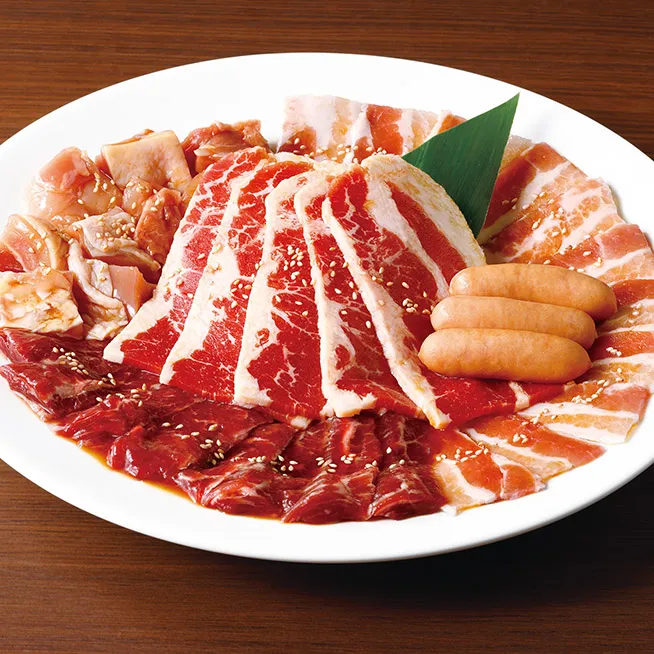 店内表記バラエティー四種盛りbaraetī yonshu mori厳選とろカルビ・牛ハラミ・豚カルビ・とりももの大皿。並(2〜3人前・約320g)と大(3〜4人前・約500g)精选牛五花、牛横膈膜、猪五花、鸡腿的大拼盘;普通份(2–3人份,约320克)和大份(3–4人份,约500克)Big platter of gensen toro karubi, beef harami, pork karubi and chicken thigh; regular serves 2–3 (about 320 g), large 3–4 (about 500 g) 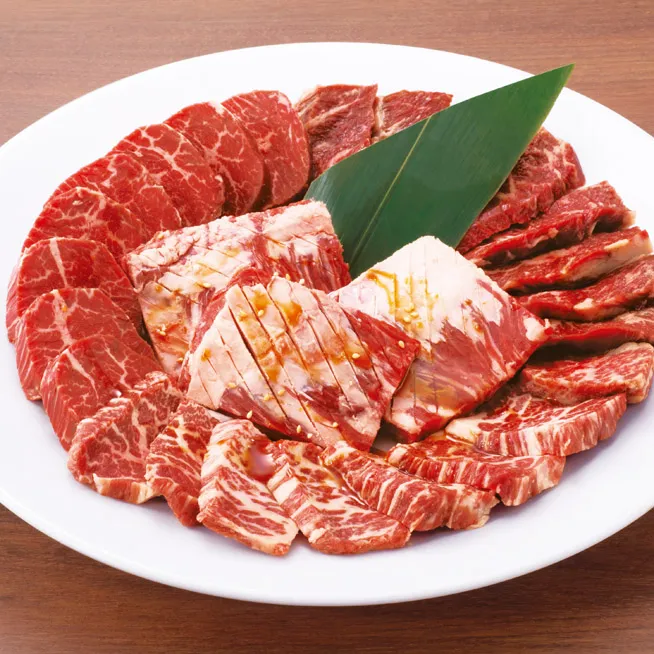 店内表記厳選牛角盛りgensen gyūkaku mori牛角上カルビ・王様カルビ・厚切りサガリ・牛角上ハラミの大皿。並(2〜3人前)と大(3〜4人前)牛角上等五花、国王五花、厚切垂肉、牛角上等横膈膜的大拼盘;普通份(2–3人份)和大份(3–4人份)Big platter of the house jō karubi, ōsama karubi, thick sagari and house jō harami; regular serves 2–3, large 3–4 店内表記ナムルの3種盛り合わせnamuru no sanshu moriawaseナムル3種の盛り合わせ。大盛もある三种拌菜拼盘,有大份Three kinds of namul on one plate; large size available 店内表記カルビ三点盛karubi santen-moriカルビ焼・上カルビ焼・特選カルビ焼の盛合せ普通、上等、特选三档五花的拼盘The three karubi grades on one plate 店内表記厳選三点盛gensen santen-mori特選カルビ焼・上ヒレ焼・特選サーロイン焼の盛合せ特选五花、上等菲力、特选西冷的拼盘Tokusen karubi, jō fillet and tokusen sirloin on one plate 店内表記ホルモン三点盛horumon santen-mori上ミノ焼・上ホルモン焼・上レバー焼の盛合せ上等毛肚、上等内脏、上等肝的拼盘Jō mino, jō horumon and jō liver on one plate 店内表記キムチ盛合せkimuchi moriawaseキムチの盛合せ(小・中・大)。「盛り合わせ」を「盛合せ」と書く泡菜拼盘(小、中、大);把「盛り合わせ」写成「盛合せ」Assorted kimchi (S/M/L); written 盛合せ, a shortened spelling of 盛り合わせ 店内表記キムチ盛合せkimuchi moriawaseキムチの盛合せ。白菜・大根・きゅうりのキムチは単品でもある泡菜拼盘;白菜、萝卜、黄瓜泡菜也可单点Assorted kimchi; napa, radish and cucumber kimchi are also sold separately 店内表記ナムル盛りnamuru moriナムルの盛り合わせ拌菜拼盘Assorted namul | 数種類を一皿に盛ったもの 拼盘 Assorted platter | 異なる部位や料理をいくつか取り合わせて一つの器に盛った品 把几种不同的部位或菜放在同一个盘子里 Several different cuts or dishes arranged together on one plate | 「盛る」と「合わせる」からなる語で、料理で一つの器に異なるものをいくつか取り合わせて盛ったものをいう(世界の料理がわかる辞典)。たとえばナムルは、ほうれん草・大豆もやし・ぜんまいの3種を盛り合わせることが多い(同)。刺身の盛り合わせのように部位別の肉に名札を付けて大皿に並べる焼肉店が増えたことが、希少部位の名が広まった一因とされる(エバラ食品)。 由「盛る」(盛装)和「合わせる」(搭配)构成,指在一个容器里搭配盛放几种不同的菜(《世界の料理がわかる辞典》)。例如韩式拌菜常把菠菜、黄豆芽、蕨菜三样拼在一起(同上)。有观点认为,烤肉店像生鱼片拼盘那样,把各部位的肉配上名牌摆在大盘里,是稀少部位名称普及的原因之一(荏原食品)。 From moru (“to heap on a dish”) and awaseru (“to combine”): several different foods arranged together in one vessel (Sekai no Ryōri ga Wakaru Jiten). Namul, for instance, is usually served as a trio of spinach, soybean sprouts and bracken (same source). Yakiniku shops laying out cuts with name tags on a big platter, like a sashimi assortment, are credited with helping the names of rare cuts catch on (Ebara Foods). |
店内表記バラエティー四種盛りbaraetī yonshu mori厳選とろカルビ・牛ハラミ・豚カルビ・とりももの大皿。並(2〜3人前・約320g)と大(3〜4人前・約500g)精选牛五花、牛横膈膜、猪五花、鸡腿的大拼盘;普通份(2–3人份,约320克)和大份(3–4人份,约500克)Big platter of gensen toro karubi, beef harami, pork karubi and chicken thigh; regular serves 2–3 (about 320 g), large 3–4 (about 500 g) 店内表記厳選牛角盛りgensen gyūkaku mori牛角上カルビ・王様カルビ・厚切りサガリ・牛角上ハラミの大皿。並(2〜3人前)と大(3〜4人前)牛角上等五花、国王五花、厚切垂肉、牛角上等横膈膜的大拼盘;普通份(2–3人份)和大份(3–4人份)Big platter of the house jō karubi, ōsama karubi, thick sagari and house jō harami; regular serves 2–3, large 3–4 | …人分 …人份 Serving(s) | 数の後に付けて、何人分の量かを表す語。「1人前」「2人前」 接在数字后表示几人份的量,如「1人前」「2人前」 Suffix after a number giving how many people’s portions: ichi-ninmae (one serving), ni-ninmae (two) | 「一人前(いちにんまえ)」は一人に割り当てる量をいい、1701年の浮世草子『傾城色三味線』に用例がある(日本国語大辞典)。同じ「一人前」は「成人であること」「技芸などが一応の水準に達していること」も表し、「一人前の医者」のように使う。「人前」だけだと「ひとまえ」と読み、「人の見ている前・公衆の面前」という別の意味になる。 「一人前」(いちにんまえ)指分给一个人的量,1701年的浮世草子《倾城色三味线》中已有用例(《日本国语大辞典》)。同样的「一人前」还表示“成年”“技艺等达到一定水准”,如「一人前の医者」(独当一面的医生)。单独的「人前」读作“ひとまえ”,意思变成“人前、众人面前”。 Ichi-ninmae is the amount allotted to one person, attested in the 1701 ukiyo-zōshi Keisei Iro Jamisen (Nihon Kokugo Daijiten). The same ichi-ninmae also means “adult” or “fully qualified”, as in ichi-ninmae no isha, “a full-fledged doctor”. On its own, 人前 is read hitomae and means “in front of others, in public”. |
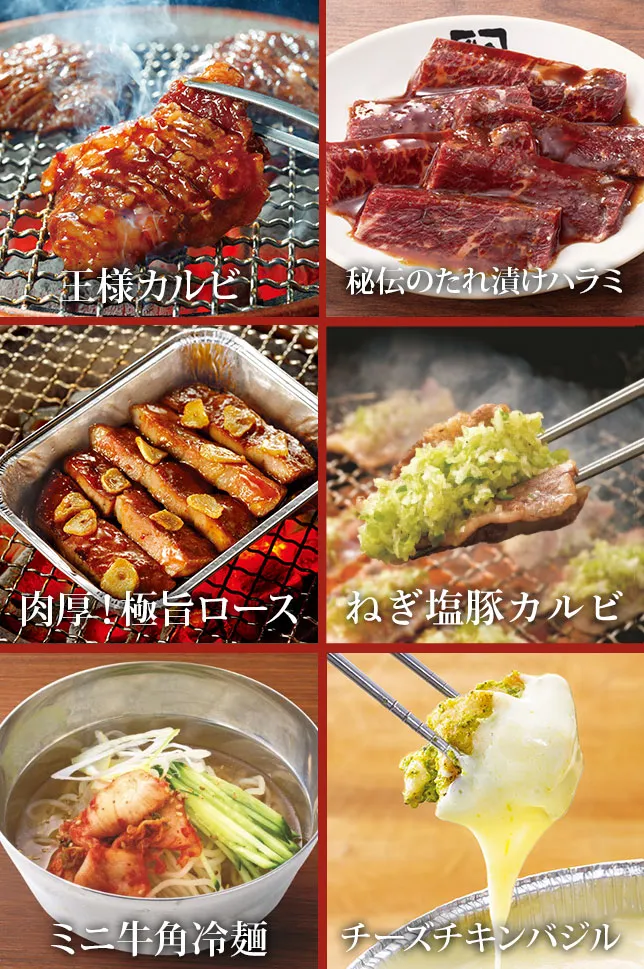 店内表記牛角コースgyūkaku kōsu90分の食べ放題(ラストオーダー70分)。全5コースの3番目90分钟吃到饱(第70分钟最后点单),5种套餐中的第3档90-minute all-you-can-eat (last order at 70 min), the third of five courses 店内表記きんぐコースkingu kōsu一番人気の食べ放題コース(100分、ラストオーダーは20分前)。五大名物も頼める最受欢迎的吃到饱套餐(100分钟,结束前20分钟最后点单),可点五大招牌The most popular all-you-can-eat course (100 min, last order 20 min before the end), including the five signature dishes | 一定料金で好きなだけ食べられること 吃到饱(自助) All-you-can-eat | 一定料金で、多くは制限時間内に好きなだけ注文・飲食できる方式 付固定价格,通常在限定时间内想吃多少点多少 A fixed price for as much as you like, usually within a time limit | 「放題」は動詞の連用形などに付いて思いのままにする意を表す接尾語で、「飲み放題」「言いたい放題」のほか、「伸び放題」のように成り行きに任せる意にもなる(デジタル大辞泉)。食べ放題は一定料金で好きなだけ食べられる方式で時間制限が設けられることが多く、料理を並べて各自が取る「バイキング」は、1958年に帝国ホテルが北欧のスモーガスボードを参考に始めた日本独自の呼び名である。焼肉チェーンではテーブルのタッチパネルで注文して席まで運んでもらう方式もあり、焼肉きんぐの食べ放題は100分制。 「放題」是接在动词连用形等后面的后缀,表示随心所欲地做;除「飲み放題」(畅饮)、「言いたい放題」(想说什么说什么)外,「伸び放題」(任其疯长)则表示放任不管(《数字大辞泉》)。「食べ放題」是付固定价格随便吃的方式,多有时间限制;把菜摆出来各自取用的形式在日本叫“バイキング”(维京),是帝国饭店1958年参考北欧的 smörgåsbord 首创的日式叫法。烤肉连锁店也有用桌上触摸屏点单、由店员送到桌边的方式,例如焼肉きんぐ的自助是100分钟制。 -hōdai is a suffix meaning “as much as one likes”: nomi-hōdai (all-you-can-drink), iitai-hōdai (saying whatever one pleases), and also “left to run wild”, as in nobi-hōdai (overgrown) (Digital Daijisen). Tabehōdai means unlimited eating for a fixed price, usually with a time limit; the self-serve buffet is called baikingu (“Viking”) in Japan, a name the Imperial Hotel coined in 1958 for a buffet modelled on the Scandinavian smörgåsbord. Yakiniku chains also run table-order versions where you order on a touch panel and staff bring the food; Yakiniku King’s all-you-can-eat runs 100 minutes. |

鳥貴族Torikizoku
1985年に東大阪で創業した焼鳥チェーン。国産鶏肉を店で串打ちし、全品均一価格(2026年10月から税込410円)、焼鳥は各2本。
1985年创立于大阪府东大阪市的烤鸡串连锁店;用日本国产鸡肉在店内穿串,全部菜品统一价格(2026年10月起含税410日元),烤串每份2串。
Yakitori chain founded in Higashi-Osaka in 1985; domestic chicken skewered in-store, one price for every item (¥410 incl. tax from Oct 2026), two skewers per order.
秋吉Akiyoshi
1959年に福井市で創業したやきとりチェーン(屋号は「やきとりの名門 秋吉」、全国102店・2026年10月)。やきとりは1種類5本単位で頼むのが基本で、店員は客を「社長」と呼んで迎える。
1959年创立于福井市的烤鸡串连锁店(全称「やきとりの名門 秋吉」,全日本102家,2026年10月);烤串一般每种以5串为单位点,店员称顾客为「社长」(老板)。
Yakitori chain founded in Fukui City in 1959 (full name Yakitori no Meimon Akiyoshi; 102 shops as of Oct 2026); skewers are usually ordered five of a kind, and staff greet customers as shachō (“boss”).
鶏鸡Chicken
部位名は農林水産省の「食鶏小売規格」(2026年4月改正)で定められているが、せせり・ぼんじりなどは規格にない店の通称で、首の肉は規格では「こにく」と呼ぶ。焼き鳥に使う鶏は大きく、ブロイラー(品種名ではなく、短期間で大きく育つよう改良された肉用若鶏の総称で、40〜50日ほどで出荷。規格の「若どり」はふ化後3か月未満の鶏をいう)、飼料や飼い方に工夫を加えた「銘柄鶏」、JASの基準を満たす「地鶏」の三つに分かれる。地鶏の基準は、在来種由来の血が50%以上、ふ化日から75日以上の飼育、28日齢以降は平飼いで1㎡あたり10羽以下。鸡的部位名称由日本农林水产省《食鸡零售规格》(2026年4月修订)规定,せせり(鸡颈肉)、ぼんじり(鸡屁股)等是规格里没有的店家俗称,颈肉在规格中叫“こにく”(小肉)。烤鸡串用的鸡大致分三类:白羽肉鸡(broiler,不是品种名,而是经改良、能快速长大的肉用仔鸡的统称,约40–50天出栏;规格上的“若鸡”指孵化后不满3个月的鸡)、在饲料和饲养方式上下功夫的“品牌鸡”(銘柄鶏),以及符合JAS标准的“地鸡”(地鶏)。地鸡须满足:本土品种血统占50%以上,自孵化日起饲养75天以上,28日龄起平养且每平方米不超过10只。Cut names are fixed by MAFF's retail standard for chicken (revised April 2026); seseri and bonjiri are shop names not found in it, where neck meat is called koniku. Yakitori chicken comes in three classes: broilers – not a breed but a general term for young meat chickens bred to grow fast, usually shipped at about 40–50 days (the standard's wakadori means any bird under three months); meigara-dori, branded birds raised on modified feed or methods; and jidori, which must meet the JAS standard. That means at least 50% native-breed blood, at least 75 days from hatching, and floor rearing at no more than 10 birds per m² from day 28.
| ことば词Word | 意味意思Meaning | 部位・正体部位What & where | 解説说明Notes |
|---|---|---|---|
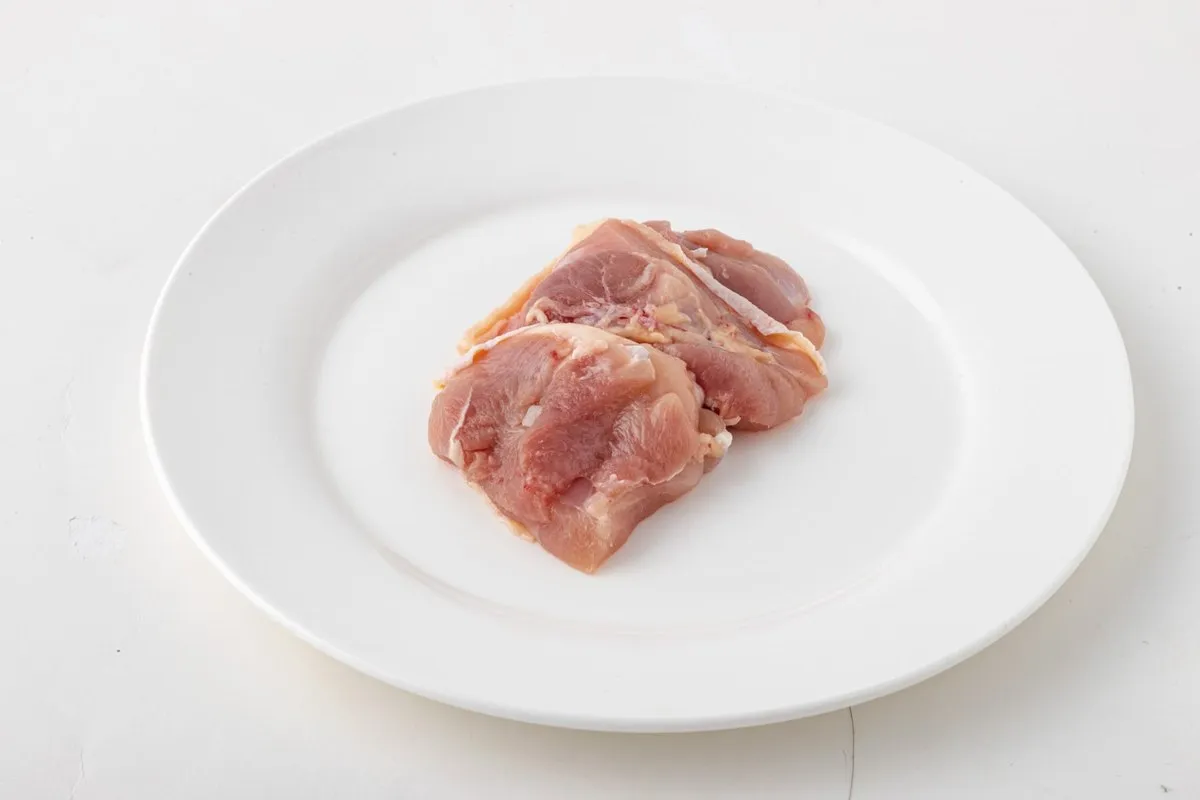 ももmomo 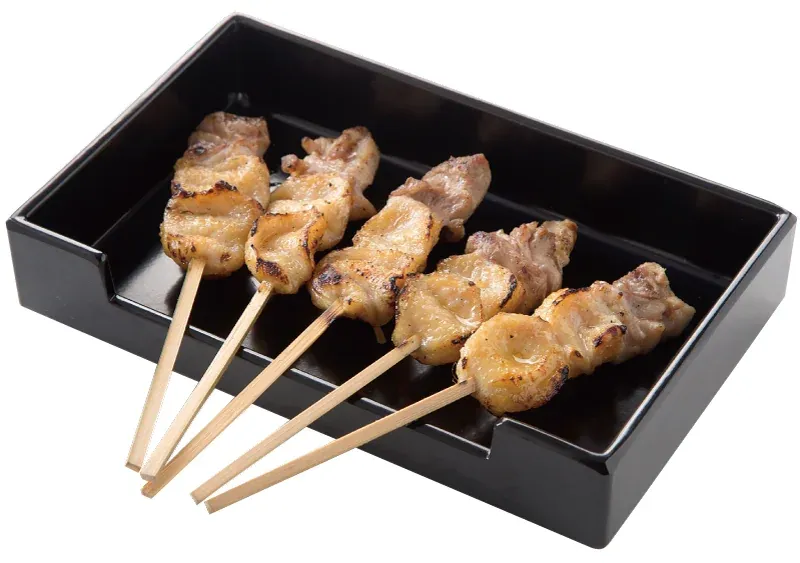 名物純けいjunkei親鶏(卵を産んだメス鶏)のもも肉と皮の塩焼き。好みでからしを付ける下过蛋的母鸡(老母鸡)的腿肉和皮,盐烤;可按喜好蘸日式黄芥末Salt-grilled thigh and skin from hens that have laid eggs (oyadori); karashi mustard to taste 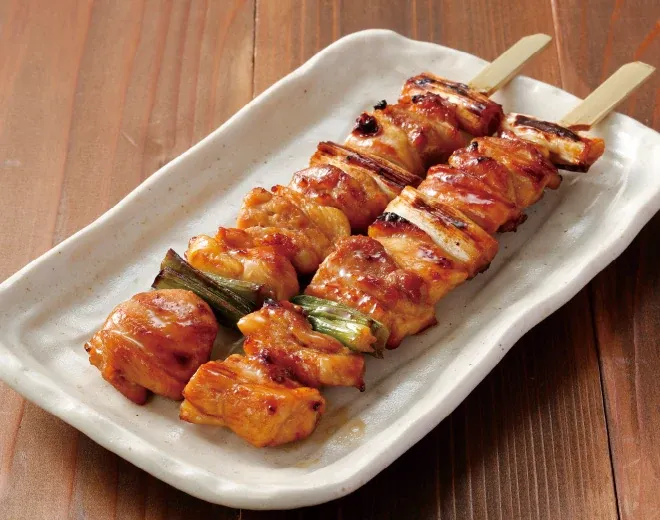 名物もも貴族焼momo kizokuyakiもも肉とねぎを交互に刺した名物串。たれ・塩・スパイスから選べる鸡腿肉与大葱交替串成的招牌串,可选酱汁、盐或香辣味Signature skewer of thigh and leek; choose tare, salt or spice 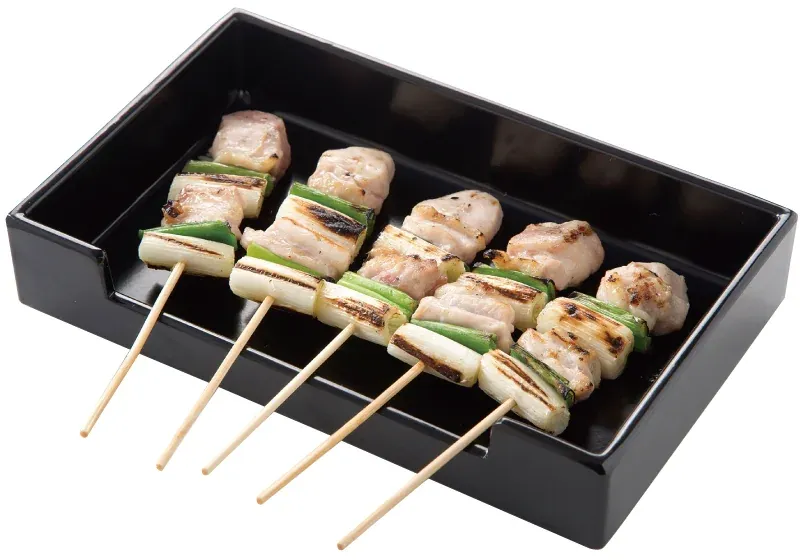 店内表記ねぎまnegima若どりのもも肉とねぎを交互に刺したタレ焼き嫩鸡腿肉与大葱交替串成,刷酱汁烤Young-chicken thigh alternated with leek, grilled with tare 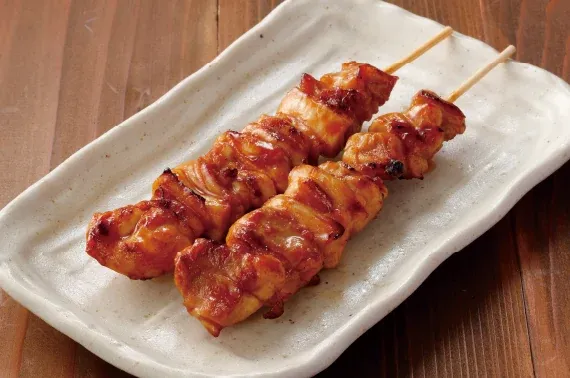 店内表記みたれ(もも肉)mitare (momoniku)もも肉だけを刺したたれ焼き只串鸡腿肉的酱汁烤串Thigh meat only, grilled with tare 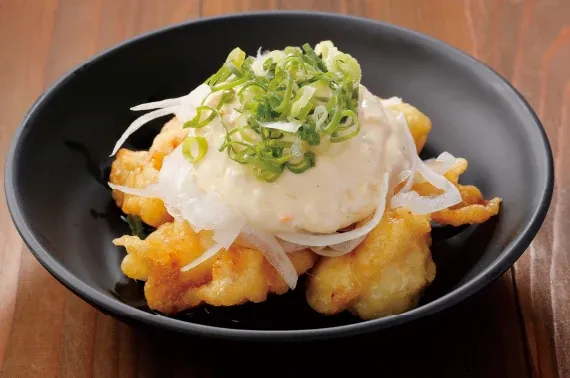 店内表記チキン南蛮chikin nanban揚げたもも肉にタルタルソースをかけた一品炸鸡腿肉浇塔塔酱Fried chicken thigh topped with tartar sauce 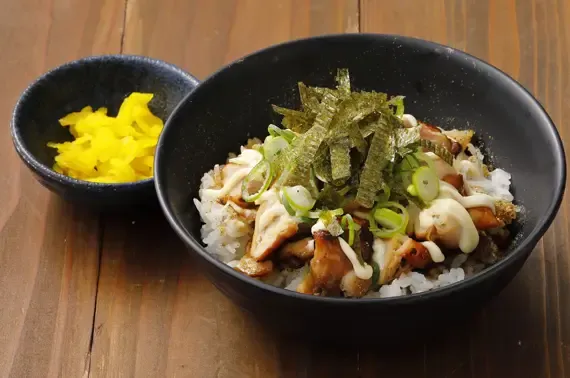 店内表記鶏旨丼(タレ)toriumadon (tare)タレで焼いたもも肉に、けずり粉とマヨネーズをかけた焼鳥丼酱汁烤鸡腿肉盖饭,撒鱼干粉、挤蛋黄酱Yakitori rice bowl: tare-grilled thigh with dried-fish powder and mayo 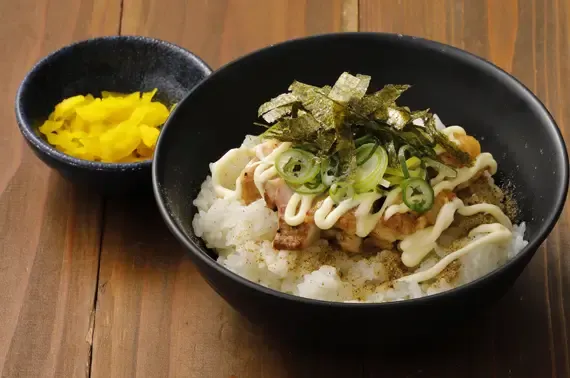 店内表記鶏旨丼(塩)toriumadon (shio)岩塩で焼いたもも肉に、けずり粉とマヨネーズをかけた焼鳥丼岩盐烤鸡腿肉盖饭,撒鱼干粉、挤蛋黄酱Yakitori rice bowl: thigh grilled with rock salt, with dried-fish powder and mayo | 鶏のもも肉 鸡腿肉 Chicken thigh | 脚(腿)の肉。規格の「もも肉」は腿から骨を除いた皮つきの肉で、ひざ関節より上を「うわもも」(大腿)、下を「したもも」(下腿)という 鸡腿的肉。规格中的“腿肉”指去骨带皮的整条腿肉,膝关节以上叫“上腿”(うわもも,大腿),以下叫“下腿”(したもも,小腿) Leg meat. In the standard, momo-niku is boneless, skin-on leg; above the knee joint is uwamomo (thigh proper), below it shitamomo (drumstick) | 赤みを帯びた肉厚の肉で、うま味とコクが強い。若どりのもも(皮つき・生)は100gあたり190kcal・脂質14.2g・たんぱく質16.6g、皮を除くと113kcal・脂質5.0g。焼き鳥店では「正肉(せいにく)」とも呼び(規格の「正肉」はむね肉ともも肉を合わせたもの)、ねぎまにもふつうもも肉を使う。もも肉の付け根近くの小さな肉「ソリ」は仏語 sot-l'y-laisse(愚か者はそこを残す)に由来し、この呼び名は銀座「バードランド」が発祥とされる。 肉色偏红、厚实,鲜味和醇厚感强。若鸡带皮生鸡腿肉每100克190千卡、脂肪14.2克、蛋白质16.6克,去皮后为113千卡、脂肪5.0克。烤鸡串店也把它叫作“正肉”(せいにく),而规格上的“正肉”指胸肉加腿肉;鸡肉大葱串(ねぎま)一般也用腿肉。腿根附近的一小块肉叫“ソリ”,源自法语sot-l'y-laisse(“傻瓜才会剩下”),这一叫法据说始于东京银座的烤鸡店“Bird Land”(バードランド)。 Reddish, thick meat with a rich, savoury flavour. Raw skin-on thigh from young chickens has 190 kcal, 14.2 g fat and 16.6 g protein per 100 g; skinless, 113 kcal and 5.0 g fat. Yakitori shops also call it seiniku (“proper meat”) – whereas in the standard 正肉 means breast and thigh together – and negima is normally made with thigh. The small morsel near the top of the thigh is called sori, from French sot-l'y-laisse (“only a fool leaves it”), a name said to have started at Bird Land in Ginza. |
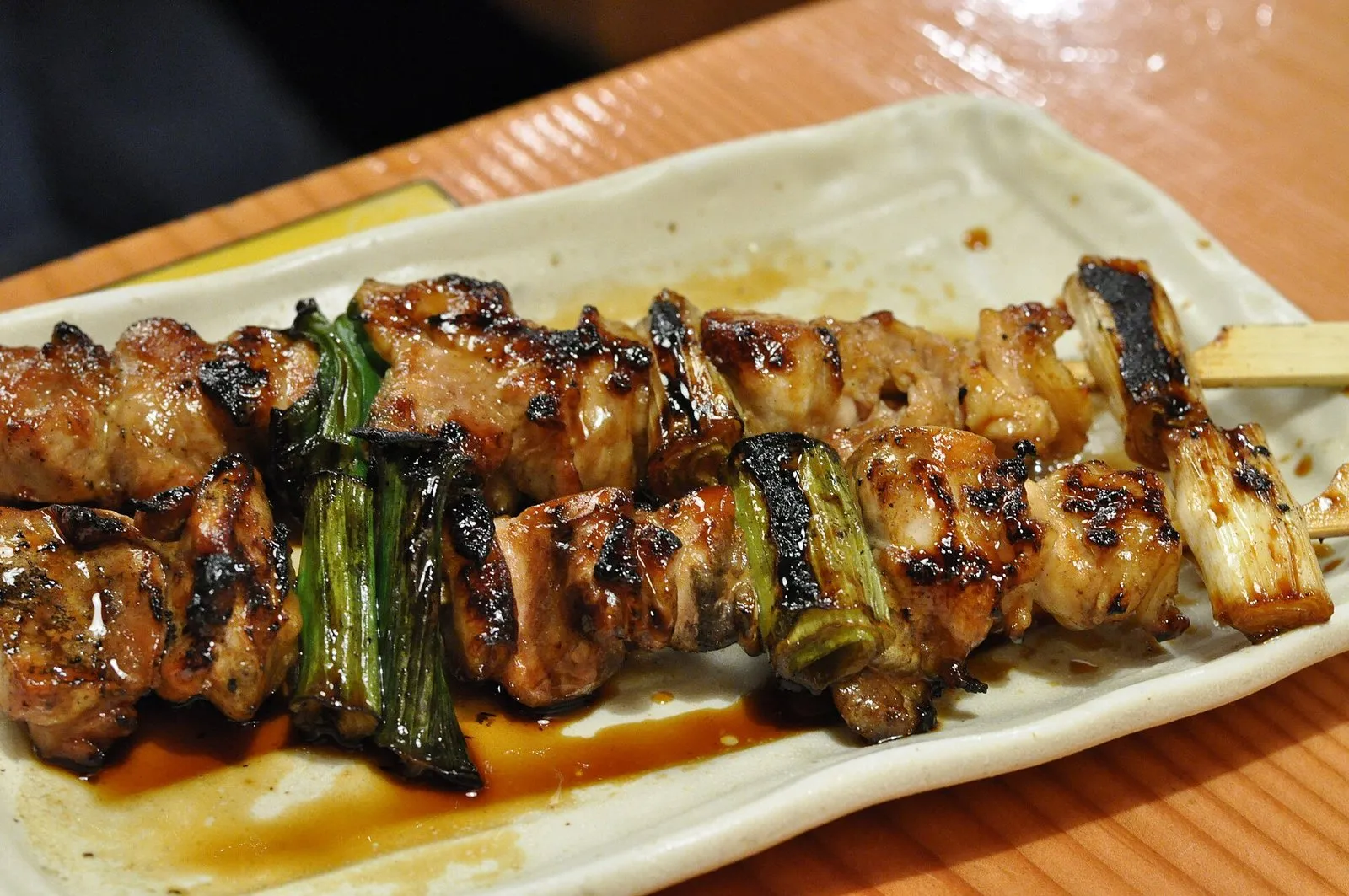 ねぎまnegima 名物もも貴族焼momo kizokuyakiもも肉とねぎを交互に刺した名物串。たれ・塩・スパイスから選べる鸡腿肉与大葱交替串成的招牌串,可选酱汁、盐或香辣味Signature skewer of thigh and leek; choose tare, salt or spice 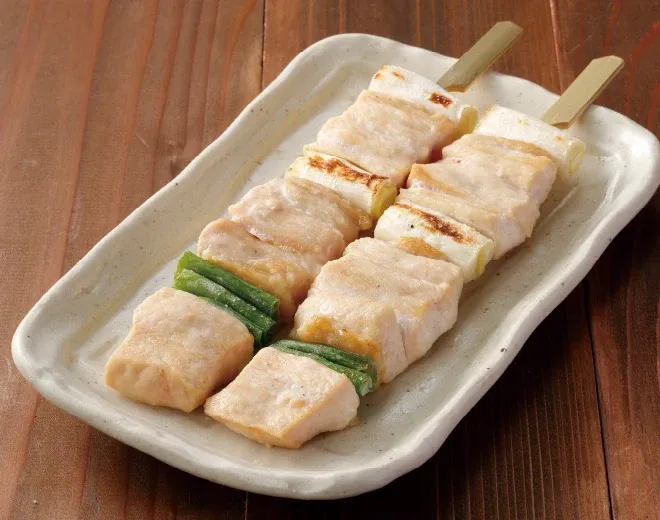 名物むね貴族焼mune kizokuyakiむね肉とねぎを交互に刺した貴族焼。たれ・塩・スパイスから選べる鸡胸肉与大葱交替串成的「贵族烤」,可选酱汁、盐或香辣味The kizokuyaki made with breast and leek; tare, salt or spice 店内表記ねぎまnegima若どりのもも肉とねぎを交互に刺したタレ焼き嫩鸡腿肉与大葱交替串成,刷酱汁烤Young-chicken thigh alternated with leek, grilled with tare | 鶏肉とねぎの串 鸡肉大葱串 Chicken and negi (Japanese leek) skewer | 鶏肉(ふつうはもも)と長ねぎを交互に串に刺したもの 鸡肉(一般是腿肉)与大葱段交替串在一根签子上 Pieces of chicken (usually thigh) alternated with lengths of negi on one skewer | 「ねぎま」は本来「葱鮪」と書き、ネギとマグロを煮た料理(ねぎま鍋・ねぎま汁)を指す語で、『東海道中膝栗毛』(1802〜09年)に用例がある。「ま」は「間」ではない。鶏の串がこの名で呼ばれる理由は、一説にネギとマグロを交互に刺して焼いた江戸の串に姿が似ていたため、一説にマグロのトロが高級になり手頃な鶏肉で代用したためという。店によって名が違い、鳥貴族は「もも貴族焼」、京橋の伊勢廣(1921年創業)はネギとシシトウを挟んだ串を単に「もも肉」と呼ぶ。 “ねぎま”原写作“葱鮪”,本指葱和金枪鱼同煮的菜(葱鲔锅、葱鲔汤),江户后期的《东海道中膝栗毛》(1802–09年)已有用例;“ま”并不是“间”的意思。鸡肉串沿用这个名字,一说是因为外形像江户时代把葱和金枪鱼交替串起来烤的串,一说是金枪鱼腩变贵后改用便宜的鸡肉代替。各店叫法不同:连锁店鸟贵族叫“もも贵族烧”,1921年创业的京桥老店伊势广则把夹着葱和糯米椒(シシトウ)的串直接叫“もも肉”(腿肉)。 Negima was originally written 葱鮪, “leek and tuna”: a dish of negi simmered with tuna (as a hotpot or soup), attested in Tōkaidōchū Hizakurige (1802–09); the ma does not mean “between”. One theory says chicken skewers took the name because they looked like Edo-period skewers of alternating negi and tuna; another says cheaper chicken replaced tuna belly once toro became a luxury. Names vary by shop: Torikizoku calls its version momo kizoku-yaki, and Ise-hiro in Kyōbashi (founded 1921) simply calls its thigh skewer with negi and shishito peppers momo-niku. |
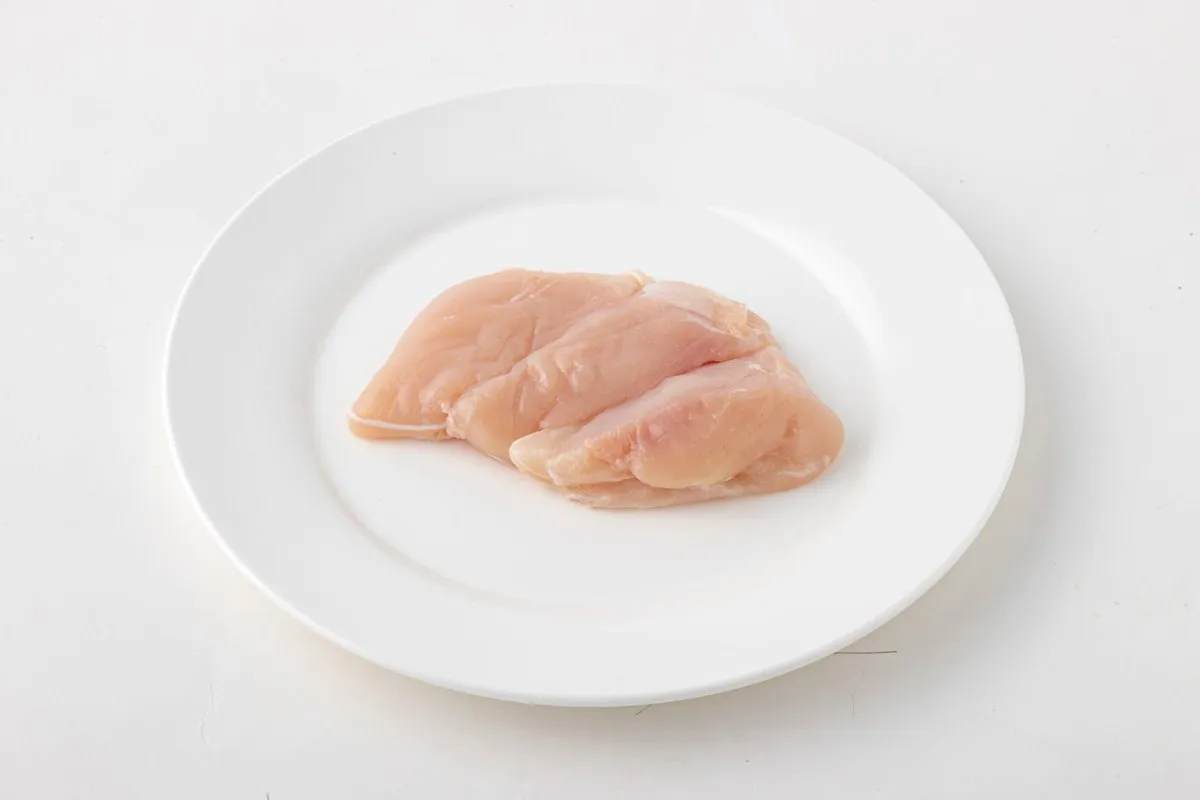 むねmune 名物むね貴族焼mune kizokuyakiむね肉とねぎを交互に刺した貴族焼。たれ・塩・スパイスから選べる鸡胸肉与大葱交替串成的「贵族烤」,可选酱汁、盐或香辣味The kizokuyaki made with breast and leek; tare, salt or spice 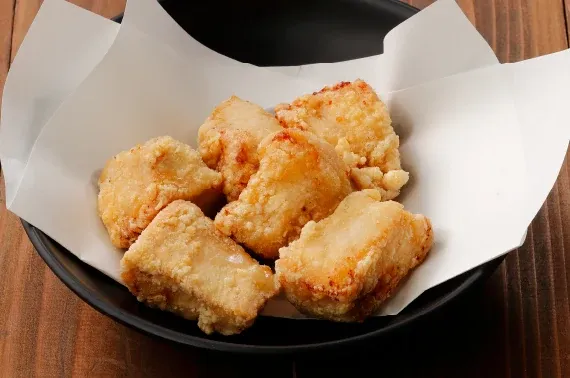 名物トリキの唐揚toriki no karaage鶏むね肉の唐揚。利尻昆布と焼きあごのうま味。「トリキ」は鳥貴族の略称鸡胸肉日式炸鸡块,带利尻海带与烤飞鱼干的鲜味;「トリキ」是鸟贵族的简称Breast-meat karaage with Rishiri kelp and grilled flying-fish umami; Toriki is short for Torikizoku 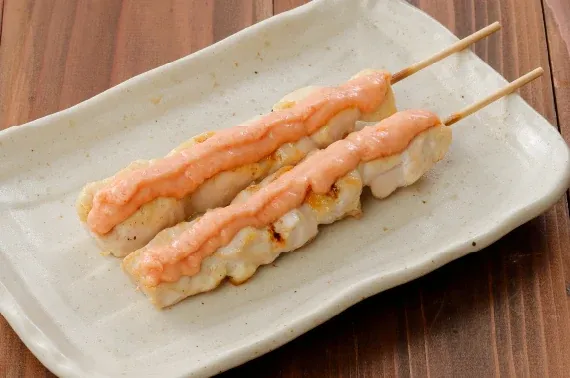 店内表記むね明太マヨ焼mune mentai mayo-yakiむね肉に北海道産明太子のマヨネーズをのせて焼いた串鸡胸肉串抹上北海道产明太子蛋黄酱烤制Breast skewer grilled under Hokkaido mentaiko mayonnaise | 鶏の胸肉 鸡胸肉 Chicken breast | 胸部の肉(骨を除いた皮つき肉)。規格では手羽と首の皮を除いた胸の肉で、手羽もとの付け根部分は「かたこにく」として分ける 胸部去骨带皮的肉。规格上指去掉整只翅膀和颈皮后的胸肉,翅根根部那块另称“かたこにく”(肩小肉) Boneless, skin-on breast. The standard defines it as the breast minus the whole wing and neck skin, with the piece at the base of the wing classed separately as katakoniku | 脂肪が少なく淡白で、若どりのむね(皮なし・生)は100gあたり105kcal・脂質1.9g・たんぱく質23.3g、皮つきは133kcal・脂質5.9g。高温で加熱するとパサつきやすい。イミダゾールジペプチドを多く含む。むね肉と手羽もとの間にある「ふりそで」は、もも肉より脂が控えめでむね肉よりジューシーな部位で、スーパーでは「鶏肩肉」として売られる。 脂肪少、味清淡:若鸡去皮生鸡胸每100克105千卡、脂肪1.9克、蛋白质23.3克,带皮为133千卡、脂肪5.9克。高温加热容易发柴。鸡胸肉富含咪唑二肽(imidazole dipeptide)。胸肉与翅根之间的“ふりそで”脂肪比腿肉少、又比胸肉多汁,超市里以“鸡肩肉”的名称出售。 Lean and mild: raw skinless breast from young chickens has 105 kcal, 1.9 g fat and 23.3 g protein per 100 g (skin-on: 133 kcal, 5.9 g fat). It dries out easily at high heat. Breast meat is rich in imidazole dipeptides. The furisode, between the breast and the wing drumette, is leaner than thigh but juicier than breast, and is sold in supermarkets as “chicken shoulder”. |
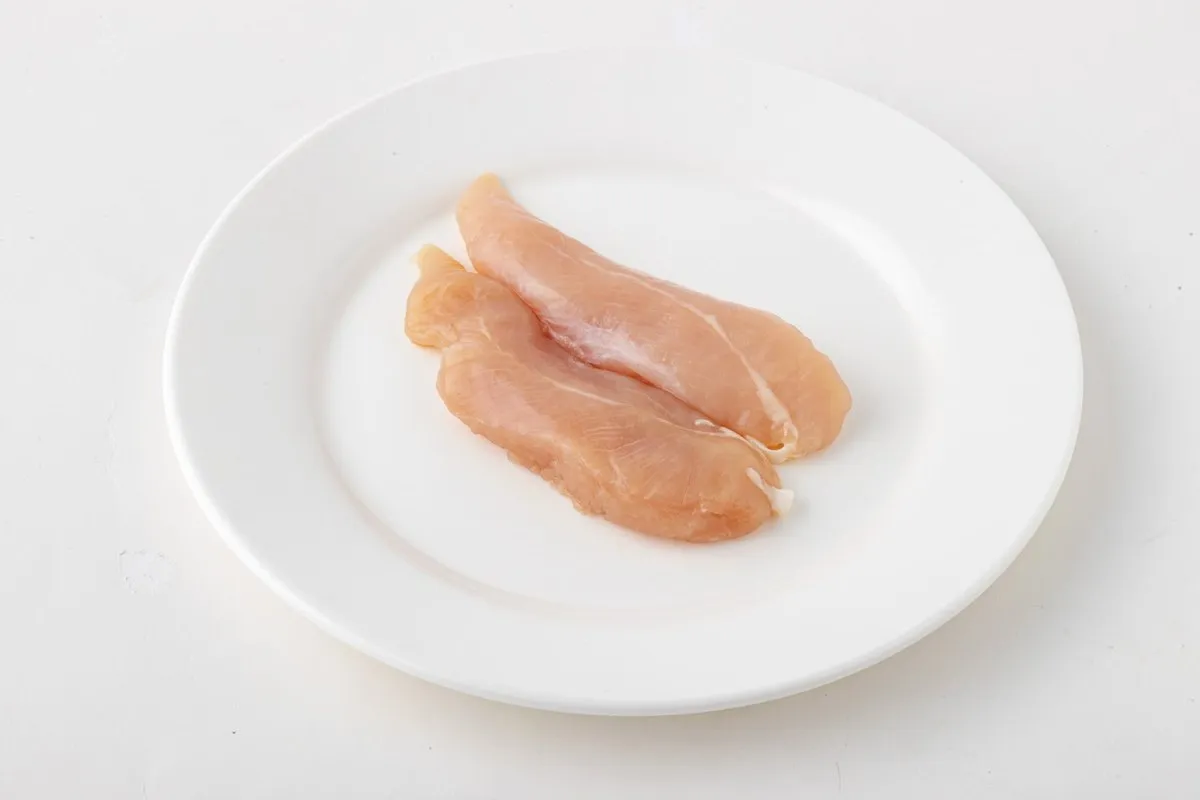 ささみsasami 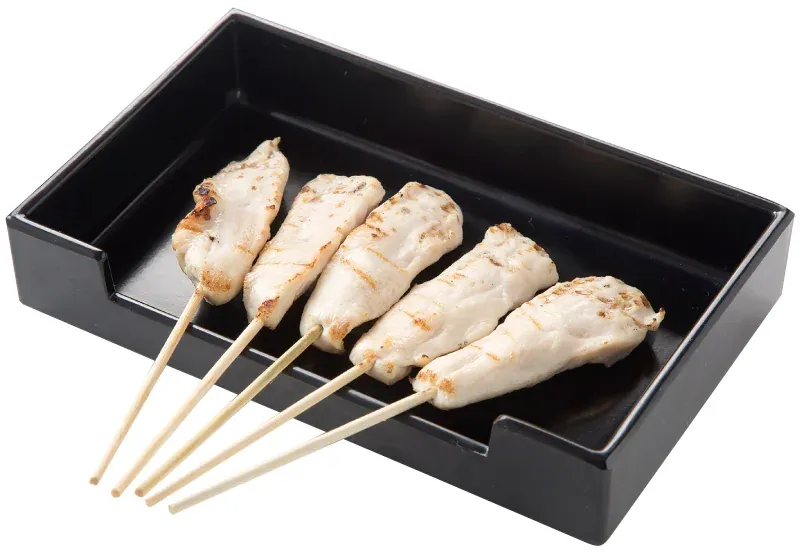 店内表記ささみsasamiメス鶏のささみの塩焼き母鸡的鸡里脊,盐烤Salt-grilled tenderloin from hens 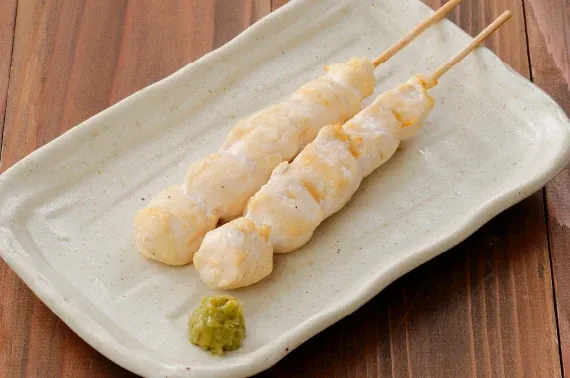 店内表記ささみ塩焼sasami shioyakiささみの塩焼き。粗くおろした本わさび(国産西洋わさびとのブレンド)を添える盐烤鸡里脊,配粗磨的山葵(掺有日本产辣根)Salt-grilled tenderloin with coarse-grated wasabi (blended with Japanese horseradish) | 鶏のささみ 鸡里脊(鸡小胸) Chicken tenderloin (tender) | むね肉の内側で胸骨に沿う紡錘形の肉(深胸筋)。1羽に左右2本 胸肉内侧、沿胸骨的纺锤形肉(深层胸肌),每只鸡左右各一条 The spindle-shaped deep pectoral muscle beneath the breast, along the breastbone; two per bird | 名は形が笹の葉に似ることから(「笹身」、1859年の歌舞伎に用例)。たんぱく質が多く脂肪は1%に満たず、若どりのささみ(生)は100gあたり98kcal・たんぱく質23.9g・脂質0.8g。中央に腱(すじ)が1本通り、規格には腱つき・「すじ切り」・「すじなし」の3区分がある。焼き鳥では塩で焼いてわさびを添える出し方があり、京橋の伊勢廣(塩で軽く焼きワサビをつける)や鳥貴族(わさび粗おろし添え)がこの形で出す。 名字来自形似竹叶(写作“笹身”,1859年的歌舞伎中已有用例)。蛋白质多、脂肪不到1%:若鸡生鸡里脊每100克98千卡、蛋白质23.9克、脂肪0.8克。中间贯穿一条筋腱,规格分为带筋、“切筋”和“去筋”三种。烤鸡串有撒盐烤后配山葵的吃法,京桥伊势广(盐轻烤、抹山葵)和鸟贵族(配粗磨山葵)都这样上。 Named for its bamboo-leaf (sasa) shape – written 笹身 and attested in an 1859 kabuki play. It is high in protein with under 1% fat: raw sasami from young chickens has 98 kcal, 23.9 g protein and 0.8 g fat per 100 g. A single tendon runs through it, and the standard distinguishes tendon-on, scored (sujikiri) and tendon-removed (sujinashi) sasami. One yakitori style is salt-grilled and topped with wasabi, as served at Ise-hiro in Kyōbashi and at Torikizoku. |
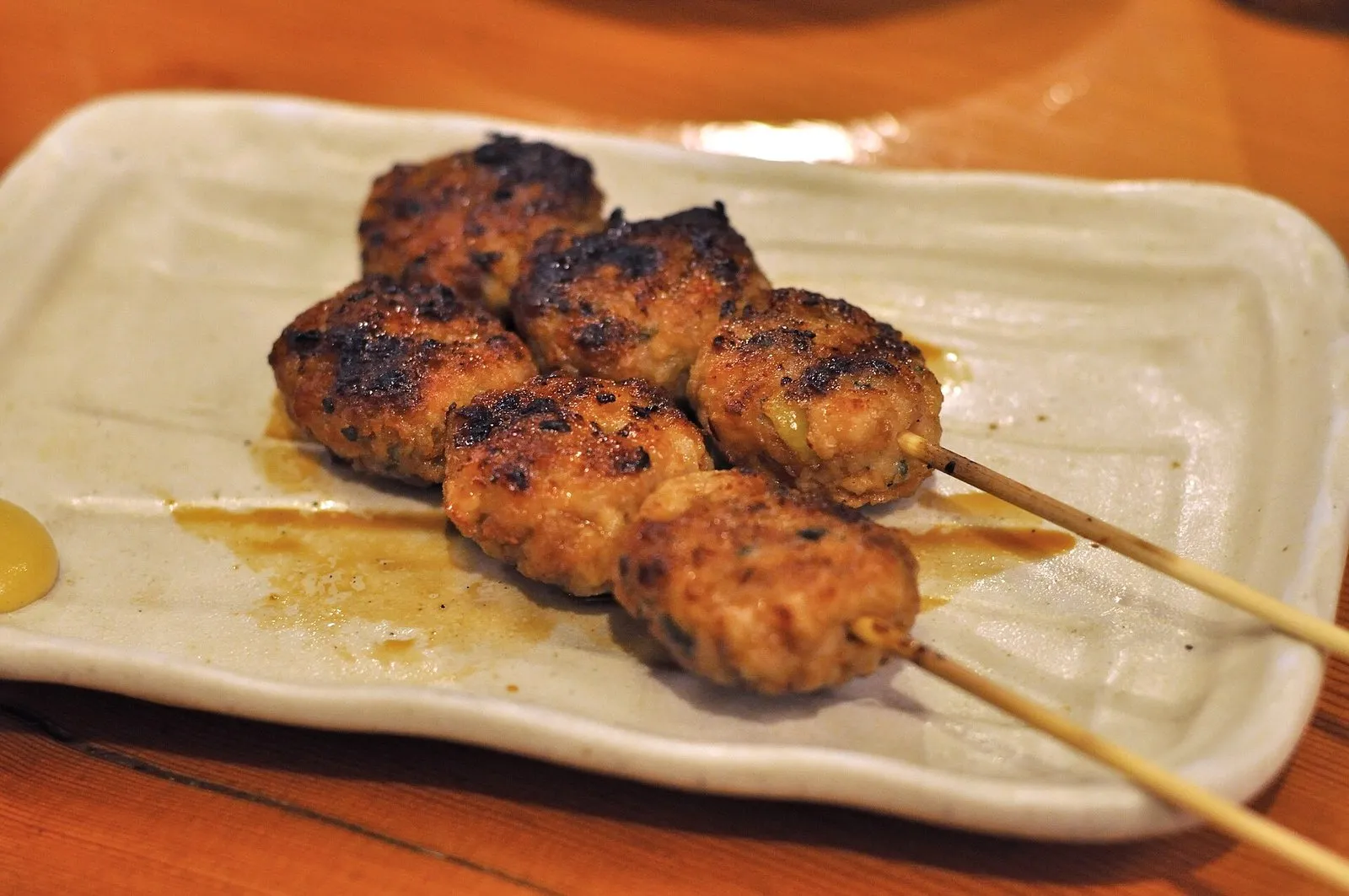 つくねtsukune 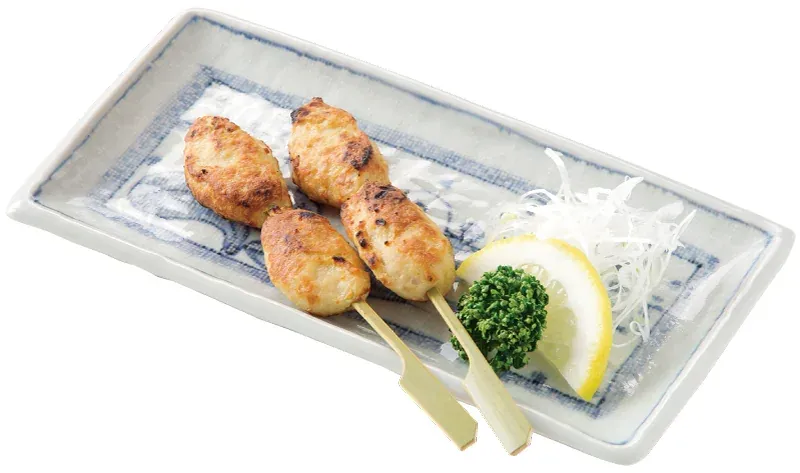 店内表記つくねtsukune若どりをベースに数種類の肉を合わせたつくねのタレ焼き以嫩鸡肉为主、掺入几种肉做的鸡肉丸,刷酱汁烤Meatballs of young chicken blended with several other meats, grilled with tare 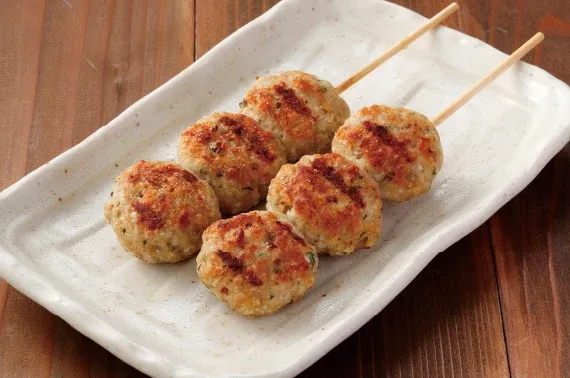 店内表記つくね塩tsukune shio大葉が香るつくねの塩焼き带紫苏叶香的鸡肉丸,盐烤Salt-grilled chicken meatballs with a shiso aroma 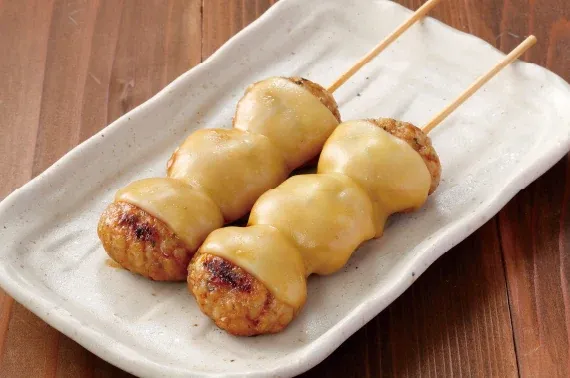 店内表記つくねチーズ焼tsukune chīzu-yakiたれで焼いたつくねにチーズをかけたもの酱汁烤鸡肉丸,上面盖奶酪Tare-grilled chicken meatballs topped with cheese 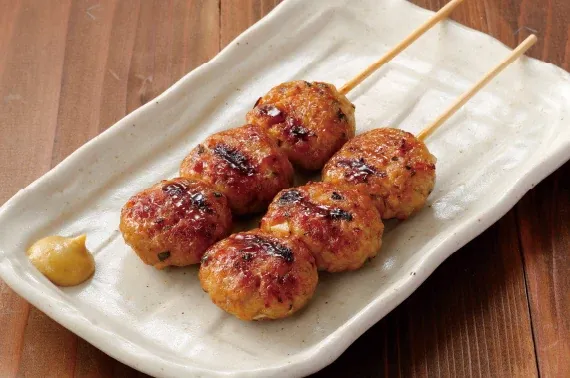 店内表記つくねたれtsukune tareつくねのたれ焼き刷酱汁烤的鸡肉丸Chicken meatballs grilled with tare 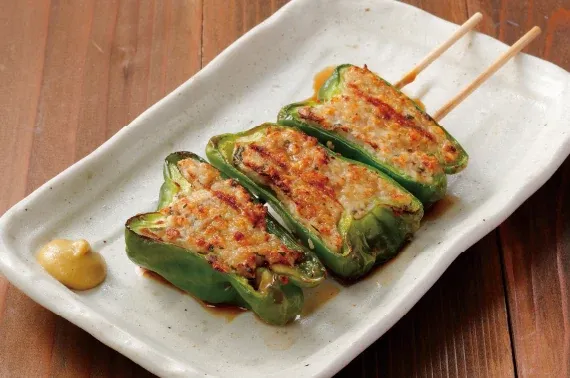 店内表記ピーマン肉詰pīman nikuzumeピーマンにつくねを詰めて焼いた串。ポン酢味青椒里塞入鸡肉丸馅烤成的串,橙醋味Green peppers stuffed with tsukune mince and grilled; ponzu flavor | 鶏肉をこねて丸めたもの 鸡肉丸(鸡肉丸子串) Chicken meatball skewer | 鶏肉をたたいて細かくし、卵や山芋などのつなぎを加えて手でこね、丸めたもの。焼き鳥では串に刺して焼く 把鸡肉剁碎,加鸡蛋、山药等作粘合剂,用手揉捏成团;烤鸡串店把它串起来烤 Chicken chopped fine, bound with egg, grated yam or the like, kneaded by hand and shaped into balls; at yakitori shops, skewered and grilled | 動詞「つくねる(捏ねる)」の連用形が名詞になった語で、手でこねて丸く固めることをいう(「つくねる」は束ねる・こねるの意)。配合や形は店ごとに異なり、京橋の伊勢廣(1921年創業)は「団子」の名で、つなぎを一切使わず麻の実を加えたものを出し、職人は手の感覚だけで重さの誤差を2g以内にそろえるという。鳥貴族は大葉を合わせた「つくね塩」のほか、「つくねたれ」「つくねチーズ焼」を出す。 来自动词“つくねる”(捏ねる,揉捏)的连用形名词化,指用手揉捏成团;“つくねる”有捆扎、揉捏之意。配方和形状各店不同:1921年创业的京桥老店伊势广称之为“团子”,完全不加粘合剂、拌入麻籽,据说老师傅仅凭手感就能把每个的重量误差控制在2克以内。鸟贵族则有加紫苏叶的“盐味つくね”,以及酱汁つくね和芝士つくね。 The noun form of the verb tsukuneru, “to knead into a ball by hand” (the verb also means to bundle together). Recipes and shapes vary by shop: Ise-hiro in Kyōbashi (founded 1921) serves it as dango (“dumpling”), made with no binder at all and studded with hemp seeds, and says its cooks shape each one to within 2 g by feel alone. Torikizoku offers it salted with shiso leaf, with tare, or grilled with cheese. |
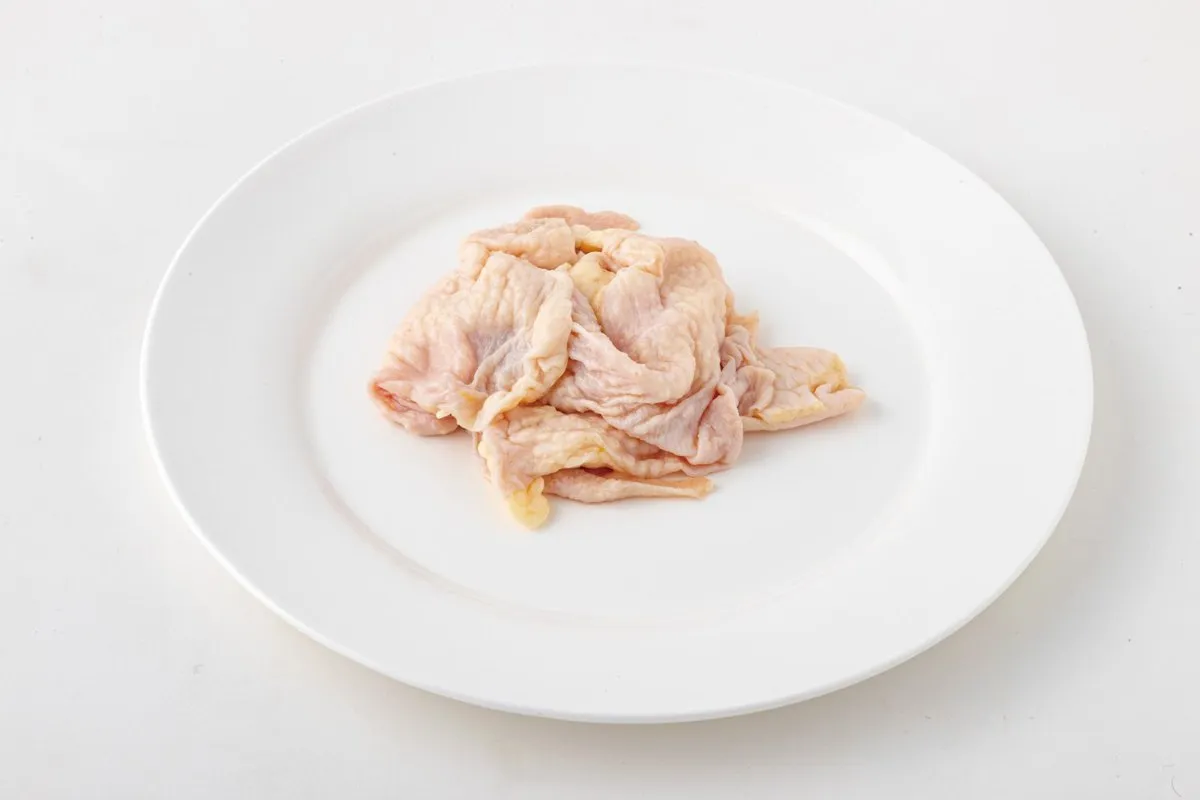 皮kawa 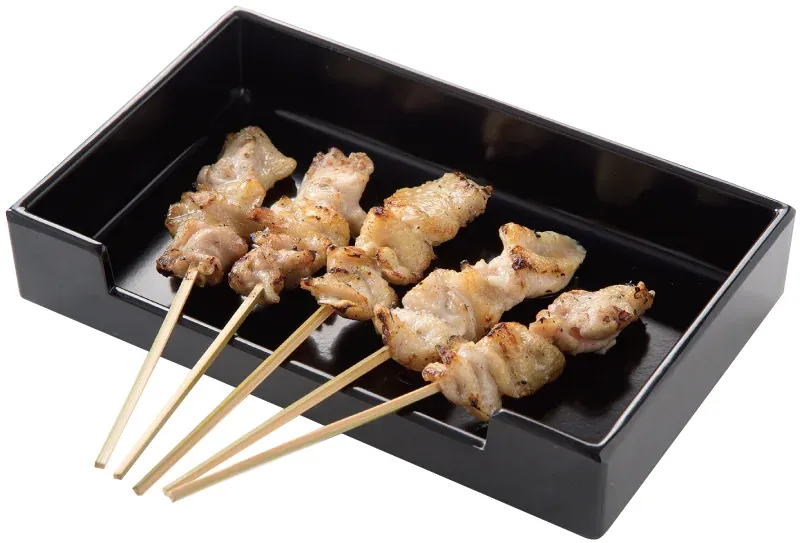 店内表記若皮wakakawa若どりの皮に脂と肉も合わせた塩焼き嫩鸡皮连同鸡油和鸡肉一起串的盐烤串Young-chicken skin with some fat and meat, salt-grilled 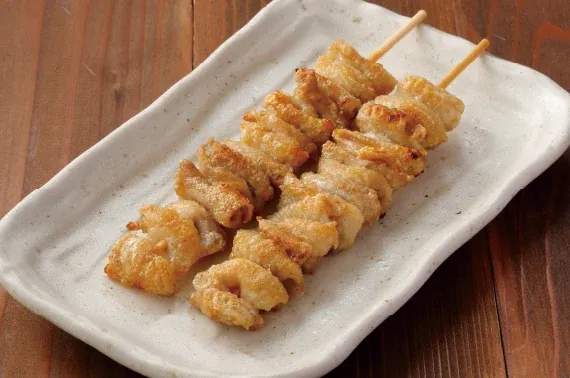 店内表記かわ塩kawa shio下ゆでした鶏皮をカリッと焼いた塩焼き先焯水的鸡皮,盐烤至酥脆Pre-boiled chicken skin, salt-grilled until crisp 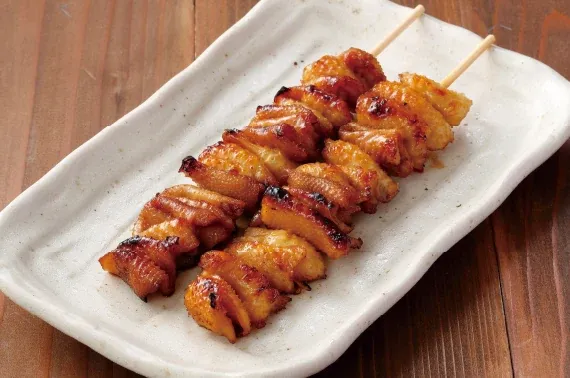 店内表記かわたれkawa tare余分な脂を下処理で除いた鶏皮のたれ焼き预先去掉多余脂肪的鸡皮,刷酱汁烤Chicken skin trimmed of excess fat, grilled with tare 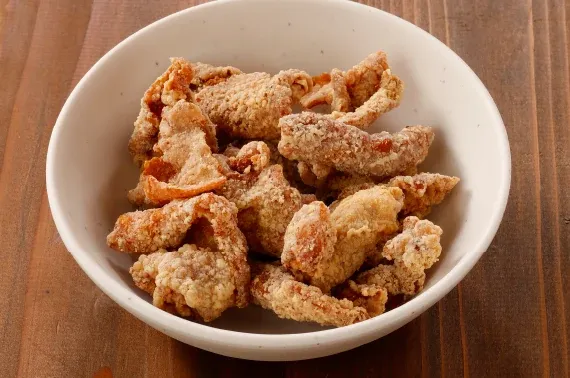 店内表記鶏皮チップtorikawa chippu厚みのある鶏むね皮をサクッと揚げたチップ把较厚的鸡胸皮炸成的脆片Crisp-fried chips of thick chicken-breast skin | 鶏の皮 鸡皮 Chicken skin | 鶏の皮(皮下脂肪を含む)。取引規格は首の皮(頸皮)を「かわⅠ型」、それ以外の皮を「かわⅡ型」と分ける 鸡皮(含皮下脂肪)。交易规格把颈皮定为“皮Ⅰ型”,其余部位的皮为“皮Ⅱ型” Skin with its subcutaneous fat. The wholesale standard classes neck skin as kawa type I and all other skin as type II | 皮下脂肪を含むため脂質が多く、もも皮(生)は100gあたり脂質51.6g・474kcal、むね皮は48.1g・466kcalで、カロリーはささみの約5倍。博多名物の「とりかわ」は首の皮を串にらせん状に巻き付け、タレに漬けては焼く工程を数日かけて繰り返して脂を落とす(福岡の「かわ屋」は6日間かけて仕込む)。京橋の伊勢廣は皮を首の肉ではさんだ「皮身」を塩で焼き、鳥貴族はゆでた皮を塩かタレで焼く。 因含皮下脂肪,脂肪很高:生鸡腿皮每100克脂肪51.6克、474千卡,胸皮48.1克、466千卡,热量约为鸡里脊的5倍。博多名物“鸡皮串”(とりかわ)把颈皮螺旋状缠在签子上,反复蘸酱、烤制、放凉,花上数天逼出油脂(福冈的“かわ屋”要准备6天)。京桥伊势广把鸡皮夹上颈肉做成“皮身”撒盐烤;鸟贵族则把焯过水的鸡皮做成盐烤或酱汁烤。 Including the subcutaneous fat, it is very rich: raw thigh skin has 51.6 g fat and 474 kcal per 100 g, breast skin 48.1 g and 466 kcal – about five times the calories of sasami. Hakata's torikawa winds neck skin in a spiral around the skewer, then dips it in tare and grills it again and again over several days to render out the fat (Kawaya in Fukuoka takes six days). Ise-hiro in Kyōbashi salt-grills skin sandwiched with neck meat (its 皮身 skewer), and Torikizoku grills pre-boiled skin with salt or tare. |
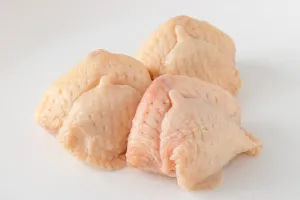 ぼんじりbonjiri 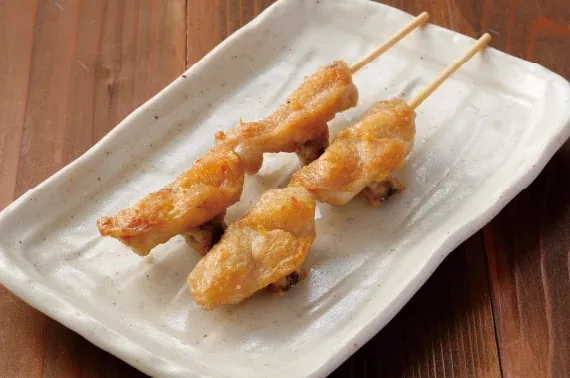 店内表記三角(ぼんじり)sankaku (bonjiri)「三角」はぼんじりのこと。店は鶏で最も脂の乗った部位と説明「三角」即鸡尾(ぼんじり);店方称其为鸡身上脂肪最多的部位Sankaku (triangle) is bonjiri, the tail; billed as the fattiest part of the chicken | 鶏の尾の付け根の肉 鸡屁股(鸡尾肉) Chicken tail (pope's nose) | 尾の付け根、尾骨の周りについている肉 尾巴根部、尾骨周围的肉 The meat around the tailbone at the base of the tail | 鶏肉の中で最も脂がのっているといわれるが、よく動かす部分のため身は締まり、噛むほどにうま味が出る。規格にはない通称で、鳥貴族の品書きでは「三角(ぼんじり)」と書く。尾の付け根の背側には羽づくろい用の脂を出す「尾腺」があり、規格は販売する部位から尾腺を除くよう定めている。下処理では、脂をためた「油壺」と呼ばれるクリーム色の部分を切り落とす。 据说是鸡肉中脂肪最多的部位,但因经常活动而肉质紧实,越嚼越香。它不是规格里的名称而是俗称,鸟贵族的菜单写作“三角(ぼんじり)”。尾根背侧有分泌理羽油脂的“尾脂腺”,规格规定出售的分割品须去除尾脂腺;处理时要切掉积存油脂、叫作“油壶”的奶油色部分。 Said to be the fattiest part of the bird, yet firm because it is a much-used muscle, it gives up more flavour the longer you chew. Bonjiri is a trade name, not a term in the standard; Torikizoku lists it as sankaku (“triangle”). On top of the tail base sits the uropygial (preen) gland, whose oil the bird spreads on its feathers, and the standard requires it to be removed from cuts sold. In preparation, the cream-coloured, fat-filled abura-tsubo (“oil pot”) is cut away. |
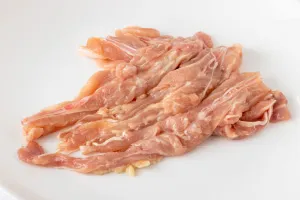 せせりseseri 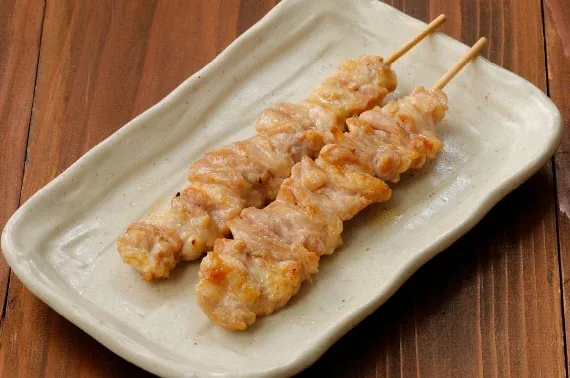 店内表記せせりseseri首の肉の塩焼き。噛むほど肉汁が出る盐烤鸡脖肉,越嚼越多汁Salt-grilled neck meat; the more you chew, the juicier | 鶏の首の肉 鸡颈肉(鸡脖肉) Chicken neck meat | 首の骨についている肉を切り取ったもの。規格での名は「こにく」(取引規格の「こにくⅠ型」) 从鸡脖子骨上剔下的肉;规格中叫“小肉”(こにく,交易规格的“小肉Ⅰ型”) Meat cut from the neck bones; the standard's name is koniku (type I in the wholesale standard) | 一羽から少量しか取れない希少な部位であることから「小肉(こにく)」とも呼ばれる。鶏は常に首を動かしているため肉質が引き締まり、プリプリした弾力と濃いうま味、噛むほどに出る肉汁が特徴で、コラーゲンも多い。鳥貴族は塩焼きのみで出し、京橋の伊勢廣は首の肉で皮をはさんだ「皮身」に使う。 因一只鸡只能取下少量、比较稀少,又叫“小肉”(こにく)。鸡的脖子总在活动,所以肉质紧实,弹牙、鲜味浓,越嚼汁水越多,胶原蛋白也丰富。鸟贵族只做盐烤;京桥伊势广则用颈肉夹住鸡皮,做成“皮身”。 Because only a little comes from each bird it is also called koniku, “small meat”. Constant neck movement makes the meat firm and springy, with deep flavour, juices that flow as you chew, and plenty of collagen. Torikizoku serves it salt-grilled only, and Ise-hiro in Kyōbashi uses it to sandwich skin in its 皮身 skewer. |
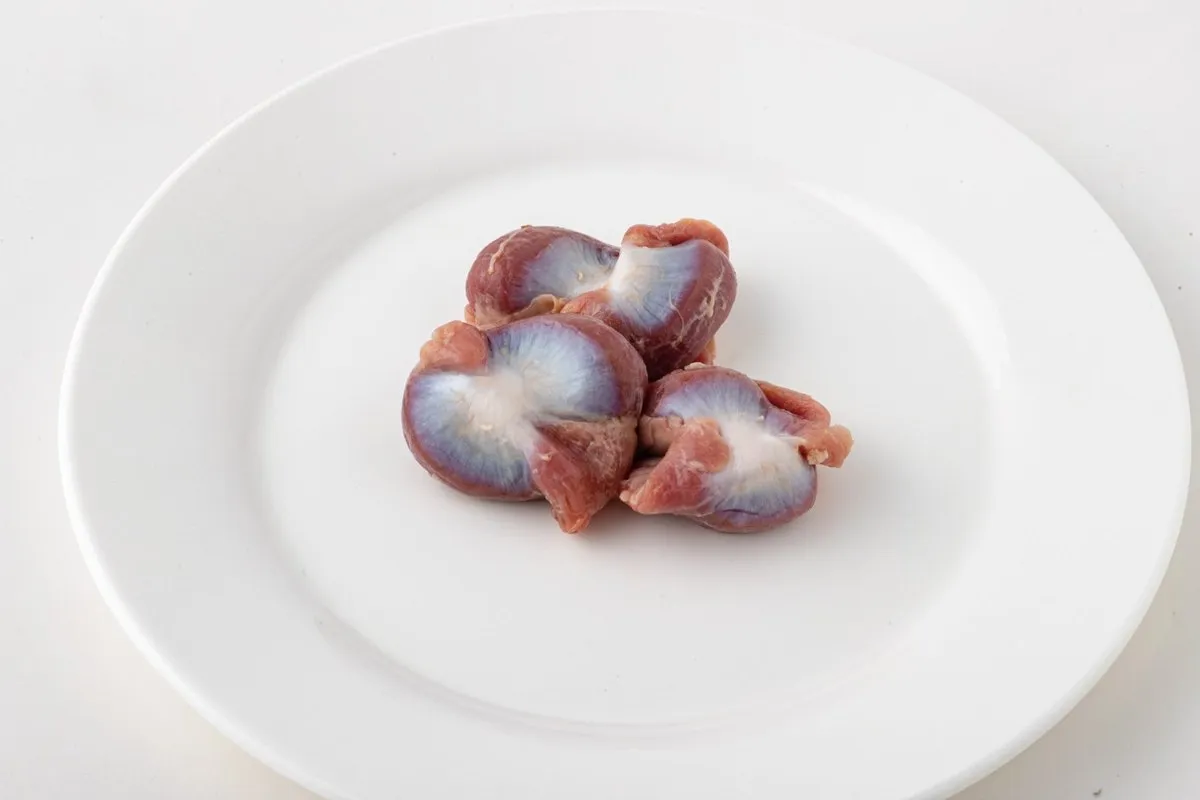 砂肝sunagimo 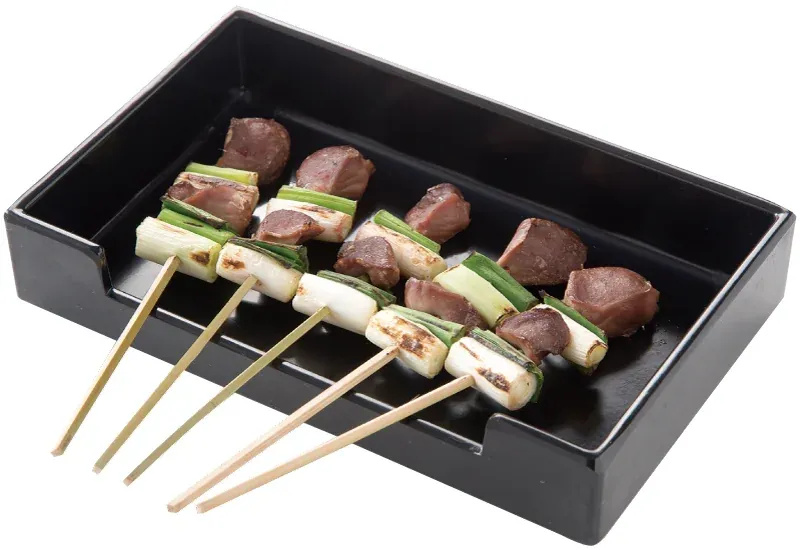 店内表記すなぎもsunagimoメス鶏の砂肝とねぎを交互に刺した塩焼き母鸡的鸡胗与大葱交替串成,盐烤Hen gizzard alternated with leek, salt-grilled 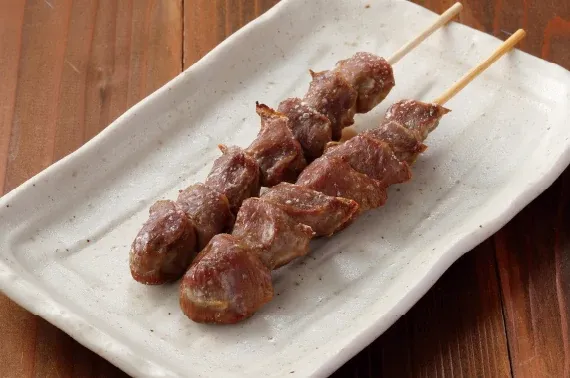 店内表記砂ずり(砂肝)sunazuri (sunagimo)「砂ずり」は砂肝の別名。コリコリした食感の塩焼き「砂ずり」是鸡胗(砂肝)的别名;盐烤,口感脆Sunazuri is another name for sunagimo (gizzard); salt-grilled and crunchy 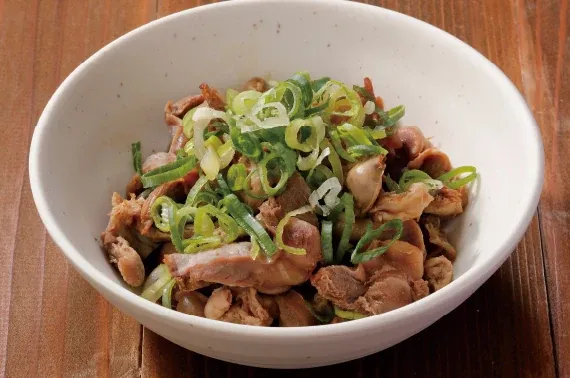 店内表記ホルモンねぎ盛ポン酢horumon negimori ponzu砂肝やハツなど鶏のホルモンにねぎを盛り、ポン酢をかけた小鉢鸡胗、鸡心等鸡杂铺上葱花、浇橙醋的小菜Chicken offal such as gizzard and heart under chopped leek, dressed with ponzu | 鶏の砂嚢(筋胃) 鸡胗 Chicken gizzard | 胃の後半部、厚い筋肉でできた筋胃(砂嚢)。規格の「すなぎも」は腺胃と内層を除いた筋胃 胃的后半部分、由厚实肌肉构成的肌胃(砂囊);规格中的“砂肝”指去掉腺胃和内层膜的肌胃 The muscular rear stomach (gizzard). In the retail standard, sunagimo is the gizzard with the glandular stomach and inner lining removed | 鳥の胃は消化液を出す前胃(腺胃)と、それに続く筋胃に分かれる。筋胃は厚い筋肉層と丈夫な膜をもち、歯のない鳥が飲み込んだ砂粒をためて食物をすりつぶすため「砂嚢(さのう)」(嚢は袋の意)とも呼ばれる。弾力があるのにさっくり噛み切れる淡白な部位で、100gあたり86kcal・脂質1.8g・たんぱく質18.3g(生)。別名「砂ぎも」「砂ずり」(主に関西で多いといわれ、鳥貴族も「砂ずり(砂肝)」と書く)で、規格には腱質を除いた「すなぎも(すじなし)」もある。 鸟的胃分为分泌消化液的前胃(腺胃)和其后的肌胃。肌胃有厚实的肌肉层和坚韧的内膜,鸟没有牙齿,靠储存在其中的砂粒把食物磨碎,因此又叫“砂囊”。口感有弹性却一咬就断,味道清淡,每100克(生)86千卡、脂肪1.8克、蛋白质18.3克。别名“砂ぎも”“砂ずり”(据说关西较常用,鸟贵族菜单也写作“砂ずり(砂肝)”),规格中另有去掉筋膜的“去筋砂肝”。 A bird's stomach has two parts: the glandular proventriculus, which secretes digestive juices, and the muscular gizzard behind it. Birds have no teeth, so the gizzard – thick-walled with a tough lining – stores swallowed grit to grind food, hence its other name sanō, “sand bag”. Springy yet clean to bite and mild in taste, it has 86 kcal, 1.8 g fat and 18.3 g protein per 100 g (raw). It is also called sunazuri, said to be commoner in Kansai (Torikizoku writes “sunazuri (sunagimo)”), and the standard also lists sunagimo with the tough sinew removed (sujinashi). |
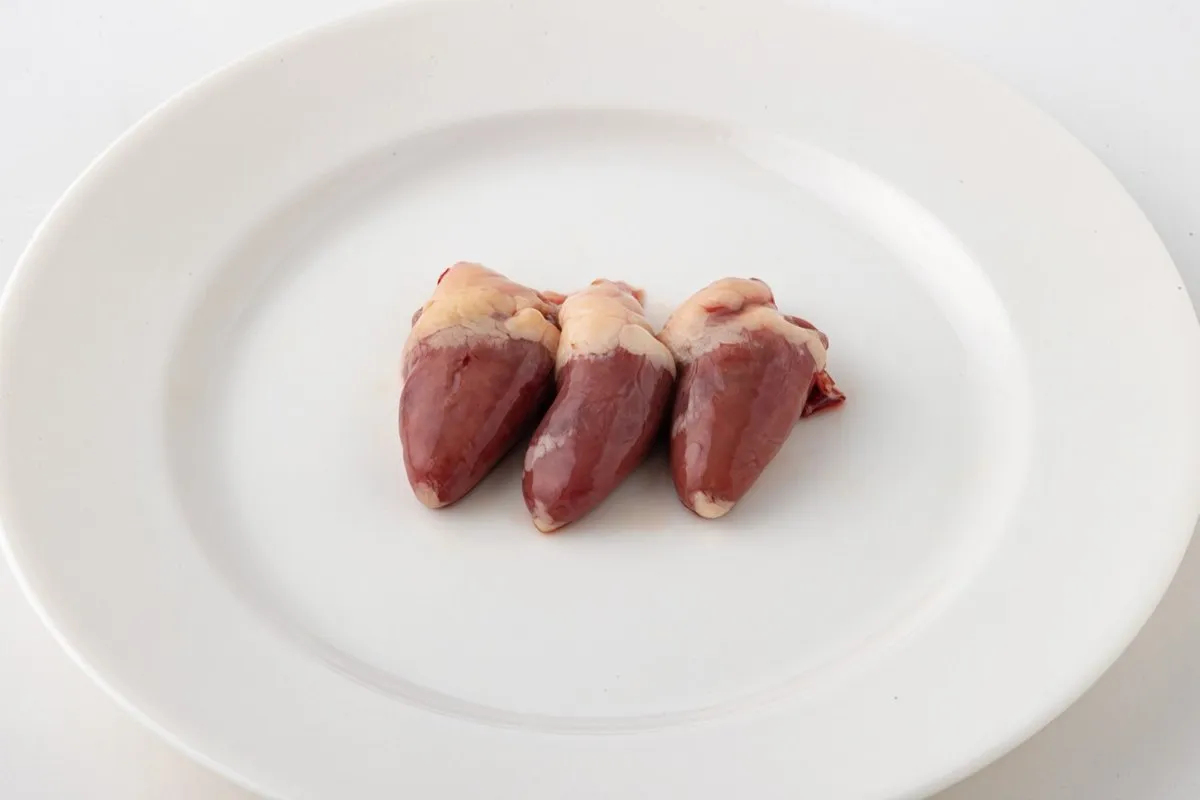 ハツhatsu 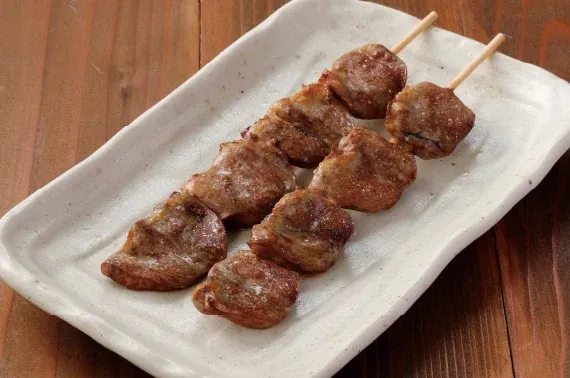 店内表記ハート(ハツ)塩hāto (hatsu) shio「ハート」はハツ(心臓)のこと。塩焼き「ハート」(heart)即鸡心(ハツ),盐烤Hāto (heart) means hatsu, chicken heart; salt-grilled 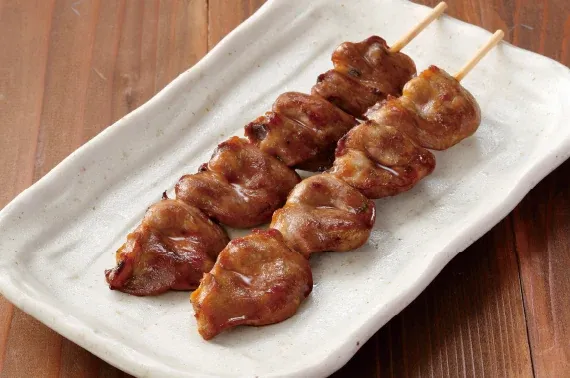 店内表記ハート(ハツ)たれhāto (hatsu) tareハツ(心臓)のたれ焼き刷酱汁烤的鸡心Chicken heart grilled with tare 店内表記ホルモンねぎ盛ポン酢horumon negimori ponzu砂肝やハツなど鶏のホルモンにねぎを盛り、ポン酢をかけた小鉢鸡胗、鸡心等鸡杂铺上葱花、浇橙醋的小菜Chicken offal such as gizzard and heart under chopped leek, dressed with ponzu | 鶏の心臓 鸡心 Chicken heart | 心臓。規格では肝臓と合わせて「きも」とし、心臓だけを売るときは「心臓」「ハート」「ハツ」と表示する 心脏。规格上与肝脏合称“きも”,单独出售心脏时标作“心脏”“ハート”或“ハツ” The heart. The standards group heart and liver together as kimo; heart sold on its own is labelled shinzō, hāto or hatsu | 「ハツ」は英語 heart から来た語で、品書きでは鳥貴族のように「ハート(ハツ)」と書く店もある。周りの脂肪や血管を取り除き血抜きするとクセのない味になり、規格にも血抜きして上部を除いた「ハツ(血ぬき)」がある。100gあたり186kcal・脂質15.5g(生)で、肝臓(3.1g)や砂肝(1.8g)より脂質が多い。大動脈がつながる上部「ハツモト」は1羽から取れる量が少なく、柔らかく歯切れがよい。 “ハツ”来自英语heart,菜单写法不一,例如鸟贵族写作“ハート(ハツ)”。去掉周围的脂肪和血管并放血后没有腥膻味,规格中也有放过血、切除上部的“ハツ(血ぬき)”。每100克(生)186千卡、脂肪15.5克,脂肪比鸡肝(3.1克)和鸡胗(1.8克)多。连着主动脉的上端叫“ハツモト”(心根),一只鸡只能取下一点,肉质柔软、脆爽。 Hatsu comes from English “heart”, and menus differ – Torikizoku, for one, writes hāto (hatsu). Trimmed of the surrounding fat and vessels and bled, it has no off-flavour, and the standard lists a bled, top-trimmed “hatsu (chinuki)”. It has 186 kcal and 15.5 g fat per 100 g (raw) – far more fat than liver (3.1 g) or gizzard (1.8 g). The top where the aorta joins, hatsumoto, yields only a little per bird and is tender with a clean bite. |
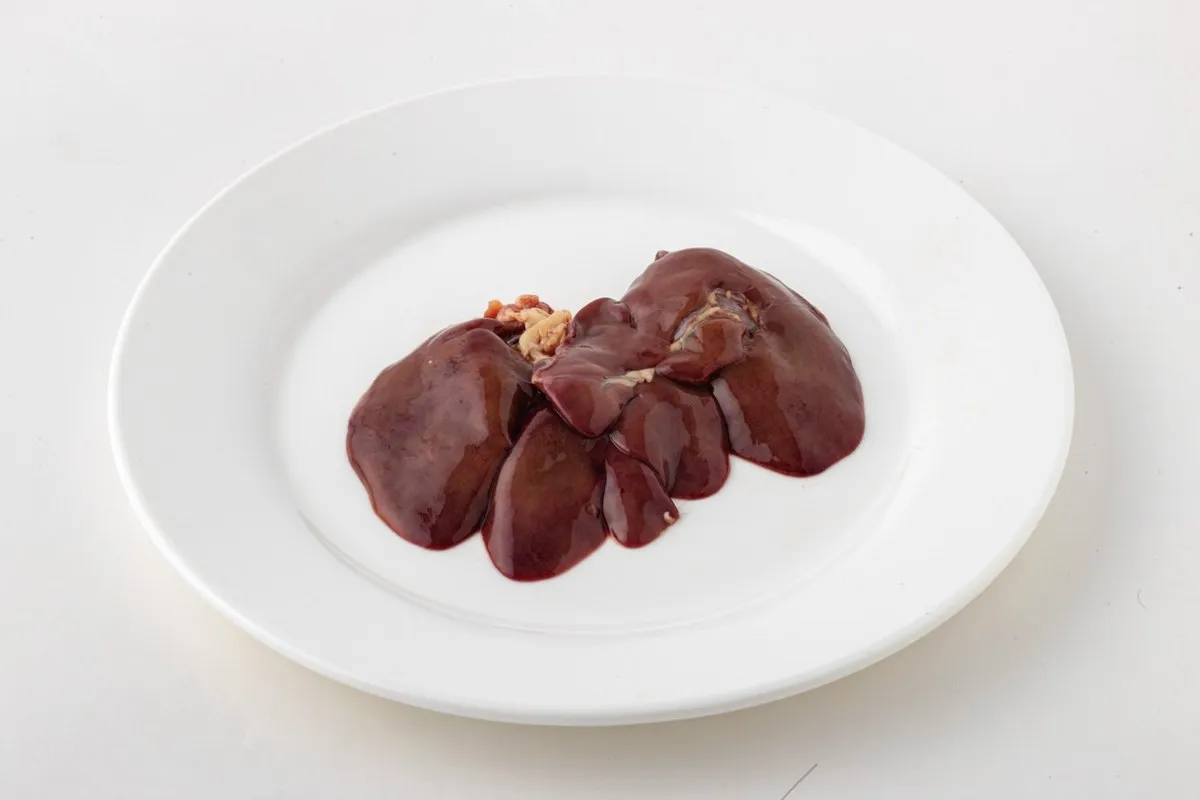 レバーrebā 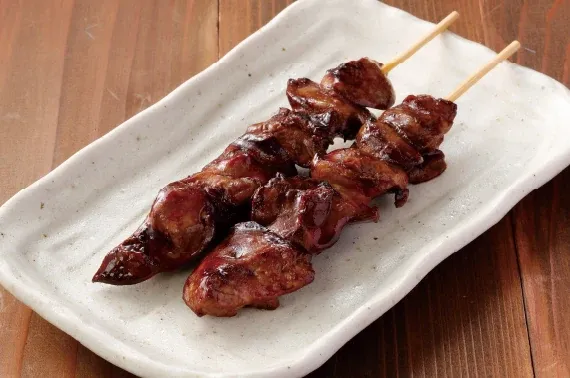 店内表記きも(レバー)kimo (rebā)鶏レバーのたれ焼き。「きも」は肝のこと酱汁烤鸡肝;「きも」即“肝”Chicken liver grilled with tare; kimo means liver 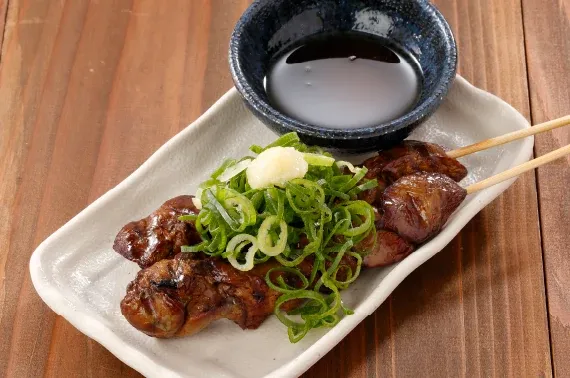 店内表記きも焼kimoyaki焼いたレバーに刻みねぎとおろしにんにくをのせ、塩ごま油を添える烤鸡肝铺葱花和蒜泥,配盐味麻油Grilled chicken liver topped with scallions and grated garlic, with salted sesame oil | 鶏の肝臓 鸡肝 Chicken liver | 肝臓。規格では心臓と合わせて「きも」とし、肝臓だけなら「肝臓」または「レバー」と表示する 肝脏。规格上与心脏合称“きも”,单独出售时标作“肝脏”或“レバー” The liver. The standards sell it with the heart as kimo, or alone as kanzō or rebā | 英語 liver から来た語で、1904年の村井弦斎『食道楽』に用例がある。別名「きも」で、鳥貴族も「きも(レバー)」と書く。100gあたり(生)たんぱく質18.9g・脂質3.1gのほか、鉄9.0mg、ビタミンA(レチノール活性当量)14,000µg、ビタミンB12 44.0µgを含む。鳥貴族はタレ焼きのみで出し、京橋の伊勢廣は肝臓・心臓・腎臓などを合わせた串をタレで焼き、100羽に1羽ほどしか取れない脂肪を蓄えた肝を選んで使うとしている。 来自英语liver,1904年村井弦斋的小说《食道乐》中已有用例。别名“きも”(肝),鸟贵族菜单也写作“きも(レバー)”。每100克(生)含蛋白质18.9克、脂肪3.1克,另含铁9.0毫克、维生素A(视黄醇活性当量)14000微克、维生素B12 44.0微克。鸟贵族只做酱汁烤;京桥伊势广把肝、心、肾等串在一起刷酱烤,并称专挑约100只鸡里才有1只的、积满脂肪的肝。 From English “liver”, attested in Murai Gensai's novel Kuidōraku (1904). It is also called kimo, and Torikizoku writes kimo (rebā). Per 100 g raw it has 18.9 g protein and 3.1 g fat, plus 9.0 mg iron, 14,000 µg vitamin A (retinol activity equivalents) and 44.0 µg vitamin B12. Torikizoku grills it with tare only; Ise-hiro in Kyōbashi grills a mixed skewer of liver, heart, kidney and more with tare, and says it picks fat-rich livers found in only about one bird in a hundred. |
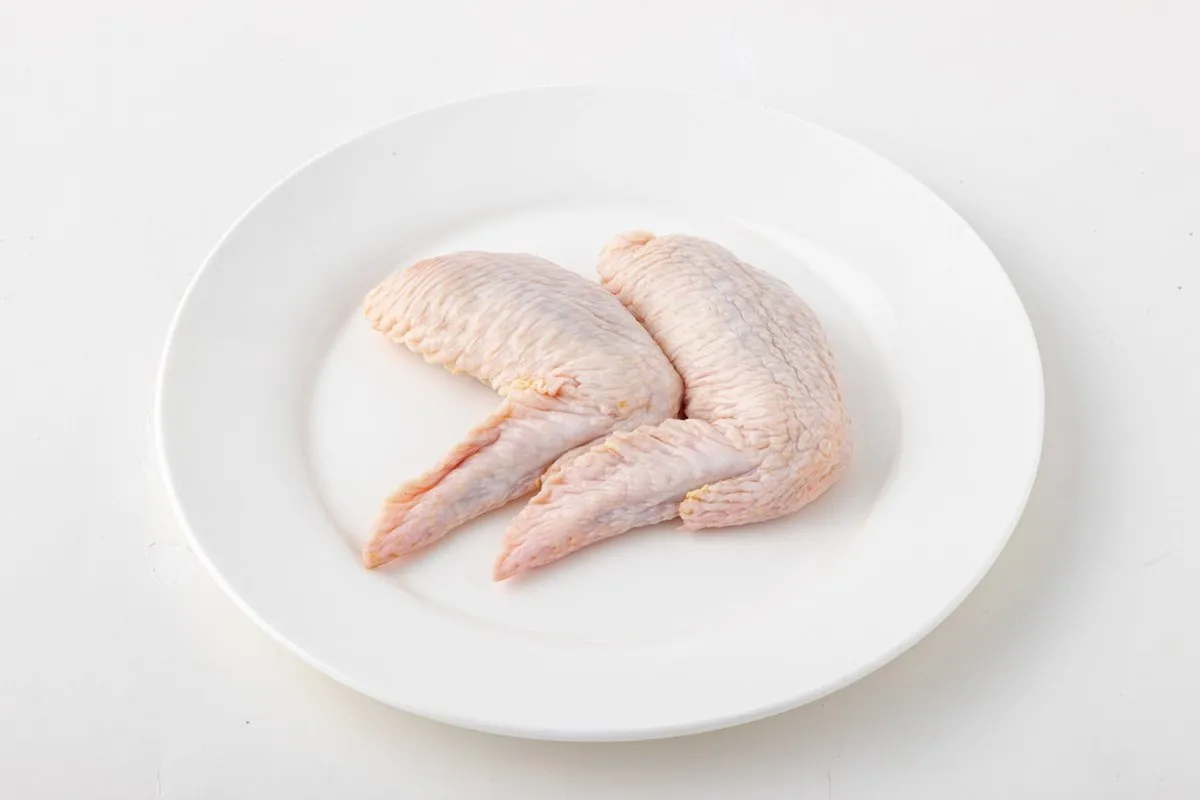 手羽先tebasaki 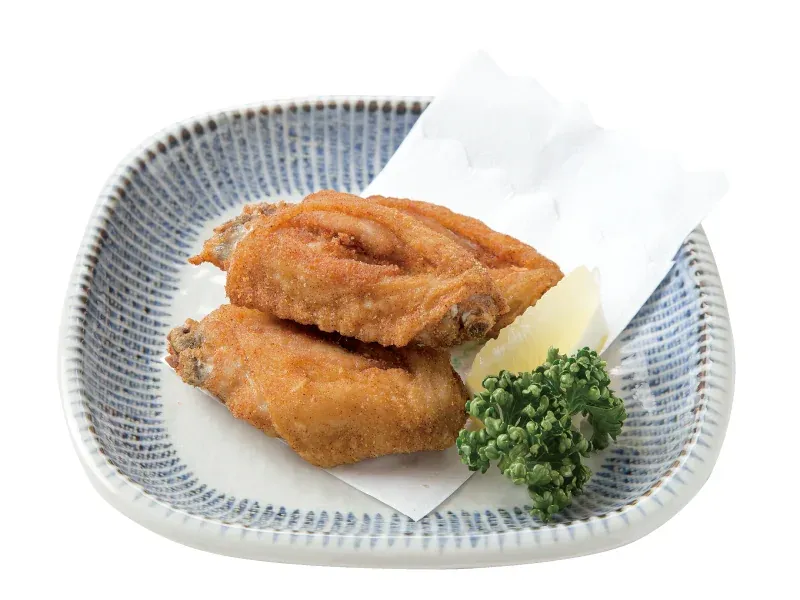 店内表記若どり手羽揚げwakadori teba-age若どりの手羽先を自家製の唐揚粉で揚げたもの用自制炸鸡粉炸的嫩鸡翅(翅中连翅尖)Young-chicken wings (flat and tip) fried in a house-made karaage coating 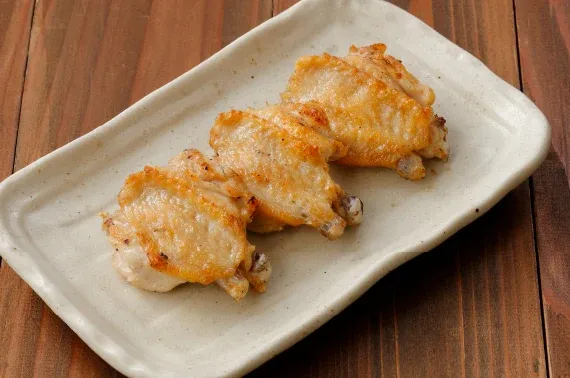 店内表記手羽先塩tebasaki shio手羽先を岩塩で焼いたもの用岩盐烤的鸡翅Chicken wings grilled with rock salt 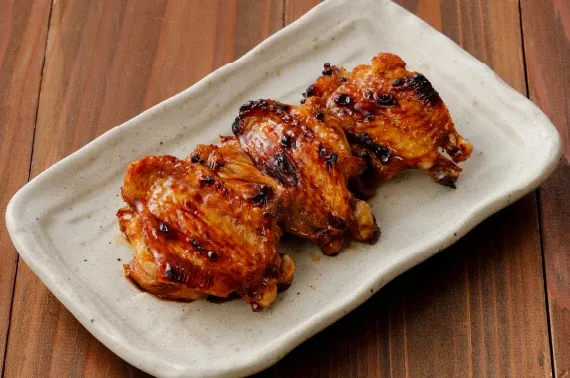 店内表記手羽先たれtebasaki tare手羽先をたれで焼いたもの刷酱汁烤的鸡翅Chicken wings grilled with tare | 鶏の手羽先 鸡翅(翅中连翅尖) Chicken wing (flat and tip) | 手羽(翼の上腕から先端まで)から上腕部分の「手羽もと」を除いた残り。橈骨・尺骨部分の「手羽なか」と先端部分の「手羽はし」から成る 整只翅膀(从上臂到翅尖)去掉上臂部分“翅根”(手羽もと)后剩下的部分,由桡骨和尺骨段的“翅中”(手羽なか)和末端的“翅尖”(手羽はし)组成 The wing (upper arm to tip) minus the upper-arm drumette (tebamoto): the flat (tebanaka, the radius-and-ulna section) plus the tip (tebahashi) | ゼラチン質と脂質が多くうま味が濃い部位で、若どりの手羽さき(皮つき・生)は100gあたり207kcal・脂質16.2g、重量の40%が骨。手羽なかを縦半分に割ったものは「鶏スペアリブ」と呼ばれる。焼き鳥では京橋の伊勢廣が骨ごとぶつ切りにして塩で焼き、鳥貴族は塩とタレの両方で出す。名古屋名物の手羽先唐揚げは1963年創業の「風来坊」が元祖を名乗り、手羽先がスープの材料程度にしか使われなかった時代、発注ミスで丸鶏が届かなかった日に生まれたという。 富含胶质和脂肪,鲜味浓:若鸡带皮生翅(手羽先)每100克207千卡、脂肪16.2克,重量的40%是骨头。把翅中纵向劈成两半的叫“鸡肋排”(鶏スペアリブ)。烤鸡串店里,京桥伊势广连骨剁块撒盐烤,鸟贵族则盐味和酱汁都有。名古屋名物“炸鸡翅”以1963年创业的“风来坊”自称元祖;据该店说,当时鸡翅几乎只用来熬汤,某天因订货失误整鸡没到货,才把鸡翅蘸上秘制酱汁端上桌。 Rich in gelatin and fat, with deep flavour: raw skin-on tebasaki from young chickens has 207 kcal and 16.2 g fat per 100 g, and 40% of its weight is bone. A flat split lengthwise is sold as “chicken spare ribs”. Ise-hiro in Kyōbashi chops it bone-in and salt-grills it; Torikizoku offers salt or tare. Nagoya's famous fried wings are claimed by Fūraibō (founded 1963), which says they were born when wings went mostly into stock and a mis-order left the shop without whole chickens one day. |
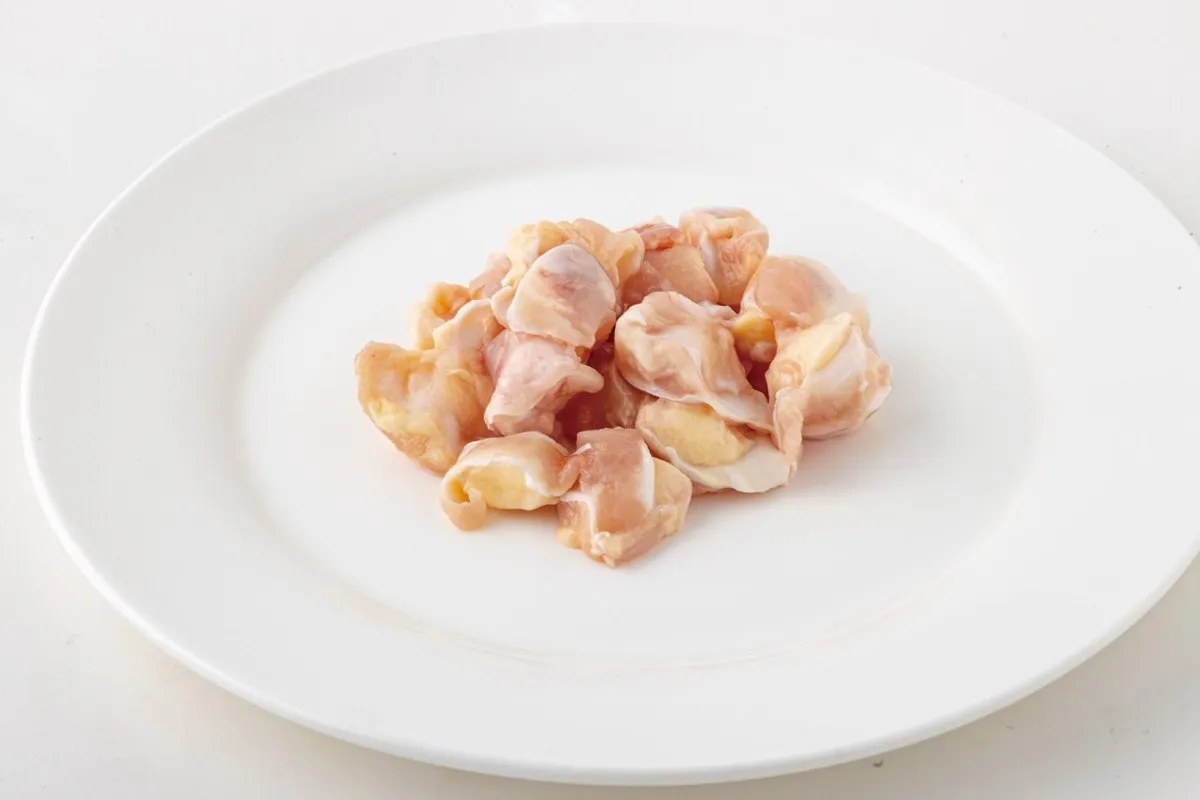 なんこつnankotsu 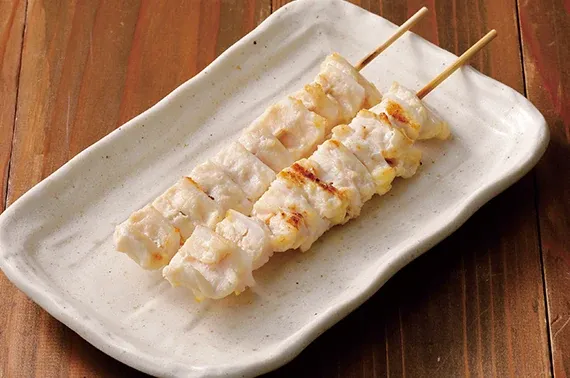 店内表記やげんなんこつyagen nankotsu胸骨の先の軟骨(やげん)の塩焼き盐烤鸡胸骨尖端的软骨(やげん)Salt-grilled cartilage from the tip of the breastbone (yagen) 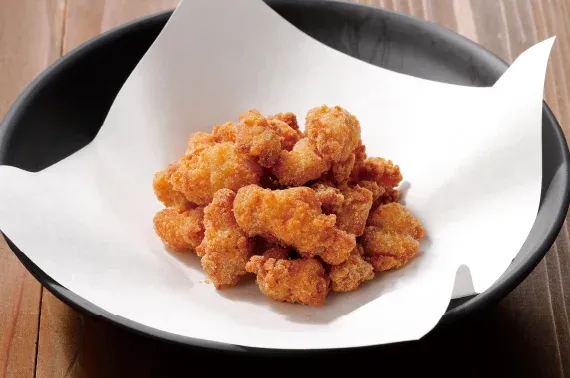 店内表記ひざなんこつ唐揚hiza nankotsu karaage膝の軟骨の唐揚。サクサク・コリコリの塩味炸鸡膝软骨,咸香酥脆Fried knee cartilage; salty, crisp and crunchy | 鶏の軟骨 鸡软骨 Chicken cartilage | 胸骨の先端の軟骨(ヤゲン)や関節の軟骨。規格では「胸骨及び関節の軟骨」とし、「なんこつ(胸骨)」のように部位を添えて表示する 胸骨尖端的软骨(ヤゲン,药研软骨)及关节软骨。规格定义为“胸骨及关节的软骨”,并须注明部位,如“软骨(胸骨)” Cartilage from the breastbone tip (yagen) and from joints. The standard defines nankotsu as cartilage of the breastbone and joints, labelled with the part, e.g. nankotsu (breastbone) | 「軟骨」という語は『解体新書』(1774年)でオランダ語 kraakbeen の訳語として初めて見える。胸骨の先端は、生薬をすりつぶす舟形でV字にくぼんだ器具「薬研(やげん)」に形が似ることから「ヤゲン」と呼ばれ、肉がついたまま調理することが多く、肉の食感とコリコリ感を同時に楽しめる。胸の軟骨(生)は100gあたり54kcal・脂質0.4g・水分85.0g。農林水産省の aff はヤゲンやゲンコツなど骨の位置で食感が違うとし、鳥貴族は串の「やげんなんこつ」と「ひざなんこつ唐揚」を出している。 “軟骨”一词最早见于《解体新书》(1774年),是荷兰语kraakbeen的译词。胸骨尖端因形似研磨中药用的船形V字槽器具“药研”(やげん)而叫“ヤゲン”,多连着肉一起烹调,能同时吃到肉的口感和脆劲。鸡胸软骨(生)每100克54千卡、脂肪0.4克、水分85.0克。农水省aff指出ヤゲン、ゲンコツ等因骨头位置不同口感各异;鸟贵族有“药研软骨”串和“炸膝软骨”。 The word 軟骨 first appears in Kaitai Shinsho (1774) as a translation of Dutch kraakbeen. The breastbone tip is called yagen after the yagen, a boat-shaped, V-grooved tool for grinding herbal medicine, which it resembles; it is usually cooked with meat attached, giving tender meat and crunch together. Raw breast cartilage has 54 kcal, 0.4 g fat and 85.0 g water per 100 g. MAFF notes that cartilage from different bones, such as yagen and genkotsu, differs in texture; Torikizoku sells yagen-nankotsu skewers and fried hiza (knee) nankotsu. |
用語菜单用语Menu words
「焼き鳥」は明治・大正のころまで、ツグミやスズメなどの小鳥を丸ごと直火で焼いたものを指した。明治半ばに鶏の端肉や内臓を串に刺してタレで焼く屋台が生まれ、牛や豚の臓物の串もまとめて「やきとり」と呼んだため、今も豚の串焼きを「やきとり」と呼ぶ地域があり、漢字の「焼き鳥」は鶏、ひらがなの「やきとり」は鶏に限らないと書き分ける専門家もいる。俳句では冬の季語。直到明治、大正年间,“焼き鳥”还是指把斑鸫、麻雀等小鸟整只用明火烤。明治中期出现了把鸡的边角肉和内脏串起来刷酱烤的路边摊,牛、猪内脏串也统称“やきとり”,所以至今仍有地方把烤猪肉串叫“やきとり”;也有专家区分写法:汉字“焼き鳥”专指鸡,平假名“やきとり”则不限于鸡。在俳句中它是冬季的季语。Until the Meiji and Taishō eras, yakitori meant small birds such as thrushes and sparrows grilled whole over an open flame. In the mid-Meiji period street stalls began skewering chicken trimmings and offal and grilling them with tare, and beef and pork offal skewers went by the same name – so some regions still call pork skewers yakitori, and some experts write 焼き鳥 for chicken but やきとり for skewers of any meat. In haiku it is a winter season word.
| ことば词Word | 意味意思Meaning | 部位・正体部位What & where | 解説说明Notes |
|---|---|---|---|
名物純けいjunkei親鶏(卵を産んだメス鶏)のもも肉と皮の塩焼き。好みでからしを付ける下过蛋的母鸡(老母鸡)的腿肉和皮,盐烤;可按喜好蘸日式黄芥末Salt-grilled thigh and skin from hens that have laid eggs (oyadori); karashi mustard to taste 店内表記ささみsasamiメス鶏のささみの塩焼き母鸡的鸡里脊,盐烤Salt-grilled tenderloin from hens 店内表記すなぎもsunagimoメス鶏の砂肝とねぎを交互に刺した塩焼き母鸡的鸡胗与大葱交替串成,盐烤Hen gizzard alternated with leek, salt-grilled 店内表記若皮wakakawa若どりの皮に脂と肉も合わせた塩焼き嫩鸡皮连同鸡油和鸡肉一起串的盐烤串Young-chicken skin with some fat and meat, salt-grilled 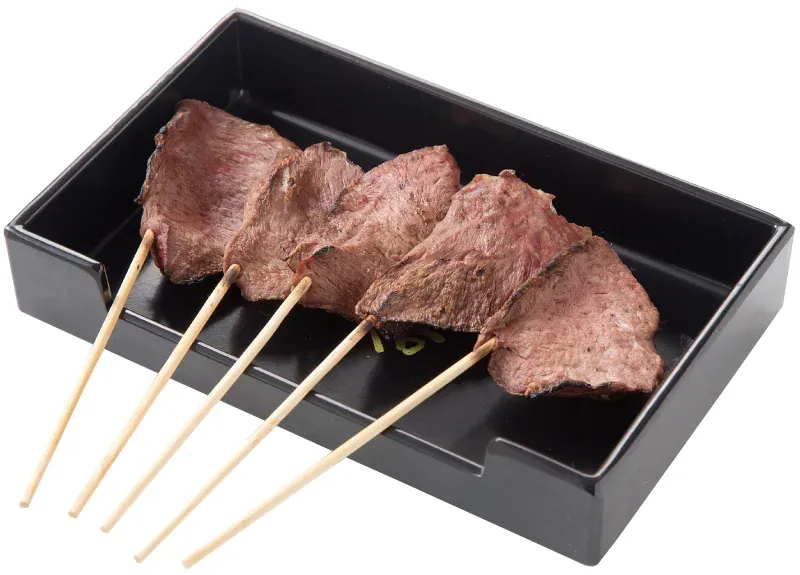 店内表記しんぞうshinzō「しんぞう」は豚の心臓(ハツ)。塩焼き「しんぞう」即猪心,盐烤Shinzō (“heart”) is pork heart; salt-grilled 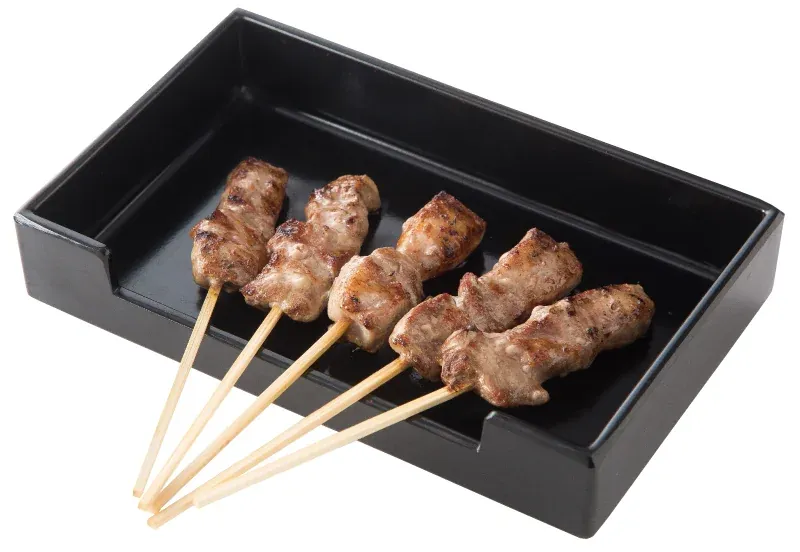 店内表記はらみharami豚の横隔膜(ハラミ)の塩焼き猪横膈膜(ハラミ),盐烤Salt-grilled pork diaphragm (harami) 店内表記手羽先塩tebasaki shio手羽先を岩塩で焼いたもの用岩盐烤的鸡翅Chicken wings grilled with rock salt 店内表記つくね塩tsukune shio大葉が香るつくねの塩焼き带紫苏叶香的鸡肉丸,盐烤Salt-grilled chicken meatballs with a shiso aroma 店内表記ささみ塩焼sasami shioyakiささみの塩焼き。粗くおろした本わさび(国産西洋わさびとのブレンド)を添える盐烤鸡里脊,配粗磨的山葵(掺有日本产辣根)Salt-grilled tenderloin with coarse-grated wasabi (blended with Japanese horseradish) 店内表記ハート(ハツ)塩hāto (hatsu) shio「ハート」はハツ(心臓)のこと。塩焼き「ハート」(heart)即鸡心(ハツ),盐烤Hāto (heart) means hatsu, chicken heart; salt-grilled 店内表記かわ塩kawa shio下ゆでした鶏皮をカリッと焼いた塩焼き先焯水的鸡皮,盐烤至酥脆Pre-boiled chicken skin, salt-grilled until crisp 店内表記鶏旨丼(塩)toriumadon (shio)岩塩で焼いたもも肉に、けずり粉とマヨネーズをかけた焼鳥丼岩盐烤鸡腿肉盖饭,撒鱼干粉、挤蛋黄酱Yakitori rice bowl: thigh grilled with rock salt, with dried-fish powder and mayo | 塩味(塩焼き) 盐味(盐烤) Salt (salt-grilled) | タレを使わず、串に塩を振って焼く味付け。焼き鳥の味付けは基本的に「塩」か「タレ」 不刷酱汁、只撒盐烤的调味方式;烤鸡串的调味基本是“盐”或“酱汁”二选一 Seasoning with salt alone instead of tare; yakitori is basically ordered either shio or tare | 辞書は焼き鳥を、串に刺して素焼きにしてから「たれ、塩などをつけて焼いたもの」と定義し、材料に塩を振りかけることを「振り塩」(あて塩)という。どの部位を塩にするかは店が決め、鳥貴族はぼんじり(三角)・砂肝・ささみ・せせり・やげんなんこつを塩焼きのみ、レバー(きも)はタレのみで出し、手羽先・つくね・皮・ハツは両方から選べる。京橋の伊勢廣のコースでも、ささみ(わさび添え)・砂肝・皮身・手羽は塩、レバーやもも肉はタレで焼く。 词典把烤鸡串定义为串好后先素烤、再“蘸酱汁或盐等烤制的食物”,往食材上撒盐叫“振り塩”(又称“あて塩”)。哪些部位用盐由店家决定:鸟贵族的鸡屁股(三角)、鸡胗、鸡里脊、鸡颈肉、药研软骨只做盐烤,鸡肝(きも)只做酱汁烤,鸡翅、鸡肉丸、鸡皮、鸡心两种可选。京桥伊势广的套餐里,鸡里脊(配山葵)、鸡胗、皮身、鸡翅用盐,鸡肝和腿肉则刷酱汁。 Dictionaries define yakitori as skewers grilled plain and then “with tare, salt and so on”; sprinkling salt over food is called furi-jio (also ate-jio). Each shop decides which cuts get salt: Torikizoku serves bonjiri (sankaku), gizzard, sasami, seseri and yagen cartilage salt-only and liver (kimo) tare-only, and lets you choose for wings, tsukune, skin and heart. Ise-hiro's course in Kyōbashi likewise salt-grills sasami (with wasabi), gizzard, 皮身 (skin with neck meat) and wings, and uses tare for liver and thigh. |
店内表記ねぎまnegima若どりのもも肉とねぎを交互に刺したタレ焼き嫩鸡腿肉与大葱交替串成,刷酱汁烤Young-chicken thigh alternated with leek, grilled with tare 店内表記つくねtsukune若どりをベースに数種類の肉を合わせたつくねのタレ焼き以嫩鸡肉为主、掺入几种肉做的鸡肉丸,刷酱汁烤Meatballs of young chicken blended with several other meats, grilled with tare 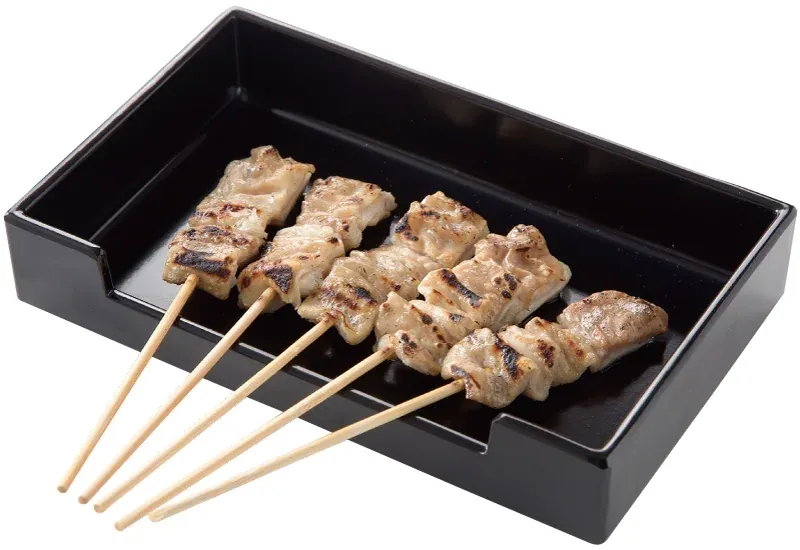 店内表記しろshiro「しろ」は豚の腸(ホルモン)。タレ焼き「しろ」(白)即猪肠,刷酱汁烤Shiro (“white”) is pork intestine; grilled with tare 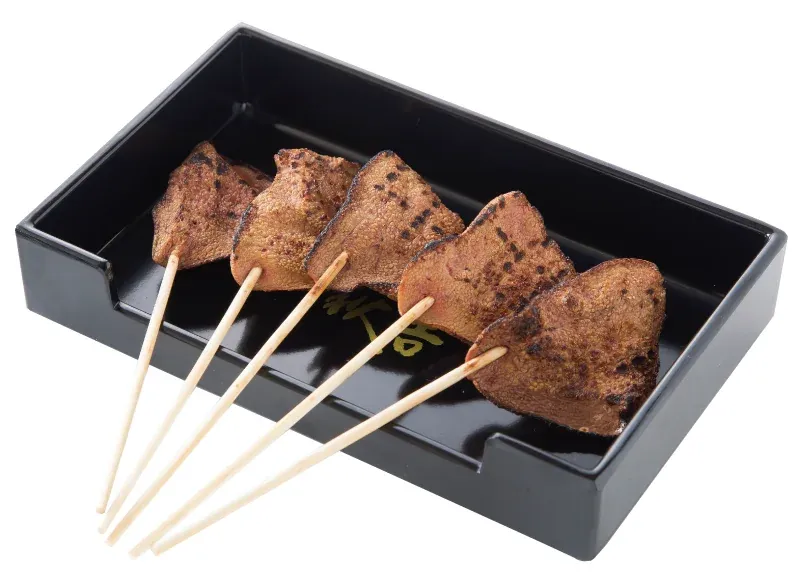 店内表記あかaka「あか」は豚のレバー(肝臓)。タレ焼き「あか」(红)即猪肝,刷酱汁烤Aka (“red”) is pork liver; grilled with tare 店内表記手羽先たれtebasaki tare手羽先をたれで焼いたもの刷酱汁烤的鸡翅Chicken wings grilled with tare 店内表記みたれ(もも肉)mitare (momoniku)もも肉だけを刺したたれ焼き只串鸡腿肉的酱汁烤串Thigh meat only, grilled with tare 店内表記つくねたれtsukune tareつくねのたれ焼き刷酱汁烤的鸡肉丸Chicken meatballs grilled with tare 店内表記かわたれkawa tare余分な脂を下処理で除いた鶏皮のたれ焼き预先去掉多余脂肪的鸡皮,刷酱汁烤Chicken skin trimmed of excess fat, grilled with tare 店内表記ハート(ハツ)たれhāto (hatsu) tareハツ(心臓)のたれ焼き刷酱汁烤的鸡心Chicken heart grilled with tare 店内表記鶏旨丼(タレ)toriumadon (tare)タレで焼いたもも肉に、けずり粉とマヨネーズをかけた焼鳥丼酱汁烤鸡腿肉盖饭,撒鱼干粉、挤蛋黄酱Yakitori rice bowl: tare-grilled thigh with dried-fish powder and mayo | 焼き鳥のたれ 烤鸡串酱汁 Tare (basting sauce) | 醤油と味醂などを合わせて煮詰めた甘辛い調味液。素焼きにした串に付けて焼く 酱油和味醂等调合熬制的甜咸调味汁,刷在素烤过的串上再烤 A sweet-savoury sauce of soy sauce, mirin and the like, cooked down and brushed on skewers after a plain first grilling | 「たれ」は、もとは味噌の垂れ汁(たれじる)から始まった語で、漢字では「垂れ」と書く。焼き鳥のたれは醤油と味醂を同割(1対1)にしたものが基本で、白焼きにした後、たれを繰り返し付けながら焼く(付け焼き)。京橋の伊勢廣は戦後の再開以来、醤油と味醂だけのタレを、減った分だけ少しずつ補う「仕継ぎ」で受け継いでいる。寿司で使う煮詰めたたれを「つめ」と呼ぶのも同じ系統の調味液である。 “たれ”一词源自味噌滴出的汁(垂汁),汉字写作“垂れ”。烤鸡串酱汁以酱油和味醂各半(1:1)为基础,先素烤,再反复蘸酱烤(付け焼き)。东京京桥的老店伊势广自战后重新开业以来,一直沿用只用酱油和味醂的酱汁,用掉多少就一点点补多少,称为“仕継ぎ”。寿司上用的熬浓酱汁叫“つめ”(煮詰め),也属同一类调味汁。 The word began with the juice that drips from miso (tarejiru) and is written 垂れ, “dripping”. Yakitori tare is basically equal parts soy sauce and mirin; skewers are first grilled plain, then basted and grilled repeatedly (tsuke-yaki). Ise-hiro in Kyōbashi has kept its soy-and-mirin-only tare going since reopening after the war, topping it up only by what is used (shitsugi). The reduced sauce brushed on sushi, tsume, belongs to the same family of seasoning. |
本hon | 串を数える助数詞 串(数串的量词) Counter for skewers | 長い物・細長い棒状の物を数える助数詞。焼き鳥は串1本ずつ数える 数长条形物品的量词;烤鸡串按串数计 The counter for long, thin objects; yakitori is counted skewer by skewer | 前の数によって「ほん・ぼん・ぽん」と音が変わり、1本いっぽん、2本にほん、3本さんぼん、4本よんほん、5本ごほん、6本ろっぽん、7本ななほん、8本はっぽん、9本きゅうほん、10本じっぽん。常用漢字表は「十」のこの読みを「ジッ」とし、「ジュッ」も認めている(じゅっぽん)。1皿の本数は店によって異なり、鳥貴族の焼鳥は各2本、京橋の伊勢廣は焼鳥7本の「7本コース」や持ち帰りの「10本入り」を設けている。 读音随前面的数字变成“ほん/ぼん/ぽん”:1本いっぽん、2本にほん、3本さんぼん、4本よんほん、5本ごほん、6本ろっぽん、7本ななほん、8本はっぽん、9本きゅうほん、10本じっぽん。《常用汉字表》把“十”在这里的读音定为“ジッ”,同时认可“ジュッ”(じゅっぽん)。每份几串因店而异:鸟贵族的烤鸡串每份2串,京桥伊势广有7串的“7本套餐”和外带“10串装”。 The sound shifts with the number: ippon, nihon, sanbon, yonhon, gohon, roppon, nanahon, happon, kyūhon, jippon (1–10). The official Jōyō kanji table lists ジッ for 十 here (jippon) and accepts ジュッ as an alternative (juppon). How many come per order varies: every yakitori item at Torikizoku is two skewers, while Ise-hiro in Kyōbashi offers a seven-skewer course and a ten-skewer takeaway box. |
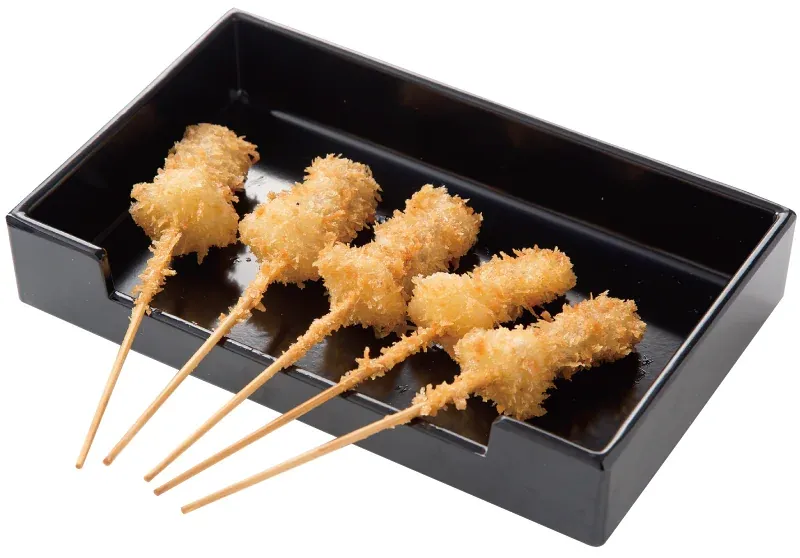 名物串カツkushikatsu牛肉と玉ねぎを串に刺し、パン粉を付けて揚げたもの。専用のカツタレを付ける牛肉和洋葱穿串、裹面包糠油炸,蘸专用的炸串酱汁Breaded, deep-fried skewers of beef and onion, dipped in their own katsu sauce 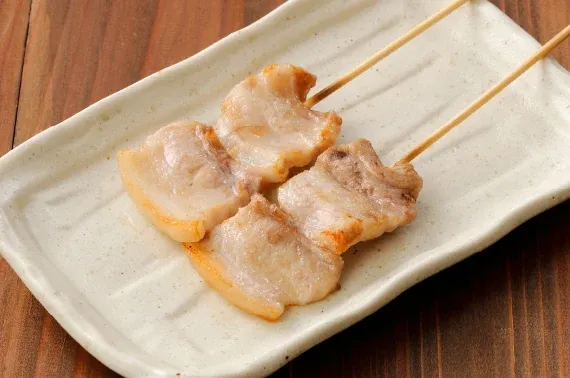 店内表記豚バラ串焼butabara kushiyaki赤身と脂が層になった豚バラ(三枚肉)の串焼き猪五花(瘦肥相间的「三枚肉」)烤串Pork belly skewers (sanmainiku, layered lean and fat) | 串 签子;串 Skewer | 食材を刺し通して焼いたり干したりする、先のとがった竹や鉄の細い棒。串に刺して焼く料理は「串焼き」 用来穿起食材烤制或晾干的尖头竹签或铁签;串起来烤的菜叫“串焼き”(烤串) A pointed bamboo or metal stick for threading food to grill or dry; food grilled on one is kushiyaki | 「櫛(くし)」と同語源とされ、漢字「串」は物を串刺しにした形の象形文字。古くは「焼串(やいぐし)」と呼ばれて竹製がほとんどで、室町時代の『四条流庖丁書』(1489年)は大焼串を長さ1尺2寸(約36cm)、小焼串を1尺(約30cm)と定めている。串に刺すことを「串を打つ」「串打ち」といい、職人の世界では「串打ち三年、焼き一生」と言われる。京橋の伊勢廣は毎朝届く丸鶏を捌き、部位ごとに串を打つ。 据说与“櫛”(梳子)同源;汉字“串”是把东西穿在一起的象形字。古称“焼串”(やいぐし),几乎都是竹制,室町时代的《四条流庖丁书》(1489年)规定大烤签长1尺2寸(约36厘米)、小烤签长1尺(约30厘米)。穿串叫“串を打つ”(串打ち),行内有“穿串三年,烤一辈子”(串打ち三年、焼き一生)的说法。京桥伊势广每天早上把送来的整鸡分割,再按部位穿串。 The word is thought to share its origin with kushi “comb”, and the kanji 串 is a pictograph of things threaded on a stick. Anciently called yaigushi (“grilling skewer”) and almost always bamboo, skewers were given set sizes in the Muromachi-period cookery text Shijō-ryū Hōchōgaki (1489): 1 shaku 2 sun (about 36 cm) for a large one, 1 shaku (about 30 cm) for a small one. Threading is kushi-uchi, and the trade saying goes “three years to skewer, a lifetime to grill” (kushi-uchi sannen, yaki isshō). Ise-hiro in Kyōbashi butchers whole birds delivered every morning and skewers them part by part. |
おまかせomakase | 店に任せること 交给店家安排 Chef's choice | 料理の内容(どの串を、どの順で出すか)を店に一任する注文の仕方。漢字では「お任せ」 把菜品内容(上哪些串、按什么顺序)全权交给店家决定的点法,汉字写作“お任せ” Leaving the selection – which skewers, in what order – to the shop; written お任せ in kanji | 「任せる」に丁寧の接頭語「お(御)」が付いた語で、辞書は特に「料理屋で料理の内容を店に一任すること」とし、「お任せコース」を用例に挙げる。京橋の伊勢廣は夜はコースのみで、焼鳥9本にスープなどが付く12品の「フルコース」は、鶏1羽のすべての部位を味わえるよう創業者夫妻が考案したという。池尻大橋の「鳥とみ」のように、焼き鳥と水炊きのコースだけを出す店もある。 由“任せる”(托付)加上敬语前缀“お”构成;词典特别解释为“在饭馆把菜品内容全权交给店家”,并以“お任せコース”(主厨套餐)为例。东京京桥的老店伊势广晚上只提供套餐,其12道的“全套”(9串烤鸡加汤等)据说是创始人夫妇为让客人尝遍一只鸡的所有部位而设计的。也有店像池尻大桥的“鸟とみ”那样只供应烤鸡串加水炊锅的套餐。 From makaseru, “to entrust”, with the polite prefix o-; dictionaries note its special use for leaving the menu to a restaurant and cite omakase kōsu (“chef's-choice course”). At Ise-hiro in Kyōbashi dinner is course-only, and its 12-item full course – nine skewers plus soup and sides – was devised by the founding couple so diners could taste every part of one bird. Some shops, such as Toritomi in Ikejiri-Ōhashi, serve nothing but a set course of yakitori and mizutaki. |
盛り合わせmoriawase | 数種を一皿に盛ったもの 拼盘 Assortment (mixed plate) | 一つの器に異なるものをいくつか取り合わせて盛ったもの。焼き鳥では数種類の串を一皿にまとめた品 把几种不同的东西搭配盛在一个容器里;烤鸡串里指把几种串装成一盘 Several different items arranged together in one dish; for yakitori, a plate of mixed skewers | 「盛る」(器に入れて満たす・積み上げる)と「合わせる」から成る語で、辞書の見出しは【盛(り)合(わ)せ】、つまり送り仮名を省いた「盛合せ」「盛り合せ」も通用する表記。辞書の用例は「刺身を三人前盛り合わせにする」。器に盛るのが盛り合わせで、箱や籠に2種類以上を詰めたものは「詰め合わせ」と呼び分ける。 由“盛る”(盛入容器、堆起)和“合わせる”(搭配)构成;词典词头写作【盛(り)合(わ)せ】,即省略送假名的“盛合せ”“盛り合せ”等写法也通行。词典例句是“把生鱼片做成三人份的拼盘”(刺身を三人前盛り合わせにする)。盛在器皿里的叫“盛り合わせ”,把两种以上的东西装进盒子或篮子里的则叫“詰め合わせ”(什锦装)。 Formed from moru (“to heap into a dish”) and awaseru (“to put together”); dictionaries head it 盛(り)合(わ)せ, so spellings that drop the optional kana, such as 盛合せ or 盛り合せ, are also standard. The dictionary example is “to make sashimi for three into a moriawase”. Arranged in a dish it is moriawase; two or more kinds packed together in a box or basket are tsumeawase. |
店内表記しろshiro「しろ」は豚の腸(ホルモン)。タレ焼き「しろ」(白)即猪肠,刷酱汁烤Shiro (“white”) is pork intestine; grilled with tare 店内表記あかaka「あか」は豚のレバー(肝臓)。タレ焼き「あか」(红)即猪肝,刷酱汁烤Aka (“red”) is pork liver; grilled with tare 店内表記しんぞうshinzō「しんぞう」は豚の心臓(ハツ)。塩焼き「しんぞう」即猪心,盐烤Shinzō (“heart”) is pork heart; salt-grilled 店内表記はらみharami豚の横隔膜(ハラミ)の塩焼き猪横膈膜(ハラミ),盐烤Salt-grilled pork diaphragm (harami) 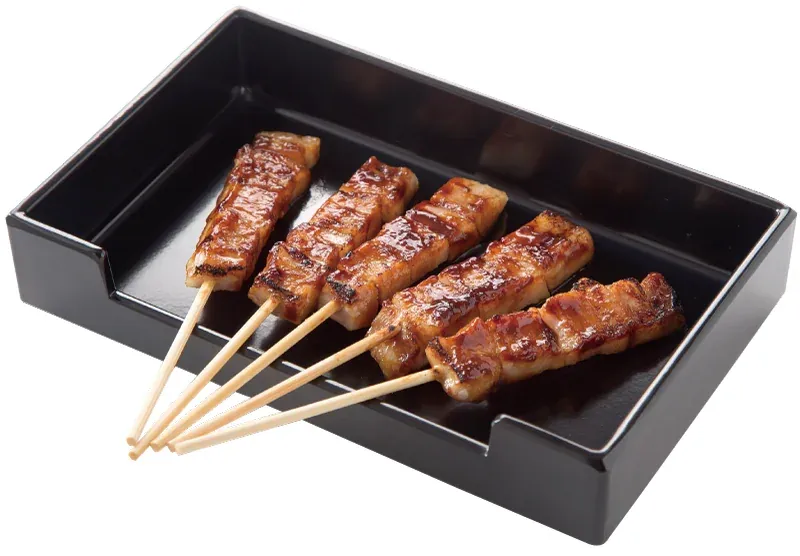 店内表記ピートロpītoro「ピートロ」は豚トロのこと。甘みそで焼き、酸味のあるタレを付ける「ピートロ」即猪颈肉(豚トロ),甜味噌烤,蘸带酸味的酱汁Pītoro is pork jowl (tontoro), grilled with sweet miso and dipped in a tangy sauce | 豚の串焼き 烤猪肉串(猪杂串) Pork skewers | 豚の肉や内臓(もつ)を串に刺して焼いたもの。「とん」は「豚」の音読み 把猪肉或猪内脏(もつ)串起来烤的食物;“とん”是“豚”(猪)的音读 Pork meat or offal (motsu) grilled on skewers; ton is the Sino-Japanese reading of 豚, “pig” | 「もつ焼き」とも呼ばれ、「もつ」は「臓物」の略で、七味唐辛子を薬味にする。内臓は肝臓をレバー、心臓をハツ、大腸をシロ、腎臓をマメなどと呼び、頭の肉「カシラ」のうち目の横の「コメカミ」も焼き鳥店で串に出されることが多い。明治半ばの屋台は鶏の端肉と並んで牛・豚の臓物も焼き、まとめて「やきとり」と呼んだため、今も豚の串を「やきとり」と呼ぶ地域があり、埼玉県東松山は豚のカシラ肉をピリ辛の味噌だれで、北海道室蘭は豚ロース肉の間に玉ねぎを挟んで出す。 也叫“もつ焼き”(烤内脏串),“もつ”是“臓物”(内脏)的略称,佐料用七味辣椒粉。内脏各有叫法:肝叫“レバー”,心叫“ハツ”,大肠叫“シロ”,肾叫“マメ”;猪头肉“カシラ”中眼睛旁边的“コメカミ”(太阳穴肉)也常在烤串店里做成串。明治中期的路边摊除了鸡的边角肉也烤牛、猪内脏,统称“やきとり”,所以至今仍有地方把猪肉串叫“やきとり”:埼玉县东松山用猪头肉配微辣味噌酱,北海道室兰则在猪里脊肉之间夹洋葱。 Also called motsu-yaki – motsu is short for zōmotsu, “innards” – and seasoned with shichimi chili pepper. Offal cuts have their own names: liver is rebā, heart hatsu, large intestine shiro, kidney mame; from the head meat (kashira), the komekami beside the eye is often skewered at yakitori shops. Mid-Meiji street stalls grilled beef and pork offal alongside chicken scraps under the single name yakitori, so some towns still call pork skewers yakitori: Higashimatsuyama in Saitama serves pork head meat with spicy miso, and Muroran in Hokkaidō sandwiches onion between pieces of pork loin. |

くら寿司Kurazushi
1977年に堺市で創業した回転寿司チェーン(国内外687店、2025年10月末)。全食材から四大添加物(化学調味料・合成着色料・人工甘味料・人工保存料)を除いた「無添」を掲げる。
1977年创立于大阪府堺市的回转寿司连锁(海内外687家,2025年10月底);打出「无添」招牌,称全部食材均不使用化学调味料、合成色素、人工甜味剂、人工防腐剂这四类添加剂。
Conveyor-belt sushi chain founded in Sakai, Osaka in 1977 (687 shops worldwide, Oct 2025); brands itself “Muten”, saying no ingredient uses chemical seasonings, synthetic colours, artificial sweeteners or artificial preservatives.
はま寿司Hamazushi
ゼンショーホールディングス傘下の株式会社はま寿司が運営する回転寿司チェーン。2002年11月に栃木県の足利店を1号店として開業し、国内685店(2026年9月末)。
由Zensho控股(ゼンショーホールディングス)旗下的株式会社はま寿司经营的回转寿司连锁,官网中文名「滨寿司」;2002年11月以栃木县的足利店为首家店开业,日本国内685家(2026年9月底)。
Conveyor-belt sushi chain run by Hama-Sushi Co., a Zensho Holdings subsidiary; its first shop opened in Ashikaga, Tochigi in November 2002; 685 shops in Japan (end of Sept 2026).

スシローSushirō
1984年に大阪府豊中市で1号店(屋号「すし太郎」)を開いた回転寿司チェーン。国内659店(2025年9月末)。
1984年在大阪府丰中市开出首家店(店名「すし太郎」)的回转寿司连锁;日本国内659家(2025年9月底)。
Conveyor-belt sushi chain that opened its first shop, then named Sushi Tarō, in Toyonaka, Osaka in 1984; 659 shops in Japan (Sept 2025).
マグロ金枪鱼Tuna
| ことば词Word | 意味意思Meaning | 部位・正体部位What & where | 解説说明Notes |
|---|---|---|---|
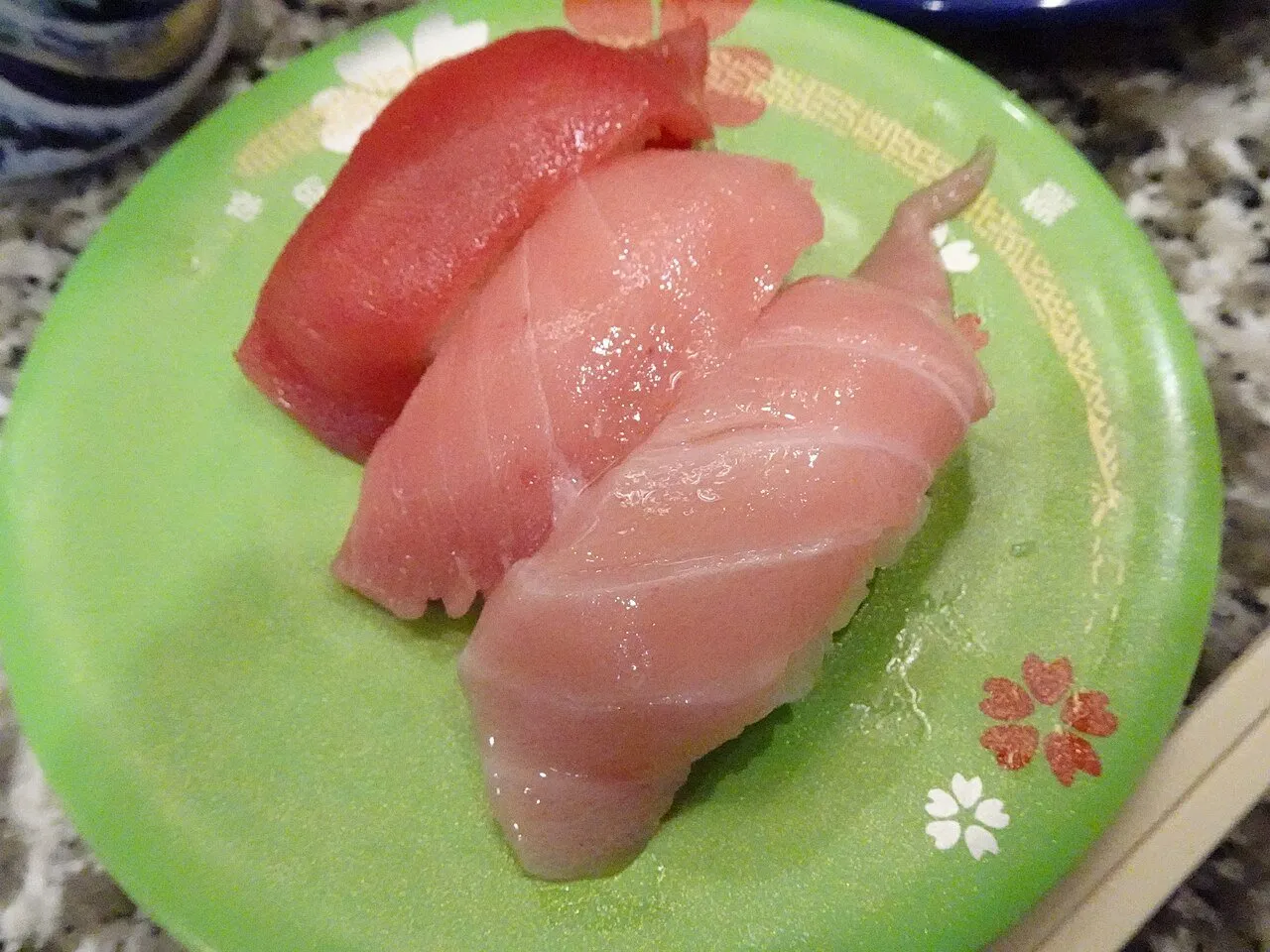 マグロmaguro  名物まぐろmaguroまぐろの赤身のにぎり(太平洋・大西洋・インド洋産)。主に40kg以上の天然まぐろを使い、同社は「自慢のネタ」とする金枪鱼赤身握寿司(太平洋、大西洋、印度洋产);主要用40公斤以上的野生金枪鱼,公司称之为「引以为傲的寿司料」;官网中文名「金枪鱼」Lean tuna (akami) nigiri; mostly wild tuna over 40 kg from the Pacific, Atlantic and Indian Oceans, billed as the chain’s pride; English-site name “Lean Tuna”  名物熟成まぐろjukusei maguro熟成させたまぐろ(メバチ・キハダ・ミナミマグロ等)のにぎり。2013年8月発売、年間約7,000万皿(2023年同社発表)熟成金枪鱼(大眼、黄鳍、南方蓝鳍等)握寿司;2013年8月开卖,年销约7,000万盘(公司2023年公布)Aged tuna (bigeye, yellowfin, southern bluefin etc.) nigiri; sold since Aug 2013, about 70 million plates a year (company figure, 2023)  店内表記厳選まぐろ赤身gensen maguro akami選び抜いたまぐろの赤身(脂の少ない身)のにぎり精选金枪鱼赤身(脂肪少的瘦肉)握寿司;官网中文名「严选金枪鱼赤身寿司」Select lean tuna (akami) nigiri; English-site name “Premium Lean Tuna Sushi” | サバ科マグロ属の大型魚の総称 金枪鱼 Tuna | サバ科マグロ属の総称。日本で主に流通するのはクロマグロ(本マグロ)・ミナミマグロ(インドマグロ)・メバチ・キハダ・ビンナガの5種 鲭科金枪鱼属鱼类的总称;日本市场上主要有太平洋蓝鳍金枪鱼(本マグロ)、南方蓝鳍金枪鱼(インドマグロ)、大眼金枪鱼(メバチ)、黄鳍金枪鱼(キハダ)和长鳍金枪鱼(ビンナガ)五种 Collective name for the genus Thunnus; the five sold in Japan are Pacific bluefin (hon-maguro), southern bluefin (Indo-maguro), bigeye (mebachi), yellowfin (kihada) and albacore (binnaga) | マグロ属は世界に8種あり、太平洋のクロマグロは全長3m・体重400kgに達する。クロマグロは幼魚をヨコワ、若魚をメジ、大型魚をシビと呼び分け、シビはマグロの古名でもある。マグロの名は一説に、室町末期から小型のシビを呼んだ「目黒(めぐろ)」から、一説に体色の「真っ黒」からという。江戸前期の『古今料理集』(1670年代)は「下魚」としたが、天保年間(1830〜44年)の大漁を機に握りずしの種となり、2017年の国内クロマグロ生産2万6100トンのうち61%は養殖が占めた。 金枪鱼属全世界共8种,太平洋蓝鳍金枪鱼全长可达3米、体重400公斤。蓝鳍金枪鱼按大小分别叫ヨコワ(幼鱼)、メジ(青年鱼)、シビ(大鱼),シビ也是金枪鱼的古名。“マグロ”一名,一说来自室町末期对小シビ的称呼“目黒”(めぐろ),一说来自体色“真っ黒”(漆黑)。江户前期的《古今料理集》(1670年代)称其为“下等鱼”,天保年间(1830—1844年)大丰收后才成为握寿司的鱼料;2017年日本国产蓝鳍金枪鱼2.61万吨中,养殖占61%。 There are eight Thunnus species; Pacific bluefin reaches 3 m and 400 kg. Bluefin change names as they grow — yokowa (juvenile), meji (young) and shibi (large) — and shibi is also tuna’s old name. One theory traces maguro to meguro (“black eye”), a late-Muromachi name for small shibi; another to makkuro, “jet black”. The 1670s cookbook Kokon Ryōri-shū dismissed tuna as a low-class fish, but after big catches in the Tenpō era (1830–44) it became a nigiri topping; in 2017, 61% of Japan’s 26,100 t of bluefin was farmed. |
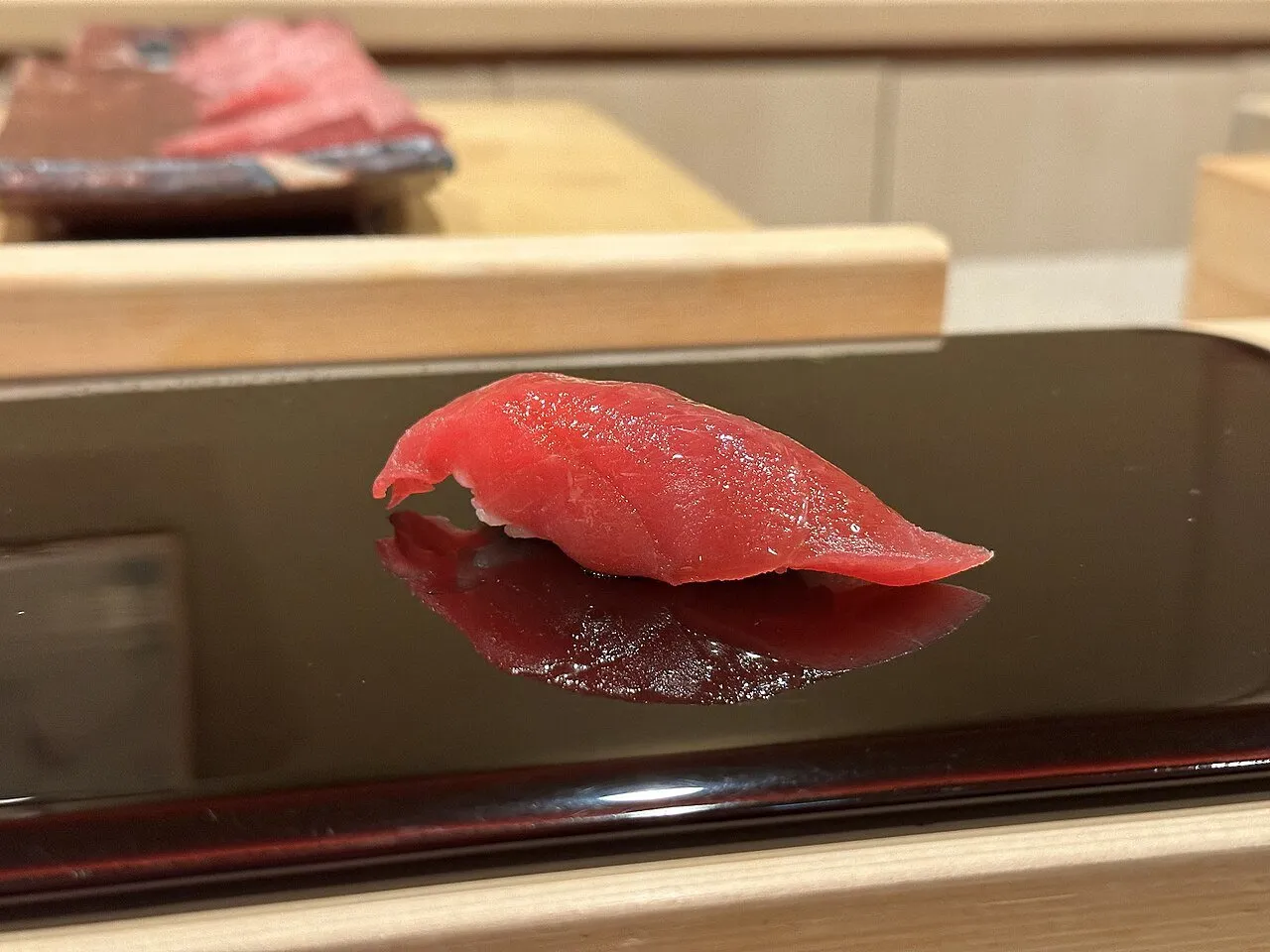 赤身akami 名物まぐろmaguroまぐろの赤身のにぎり(太平洋・大西洋・インド洋産)。主に40kg以上の天然まぐろを使い、同社は「自慢のネタ」とする金枪鱼赤身握寿司(太平洋、大西洋、印度洋产);主要用40公斤以上的野生金枪鱼,公司称之为「引以为傲的寿司料」;官网中文名「金枪鱼」Lean tuna (akami) nigiri; mostly wild tuna over 40 kg from the Pacific, Atlantic and Indian Oceans, billed as the chain’s pride; English-site name “Lean Tuna” 名物熟成まぐろjukusei maguro熟成させたまぐろ(メバチ・キハダ・ミナミマグロ等)のにぎり。2013年8月発売、年間約7,000万皿(2023年同社発表)熟成金枪鱼(大眼、黄鳍、南方蓝鳍等)握寿司;2013年8月开卖,年销约7,000万盘(公司2023年公布)Aged tuna (bigeye, yellowfin, southern bluefin etc.) nigiri; sold since Aug 2013, about 70 million plates a year (company figure, 2023)  店内表記特製漬けまぐろtokusei zuke-maguroまぐろを特製の漬けダレに漬けた「漬け」のにぎり。白ごまをのせる用特制酱汁腌渍金枪鱼做成的「漬け」握寿司,撒白芝麻;官网中文名「特制腌渍金枪鱼」Tuna marinated in the house sauce (zuke), with white sesame; English-site name “Special Soy-Marinated Tuna”  店内表記熟成漬けまぐろjukusei zuke-maguro熟成まぐろを醤油だれに漬けた「漬け」のにぎり将熟成金枪鱼浸入酱油汁做成的「漬け」握寿司Aged tuna marinated in a soy-based sauce (zuke), as nigiri 店内表記厳選まぐろ赤身gensen maguro akami選び抜いたまぐろの赤身(脂の少ない身)のにぎり精选金枪鱼赤身(脂肪少的瘦肉)握寿司;官网中文名「严选金枪鱼赤身寿司」Select lean tuna (akami) nigiri; English-site name “Premium Lean Tuna Sushi”  店内表記厳選まぐろ赤身 煮切り醤油漬けgensen maguro akami nikiri jōyu-zuke厳選まぐろ赤身を煮切り醤油(煮切った酒・みりんを合わせた醤油)に漬けた「漬け」把精选金枪鱼赤身浸入煮切酱油(加了煮去酒精的清酒、味醂的酱油)做成的「漬け」The select lean tuna marinated in nikiri soy (soy blended with boiled-off sake and mirin), i.e. zuke | マグロの赤い身(脂の少ない部分) 金枪鱼红肉(瘦肉) Lean red tuna | 背側の身と、骨に近い内側の身。腹側の脂の多いトロに対する部分 背部的肉和靠近脊骨的内侧肉,与腹部多脂的“トロ”相对 The back meat and the inner meat near the bone, as opposed to the fatty belly (toro) | 赤い色は筋肉中の色素たんぱく質ミオグロビンによるもので、泳ぎ続けるための酸素を蓄えており、鮮度が落ちると酸化して褐色を帯びる。江戸の握りずしではマグロといえば赤身で、醤油に漬けた「づけ」として出され、この名は江戸のすし屋の醤油漬けに由来するとも、明治初めに三陸から醤油漬けで送られたためともいう。キハダは身が淡紅色でトロになる部分がほとんどなく主に赤身の刺身に使われ、メバチも赤身が多い。 红色来自肌肉中的色素蛋白肌红蛋白,它为不停游动的金枪鱼储存氧气;不新鲜时会氧化而带褐色。江户的握寿司说到金枪鱼就是红肉,做成酱油腌的“づけ”(ヅケ);这个名字一说源自江户寿司店的酱油腌法,一说因为明治初年金枪鱼是用酱油腌着从三陆运来的。黄鳍金枪鱼(キハダ)肉呈淡粉色,几乎没有能做トロ的部分,主要用作红肉刺身;大眼金枪鱼(メバチ)也以红肉为主。 The red colour comes from myoglobin, the muscle pigment that stores oxygen for a fish that never stops swimming; as the meat ages it oxidises and turns brownish. In Edo-period nigiri, tuna meant akami, served as zuke, marinated in soy sauce — the name is traced either to the soy marinade of Edo sushi shops or to tuna shipped soy-cured from Sanriku in early Meiji. Yellowfin (kihada) is pale pink with almost no toro and goes mainly to lean sashimi; bigeye (mebachi) is also mostly akami. |
 中トロchūtoro 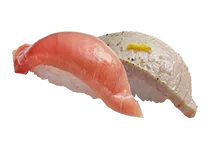 店内表記厳選まぐろ中とろ食べ比べ(中とろ・炙りゆず塩)gensen maguro chūtoro tabekurabe (chūtoro, aburi yuzu-shio)厳選まぐろの中とろを、そのままと炙りゆず塩の2種で食べ比べる1皿一盘同时品尝精选金枪鱼中腹的原味与炙烤柚子盐两种吃法Select tuna chūtoro two ways on one plate: plain, and torch-seared with yuzu salt 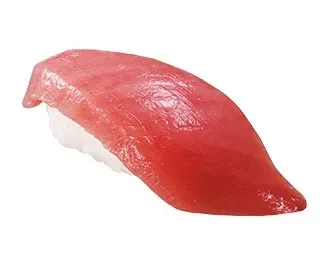 店内表記熟成中とろ(一貫)jukusei chūtoro (ikkan)熟成させたミナミマグロ・クロマグロの中とろ1貫(オーストラリア産など)熟成南方蓝鳍、太平洋蓝鳍金枪鱼的中腹,1贯(澳大利亚产等)One piece of aged chūtoro from southern or Pacific bluefin (Australia etc.) 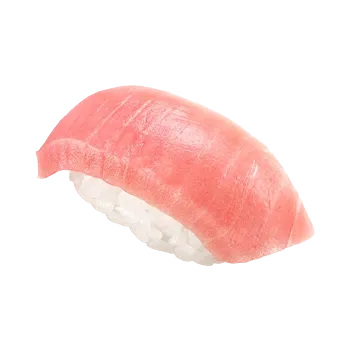 店内表記本鮪中とろhonmaguro chūtoro地中海産の本鮪の中とろ(期間限定)地中海产蓝鳍金枪鱼(本鲔)的中腹(期间限定)Mediterranean bluefin (hon-maguro) chūtoro; limited time | 中程度に脂ののったマグロの腹身 金枪鱼中腹(中脂) Medium-fatty tuna belly | 腹側の中央から尾にかけての身(「腹ナカ」「腹シモ」) 腹部中段到尾侧的肉(称“腹ナカ”“腹シモ”) Belly meat from the middle towards the tail (hara-naka and hara-shimo) | 精選版日本国語大辞典は、マグロの脂肪が非常に多い部分を「大とろ」、それより少ない部分を「中とろ」と定義し、「トロ」の文献上の初出を1930年の『日本料理通』とする。脂ののりは赤身と大トロの中間で、店によっては大トロと中トロの間の、赤身に脂が細かく入り込んだ部分を「霜降り」と呼び分ける。Umios(旧マルハニチロ)の2026年の調査では、回転寿司でよく食べるネタの上位10に赤身・中トロ・大トロ・ネギトロ・ヅケとマグロのネタが並んだ。 《精选版日本国语大辞典》把金枪鱼脂肪特别多的部分定义为“大トロ”,比它少的为“中トロ”,并指出“トロ”一词最早见于1930年的《日本料理通》。中腹的脂肪含量介于红肉和大腹之间;有的店还把大腹与中腹之间、脂肪细细渗入红肉的部分另称“霜降り”。Umios(原Maruha Nichiro)2026年的调查显示,回转寿司“常吃的寿司料”前十名里有红肉、中腹、大腹、ネギトロ、ヅケ等多种金枪鱼料。 The Nihon Kokugo Daijiten defines ōtoro as the fattiest part of tuna and chūtoro as the part with less fat, and dates the first written use of toro to 1930 (Nihon Ryōri Tsū). Its fat sits between akami and ōtoro; some shops also single out shimofuri, the band between the two where fat is finely threaded through red meat. In Umios’s (formerly Maruha Nichiro) 2026 survey, the ten toppings most eaten at conveyor-belt sushi included akami, chūtoro, ōtoro, negitoro and zuke. |
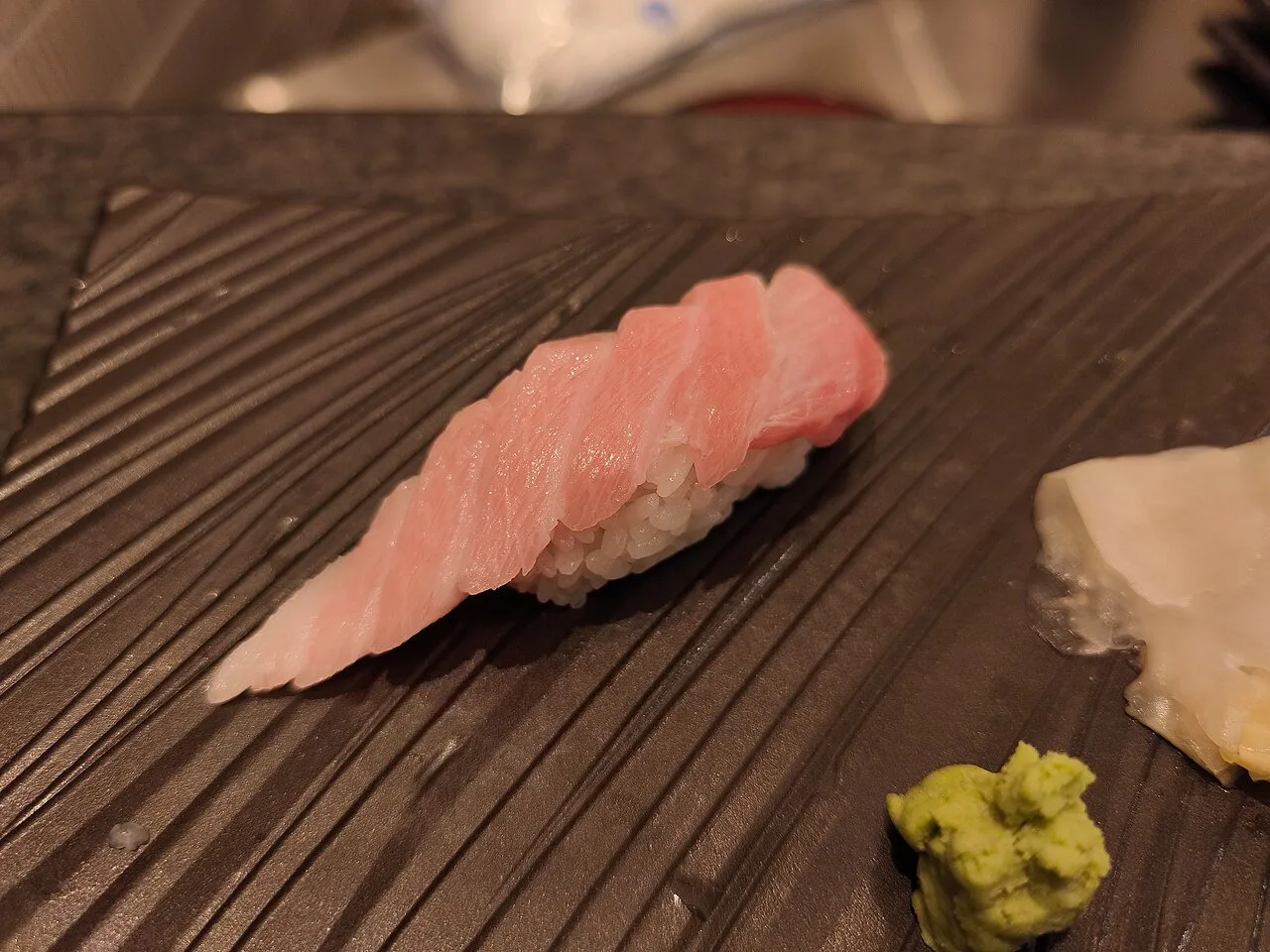 大トロōtoro | 最も脂ののったマグロの腹身 金枪鱼大腹(大脂) Fattiest tuna belly | 腹側の頭寄り、カマに近い部分(「腹カミ」) 腹部靠头、紧挨“カマ”(鳃下胸鳍根部)的部分(称“腹カミ”) The front of the belly next to the collar (hara-kami) | 一説に、1919年(大正8年)ごろ日本橋の吉野鮨本店で、不漁で赤身が手に入らず腹身を握ったところ、客との会話から「口の中でトロける」ので「トロ」と名付けられ、それまでは「アブ」などと呼ばれていた。脂身は傷みやすく「猫またぎ」とまで言われて缶詰などの加工用だったが、冷凍技術の進歩などで1960年代から生食用に珍重されるようになった。トロの脂質は冬に40%を超えるとされ、産卵後の5〜6月は腹の脂が落ちるため、この時期の100kg以上の成魚を約半年生け簀で育ててトロを増やす「蓄養」も行われる。 一说1919年(大正8年)前后,日本桥的吉野鮨本店因渔获不佳买不到红肉,只好用腹肉来握,客人说“入口即化(トロける)”,于是叫它“トロ”,此前这部分被称作“アブ”(脂身)等。过去肥肉容易变质,被叫作“猫またぎ”(连猫都跨过去不吃),只用来做罐头等加工品;随着冷冻技术进步,1960年代起才作为生食部位受到珍视。据说冬季トロ的脂质超过40%;5—6月产卵后腹部脂肪减少,因此也有把这时捕到的100公斤以上成鱼放进网箱养约半年、增加トロ后再出货的“蓄养”。 One account says the name was coined around 1919 at Yoshino Sushi Honten in Nihonbashi: with lean tuna scarce after a poor catch, the shop served the belly, and in talk with customers it was named toro because it “melts (torokeru) in the mouth”; before that it was called abu, “fat”. Fatty tuna spoiled quickly, was mocked as neko-matagi (“even a cat steps over it”) and went to canneries, becoming prized raw only from the 1960s with better freezing. Toro is said to exceed 40% fat in winter; because bluefin lose belly fat after spawning, fish of over 100 kg caught in May–June are kept in pens for about six months to build up toro (chikuyō). |
脳天nōten | マグロの頭頂部の身 金枪鱼头顶肉 Tuna head-top meat | 頭のてっぺんの肉。マグロの頭部からはほかにカマ・ホホ肉・ゼラチン質の「目の裏」などが取れる 头顶部位的肉;金枪鱼头部还能取下カマ(鳃下)、颊肉、富含胶质的“眼后肉”等部位 Meat from the crown of the head; a tuna head also yields the collar (kama), cheeks and the gelatinous meat behind the eyes | 「脳天」は頭のてっぺんを指す一般語で、マグロでは頭頂部から取れる小さな部位をいう。頭部からは脳天の下の「鉢ノ子」、ホホ、アゴ、カマトロ、ノド裏なども切り出される。築地市場の時代、マグロの頭は通路に置かれてカラスがついばむほどだったが、資源の減少で端材まで使うようになり、豊洲では「希少部位」として売られ、中落ちやカマとともに安く仕入れて刺身の盛り合わせなどに仕立てる店も増えた。 “脳天”本是指头顶的普通词,用在金枪鱼上指从头顶取下的一小块肉。头部还能切出脑天下方的“鉢ノ子”、颊肉、下颚肉、カマトロ、喉下肉等。筑地市场时代,金枪鱼头被扔在通道上任乌鸦啄食;随着资源减少、边角料也被充分利用,丰洲市场如今把它当作“稀少部位”出售,也有越来越多的店把它和中落ち、カマ一起低价进货,做成刺身拼盘等菜品。 Nōten is the everyday word for the crown of the head; on a tuna it means a small piece cut from the top of the skull. The head also yields hachi-no-ko below it, the cheeks, jaw, kama-toro and the meat under the throat. In the Tsukiji market days tuna heads lay in the aisles for crows to peck at; with stocks shrinking and every scrap now used, Toyosu sells them as rare cuts, and more restaurants buy nōten cheaply along with nakaochi and kama to serve on sashimi platters. |
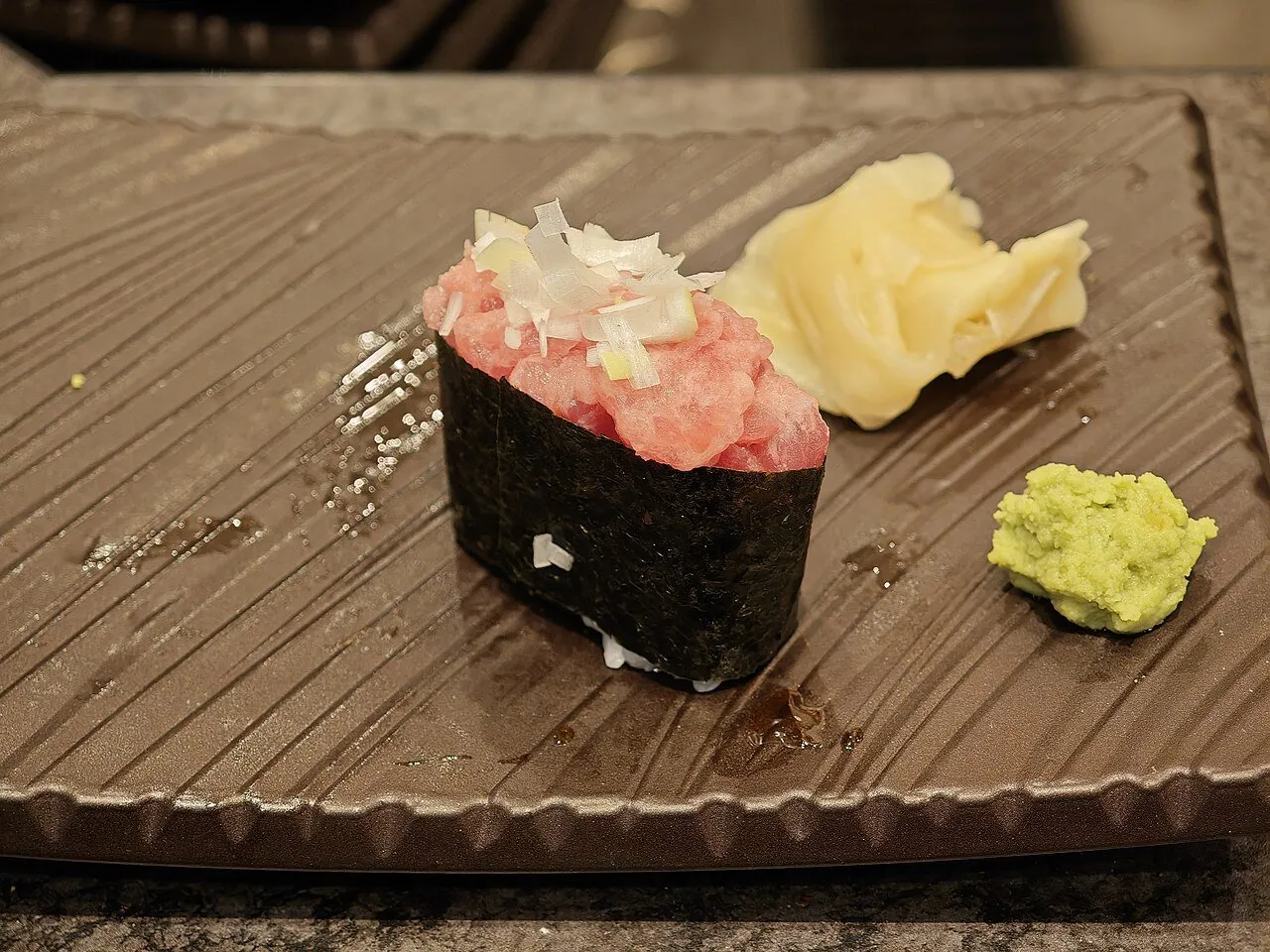 ネギトロnegitoro  店内表記まぐろたたき軍艦maguro tataki gunkanたたいて細かくしたまぐろにねぎをのせた軍艦。ネギトロと同じ形。この「たたき」は炙りではなく刻むこと剁碎的金枪鱼加葱花的军舰卷,形式同葱花金枪鱼腩(ネギトロ);这里的「たたき」指剁碎,不是炙烤;官网中文名「金枪鱼泥军舰」Gunkan of minced tuna topped with green onion, made like negitoro; here tataki means chopped, not seared; English-site name “Minced Tuna Gunkan”  店内表記ねぎまぐろ軍艦negimaguro gunkanキハダ・メバチ等のまぐろをたたき、ねぎと合わせた軍艦。ネギトロと同じ形剁碎的黄鳍、大眼金枪鱼等配葱花的军舰卷,形式同葱花金枪鱼腩(ネギトロ)Gunkan of minced yellowfin or bigeye tuna with green onion, made like negitoro  店内表記ねぎまぐろ軍艦negimaguro gunkan細かくたたいたまぐろに刻みねぎをのせた軍艦。ネギトロと同じ形剁碎的金枪鱼加葱花的军舰卷,形式同葱花金枪鱼腩(ネギトロ);官网中文名「青葱金枪鱼泥军舰」Gunkan of minced tuna with chopped green onion, made like negitoro; English-site name “Tuna & Leek Gunkan Rolls” | 叩いたマグロの身とネギ 金枪鱼泥配葱花 Minced tuna with scallion | マグロの身を細かく叩いてペースト状にし、刻みネギを合わせたもの。考案した店では頭や尾に近い筋の多い部分を使った 把金枪鱼肉剁成泥,再配上葱花;发明它的店当初用的是靠近头尾、筋多的部分 Tuna chopped to a paste with chopped scallion; the shop that devised it used sinewy meat from near the head and tail | 一説に1964年(昭和39年)、浅草の金太楼鮨で当時の会長・間根山貞雄が、刺身や寿司に使いにくい筋の部分を叩き、薬味のネギを合わせて飯にのせたのが始まりとされる。名は同店によれば浅草の「麦とろ」との語呂合わせで、辞書類は「ネギ+トロ」と解するが、骨まわりの身を「ねぎ取る(こそげ取る)」ことに由来するという説も広まっている。市販品にはキハダ・メバチの身に食用油脂を加えて脂ののりを補ったものもある。 一说1964年(昭和39年),浅草金太楼鮨的时任会长间根山贞雄把做不了刺身和寿司的筋多部分剁碎,配上作佐料的葱放在米饭上,这就是ネギトロ的起源。按该店的说法,名字是模仿浅草“麦とろ”(山药泥麦饭)的谐音;词典一般解释为“ネギ(葱)+トロ”,另有一说认为来自把骨边的肉“ねぎ取る”(刮下来),流传也很广。市售品中也有用黄鳍、大眼金枪鱼肉加食用油脂来补足油脂感的。 One account credits Asakusa’s Kintarō-zushi in 1964, when its chairman Manezan Sadao minced sinewy meat unsuited to sashimi or sushi, added scallion meant as a garnish and served it on rice. The shop says the name is a pun on mugi-toro (grated yam on barley rice); dictionaries read it as negi (scallion) + toro, and another widely repeated theory derives it from negitoru, “to scrape off” the meat round the bones. Some commercial negitoro is yellowfin and bigeye with added edible fat to make it richer. |
寿司ネタ常见寿司料Common toppings
赤身魚と白身魚は身の見た目ではなく、筋肉100gあたりの色素たんぱく質(ミオグロビンとヘモグロビン)が10mg以上かどうかで分ける。このためブリ・アジ・サバ・イワシは身が白っぽくても赤身魚で、オレンジ色のサーモンは餌に含まれるアスタキサンチンで色づいた白身魚になる。すし種の「光り物」は、コハダ・アジ・サバ・イワシなど皮が青白く光る魚をいう。红肉鱼与白肉鱼不是看肉色,而是看每100克肌肉中的色素蛋白(肌红蛋白和血红蛋白)是否达到10毫克。因此鰤鱼、竹荚鱼、鲭鱼、沙丁鱼虽然肉色偏白,仍属红肉鱼;橙色的三文鱼则是白肉鱼,颜色来自饵料中的虾青素。寿司料里的“光り物”指鱼皮青白发亮的鱼,如小鳍(コハダ)、竹荚鱼、鲭鱼、沙丁鱼。Red-fleshed and white-fleshed fish are defined not by colour but by whether the muscle holds at least 10 mg of pigment protein (myoglobin and haemoglobin) per 100 g. So yellowtail, horse mackerel, mackerel and sardine count as red fish despite their pale flesh, while orange salmon is a white fish tinted by astaxanthin from its food. Hikarimono, “shiny things”, are sushi fish with bright silvery-blue skin, such as kohada, aji, saba and iwashi.
| ことば词Word | 意味意思Meaning | 部位・正体部位What & where | 解説说明Notes |
|---|---|---|---|
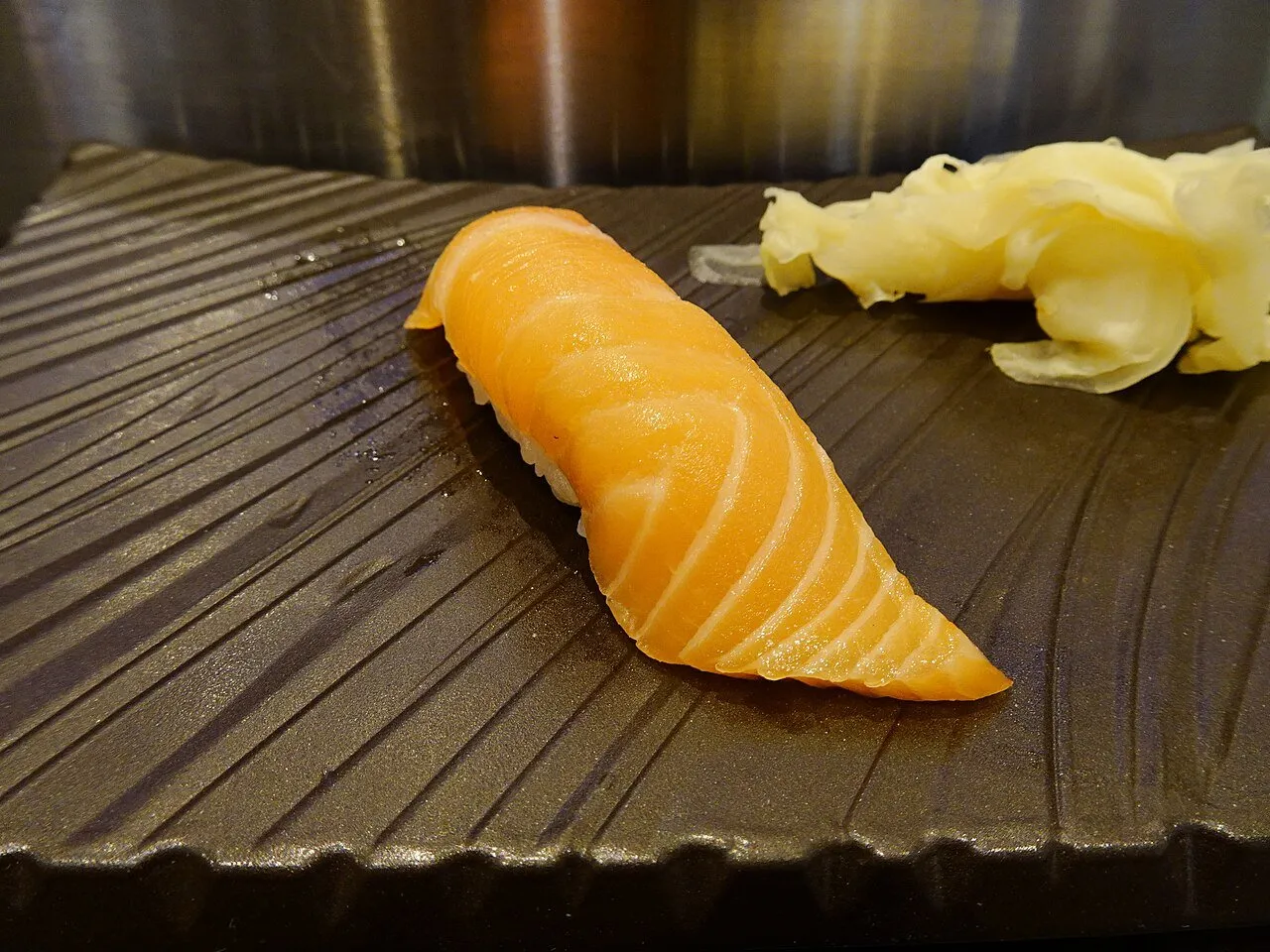 サーモンsāmon  名物サーモンsāmonサーモンのにぎり(ノルウェー・チリ・アルゼンチン産)。同社は「看板ネタの一つ」とする三文鱼握寿司(挪威、智利、阿根廷产);公司称其为「招牌寿司料之一」Salmon nigiri (Norway, Chile, Argentina), which the chain calls one of its signature toppings  店内表記大とろサーモンōtoro sāmonマグロの大トロではなく、「大とろ」と名づけたサーモンのにぎり(ノルウェー・チリ・イギリス産など)不是金枪鱼大腹,而是名为「大とろ」的三文鱼握寿司(挪威、智利、英国产等)Not tuna ōtoro: a salmon nigiri named “ōtoro” (Norway, Chile, UK etc.) 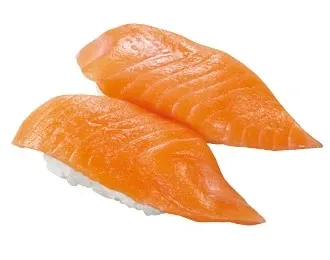 店内表記サーモンsāmonアトランティックサーモン・サーモントラウト・ギンザケのにぎり(チリ産など)大西洋鲑、虹鳟(サーモントラウト)或银鲑的握寿司(智利产等)Nigiri of Atlantic salmon, salmon trout or coho (Chile and elsewhere)  店内表記焼きはらすyaki-harasuギンザケ・アトランティックサーモンの腹身(はらす)を焼いたにぎり(チリ産など)烤银鲑、大西洋鲑腹肉(はらす)的握寿司(智利产等)Grilled belly (harasu) of coho or Atlantic salmon, as nigiri (Chile etc.)  店内表記あぶりチーズサーモンaburi chīzu sāmonサーモンにチーズをのせて炙ったにぎり三文鱼铺上芝士后炙烤的握寿司Salmon nigiri topped with cheese and torch-seared  店内表記サーモンsāmonサーモンのにぎり(原料はトルコ・チリ産など)三文鱼握寿司(原料产自土耳其、智利等)Salmon nigiri (sourced from Turkey, Chile and elsewhere)  店内表記焼とろサーモンyakitoro sāmon脂ののったサーモンの腹身を炙ったにぎり(ノルウェー・イギリス産など)炙烤多脂三文鱼腹肉的握寿司(挪威、英国产等);官网中文名「烤三文鱼腩寿司」Seared fatty salmon belly nigiri (Norway, UK etc.); English-site name “Grilled Salmon Belly”  店内表記炙りサーモンバター醤油aburi sāmon batā jōyu炙ったサーモンにバターをのせ、醤油で味付けしたにぎり炙烤三文鱼放上黄油、用酱油调味的握寿司Torch-seared salmon nigiri topped with butter and seasoned with soy sauce  店内表記サーモンたたき軍艦sāmon tataki gunkan包丁でたたいて細かくしたサーモンの軍艦。この「たたき」は炙りではなく刻むこと用刀剁碎的三文鱼军舰卷;这里的「たたき」指剁碎,不是炙烤Gunkan of knife-minced salmon; here tataki means chopped, not seared | 生食用のサケ・マス類(主に養殖) 三文鱼(生食用的养殖鲑鳟) Salmon (farmed, for eating raw) | ノルウェーやチリなどから輸入される養殖のアトランティックサーモン(タイセイヨウサケ)や、海面養殖したニジマス(トラウトサーモン)、ギンザケなどの身 从挪威、智利等国进口的养殖大西洋鲑,以及海水养殖的虹鳟(“trout salmon”)、银鲑等的鱼肉 Flesh of farmed Atlantic salmon imported from Norway, Chile and elsewhere, or of sea-farmed rainbow trout (“trout salmon”), coho and the like | 日本でサケは塩焼きなど加熱して食べる魚で、生食は凍らせてから食べるルイベや、酢で締めたます寿司などに限られていた。1980年代半ば、ノルウェーが養殖サーモンを生食用に売り込む「プロジェクト・ジャパン」を始め、生食用のサーモンは1990年ごろから市場に広まった。現在はその9割以上がチリやノルウェーなどからの輸入品で、Umios(旧マルハニチロ)の調査では2026年まで15年連続で回転寿司の「よく食べるネタ」1位となっている。 在日本,鲑鱼原本是盐烤等加热后吃的鱼,生吃只限于冷冻后切片的“ルイベ”或醋腌的鳟鱼寿司等少数做法。1980年代中期,挪威发起“Project Japan”,向日本推销可生食的养殖三文鱼,生食用三文鱼从1990年前后开始在市场上普及。如今九成以上是从智利、挪威等国进口的;据Umios(原Maruha Nichiro)调查,到2026年它已连续15年位居回转寿司“常吃的寿司料”第一。 In Japan salmon was a fish for grilling; it was eaten raw only in a few forms such as frozen ruibe slices or vinegar-cured masu-zushi. In the mid-1980s Norway launched “Project Japan” to sell farmed salmon for eating raw, and raw salmon spread through the market from around 1990. Over 90% of it is now imported, mainly from Chile and Norway, and in Umios’s (formerly Maruha Nichiro) survey it has been the most-eaten topping at conveyor-belt sushi for 15 straight years, as of 2026. 出典 · 6
|
 ハマチhamachi  店内表記活〆はまちikejime hamachi活け締め(生きた魚を締めて血抜きする処理)をした国産はまちのにぎり经「活缔」(活鱼宰杀后放血)处理的日本产鰤鱼幼鱼(hamachi)握寿司Japanese hamachi (young yellowtail) nigiri; the fish is killed by ikejime (spiked alive, then bled)  店内表記はまちhamachi国産はまちのにぎり日本产鰤鱼幼鱼(hamachi)握寿司Hamachi (young yellowtail) nigiri, from Japan  店内表記活〆はまちikejime hamachi活け締め(生きた魚を締めて血抜きする処理)をしたはまちのにぎり经「活缔」(活鱼宰杀后放血)处理的鰤鱼幼鱼(hamachi)握寿司Hamachi (young yellowtail) nigiri; the fish is killed by ikejime (spiked alive, then bled) | ブリの若魚。また養殖ブリ 鰤鱼的幼鱼;也指养殖鰤鱼 Young yellowtail; also farmed yellowtail | 関西で全長40cm前後のブリを呼ぶ名(ツバス→ハマチ→メジロ→ブリ)。現在は大きさに関係なく養殖ブリの呼び名としても全国に通じる 关西对全长40厘米左右鰤鱼的叫法(ツバス→ハマチ→メジロ→ブリ);现在不论大小,全国也用它指养殖鰤鱼 The Kansai name for yellowtail of about 40 cm (tsubasu → hamachi → mejiro → buri); now also understood nationwide as farmed yellowtail of any size | ブリは成長につれて名が変わる出世魚で、関東ではワカシ→イナダ→ワラサ→ブリと呼ぶ。平安時代の『和名抄』に見える「波里万知(はりまち)」が詰まって室町期にハマチとなったとされる。ハマチ養殖は1928年(昭和3年)に香川県引田(現・東かがわ市)で野網和三郎が事業化したのが始まりで、1971年には養殖物の生産量が天然物の漁獲量を上回った。養殖の盛んな西日本の呼び名が全国に広まったため、今は養殖ブリをハマチと呼ぶことが多い。 鰤鱼是随着长大而改名的“出世鱼”,关东依次叫ワカシ→イナダ→ワラサ→ブリ。平安时代《和名抄》里的“波里万知”(はりまち)在室町时期缩略成了“ハマチ”。鰤鱼养殖始于1928年(昭和3年),由野网和三郎在香川县引田(今东香川市)实现商业化;1971年养殖产量超过了野生渔获量。由于养殖兴盛的西日本的叫法推广到全国,如今“ハマチ”常指养殖鰤鱼。 Yellowtail is a “promotion fish” whose name changes as it grows; in Kantō the sequence is wakashi → inada → warasa → buri. The name is said to be a contraction of harimachi, recorded in the Heian dictionary Wamyōshō, which became hamachi in the Muromachi period. Yellowtail farming was first made a business in 1928 by Noami Wasaburō at Hiketa in Kagawa, and by 1971 farmed output exceeded the wild catch. Because the term spread from western Japan, where farming flourished, hamachi now often simply means farmed yellowtail. |
 ブリburi | 成長したブリ(出世魚の最後の名) 鰤鱼(五条鰤)成鱼 Japanese amberjack (yellowtail), adult | アジ科ブリ属の回遊魚の成魚。おおむね全長80cmを超えると地域を問わず「ブリ」と呼ぶ 鲹科鰤属洄游鱼的成鱼;全长超过约80厘米后,各地都叫“ブリ” The adult of a migratory jack (Seriola quinqueradiata); above about 80 cm it is called buri everywhere | 旬は冬で、産卵に備えて餌を飽食し南下する脂ののった成魚を「寒ブリ」と呼び、富山湾の定置網で獲れて氷見漁港で競りにかけられた7kg以上のものは「ひみ寒ぶり」のブランドになる。名の由来には「アブラ」から来たとする説と、年を経た魚を意味する「フリ」から来たとする説があり、「鰤」は日本で作られた字。西日本では正月の年取り魚に塩ブリを使い、東日本のサケと対をなす。身は白っぽく見えるが、色素たんぱく質の量による定義では赤身魚に入る。 旬期在冬季:为产卵大量进食后南下、脂肪丰厚的成鱼叫“寒ブリ”;在富山湾定置网捕获、并在冰见渔港拍卖的7公斤以上个体,可冠以“ひみ寒ぶり”品牌。名字来源有两说:一说出自“アブラ”(油脂),一说出自表示“上了年纪的鱼”的“フリ”;“鰤”是日本自造的汉字。西日本过年的“年取り魚”用盐腌鰤鱼,与东日本用鲑鱼相对。鰤鱼肉色偏白,但按色素蛋白含量的定义属于红肉鱼。 It is best in winter: adults that have gorged before spawning and are heading south are called kan-buri, and those of 7 kg or more caught by set nets in Toyama Bay and auctioned at Himi port carry the “Himi kan-buri” brand. The name is traced either to abura, “oil”, or to furi, an old word for a fish that has lived many years; the character 鰤 was coined in Japan. Western Japan eats salted buri as its New Year fish, the counterpart of salmon in the east. Though pale-looking, it counts as a red-fleshed fish by its pigment content. |
 真鯛madai  店内表記活〆まだい(四国・九州産)ikejime madai (Shikoku, Kyūshū-san)活け締め(生きた魚を締めて血抜きする処理)の後に神経を抜いた真鯛のにぎり(四国・九州産)经「活缔」(活鱼宰杀后放血)并抽除神经的真鲷握寿司(四国、九州产)Red sea bream (madai) nigiri from Shikoku and Kyūshū; the fish is killed by ikejime (spiked alive, then bled) and de-nerved  店内表記熟成 真鯛(一貫)jukusei madai (ikkan)熟成させた国産真鯛のにぎり、1貫熟成日本产真鲷握寿司,1贯One piece of aged Japanese red sea bream (madai)  店内表記活〆真鯛ikejime madai活け締めにした真鯛のにぎり(日本産など)活缔处理的真鲷握寿司(日本产等)Ikejime red sea bream (madai) nigiri, mainly from Japan | タイ科の代表種 真鲷 Red sea bream | タイ科マダイ属の海水魚。身は白く、よく締まる 鲷科真鲷属的海水鱼;白肉,肉质紧实 A sea bream (Pagrus major) with firm white flesh | 春の産卵期に浅場へ寄り体が桜色を帯びたものを「桜鯛」、秋に栄養を蓄えて深い紅色になったものを「紅葉鯛」と呼ぶ。赤い色は餌の甲殻類に含まれるアスタキサンチンによるもので、寿命は20〜40年、全長1mに育つまで20年以上かかる。「タイ」の名は一説に「平たい」に由来し、タイと名の付く魚は300種以上あるが、分類上のタイ科は13種前後にすぎない。2024年の天然の漁獲1万5454トンに対し養殖は6万8439トンで、その57%を愛媛県が占める。 春季产卵期游到浅海、体色泛樱花粉的叫“桜鯛”,秋季积蓄营养、颜色变得深红的叫“紅葉鯛”。红色来自饵料甲壳类所含的虾青素;寿命20—40年,长到全长1米要20年以上。“タイ”一名一说源于“平たい”(扁平);名字带“タイ”的鱼有300多种,但分类上的鲷科只有13种左右。2024年野生渔获15,454吨,养殖则有68,439吨,其中57%产自爱媛县。 Fish that move into the shallows to spawn in spring, flushed cherry-pink, are sakura-dai; in autumn, fattened and deep red, they are momiji-dai. The red comes from astaxanthin in the crustaceans they eat; they live 20–40 years and take more than 20 years to reach 1 m. One theory derives tai from hiratai, “flat”; over 300 fish carry “tai” in their names, but the true sea-bream family has only about 13 species. In 2024 the wild catch was 15,454 t against 68,439 t farmed, 57% of it in Ehime. |
 ヒラメhirame | カレイ目ヒラメ科の白身魚 牙鲆(比目鱼) Olive flounder | ヒラメ科の海水魚。腹を手前に置くと頭が左を向き、両目が体の左側にある 牙鲆科海水鱼;腹部朝向自己放置时头朝左,两眼都在身体左侧 A lefteye flounder (Paralichthys olivaceus): laid belly towards you, its head points left, with both eyes on the left side | 「左ヒラメに右カレイ」の通り目が左側にあるが、孵化後しばらくは普通の魚と同じく両側にあり、体長2cm足らずまでに右目が左へ移る。4〜6月の産卵後の夏は味が落ち、秋から冬が「寒ビラメ」の旬だが、天然物の脂質は100gあたり2.0g程度で、脂よりも身の厚みとうま味が持ち味。すし種の白身として東京ではタイ以上に珍重され、背びれ・しりびれの付け根の「縁側(えんがわ)」が特に好まれる。身は背側・腹側から2枚ずつ取る「五枚おろし」にする。 正如“左ヒラメに右カレイ”(左牙鲆、右鲽)所说,牙鲆的眼睛在左侧;但孵化后一段时间两眼还像普通鱼一样长在两侧,体长不到2厘米时右眼才移到左边。4—6月产卵后的夏季味道变差,秋冬是“寒ビラメ”的旬期;不过野生牙鲆每100克脂质只有约2.0克,靠的是肉厚和鲜味而非油脂。在东京,它作为白肉寿司料比鲷鱼更受珍视,背鳍、臀鳍根部的“縁側”(裙边)尤其受欢迎。处理时从背侧和腹侧各取两片,称“五枚おろし”。 As the saying “hirame on the left, karei on the right” goes, its eyes are on the left, yet for a while after hatching they sit on both sides like any fish’s, the right eye migrating left before it is 2 cm long. It spawns in April–June and is poor in summer; autumn to winter is kan-birame season, though wild fish hold only about 2.0 g of fat per 100 g, so its appeal is thick, savoury flesh rather than fat. Tokyo sushi has long ranked it above sea bream as a white-fish topping, the fin-base engawa being especially prized. It is filleted into five pieces (gomai-oroshi), two each from the back and belly sides. |
 アジaji  店内表記光り物三種盛りhikarimono sanshu-moriあじ・とろいわし・しめさばの光り物3種を1皿に盛ったもの。北海道の店舗限定竹荚鱼、沙丁鱼(とろいわし)、醋腌鲭鱼三种「光り物」(亮皮鱼)拼成一盘;仅北海道门店供应Three silver-skinned fish (hikarimono) on one plate: aji, toro-iwashi (sardine) and shimesaba; Hokkaidō shops only  店内表記あじaji国産あじのにぎり日本产竹荚鱼握寿司Horse mackerel (aji) nigiri, from Japan  店内表記メアジmeajiアジ科の別種メアジ(目鯵)のにぎり。マアジではない(ベトナム産など)鲹科的脂眼凹肩鲹(メアジ)握寿司,并非竹荚鱼(マアジ)(越南产等)Bigeye scad (meaji), a different jack from the common maaji; from Vietnam etc. | マアジ 竹荚鱼(日本竹荚鱼) Japanese horse mackerel | アジ科マアジ属のマアジ(ふつう「アジ」といえばこれを指す)。すし種では光り物 鲹科竹荚鱼属的日本竹荚鱼(一般说“アジ”就是指它);在寿司里属于“光り物” The Japanese jack mackerel (Trachurus japonicus), the fish meant by plain “aji”; a hikarimono at sushi | 側線に沿って「ぜいご(ぜんご)」と呼ばれる硬いとげ状の鱗(稜鱗)が並ぶのが特徴で、日本のマアジ属は本種のみ。沿岸の瀬に居着いて体高が高く脂の多い黄色っぽい「キアジ」と、沖を回遊して体高が低く脂の少ない黒っぽい「クロアジ」の型がある。名は新井白石『東雅』が「アジとは味なり」とするように味の良さからとされ、旬は夏で、すし種には小ぶりのものの皮をむいて使う。大分県佐賀関の漁師が一本釣りしたマアジだけが「関あじ」を名乗れる。 侧线上排列着一列称为“ぜいご(ぜんご)”的硬刺状鳞片(棱鳞),这是它的特征;日本的竹荚鱼属只有这一种。它有两种类型:定居在沿岸礁区、体高较高、脂肪多、偏黄的“キアジ”,以及在外海洄游、体高较低、脂肪少、偏黑的“クロアジ”。新井白石《东雅》说“アジとは味なり”,名字被认为来自味道之美;旬期在夏季,做寿司料时用较小的鱼去皮。只有大分县佐贺关渔民一本钓捕获的竹荚鱼才能叫“関あじ”(关竹荚鱼)。 Its mark is a row of hard, spiny scutes along the lateral line, called zeigo or zengo; it is the only Trachurus species in Japan. There are two types: kiaji, yellowish, deep-bodied and fatty, which stay on coastal reefs, and kuroaji, darker, slimmer and leaner, which roam offshore. Arai Hakuseki’s Tōga explains the name as aji, “taste”, for its fine flavour; it is best in summer, and small fish are skinned for sushi. Only aji caught on single hook-and-line by fishers of Saganoseki in Ōita may be sold as Seki-aji. |
 サバsaba  店内表記さばの押し寿司saba no oshizushi酢でしめたさばの押し寿司(さばは中国産)。ガリと大葉を使う用醋腌鲭鱼做的押寿司(鲭鱼产自中国),配甜醋姜片(ガリ)和紫苏叶;官网中文名「青花鱼押寿司」Pressed sushi of vinegar-cured mackerel (mackerel from China), with pickled ginger (gari) and shiso; English-site name “Soused Mackerel Pressed Sushi” 店内表記光り物三種盛りhikarimono sanshu-moriあじ・とろいわし・しめさばの光り物3種を1皿に盛ったもの。北海道の店舗限定竹荚鱼、沙丁鱼(とろいわし)、醋腌鲭鱼三种「光り物」(亮皮鱼)拼成一盘;仅北海道门店供应Three silver-skinned fish (hikarimono) on one plate: aji, toro-iwashi (sardine) and shimesaba; Hokkaidō shops only  店内表記大切りとろ〆さば(一貫)ōgiri toro shimesaba (ikkan)脂ののったさばを塩と酢で〆た〆さばの大切り1貫(ノルウェー産など)用盐和醋腌制的多脂鲭鱼(〆鲭)大块切片,1贯(挪威产等)One big slice of fatty shimesaba, mackerel cured in salt and vinegar (Norway etc.)  店内表記天然さば食べ比べtennen saba tabekurabe天然さばの「さば」と「漬け」を1皿で食べ比べる(期間限定)一盘同时品尝野生鲭鱼的原味与「漬け」(酱汁腌渍)两种(期间限定)Wild mackerel two ways on one plate, plain and zuke (marinated); limited time | マサバ・ゴマサバ 鲭鱼(鲐鱼) Mackerel | サバ科サバ属のマサバとゴマサバ。すし種では光り物で、塩と酢で締めた「しめさば」にして使う 鲭科鲭属的日本鲭(マサバ)和澳洲鲭(ゴマサバ);在寿司里属于“光り物”,多做成用盐和醋腌过的“しめさば” Chub mackerel (masaba) and spotted mackerel (gomasaba); a hikarimono at sushi, used as shime-saba, cured in salt and vinegar | マサバは背に黒い波状紋があり断面が平たく(別名ヒラサバ)、ゴマサバは腹に細かな黒点があり断面が丸い(別名マルサバ)。マサバは産卵前の秋〜冬に脂肪分が20〜30%前後までのって「秋サバ」「寒サバ」と呼ばれ、ゴマサバは一年を通じて味の変化が小さい。しめさばは三枚におろして塩をし、酢に漬けて作り、京都の棒ずしや、明治中期に大阪の鮓常が考案したとされるバッテラ(ポルトガル語bateira=小舟)の材料にもなる。名は『出雲国風土記』(733年)に「佐波」として見え、大分県佐賀関で一本釣りされたマサバは「関さば」と呼ばれる。 日本鲭背上有黑色波纹,横截面扁平(别名ヒラサバ);澳洲鲭腹部有细小黑点,截面呈圆形(别名マルサバ)。日本鲭在产卵前的秋冬季脂肪可达20%—30%左右,称“秋サバ”“寒サバ”;澳洲鲭一年中味道变化不大。しめさば的做法是剖成三片后撒盐,再用醋浸泡;它也是京都“棒ずし”和大阪“バッテラ”的材料,后者据说由大阪的“鮓常”在明治中期发明,名字来自葡萄牙语bateira(小船)。“サバ”一名早在《出云国风土记》(733年)中就写作“佐波”;大分县佐贺关一本钓的日本鲭称为“関さば”。 Masaba has black wavy bars on its back and a flattish cross-section (hence hirasaba); gomasaba has fine dark spots on the belly and a round section (marusaba). Masaba fattens to around 20–30% fat in autumn and winter before spawning — aki-saba, kan-saba — while gomasaba changes little through the year. Shime-saba is made by filleting, salting and then soaking in vinegar; it also goes into Kyoto’s bō-zushi and Osaka’s battera, said to have been created in the mid-Meiji era by the shop Sushitsune and named from Portuguese bateira, “small boat”. The name appears as 佐波 in the Izumo Fudoki of 733, and masaba line-caught at Saganoseki in Ōita is sold as Seki-saba. |
 イワシiwashi  店内表記宮城県産とろいわしMiyagi-kensan toro-iwashi宮城県産のいわしのにぎり宫城县产沙丁鱼握寿司Sardine nigiri, from Miyagi Prefecture 店内表記光り物三種盛りhikarimono sanshu-moriあじ・とろいわし・しめさばの光り物3種を1皿に盛ったもの。北海道の店舗限定竹荚鱼、沙丁鱼(とろいわし)、醋腌鲭鱼三种「光り物」(亮皮鱼)拼成一盘;仅北海道门店供应Three silver-skinned fish (hikarimono) on one plate: aji, toro-iwashi (sardine) and shimesaba; Hokkaidō shops only  店内表記真いわしmaiwashi国産マイワシのにぎり日本产远东拟沙丁鱼(真鰯)握寿司Japanese sardine (maiwashi) nigiri, from Japan  店内表記天然いわしtennen iwashi天然のいわしのにぎり(日本産など)野生沙丁鱼握寿司(日本产等);官网中文名「野生沙丁鱼寿司」Wild sardine nigiri, mainly from Japan; English-site name “Sardine Sushi” | マイワシ(イワシ類) 沙丁鱼(远东拟沙丁鱼) Sardine (Japanese sardine) | マイワシ・ウルメイワシ・カタクチイワシの総称で、代表はマイワシ。脂ののった鮮度の良いマイワシが刺身やすし種になる 远东拟沙丁鱼(マイワシ)、脂眼鲱(ウルメイワシ)、日本鳀(カタクチイワシ)的总称,以远东拟沙丁鱼为代表;脂肪丰厚、新鲜的才做刺身或寿司料 Collective name for the Japanese sardine (maiwashi), round herring (urume-iwashi) and Japanese anchovy (katakuchi-iwashi); fatty, very fresh maiwashi is used for sashimi and sushi | マイワシは体側に7個前後の黒点が並ぶことから「ななつぼし」とも呼ばれ、寿命は7年ほど、最大で25cmになる。脂肪分は季節で大きく変わり、11月末に三陸沖で揚がるものは20%前後、大型では30%近くになる。「鰯」は日本で作られた字で、水から揚げるとすぐ死ぬ弱い魚だからといわれ、貝原益軒『日本釈名』(1700年)は名を「卑し(いやし)」に結びつけている。漁獲量は1988年の448万トンをピークに1990年代に激減し、2010年以降は再び増える傾向にある。 远东拟沙丁鱼体侧排列着7个左右的黑点,因此又叫“ななつぼし”(七星),寿命约7年,最大长到25厘米。脂肪含量随季节变化很大,11月底在三陆外海捕获的约20%,大个体接近30%。“鰯”是日本自造的汉字,据说因为这种鱼离水就死、是“弱”鱼;贝原益轩《日本释名》(1700年)则把名字与“卑し”(低贱)联系起来。渔获量在1988年达到448万吨的峰值,1990年代锐减,2010年以后又呈增加趋势。 Maiwashi is also called nanatsuboshi, “seven stars”, for the row of about seven dark spots on its side; it lives about seven years and grows to 25 cm. Its fat varies greatly with season: fish landed off Sanriku in late November run about 20%, large ones nearly 30%. The character 鰯 (fish + weak) was coined in Japan, said to be because the fish dies as soon as it leaves the water, while Kaibara Ekiken’s Nihon Shakumyō (1700) linked the name to iyashi, “lowly”. The catch peaked at 4.48 million t in 1988, collapsed in the 1990s and has been rising again since 2010. |
 カツオkatsuo  店内表記ゆず塩かつおたたきyuzu-shio katsuo tataki表面を炙ったかつおの「たたき」をゆず塩で味わうにぎり(国産など)表面炙烤的鲣鱼「たたき」配柚子盐的握寿司(日本产等)Seared bonito (katsuo tataki) nigiri with yuzu salt, mainly Japanese bonito | カツオ(ホンガツオ) 鲣鱼 Skipjack tuna (bonito) | サバ科の回遊魚。すし種や刺身のほか、表面をあぶった「たたき」にする 鲭科洄游鱼;除做寿司料和刺身外,常做成表面炙烤的“たたき” A migratory member of the mackerel family, eaten as sushi and sashimi or seared as tataki | 黒潮に乗って北上し春から初夏に獲れる脂の少ない「初鰹」と、三陸沖で餌をとり秋に南下する脂ののった「戻り鰹」と旬が2回あり、江戸では「目には青葉山ほととぎす初鰹」(山口素堂)と詠まれるほど初鰹が珍重された。名は、干して堅くなった「堅魚(かたうお)」がなまったものとする説がある。「たたき」は室町〜江戸前期にはカツオの身をたたいた塩辛を指したが、今は皮付きの身をあぶって冷やす焼霜造りをいい、高知では藁の炎であぶる。死後まもなく体側に4〜10本の青黒い縦縞が現れ、興奮した時には腹側に横縞が出る。 鲣鱼有两个旬期:乘黑潮北上、春季到初夏捕获、脂肪少的“初鰹”,以及在三陆外海觅食后秋季南下、脂肪丰厚的“戻り鰹”;江户人极其珍视初鰹,山口素堂有句“目には青葉山ほととぎす初鰹”(满目青叶,山中杜鹃,初鲣)。名字一说是由晒干后变硬的“堅魚”(かたうお)音变而来。“たたき”在室町至江户前期指把鲣鱼肉拍碎做成的盐辛(腌鱼酱),如今指带皮炙烤后冷却的“焼霜造り”,高知用稻草火来烤。鲣鱼死后不久体侧会出现4—10条青黑色纵纹,兴奋时腹侧则出现横纹。 It has two seasons: lean hatsu-gatsuo, caught in spring and early summer as it rides the Kuroshio north, and fatty modori-gatsuo, which has fed off Sanriku and heads south in autumn; Edo prized the first catch so much that Yamaguchi Sodō wrote “green leaves for the eye, the mountain cuckoo, first bonito”. One theory derives the name from katauo, “hard fish”, because dried bonito turns rock-hard. From the Muromachi to the early Edo period tataki meant a salted paste of pounded bonito; today it means skin-on fillets seared and then chilled, which Kōchi sears over burning straw. Soon after death four to ten dark stripes appear along the body, while an excited living fish shows bars across its belly. |
 うなぎunagi  店内表記炙りうなぎaburi unagi炙ったうなぎのにぎり(中国産)炙烤鳗鱼握寿司(中国产)Seared eel (unagi) nigiri; eel from China  店内表記特上うな丼tokujō unadonうな丼の上位品。うなぎは中国産、ご飯は白米かシャリ(酢飯)を選べる鳗鱼饭的高档款;鳗鱼产自中国,米饭可选白米或醋饭(シャリ)The top grade of unadon; eel from China, over plain rice or sushi rice (shari), your choice  店内表記うなぎの蒲焼きunagi no kabayakiたれを付けて焼いた蒲焼きのうなぎのにぎり(中国産など)刷酱烤制的蒲烧鳗鱼握寿司(中国产等)Nigiri of kabayaki eel, glazed with sauce and grilled; eel from China etc. | ニホンウナギ 日本鳗鲡(河鳗) Japanese eel | ウナギ科の魚で、海で生まれ川で育つ。主に開いて串を打ち、たれを付けて焼く蒲焼きにして食べる 鳗鲡科鱼类,生于海里、长于河中;主要剖开穿签、刷酱汁烤成“蒲焼”来吃 An eel that is born at sea and grows up in rivers; eaten mainly as kabayaki, split, skewered and grilled with a sweet soy glaze | マリアナ諸島西方の海で生まれ、稚魚のシラスウナギとして冬から春に河口へ来て川を上り、5〜15年かけて育ったのち産卵のため海へ下る。国内で食べるウナギの99%以上は養殖で、河口で採ったシラスウナギ(約0.2g)を半年〜1年で200〜300gに育てるが、資源の減少から2013年に環境省、2014年にIUCNが絶滅危惧種に指定した。古名は「むなぎ」で『万葉集』の大伴家持の歌に見え、蒲焼きの名は、裂かずに丸ごと串に刺して焼いた形が蒲(がま)の穂に似ていたことによるとされる。今の蒲焼きは、関東では背開きにして白焼きの後に蒸してからたれ焼きにし、関西では腹開きにして蒸さずに焼く。 日本鳗鲡生于马里亚纳群岛以西的海域,幼鱼“シラスウナギ”(玻璃鳗)在冬春之交来到河口溯河而上,经过5—15年长大后再入海产卵。日本国内吃的鳗鱼99%以上是养殖的,把河口捕到的约0.2克的玻璃鳗养半年到一年,长到200—300克;因资源减少,2013年被日本环境省、2014年被IUCN列为濒危物种。古名“むなぎ”,见于《万叶集》大伴家持的和歌;“蒲焼”之名据说是因为早先不剖开、整条穿签烤,样子像香蒲的穗。现在的蒲烧,关东背开,先白烤再蒸,然后刷酱烤;关西腹开,不蒸直接烤。 It is born in the sea west of the Mariana Islands, reaches river mouths in winter and spring as a glass eel (shirasu-unagi), grows for 5–15 years in rivers and estuaries and returns to the sea to spawn. Over 99% of the eel eaten in Japan is farmed, glass eels of about 0.2 g caught at river mouths being raised to 200–300 g in six months to a year; declining stocks led Japan’s Environment Ministry (2013) and the IUCN (2014) to list it as endangered. Its old name munagi appears in a Man’yōshū poem by Ōtomo no Yakamochi, and kabayaki is said to be named after the cattail spike (gama no ho), which whole eels skewered unsplit once resembled. Today Kantō splits eel down the back and steams it between plain grilling and glazing; Kansai splits it along the belly and grills without steaming. |
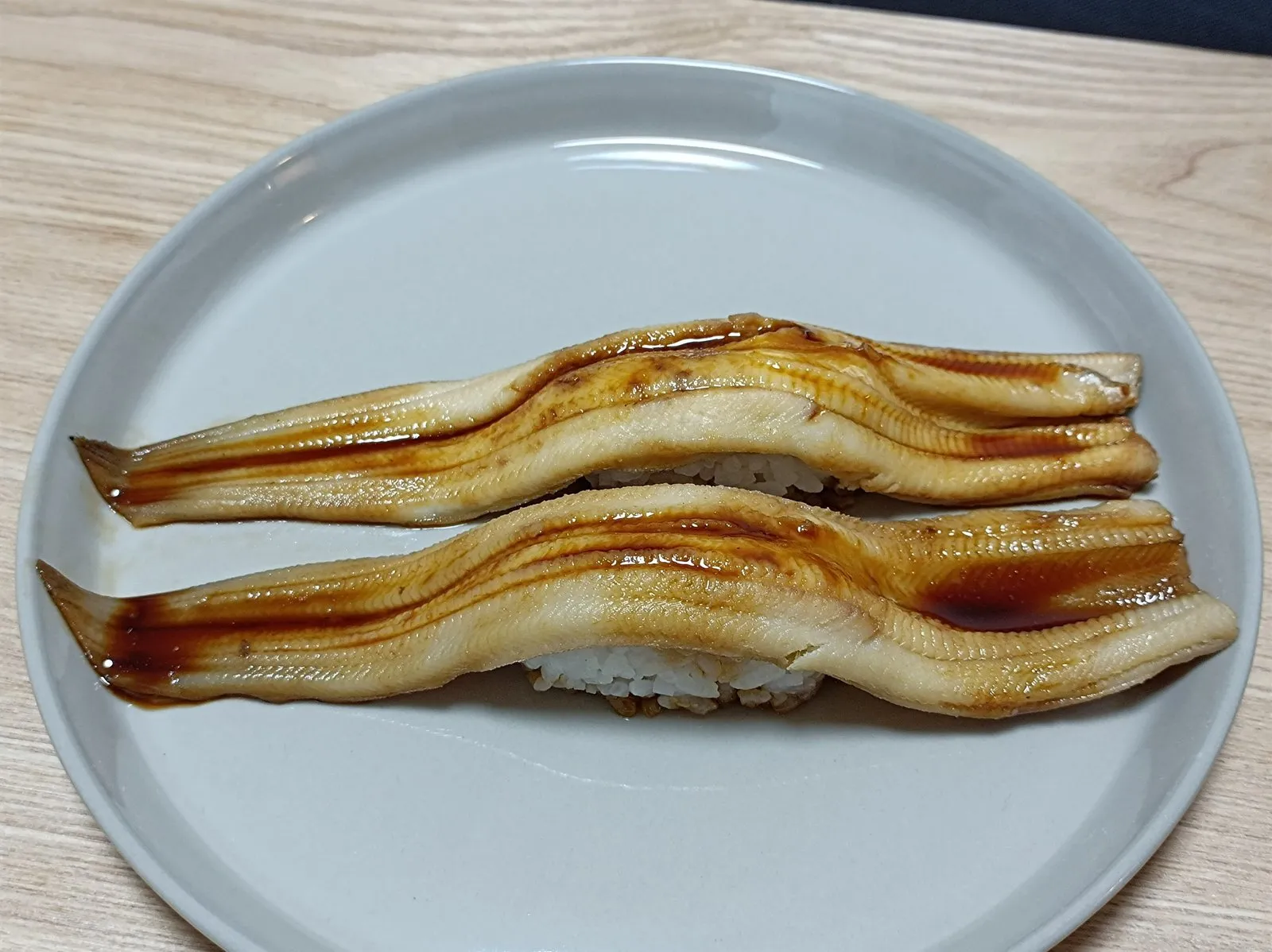 穴子anago  店内表記煮あなごni-anago煮た穴子のにぎり(中国産)煮星鳗握寿司(中国产)Simmered conger eel (anago) nigiri; conger from China  店内表記あなごanagoマアナゴ(中国産)のにぎり星鳗(真穴子,中国产)握寿司Conger eel (maanago) nigiri, from China  店内表記煮あなごni-anago煮た穴子のにぎり(中国産など)煮星鳗握寿司(中国产等);官网中文名「煮星鳗」Simmered conger eel nigiri (China etc.); English-site name “Boiled Conger Eel”  店内表記上穴子jō-anago「上」は上等の意。煮あなごより一段高い価格で並ぶ穴子のにぎり(中国産など)「上」意为上等;价格比普通「煮星鳗」高一档的星鳗握寿司(中国产等)Jō means top grade: an anago nigiri priced a step above the plain ni-anago (China etc.) | マアナゴ 星康吉鳗(星鳗) Whitespotted conger | アナゴ科のマアナゴ。すし種には煮た身を使い、「煮詰め(ツメ)」を塗って出す 康吉鳗科的星康吉鳗;做寿司料时用煮过的鱼肉,再刷上“煮詰め”(ツメ,浓缩酱汁) The whitespotted conger; for sushi it is simmered and brushed with nitsume (tsume), a thick reduced sauce | 昼は海底の穴や砂泥に潜んで夜に餌をとる習性が「穴子」の名の由来で、体側に白い点が等間隔に並ぶさまが竿秤の目盛りに似るため「ハカリメ」とも呼ばれる。ウナギと違って鱗がなく一生を海で過ごし、旬は夏で、透明な幼生は高知などで「ノレソレ」として食べられる。江戸前の握りは初め煮たアナゴ・イカ・エビなどを種にしたもので、戦後に煮物種が減るなかでもアナゴは残った。煮詰めは、穴子の煮汁に醤油・みりん・砂糖などを加えて煮詰めたたれで、シャコやハマグリにも塗る。 白天潜伏在海底洞穴或泥沙中、夜里出来觅食,这一习性就是“穴子”(洞中之子)名字的由来;体侧白点等距排列,像杆秤的刻度,所以又叫“ハカリメ”。它不像鳗鲡那样有鳞,一生都在海里度过,旬期在夏季;透明的幼体在高知等地叫“ノレソレ”,也被食用。江户前握寿司起初多用煮过的星鳗、乌贼、虾等做料,战后煮制的寿司料越来越少,星鳗却一直保留下来。“煮詰め”是在星鳗煮汁里加酱油、味醂、砂糖等熬浓的酱汁,也刷在虾蛄和文蛤上。 The name, “hole child”, comes from its habit of hiding in burrows and sand by day and feeding at night; the evenly spaced white dots along its side, like the marks on a steelyard, give it the nickname hakarime. Unlike the freshwater eel it has no scales and spends its whole life at sea; it is best in summer, and its transparent larvae are eaten in Kōchi and elsewhere as noresore. Early Edo-style nigiri relied on simmered toppings such as anago, squid and shrimp, and while simmered toppings faded after the war, anago remained. Nitsume is the anago simmering liquid reduced with soy sauce, mirin and sugar, and is also brushed on mantis shrimp and clams. |
 イカika  店内表記アカイカakaikaアカイカのにぎり(日本・中国産)「アカイカ」(一种鱿鱼)握寿司(日本、中国产)Nigiri of akaika, a kind of squid (Japan, China)  店内表記いかikaヤリイカのにぎり(ベトナム産など)枪乌贼握寿司(越南产等)Spear squid (yariika) nigiri (Vietnam etc.)  店内表記いかikaいかのにぎり鱿鱼握寿司Squid nigiri  店内表記うにいか軍艦uni-ika gunkanいかをうにで和えた珍味「うにいか」の軍艦用海胆拌鱿鱼的下酒小菜「うにいか」做的军舰卷Gunkan of uni-ika, a relish of squid dressed in sea urchin | イカ(アオリイカ・コウイカ・スルメイカなど) 鱿鱼、乌贼 Squid and cuttlefish | 胴(外套膜)の身。江戸前の握りでは煮たイカが主で、生のイカがすし種として広まったのは戦後 身体(外套膜)的肉;江户前握寿司原本多用煮过的乌贼,生乌贼成为寿司料是在战后 The body (mantle); early Edo-style nigiri used simmered squid, and raw squid became a sushi topping only after the war | イカは世界に約450種、食用は約30種で、日本の水揚げの7割はスルメイカが占める。石灰質の甲を持つコウイカは、死ぬと墨を出すことから市場や釣り人の間で「スミイカ」と呼ばれ、その稚イカは初夏のすし種「新イカ」として珍重される。アオリイカは歯ごたえ・甘み・うま味からイカの刺身で最も美味と評されるが、漁獲が少ない。昭和30年代までは鮮度を保つ技術が普及しておらず、獲れたイカの多くはスルメに加工された。 全世界的乌贼类约450种,可食用的约30种,日本渔获量的七成是太平洋褶柔鱼(スルメイカ)。长有石灰质内壳(甲)的金乌贼(コウイカ)死后会流出墨汁,因此在市场和钓客中叫“スミイカ”(墨乌贼),其幼体作为初夏的寿司料“新イカ”备受珍视。莱氏拟乌贼(アオリイカ)以口感、甜味和鲜味被评为乌贼刺身中最美味的一种,但捕获量少。到昭和30年代(1955—1964年)为止,保鲜技术尚未普及,捕获的乌贼大多被制成鱿鱼干(スルメ)。 About 450 squid species are known worldwide, some 30 of them eaten, and the Japanese flying squid (surume-ika) makes up 70% of Japan’s landings. The golden cuttlefish (kō-ika), with its chalky internal shell, leaks ink when it dies and so is called sumi-ika (“ink squid”) at markets and by anglers; its juveniles are prized in early summer as the sushi topping shin-ika. The bigfin reef squid (aori-ika) is rated the finest sashimi squid for its bite, sweetness and savour, but the catch is small. Until the mid-1960s freshness could rarely be kept, and most squid landed was dried into surume. |
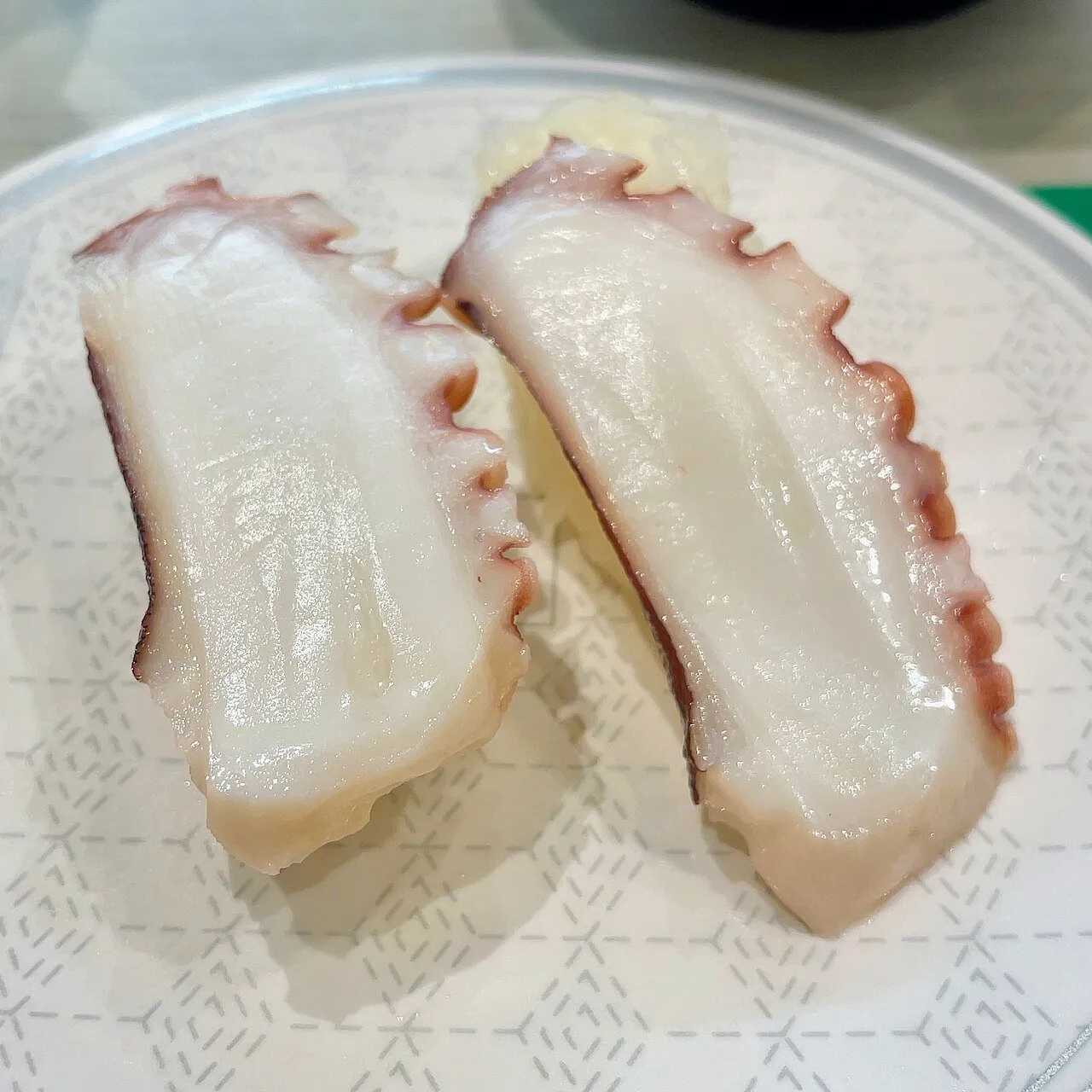 タコtako  店内表記真だこmadakoマダコのにぎり(中国産)真蛸(マダコ)握寿司(中国产)Common octopus (madako) nigiri; octopus from China  店内表記たこうにtako-uni国産のたこをうにで和えた「たこうに」の軍艦用海胆拌日本产章鱼的「章鱼海胆」军舰卷Gunkan of tako-uni, Japanese octopus dressed in sea urchin  店内表記たこtakoゆでだこのにぎり(中国産など)水煮章鱼握寿司(中国产等)Boiled octopus nigiri (China etc.); English-site name “Boiled Octopus” | マダコ 章鱼(真蛸) Octopus (common octopus) | 主にマダコの腕(足)を塩もみして茹でた身 主要是用盐搓洗后煮熟的真蛸腕足 Mainly the arms of the common octopus, rubbed with salt and boiled | 市場で最も普通に見られるマダコは各腕に70〜80個の吸盤が2列に並び、旬は夏。関西には雑節の半夏生に、稲がタコの吸盤のようにしっかり根付くよう願ってタコを食べる風習がある。国内消費の半分以上を輸入に頼り、2020年の輸入3万7748トンの約7割はモーリタニアとモロッコ産。タコの名は『出雲国風土記』に見え、『延喜式』には干しダコの貢納が記されている。 市场上最常见的真蛸每条腕上有70—80个吸盘,排成两列,旬期在夏季。关西有在杂节“半夏生”吃章鱼的习俗,寓意稻苗像章鱼吸盘一样牢牢扎根。日本消费的章鱼一半以上靠进口,2020年进口的37,748吨中约七成来自毛里塔尼亚和摩洛哥。章鱼之名已见于《出云国风土记》,《延喜式》里还记载了进贡章鱼干。 The common octopus, the one seen most at market, has 70–80 suckers in two rows on each arm and is best in summer. In Kansai people eat octopus on Hangeshō, a seasonal day in early summer, praying that rice seedlings will take root as firmly as an octopus’s suckers grip. More than half of Japan’s octopus is imported; of 37,748 t imported in 2020, about 70% came from Mauritania and Morocco. Octopus is named in the Izumo Fudoki, and the Engishiki records dried octopus paid as tribute. |
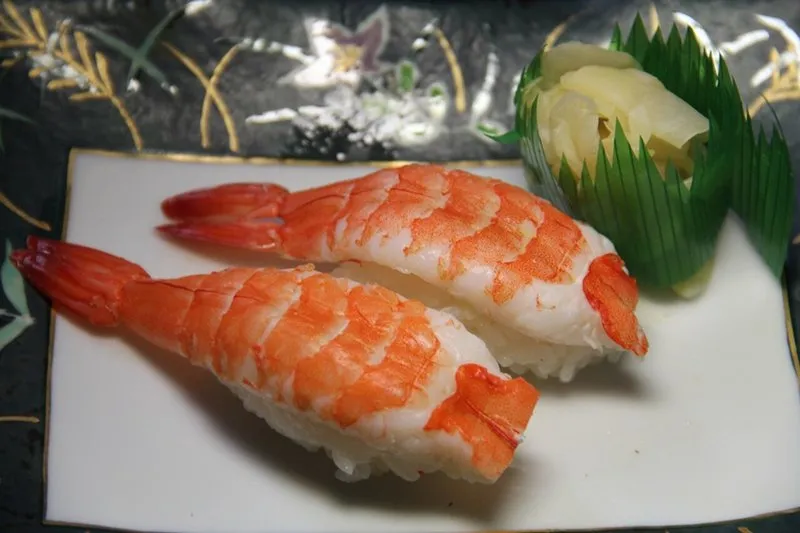 エビebi  店内表記えびebi火を通したえびのにぎり(タイ・ベトナム・インドネシア・インド産)熟虾握寿司(泰国、越南、印度尼西亚、印度产);官网中文名「蒸虾」Cooked shrimp nigiri (Thailand, Vietnam, Indonesia, India); English-site name “Boiled Shrimp”  店内表記炙りえびマヨaburi ebi mayoえびにマヨネーズをのせて炙ったにぎり虾上放蛋黄酱后炙烤的握寿司Shrimp nigiri topped with mayonnaise and torch-seared; English-site name “Boiled & Seared Shrimp w/ Mayo”  店内表記えび天握りebiten nigiriえびの天ぷらをのせたにぎり(えびはタイ・ベトナム産など)铺炸虾天妇罗的握寿司(虾产自泰国、越南等);官网中文名「炸虾天妇罗」Nigiri topped with shrimp tempura (shrimp from Thailand, Vietnam etc.); English-site name “Shrimp Tempura” 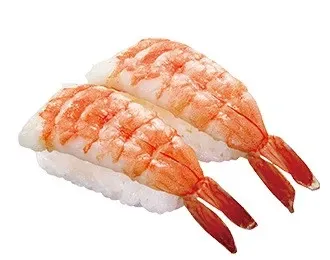 店内表記えびebiゆでえびのにぎり(タイ産など)熟虾握寿司(泰国产等)Cooked shrimp nigiri (Thailand etc.) 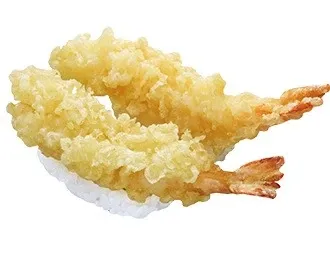 店内表記えび天にぎりebiten nigiriえびの天ぷらをのせたにぎり(えびはベトナム産など)铺炸虾天妇罗的握寿司(虾产自越南等)Nigiri topped with shrimp tempura (shrimp from Vietnam etc.) 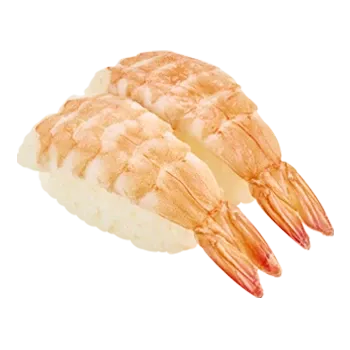 店内表記えびebiゆでたえびのにぎり(ベトナム産など)熟虾握寿司(越南产等)Cooked shrimp nigiri (Vietnam etc.) 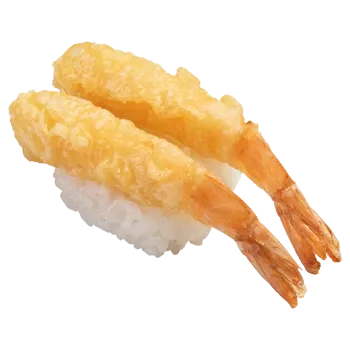 店内表記えび天にぎりebiten nigiriえびの天ぷらをのせたにぎり(えびはベトナム産など)铺炸虾天妇罗的握寿司(虾产自越南等)Nigiri topped with shrimp tempura (shrimp from Vietnam etc.) | エビ(クルマエビなど) 虾 Shrimp / prawn | 江戸前ずしではクルマエビを茹でて(煮て)使い、生のエビがすし種として広まったのは戦後 江户前寿司用煮熟的日本对虾(クルマエビ),生虾成为寿司料是在战后 Edo-style sushi uses boiled kuruma prawns; raw shrimp became a sushi topping only after the war | クルマエビは腹を曲げると縞模様が車輪のように見えることが名の由来で、国内ではエビ類の最高級品とされ、1960年に幼生の大量飼育技術が確立して陸上での完全養殖が可能になった。日本で食べるエビの9割以上は輸入で(2018年は輸入15万8488トン、国内漁獲1万4645トン)、すし種にも養殖のバナメイエビが広く使われる。「海老」の表記は日本独自で、平安時代の『和名類聚抄』に見え、曲がった体と長いひげを老人に見立てたものと考えられている。 日本对虾(クルマエビ)腹部弯曲时条纹像车轮,因此得名,在日本被视为最高档的虾,1960年确立了幼体大规模培育技术,从此可在陆上全人工养殖。日本人吃的虾九成以上靠进口(2018年进口158,488吨,国内捕获14,645吨),寿司料也大量使用养殖的南美白对虾(バナメイ)。“海老”的写法是日本独有的,见于平安时代的《和名类聚抄》,一般认为是把弯曲的身体和长须比作老人。 The kuruma prawn is named for the stripes that look like a wheel (kuruma) when it curls; Japan ranks it the finest shrimp, and mass rearing of its larvae, established in 1960, made full land-based farming possible. Over 90% of the shrimp eaten in Japan is imported (158,488 t imported against a domestic catch of 14,645 t in 2018), and farmed whiteleg shrimp is widely used for sushi. Writing ebi as 海老, “old man of the sea”, is a Japanese usage first seen in the Heian dictionary Wamyō Ruijushō, thought to liken the bent body and long feelers to an old man. |
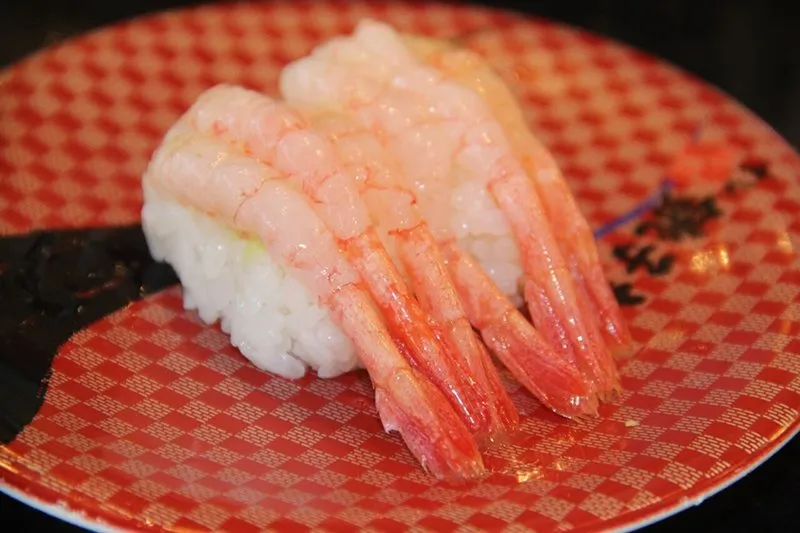 甘エビamaebi  店内表記甘えびamaebi甘えびのにぎり(デンマーク・カナダ・グリーンランド産など)甜虾握寿司(丹麦、加拿大、格陵兰产等)Sweet shrimp (amaebi) nigiri (Denmark, Canada, Greenland etc.)  店内表記甘えびamaebi生の甘えびのにぎり(カナダ産など)生甜虾握寿司(加拿大产等)Raw sweet shrimp nigiri (Canada etc.)  店内表記甘えびamaebi生の甘えびのにぎり(カナダ・デンマーク産など)生甜虾握寿司(加拿大、丹麦产等)Raw sweet shrimp nigiri (Canada, Denmark etc.) | ホッコクアカエビ 甜虾(北国赤虾) Sweet shrimp (northern shrimp) | タラバエビ科のホッコクアカエビ(標準和名)の生の身。刺身やすし種にする 长额虾科北国赤虾(标准和名ホッコクアカエビ)的生虾肉,做刺身或寿司料 Raw meat of the pink shrimp Pandalus eous (standard name hokkoku-aka-ebi), eaten as sashimi and sushi | 刺身にすると甘みがあることから「アマエビ」の名で流通し、一様に赤い体色から「アカエビ」「ナンバンエビ」「トンガラシ」などの地方名もある。日本海から北太平洋北部の水深150〜500mの泥底にすみ、北大西洋のものを別種ホンホッコクアカエビとする見方もあるが、水産上は区別されていない。まず雄として成熟し、成長すると雌に性転換する(雄性先熟)ため、大型の個体はすべて雌で、寿命は4年ほど。 生吃有甜味,所以以“アマエビ”(甜虾)之名流通;体色通红,各地又叫“アカエビ”“ナンバンエビ”“トンガラシ”(辣椒)等。它栖息于日本海至北太平洋北部水深150—500米的泥底;也有观点把北大西洋的群体视为另一物种(北极甜虾),但水产贸易上并不区分。它先以雄性成熟,长大后转变为雌性(雄性先熟),所以大个体全是雌虾,寿命约4年。 It is sold as amaebi, “sweet shrimp”, for its sweetness when eaten raw, and its uniformly red body earns local names such as aka-ebi, nanban-ebi and tongarashi (“chilli”). It lives on muddy bottoms 150–500 m deep from the Sea of Japan to the northern North Pacific; some treat the North Atlantic form as a separate species, Pandalus borealis, though the trade does not distinguish them. It matures first as a male and later turns female (protandry), so all large individuals are female; it lives about four years. |
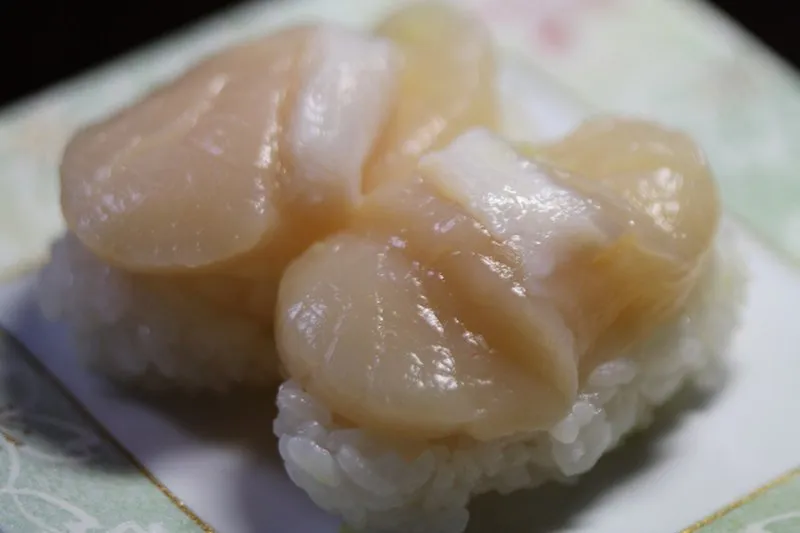 ホタテhotate  店内表記ほたて(北海道・青森県産)hotate (Hokkaidō, Aomori-kensan)北海道・青森県産のほたてのにぎり北海道、青森县产扇贝握寿司Scallop (hotate) nigiri, from Hokkaidō and Aomori  店内表記大盛り貝柱ōmori kaibashiraホタテではなく、同じイタヤガイ科のイタヤガイの小さな貝柱を盛ったにぎり(中国産)不是虾夷扇贝,而是同属扇贝科的イタヤガイ的小贝柱,大份铺在饭上(中国产)A heap of small adductors from the Japanese baking scallop (itayagai), same family as hotate but not hotate; from China  店内表記ほたてひもピリ辛わさびhotate-himo pirikara wasabi国産ホタテの「ひも」(外套膜)をピリ辛わさびで和えた軍艦用微辣芥末拌日本产扇贝「裙边」(外套膜)的军舰卷Gunkan of Japanese scallop mantle (himo) in a spicy wasabi dressing  店内表記国産ほたて貝柱kokusan hotate kaibashira国産ほたての貝柱(閉殻筋)のにぎり日本产扇贝的贝柱(闭壳肌)握寿司Nigiri of Japanese scallop adductor muscle (kaibashira) | ホタテガイの貝柱 扇贝(虾夷扇贝)的贝柱 Scallop (adductor muscle) | ホタテガイの貝柱(殻を閉じる後閉殻筋)。周りの外套膜「ひも」もすし種にする 虾夷扇贝的贝柱(闭合贝壳的后闭壳肌);周围的外套膜“ひも”(裙边)也可做寿司料 The adductor muscle that closes the shell of the Japanese scallop; the surrounding mantle frill (himo) is also used for sushi | 「帆立貝」の名は、片方の殻を帆のように立てて海上を走ると考えられたことによるが、実際は殻を激しく開閉して水を噴き出し、その反動で泳ぐ。この遊泳のために貝柱が発達し、体重の約10〜15%を占める。国内生産の99%以上が北海道・青森・岩手・宮城で、オホーツク海沿岸で稚貝を海底にまいて3〜4年育てる「地まき」は貝柱が太く弾力があり、陸奥湾や噴火湾でかごに入れたり耳に穴を開けて吊るしたりして育てる「垂下式」は砂をかまず身が柔らかい。外套膜の縁に並ぶ約80個の黒い点はすべて目で、明暗を感じているとされる。 “帆立貝”之名源于从前以为它会把一片壳像帆一样竖起、在海面上航行;实际上它是靠猛烈开合贝壳喷水,借反冲力游动。为了游泳,贝柱特别发达,约占体重的10%—15%。日本国内产量99%以上来自北海道、青森、岩手、宫城:鄂霍次克海沿岸把幼贝撒到海底养3—4年的“地まき”,贝柱粗壮有弹性;陆奥湾、喷火湾把贝装笼或在贝耳上打孔吊养的“垂下式”,不含沙、肉质柔软。外套膜边缘约80个黑点全是眼睛,一般认为能感知明暗。 Hotate-gai, “sail-raising shell”, comes from the old belief that it raised one valve like a sail to cruise the sea; in fact it swims by clapping its valves and jetting water out. That swimming is why the adductor is so big, about 10–15% of body weight. Over 99% of Japan’s output comes from Hokkaidō, Aomori, Iwate and Miyagi: on the Okhotsk coast young scallops are sown on the seabed and grown 3–4 years (jimaki), giving thick, springy adductors, while in Mutsu Bay and Funka Bay they are hung in baskets or by a hole drilled in the hinge “ear” (suika), giving sand-free, softer meat. The roughly 80 black dots along the mantle edge are all eyes, thought to sense light and dark. |
 ウニuni  店内表記うに軍艦uni gunkanチリ産うにの軍艦。北海道の店舗限定智利产海胆军舰卷;仅北海道门店供应Sea urchin (uni) gunkan, uni from Chile; Hokkaidō shops only 店内表記たこうにtako-uni国産のたこをうにで和えた「たこうに」の軍艦用海胆拌日本产章鱼的「章鱼海胆」军舰卷Gunkan of tako-uni, Japanese octopus dressed in sea urchin 店内表記うにいか軍艦uni-ika gunkanいかをうにで和えた珍味「うにいか」の軍艦用海胆拌鱿鱼的下酒小菜「うにいか」做的军舰卷Gunkan of uni-ika, a relish of squid dressed in sea urchin | ウニの生殖巣 海胆(生殖腺) Sea urchin (gonads) | 殻の内側に5つ並ぶ生殖巣(卵巣または精巣)。すしでは軍艦巻きにすることが多い 壳内排列的5块生殖腺(卵巢或精巢);做寿司时多做成军舰卷 The five gonads (ovaries or testes) lining the inside of the shell; at sushi usually served as gunkan-maki | 食用にする種は地域で決まっていて、北海道と東北北東部ではエゾバフンウニとキタムラサキウニ、本州以南の多くの地域ではバフンウニ・ムラサキウニ・アカウニ、奄美・沖縄ではシラヒゲウニを採る。古くはウニといえば生殖巣を塩漬けにした塩ウニのことで、『日本山海名産図会』は「塩辛中の第一」とし、塩とアルコールを加えた加工品は「雲丹」と書かれる。日本の消費量は桁外れに多く、生殖巣の重量で年2000トン以上を十数か国から輸入している。 各地食用的种类基本固定:北海道和东北地区东北部采中间球海胆(エゾバフンウニ)和光棘球海胆(キタムラサキウニ),本州以南多数地区采马粪海胆、紫海胆、红海胆,奄美和冲绳采白棘三列海胆(シラヒゲウニ)。过去说“ウニ”指的是用盐腌的海胆生殖腺(塩ウニ),《日本山海名产图会》称之为“盐辛中第一”;加盐和酒精制成的加工品则写作“雲丹”。日本的消费量大得出奇,每年以生殖腺重量计从十几个国家进口2000吨以上。 Which species is eaten depends on the region: Ezo bafun-uni and kita-murasaki-uni in Hokkaidō and north-eastern Tōhoku, bafun-uni, murasaki-uni and aka-uni across most of Honshū and further south, and shirahige-uni in Amami and Okinawa. Uni once meant salted gonads — the Nihon Sankai Meisan Zue called salted uni “the finest of all shiokara” — and the product processed with salt and alcohol is written 雲丹. Japan’s consumption is enormous: it imports over 2,000 t of gonads a year from more than ten countries. |
 イクラikura  店内表記いくらikuraいくらの軍艦(アメリカ・日本・ロシア産)イクラ(鲑鳟鱼卵)军舰卷(美国、日本、俄罗斯产)Ikura (salmonid roe) gunkan (US, Japan, Russia)  店内表記いくらikuraますの卵(ロシア産)を使ったいくらの軍艦用鳟鱼卵(俄罗斯产)做的イクラ军舰卷Ikura gunkan made with trout roe (from Russia)  店内表記いくら軍艦ikura gunkanいくらの軍艦(いくらはアメリカ産など)イクラ(鲑鳟鱼卵)军舰卷(原料产自美国等)Ikura (salmonid roe) gunkan; roe from the US etc. | サケ・マスの卵(ばらした粒) 鲑鱼籽 Salmon roe | サケ・マスの成熟卵を卵巣膜からばらして塩水などに漬けたもの。膜に包まれたまま塩漬けにしたものは筋子 把鲑、鳟的成熟卵从卵巢膜中一粒粒分开,用盐水等腌制;连膜整块腌制的叫“筋子”(すじこ) Ripe salmon or trout eggs separated from the ovary membrane and cured in brine; cured still in the membrane they are sujiko | ロシア語で「魚卵」を意味する ikra に由来し、日露戦争(1904〜05年)のころ、ロシア人がキャビアの代わりに食べたのが日本での始まりといわれ、昭和初期の市場ではイクラが「カビア」の名で売られていた。膜付きの筋子は古くから珍重され、『延喜式』には「鮭子」として信濃・越後などからの貢納が見える。主な原料はシロサケの卵で、輸入は米国・ロシアから。海藻由来の多糖類で植物油を包んだ模造品も作られている。 名称来自俄语ikra(鱼卵);据说日俄战争(1904—1905年)时俄国人把它当鱼子酱的替代品来吃,这是日本吃イクラ的开端,昭和初期市场上的イクラ还以“カビア”(鱼子酱)之名出售。带膜的筋子自古珍贵,《延喜式》中就有信浓、越后等地以“鮭子”进贡的记载。主要原料是白鲑的卵,进口则来自美国和俄罗斯。另有用海藻多糖包裹植物油制成的仿制品。 The word is Russian ikra, “fish roe”; it is said to have started in Japan around the Russo-Japanese War (1904–05), when Russians ate it as a stand-in for caviar, and in early Shōwa markets ikura was sold under the name kabia (“caviar”). Roe in its membrane (sujiko) has long been prized: the Engishiki records “salmon roe” sent as tribute from Shinano, Echigo and elsewhere. Most ikura comes from chum salmon, with imports from the United States and Russia, and imitations are made by wrapping vegetable oil in a seaweed polysaccharide. |
 カニkani  店内表記かに軍艦kani gunkan本ズワイガニの身の軍艦(原料はロシア・カナダ産、ベトナム・中国で加工)雪蟹(本楚蟹)蟹肉军舰卷(原料产自俄罗斯、加拿大,在越南、中国加工)Gunkan of snow crab (hon-zuwaigani) meat; crab from Russia and Canada, processed in Vietnam and China  店内表記かにみそkanimiso国産ベニズワイガニの「かにみそ」(中腸腺)の軍艦日本产红雪蟹「蟹膏」(中肠腺)军舰卷Gunkan of kanimiso (the crab’s hepatopancreas) from Japanese red snow crab  店内表記大型生本ずわい蟹ōgata nama hon-zuwaigani生の本ずわい蟹(ズワイガニ)の脚肉をのせたにぎり(カナダ・ロシア産など)生雪蟹(本楚蟹)蟹腿肉握寿司(加拿大、俄罗斯产等)Raw snow crab (hon-zuwaigani) leg meat on rice; from Canada, Russia etc. | カニ(ズワイガニ・タラバガニなど) 蟹(雪蟹、帝王蟹等) Crab (snow crab, king crab, etc.) | ズワイガニやタラバガニなどの身。生は傷みやすく、多くは塩ゆでや冷凍で流通する 雪蟹(ズワイガニ)、帝王蟹(タラバガニ)等的蟹肉;生蟹容易变质,多以盐水煮熟或冷冻的形式流通 Meat of snow crab, king crab and the like; raw crab spoils quickly, so most is sold salt-boiled or frozen | ズワイガニは山陰では「松葉ガニ」、福井では「越前ガニ」と呼ばれ、11〜3月に水深150〜200mの底引網で漁獲される。雌は成熟すると抱卵を繰り返して甲幅7〜8cmで成長が止まり、「セイコ」「コウバコ」などと呼ばれる。タラバガニは鱈の漁場(鱈場)でとれることからの名だが、分類上はヤドカリの仲間(異尾類)で、最後の脚が小さく甲の中に隠れている。ゆでると赤くなるのは、生きている間はたんぱく質と結合して青黒く見える色素アスタキサンチンが、加熱で離れて赤色を現すため。 雪蟹在山阴地区叫“松葉ガニ”,在福井叫“越前ガニ”,每年11月至次年3月用底拖网在水深150—200米处捕捞。雌蟹成熟后不断抱卵,甲宽长到7—8厘米就不再长大,被称为“セイコ”“コウバコ”等。帝王蟹(タラバガニ)因在鳕鱼渔场(鱈場)捕获而得名,但分类上属于寄居蟹类(异尾类),最后一对足很小,藏在甲壳里。蟹煮熟后变红,是因为色素虾青素在活蟹体内与蛋白质结合而呈青黑色,加热后分离,显出本来的红色。 Snow crab is called matsuba-gani in San’in and Echizen-gani in Fukui, and is trawled from 150–200 m between November and March. Females stop growing at a 7–8 cm shell once mature, carrying eggs continuously, and are known as seiko or kōbako. King crab (taraba-gani) is named for the cod grounds (tara-ba) where it is caught, yet it is classed with the hermit crabs (Anomura), its last pair of legs small and hidden under the shell. Crab turns red when boiled because the pigment astaxanthin, bound to protein and looking blue-black in the living animal, is released by heat and shows its true red. |
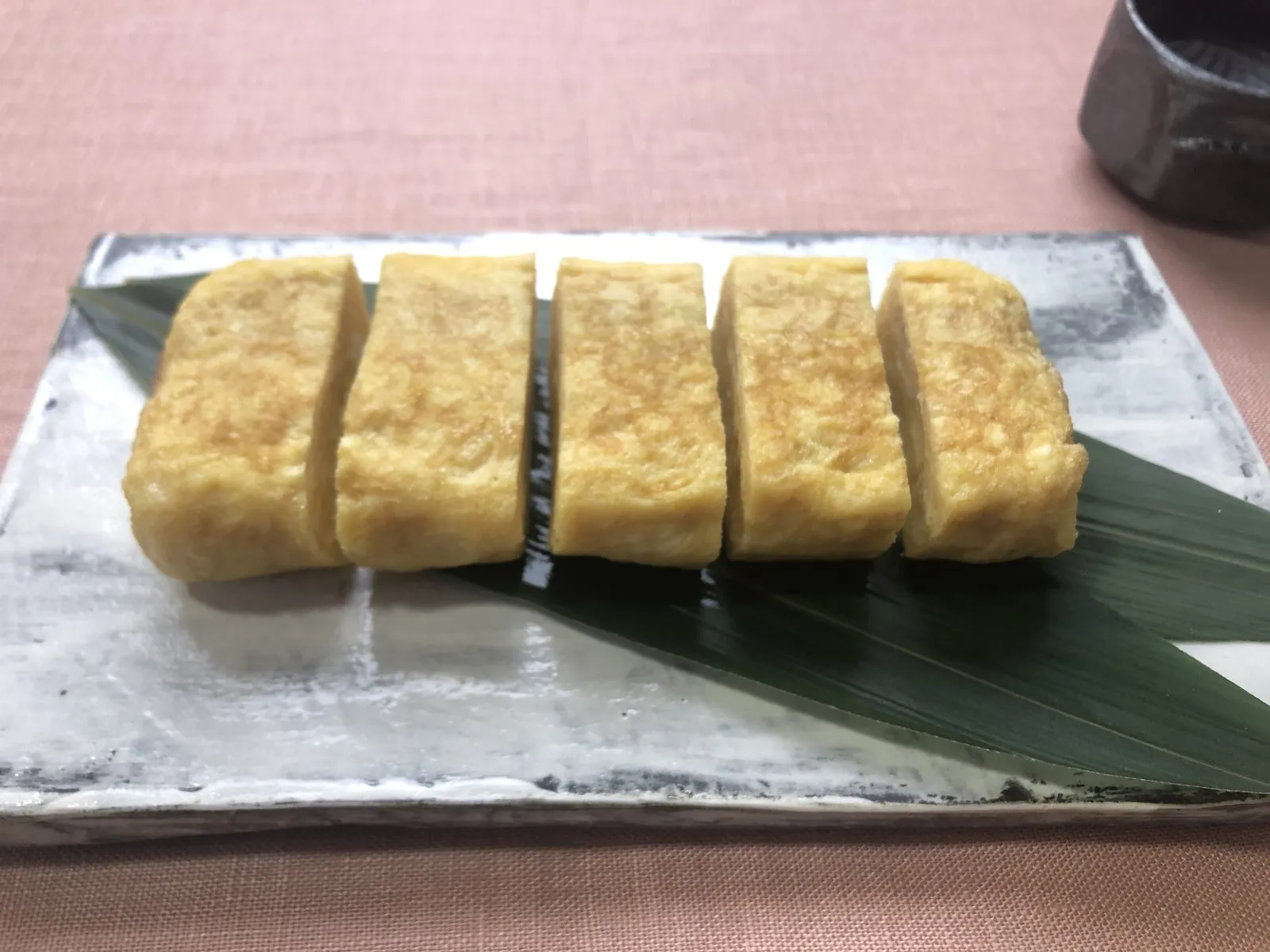 玉子tamago  店内表記旨だしたまごumadashi tamagoだし入りの玉子焼きのにぎり(鶏卵は日本・タイ産)加高汤的日式煎蛋握寿司(鸡蛋产自日本、泰国);官网中文名「玉子烧 手握寿司」Nigiri of rolled omelet made with dashi (eggs from Japan, Thailand); English-site name “Japanese Style Broth Omelet”  店内表記たまご焼きtamagoyaki玉子焼きのにぎり(鶏卵は国産など)日式煎蛋握寿司(鸡蛋为日本产等)Rolled omelet (tamagoyaki) nigiri; eggs mainly from Japan  店内表記たまごtamago玉子焼きのにぎり(鶏卵は日本産など)日式煎蛋握寿司(鸡蛋为日本产等);官网中文名「鸡蛋」Rolled omelet nigiri, eggs mainly from Japan; English-site name “Japanese Egg Omelet” | すし種の厚焼き玉子 玉子烧(厚蛋烧) Sweet rolled omelette (tamagoyaki) | 溶き卵に調味料を加えて厚く焼いた卵焼き。すし屋では「ギョク」と呼ぶ 在蛋液里加调味料煎成的厚蛋烧;寿司店里叫“ギョク” Beaten egg seasoned and cooked into a thick omelette; sushi shops call it gyoku | 握りずしは文化・文政期(1804〜30年)ごろに江戸で始まり、初めは鮮魚介類を使わず卵焼きと「おぼろ(でんぶ)」が主な種だったとされる。当時のすしは1貫4〜8文ほどで、江戸末期に最も高かったのは16文の「卵巻き」だったという。「ギョク」は「玉子」の「玉」を音読みした符丁で、「玉子」の字は形の丸さから、あるいは魂(たま)の入ったものと考えたためと解され、「厚焼の玉子」の語は1769年の洒落本に見える。 握寿司约在文化、文政年间(1804—1830年)诞生于江户,据说起初不用鲜鱼贝,主要的料是玉子烧和“おぼろ”(鱼松)。当时的寿司每贯约4—8文,据说江户末期最贵的是16文的“卵巻き”(蛋卷寿司)。“ギョク”是把“玉子”的“玉”字按音读念的行话;“玉子”的写法一说因其形圆,一说因为被看作装有“魂(たま)”之物;“厚焼の玉子”一词见于1769年的洒落本。 Nigiri began in Edo around the Bunka–Bunsei era (1804–30), and at first, it is said, its main toppings were not fresh seafood but omelette and oboro, sweet fish floss. Sushi then cost about 4–8 mon a piece, and the dearest at the end of the Edo period, at 16 mon, is said to have been the egg roll (tamago-maki). Gyoku is trade slang reading the 玉 of 玉子 in its Chinese reading; the spelling 玉子 is explained by the egg’s round shape or as a vessel holding a soul (tama), and “thick-cooked egg” (atsuyaki no tamago) appears in a sharebon of 1769. |
部位鱼的部位Fish parts
| ことば词Word | 意味意思Meaning | 部位・正体部位What & where | 解説说明Notes |
|---|---|---|---|
 カマkama | 魚のえら下・胸びれまわりの身 鱼下巴(鳃下胸鳍根部的肉) Fish collar | えらの下の、胸びれが付いている部分 鱼鳃下方、长着胸鳍的部位 The section below the gills where the pectoral fin is attached | 名は、形が草刈りの「鎌」に似ていることによる。マダイのカマは脂がのって濃厚で塩焼きや照り焼きに向き、マグロのカマは塩焼きか煮付けにする。マグロの大トロ(腹カミ)はカマに接する腹側の部分で、頭部からはカマのほか「カマトロ」「脳天」「ホホ肉」なども切り出され、かつての端材が今は希少部位として流通している。 名字来自它的形状像割草用的“鎌”(镰刀)。真鲷的カマ脂肪丰富、味道浓郁,适合盐烤或照烧;金枪鱼的カマ则做盐烤或炖煮。金枪鱼的大腹(腹カミ)就是紧挨カマ的腹侧部分;头部除了カマ还能切出“カマトロ”“脳天”(头顶肉)“颊肉”等,这些过去的边角料如今都作为稀少部位流通。 The name comes from its likeness to a kama, a sickle. Sea-bream collar is rich and fatty and suits salt-grilling or teriyaki, while tuna collar is salt-grilled or simmered. Tuna ōtoro (hara-kami) is the belly section adjoining the collar, and the head also yields kama-toro, nōten and cheek meat — former trimmings now sold as rare cuts. 出典 · 6 |
中落ちnakaochi | 中骨とそれに付いた身 鱼脊骨及其附着的肉 Backbone and the meat left on it | 魚を三枚におろしたときの中骨の部分と、そこに付いている身 把鱼剖成三片(三枚おろし)后剩下的中骨部分,以及附在上面的肉 The backbone left after filleting a fish into three pieces (sanmai-oroshi), and the meat still on it | マグロの中落ちは太い中骨に付いた身で、丼の具材にもなる比較的なじみのある部位であり、骨ごと出してスプーンで身を削りながら食べさせる店もある。かつて築地市場では中落ちなど骨まわりの身はほとんど廃棄物扱いで、関係者が骨からかき取って食べる程度だったが、今は「本マグロ中落ち」などとして品書きに並ぶ。タイの中骨は上品で深いうま味の出汁が出るため、鯛めしや味噌汁、茶碗蒸しの出汁に使われる。 金枪鱼的中落ち是附在粗大脊骨上的肉,常用作盖饭的料,算是比较常见的部位;也有店把整根骨头端上桌,让客人用勺子自己刮着吃。从前在筑地市场,中落ち这类骨边肉几乎被当作废料,只有市场里的人从骨头上刮下来吃;如今却以“本マグロ中落ち”等名目出现在菜单上。真鲷的中骨能熬出清雅浓厚的高汤,用来做鲷鱼饭、味噌汤和茶碗蒸。 Tuna nakaochi is the meat on the thick backbone, a fairly familiar cut often piled on rice bowls, and some restaurants bring the bone to the table for diners to scrape with a spoon. At the old Tsukiji market such bone-side meat was treated almost as waste, eaten only by market hands who scraped it off; now it appears on menus as “bluefin nakaochi”. Sea-bream backbone gives a refined, deep stock used for tai-meshi rice, miso soup and chawanmushi. |
 ハラスharasu 店内表記焼きはらすyaki-harasuギンザケ・アトランティックサーモンの腹身(はらす)を焼いたにぎり(チリ産など)烤银鲑、大西洋鲑腹肉(はらす)的握寿司(智利产等)Grilled belly (harasu) of coho or Atlantic salmon, as nigiri (Chile etc.) 店内表記焼とろサーモンyakitoro sāmon脂ののったサーモンの腹身を炙ったにぎり(ノルウェー・イギリス産など)炙烤多脂三文鱼腹肉的握寿司(挪威、英国产等);官网中文名「烤三文鱼腩寿司」Seared fatty salmon belly nigiri (Norway, UK etc.); English-site name “Grilled Salmon Belly” | サケ・マスの腹身 鲑鱼腹肉(三文鱼腩) Salmon belly | サケなどの腹側で、内臓のまわりの脂ののった身。「腹身(はらみ)」ともいう 鲑鱼等的腹侧、包着内脏的那层多脂的肉,也叫“腹身”(はらみ) The fatty belly flap around the guts of a salmon or similar fish, also called harami | デジタル大辞泉は「魚、特にサケの腹の肉。内臓のまわりの部分で、脂ののりがよい」と定義し、語源は未詳で、多く片仮名で「ハラス」と書くとする。同辞典は「腹身(はらみ)」の語義にもサケなどの腹の肉を挙げてハラスと同じものとしており、牛・豚の横隔膜を指す焼肉の「ハラミ」とは別の部位である。サケ・マスの身の橙色は餌に由来するアスタキサンチンによるもので、色素たんぱく質の量による区分ではサケは白身魚に入る。 《数码大辞泉》(デジタル大辞泉)的释义是“鱼、尤其是鲑鱼腹部的肉;包着内脏的部分,脂肪丰富”,并说明词源不详、多用片假名写作“ハラス”。该辞典在“腹身”(はらみ)条下也列有“鲑鱼等腹部的肉”,视为与ハラス同义;这与烤肉里指牛、猪横膈膜的“ハラミ”是不同的部位。鲑鳟鱼肉的橙色来自饵料中的虾青素,按色素蛋白含量划分,鲑鱼属于白肉鱼。 The Digital Daijisen dictionary defines harasu as “the belly meat of fish, especially salmon — the part around the guts, rich in fat”, notes that its origin is unknown and that it is usually written in katakana. It also lists harami (腹身) as salmon belly, the same thing as harasu — a different cut from the harami of yakiniku, which is beef or pork diaphragm. Salmon’s orange colour comes from astaxanthin in its food, and by pigment-protein content salmon is classed as a white-fleshed fish. |
 エンガワengawa  店内表記えんがわengawaカレイのえんがわ(ひれの付け根の身)のにぎり(アメリカ・カナダ・アイスランド産など)鲽鱼鳍边肉(えんがわ)握寿司(美国、加拿大、冰岛产等)Engawa, the fin-edge meat of flounder (karei), as nigiri (US, Canada, Iceland etc.)  店内表記えんがわ(かれい)engawa (karei)アブラガレイ・カラスガレイ等、カレイのえんがわ(アメリカ産など)。「(かれい)」は魚種の表示鲽鱼类(アブラガレイ、カラスガレイ等)的鳍边肉(美国产等);名称中的「(かれい)」标明鱼种Engawa from flounders such as Kamchatka flounder and Greenland halibut (US etc.); “(karei)” names the fish  店内表記えんがわengawa平たい魚のひれの付け根の身「えんがわ」のにぎり(アメリカ産など)比目鱼类的鳍边肉(えんがわ)握寿司(美国产等);官网中文名「缘边」Engawa, the fin-edge meat of a flatfish, as nigiri (US etc.); English-site name “Flounder Fin” | ヒラメ・カレイのひれの付け根の身 比目鱼鳍边肉(裙边) Flatfish fin-base muscle | ヒラメ・カレイの背びれ・しりびれの付け根にある担鰭骨(たんきこつ)に付いた筋肉 牙鲆、鲽鱼背鳍和臀鳍根部的担鳍骨上附着的肌肉 The muscle on the pterygiophores (tankikotsu), the bones at the base of a flounder’s or flatfish’s dorsal and anal fins | ヒラメ・カレイは体を波打たせて泳ぎ砂に潜るため、ひれをよく動かしてこの筋肉が発達し、コリコリした歯ごたえになる。名は筋の模様や魚の縁に沿って付く様子が家屋の「縁側」に似ることからといわれ、泉鏡花『湯島詣』(1899年)に「比良目は縁側に限る」と見える。1尾から4本しか取れず(しりびれ側の方が大きい)、ヒラメのものは身が締まって脂が少なく、運動量の少ないカレイのものは柔らかく脂が多い。回転寿司で「よく食べるネタ」8位(2024年)に入るほど普及したのは、米国・カナダ・アイスランド・デンマークなどから輸入されるカラスガレイ・アブラガレイ・オヒョウなど大型カレイ類を使うためである。 牙鲆和鲽鱼靠身体波浪般起伏游动,还会钻进沙里,鳍动得多,这块肌肉因此发达,吃起来脆而有嚼劲。名字据说是因为肌肉的纹路以及沿鱼身边缘排列的样子,像日式房屋的“縁側”(檐廊);泉镜花《汤岛诣》(1899年)中已有“比良目は縁側に限る”(牙鲆就数裙边最好)一句。一条鱼只能取4条(臀鳍一侧比背鳍一侧大);牙鲆的裙边紧实、脂肪少,运动量小的鲽鱼的则柔软、脂肪多。它之所以普及到在回转寿司“常吃的寿司料”中排第8位(2024年),是因为用的是从美国、加拿大、冰岛、丹麦等地进口的格陵兰庸鲽(カラスガレイ)、箭齿鲽类(アブラガレイ)、太平洋大比目鱼(オヒョウ)等大型鲽类。 Flounders and flatfish swim by rippling their bodies and burrow into sand, working their fins hard, so this muscle is well developed and pleasantly crunchy. The name is said to come from its striped grain and the way it runs along the fish’s edge like the engawa veranda of a Japanese house; Izumi Kyōka’s Yushima Mōde (1899) already says “for hirame, nothing beats the engawa”. A fish yields only four strips (the anal-fin side larger), flounder engawa being firm and lean while that of less active flatfish is softer and fattier. It became the eighth most-eaten topping at conveyor-belt sushi (2024) because chains use large imported flatfish — Greenland halibut, Kamchatka flounder and Pacific halibut — mainly from the US, Canada, Iceland and Denmark. |
 白子shirako | 魚の精巣 鱼白(鱼的精巢) Milt (fish testes) | 雄の魚の腹にある乳白色の精巣。食用にするのは主にマダラ・フグ・アンコウ・タイなど 雄鱼腹中乳白色的精巢;主要食用真鳕、河豚、鮟鱇、鲷鱼等的 The milky-white testes in the belly of a male fish; mainly those of Pacific cod, pufferfish, monkfish and sea bream are eaten | 卵巣を「真子(まこ)」と呼ぶのに対する語で、白くやわらかく加熱してもかたくならず、旬は冬。マダラの白子は大きく複雑なひだを持ち「菊子(きくこ)」とも呼ばれ、古くは「雲腸(くもわた)」「菊腸」と呼ばれて賞味された。白子を食べる文化は海外にはほとんどなく、産卵期の魚は卵を持つ雌の方が高値になるのがふつうだが、マダラは日本では白子のために雄の方が価値が高く、アラスカなどから空輸もされる。フグ料理ではフグの白子が、ふわふわした食感と甘みから最上とされる。 与把卵巢叫“真子”(まこ)相对;白而柔软,加热也不会变硬,旬期在冬季。真鳕的白子个大、褶皱复杂,又叫“菊子”(きくこ),古时称“雲腸”(くもわた)、“菊腸”,备受赏味。海外几乎没有吃白子的饮食文化;产卵期的鱼通常是带卵的雌鱼更值钱,唯独真鳕在日本因为白子而雄鱼更贵,也有从阿拉斯加等地空运来的。河豚料理中,河豚白子以绵软的口感和甜味被视为极品。 Shirako is the counterpart of mako, the roe sac; it is white and soft, stays tender when cooked, and is best in winter. Pacific cod milt is large and intricately folded, also called kikuko (“chrysanthemum child”), and was once relished as kumowata (“cloud guts”) or kikuwata. Eating milt is almost unknown abroad; normally the roe-bearing female fetches more in spawning season, but in Japan the male Pacific cod is worth more for its milt, some of it flown in from Alaska. In pufferfish cuisine, fugu milt is rated the finest for its fluffy texture and sweetness. |
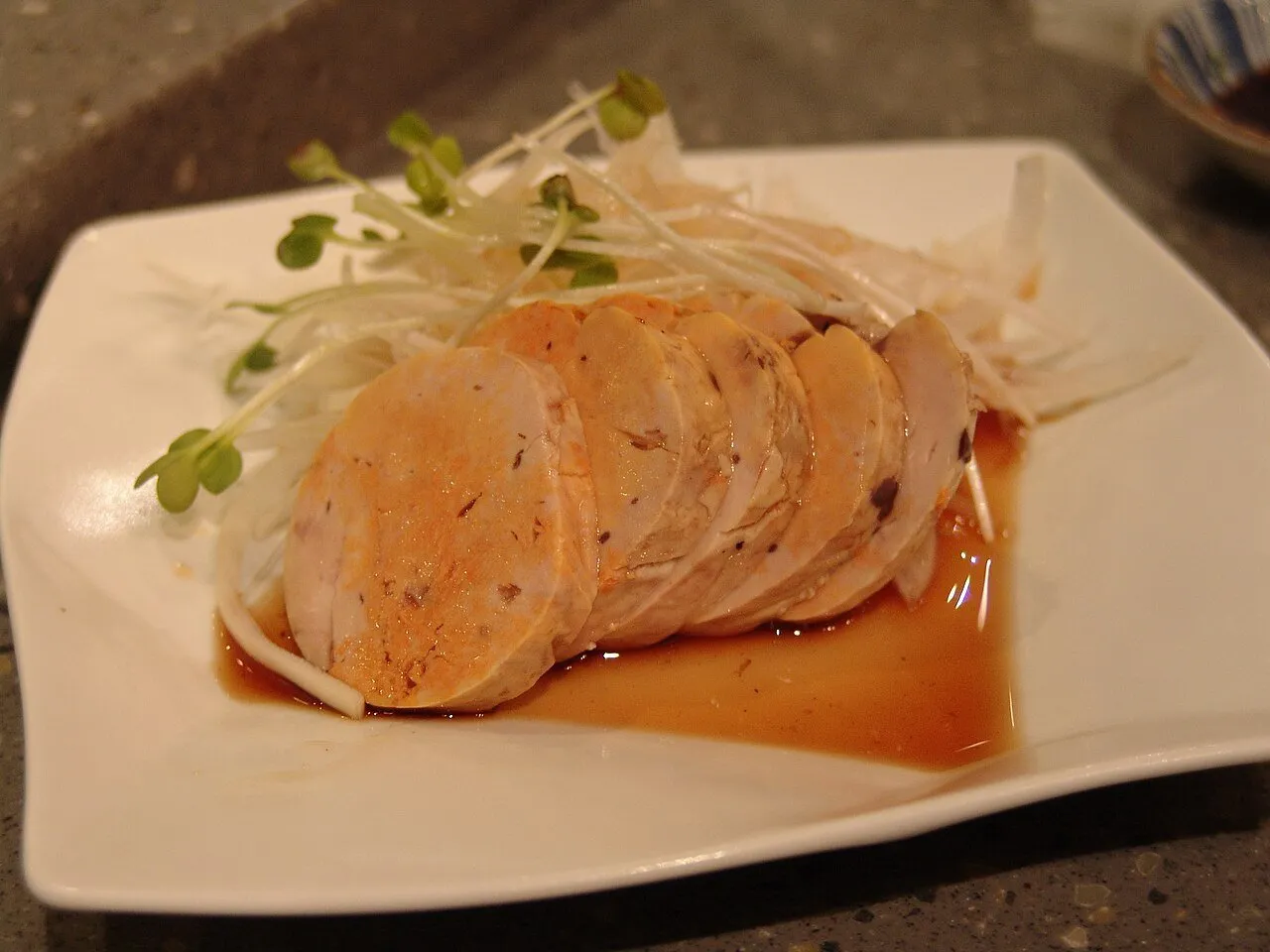 あん肝ankimo  店内表記あんきも軍艦ankimo gunkanあん肝(アンコウの肝)にねぎをのせた軍艦(期間限定)鮟鱇鱼肝(あん肝)加葱花的军舰卷(期间限定)Gunkan of ankimo (monkfish liver) topped with green onion; limited time | アンコウの肝臓 鮟鱇鱼肝 Monkfish liver | アンコウ類の肝臓。塩をして簀で巻いて蒸し、冷やしてから切って、ポン酢やわさび醤油で食べる 鮟鱇鱼的肝脏;抹盐后用竹帘卷起蒸熟,冷却后切片,蘸橙醋酱油或山葵酱油吃 The liver of the monkfish, salted, rolled in a bamboo mat, steamed and chilled, then sliced and eaten with ponzu or wasabi soy sauce | 肝の脂質は100gあたり41.9gと身(0.2g)の約200倍で、「海のフォアグラ」とも呼ばれる。アンコウは身が柔らかくまな板ではさばきにくいため、口に鉤をかけて吊るして切り分ける「吊るし切り」が行われ、肝・皮・水袋(胃)・ヌノ(卵巣)・エラ・トモ(ひれ)・柳肉(身)などを「七つ道具」と呼ぶ(数え方には諸説ある)。旬は冬で「アンコウは梅が咲くまで」といわれ、江戸時代の『本朝食鑑』も肝が特にうまいと記している。2017年の水揚げ量日本一は下関港の720トンで、茨城県など常磐沖も冬の産地として知られる。 鮟鱇肝每100克含脂质41.9克,约是鱼肉(0.2克)的200倍,因此又被称为“海里的鹅肝”。鮟鱇鱼肉软、很难在砧板上处理,所以用钩子挂住鱼嘴吊起来分切,称为“吊るし切り”;肝、皮、水袋(胃)、ヌノ(卵巢)、鳃、トモ(鳍)、柳肉(鱼身)等合称“七つ道具”(七件宝,具体算法说法不一)。旬期在冬季,俗话说“鮟鱇吃到梅花开”;江户时代的《本朝食鉴》也写道肝特别美味。2017年鮟鱇卸货量全国第一的是下关港(720吨),茨城县等常磐近海也是著名的冬季产地。 The liver holds 41.9 g of fat per 100 g, about 200 times the flesh (0.2 g), which earns it the name “foie gras of the sea”. Because the soft fish is hard to handle on a board, it is hung from a hook through the mouth and cut down piece by piece (tsurushi-giri), and liver, skin, stomach, ovary (nuno), gills, fins (tomo) and flesh (yanagi-niku) are called its “seven tools” — the list varies by source. It is best in winter (“monkfish until the plum blossoms”), and the Edo-period Honchō Shokkan already singled out the liver as especially good. Shimonoseki port landed the most monkfish in 2017, 720 t, and Ibaraki and the rest of the Jōban coast are known winter sources. |
寿司の種類寿司的种类Kinds of sushi
「すし」は「酸(す)し」が語源とされ、古くは魚を塩と飯で漬けて自然発酵させた「なれずし」(近江の鮒ずしなど)を指した。江戸時代に酢を使ってすぐ食べられる「早ずし」が生まれ、握り・巻き・ちらし・いなりはいずれもこの系統に入る。古い字は「鮓」「鮨」で、「寿司」は縁起をかついだ当て字とされる。“すし”一词据说源自“酸し”(酸的),古时指把鱼和盐、米饭一起腌渍、自然发酵的“熟寿司”(如近江的鲫鱼寿司)。江户时代出现了用醋调味、做好即可食用的“早寿司”,握寿司、卷寿司、散寿司、稻荷寿司都属于这一系统。古字写作“鮓”“鮨”,“寿司”被认为是讨吉利的借字。Sushi is thought to come from sushi 酸し, “sour”, and originally meant narezushi: fish packed in salt and rice and left to ferment, as in Ōmi’s funazushi. The Edo period brought hayazushi, seasoned with vinegar and eaten at once, and nigiri, rolls, chirashi and inari all descend from it. The old characters are 鮓 and 鮨; 寿司 is an auspicious phonetic spelling.
| ことば词Word | 意味意思Meaning | 部位・正体部位What & where | 解説说明Notes |
|---|---|---|---|
 握りnigiri 店内表記えび天握りebiten nigiriえびの天ぷらをのせたにぎり(えびはタイ・ベトナム産など)铺炸虾天妇罗的握寿司(虾产自泰国、越南等);官网中文名「炸虾天妇罗」Nigiri topped with shrimp tempura (shrimp from Thailand, Vietnam etc.); English-site name “Shrimp Tempura” 店内表記えび天にぎりebiten nigiriえびの天ぷらをのせたにぎり(えびはベトナム産など)铺炸虾天妇罗的握寿司(虾产自越南等)Nigiri topped with shrimp tempura (shrimp from Vietnam etc.) 店内表記えび天にぎりebiten nigiriえびの天ぷらをのせたにぎり(えびはベトナム産など)铺炸虾天妇罗的握寿司(虾产自越南等)Nigiri topped with shrimp tempura (shrimp from Vietnam etc.) | 握りずし 握寿司 Nigiri sushi | 一口大に握ったすし飯(シャリ)にネタをのせたすし 把醋饭捏成一口大小,上面放一片料(ネタ)的寿司 A bite-sized, hand-pressed block of vinegared rice topped with a slice of fish or other topping | 文化・文政期(1804〜30)の江戸で生まれた早ずしで、両国の華屋与兵衛が始めたという説がある。当時は屋台の軽食で、大きさは現在の2〜3倍あり、ネタは煮たアナゴ・イカ・エビなど火を通したものが多く、酢漬けや生の魚は少なかったという。1923年の関東大震災より前は、屋台も含めほとんどのすし職人が座って握っていたという。数える単位は「貫」で、1貫を1個とするか2個とするかは地域や店によって異なる。 握寿司诞生于江户(今东京)的文化、文政年间(1804—1830),一说由两国的华屋与兵卫首创。当时是路边摊的小吃,个头是现在的两三倍;料多是煮过的星鳗、乌贼、虾等熟料,醋腌鱼和生鱼用得很少。据说1923年关东大地震以前,包括路边摊在内,大多数寿司师傅是坐着捏寿司的。量词用“贯”(貫),一贯算一个还是两个,因地区和店家而异。 Nigiri appeared in Edo (Tokyo) in the Bunka–Bunsei era (1804–30) as a kind of “fast sushi”; one theory credits Hanaya Yohei of Ryōgoku. It was street-stall food two to three times today’s size, and the toppings were mostly cooked, such as simmered conger eel, squid and prawns, with little vinegared or raw fish. Until the 1923 Great Kantō Earthquake most sushi makers, stall-keepers included, are said to have worked seated. Pieces are counted in kan (貫), and whether one kan means one piece or two varies by region and shop. |
 軍艦巻きgunkan maki 店内表記まぐろたたき軍艦maguro tataki gunkanたたいて細かくしたまぐろにねぎをのせた軍艦。ネギトロと同じ形。この「たたき」は炙りではなく刻むこと剁碎的金枪鱼加葱花的军舰卷,形式同葱花金枪鱼腩(ネギトロ);这里的「たたき」指剁碎,不是炙烤;官网中文名「金枪鱼泥军舰」Gunkan of minced tuna topped with green onion, made like negitoro; here tataki means chopped, not seared; English-site name “Minced Tuna Gunkan” 店内表記うに軍艦uni gunkanチリ産うにの軍艦。北海道の店舗限定智利产海胆军舰卷;仅北海道门店供应Sea urchin (uni) gunkan, uni from Chile; Hokkaidō shops only 店内表記いくらikuraいくらの軍艦(アメリカ・日本・ロシア産)イクラ(鲑鳟鱼卵)军舰卷(美国、日本、俄罗斯产)Ikura (salmonid roe) gunkan (US, Japan, Russia) 店内表記かに軍艦kani gunkan本ズワイガニの身の軍艦(原料はロシア・カナダ産、ベトナム・中国で加工)雪蟹(本楚蟹)蟹肉军舰卷(原料产自俄罗斯、加拿大,在越南、中国加工)Gunkan of snow crab (hon-zuwaigani) meat; crab from Russia and Canada, processed in Vietnam and China 店内表記あんきも軍艦ankimo gunkanあん肝(アンコウの肝)にねぎをのせた軍艦(期間限定)鮟鱇鱼肝(あん肝)加葱花的军舰卷(期间限定)Gunkan of ankimo (monkfish liver) topped with green onion; limited time 店内表記ねぎまぐろ軍艦negimaguro gunkanキハダ・メバチ等のまぐろをたたき、ねぎと合わせた軍艦。ネギトロと同じ形剁碎的黄鳍、大眼金枪鱼等配葱花的军舰卷,形式同葱花金枪鱼腩(ネギトロ)Gunkan of minced yellowfin or bigeye tuna with green onion, made like negitoro 店内表記ほたてひもピリ辛わさびhotate-himo pirikara wasabi国産ホタテの「ひも」(外套膜)をピリ辛わさびで和えた軍艦用微辣芥末拌日本产扇贝「裙边」(外套膜)的军舰卷Gunkan of Japanese scallop mantle (himo) in a spicy wasabi dressing 店内表記たこうにtako-uni国産のたこをうにで和えた「たこうに」の軍艦用海胆拌日本产章鱼的「章鱼海胆」军舰卷Gunkan of tako-uni, Japanese octopus dressed in sea urchin 店内表記いくらikuraますの卵(ロシア産)を使ったいくらの軍艦用鳟鱼卵(俄罗斯产)做的イクラ军舰卷Ikura gunkan made with trout roe (from Russia) 店内表記かにみそkanimiso国産ベニズワイガニの「かにみそ」(中腸腺)の軍艦日本产红雪蟹「蟹膏」(中肠腺)军舰卷Gunkan of kanimiso (the crab’s hepatopancreas) from Japanese red snow crab 店内表記ねぎまぐろ軍艦negimaguro gunkan細かくたたいたまぐろに刻みねぎをのせた軍艦。ネギトロと同じ形剁碎的金枪鱼加葱花的军舰卷,形式同葱花金枪鱼腩(ネギトロ);官网中文名「青葱金枪鱼泥军舰」Gunkan of minced tuna with chopped green onion, made like negitoro; English-site name “Tuna & Leek Gunkan Rolls” 店内表記サーモンたたき軍艦sāmon tataki gunkan包丁でたたいて細かくしたサーモンの軍艦。この「たたき」は炙りではなく刻むこと用刀剁碎的三文鱼军舰卷;这里的「たたき」指剁碎,不是炙烤Gunkan of knife-minced salmon; here tataki means chopped, not seared 店内表記うにいか軍艦uni-ika gunkanいかをうにで和えた珍味「うにいか」の軍艦用海胆拌鱿鱼的下酒小菜「うにいか」做的军舰卷Gunkan of uni-ika, a relish of squid dressed in sea urchin 店内表記いくら軍艦ikura gunkanいくらの軍艦(いくらはアメリカ産など)イクラ(鲑鳟鱼卵)军舰卷(原料产自美国等)Ikura (salmonid roe) gunkan; roe from the US etc. | 軍艦の形をしたすし 军舰卷 Battleship roll | 握ったシャリの側面に幅広の海苔を巻き、上にウニ・イクラなど崩れやすいネタをのせたすし 捏好的醋饭外侧围一圈较宽的海苔,上面放海胆、鲑鱼子等容易散开的料 A block of rice wrapped round with a wide strip of nori, forming a cup for loose toppings such as sea urchin or salmon roe | 横から見た形が軍艦に似ていることからの名で、単に「軍艦」とも言う。銀座久兵衛は、初代店主が1940年代にウニの軍艦巻きを考案したとしており、握りにはのせにくい柔らかいネタを出せる方法として広まった。回転寿司の品書きでは「まぐろたたき軍艦」「かにみそ軍艦」(はま寿司)、「かずのこ軍艦」(くら寿司)のように「〜軍艦」と書かれ、くら寿司は分類名をひらがなで「ぐんかん」としている。 因从侧面看形似军舰而得名,也简称“军舰”。银座久兵卫称,其初代店主在1940年代想出了海胆军舰卷,这种做法能让不便捏的软料也做成寿司,后来普及开来。回转寿司菜单上写作“まぐろたたき軍艦”“かにみそ軍艦”(はま寿司)、“かずのこ軍艦”(鲱鱼籽军舰,くら寿司)等“~军舰”,くら寿司的分类名则用平假名写作“ぐんかん”。 Named for its warship-like profile seen from the side, it is often called simply gunkan. Ginza Kyūbey says its founder devised the sea-urchin gunkan in the 1940s, a way of serving soft toppings that cannot be pressed onto rice, and the style spread from there. Conveyor-belt menus write it as “…軍艦”, e.g. まぐろたたき軍艦 or かにみそ軍艦 at Hama-zushi and かずのこ軍艦 (herring roe) at Kura Sushi, which heads the category in hiragana as ぐんかん. |
 細巻きhosomaki  店内表記鉄火巻tekkamakiまぐろの細巻き金枪鱼细卷(铁火卷)Thin tuna roll  店内表記かっぱ巻kappamaki国産きゅうりの細巻き日本产黄瓜细卷;官网中文名「黄瓜卷」Thin roll of Japanese cucumber; English-site name “Cucumber Rolls”  店内表記鉄火巻tekkamakiメバチ・キハダ等のまぐろの細巻き大眼、黄鳍金枪鱼等的细卷(铁火卷)Thin roll of bigeye or yellowfin tuna  店内表記きゅうり巻kyūrimaki国産きゅうりの細巻き。一般に「かっぱ巻き」と呼ばれるもの日本产黄瓜细卷,即一般所说的「河童卷」Thin roll of Japanese cucumber, what is usually called kappamaki  店内表記鉄火巻tekkamakiまぐろの細巻き金枪鱼细卷;官网中文名「铁火卷」Thin tuna roll; English-site name “Tuna Rolls”  店内表記きゅうり巻kyūrimakiきゅうりの細巻き。一般に「かっぱ巻き」と呼ばれるもの黄瓜细卷,即一般所说的「河童卷」;官网中文名「黄瓜卷」Thin cucumber roll, what is usually called kappamaki; English-site name “Cucumber” | 細いのり巻き 细卷 Thin roll | 全形の海苔を半分に切って巻いた細いのり巻き。芯の具は1種類のことが多い 用半张海苔卷成的细寿司卷,芯里多半只放一种料 A slim roll made with a half sheet of nori, usually around a single filling | 海苔1枚をそのまま使うのが太巻き、半分に切って使うのが細巻き。江戸では「のり巻き」といえば干瓢(かんぴょう)巻きを指し、江戸後期の『守貞謾稿』にも海苔巻には干瓢だけを入れるとある。関東の細巻きは干瓢が基本で、芯がマグロなら鉄火巻、キュウリならかっぱ巻、たくあんなどの漬物なら新香巻と呼ぶ。関西では卵焼き・シイタケ・干瓢などを合わせた太巻きが主流で、干瓢巻きはなじみが薄い。 用整张海苔卷的是太卷,切成半张卷的是细卷。在江户,说“海苔卷”就是指干瓢卷(瓠瓜干条卷),江户后期的《守贞谩稿》也记载海苔卷里只放干瓢。关东的细卷以干瓢为基本,芯放金枪鱼叫铁火卷,放黄瓜叫河童卷,放腌萝卜等咸菜叫新香卷。关西则以放玉子烧、香菇、干瓢等多种料的太卷为主,干瓢卷并不常见。 A whole sheet of nori makes a futomaki; a half sheet makes a hosomaki. In Edo “norimaki” meant the kanpyō (dried gourd strip) roll, and the late-Edo Morisada Mankō notes that the nori roll held kanpyō alone. Kantō thin rolls still start from kanpyō: with tuna it is tekkamaki, with cucumber kappamaki, with pickles such as takuan shinkomaki. In Kansai the thick futomaki with omelette, shiitake and kanpyō dominates, and kanpyō rolls are little known. |
 鉄火巻きtekka maki 店内表記鉄火巻tekkamakiまぐろの細巻き金枪鱼细卷(铁火卷)Thin tuna roll 店内表記鉄火巻tekkamakiメバチ・キハダ等のまぐろの細巻き大眼、黄鳍金枪鱼等的细卷(铁火卷)Thin roll of bigeye or yellowfin tuna 店内表記鉄火巻tekkamakiまぐろの細巻き金枪鱼细卷;官网中文名「铁火卷」Thin tuna roll; English-site name “Tuna Rolls” | マグロの細巻き 金枪鱼细卷 Tuna roll | 拍子木形に切ったマグロの赤身とおろしワサビを芯にした細巻き 以切成长条的金枪鱼赤身和山葵泥为芯的细卷 A thin roll with a stick of lean tuna and grated wasabi at its core | 「鉄火」は真っ赤に焼けた鉄のことで、すし屋ではマグロの赤身もこう呼ぶ。名の由来は、明治中期に鉄火場(賭博場)で勝負をしながら食べる簡易食だったからという説が知られるが、赤くて辛みのきいたものを「鉄火」と呼んだ例は江戸時代の鉄火みそにもある。鉄火巻きの名が見えるのは明治以降で、マグロを丼飯にのせた「鉄火丼」の名は大正以後とされる。 “铁火”本指烧得通红的铁,寿司店里也用来指金枪鱼赤身。名称来历以“明治中期在赌场(铁火场)边赌边吃的简便食物”一说最为流行;不过江户时代已有把又红又辣的东西叫“铁火”的例子(铁火味噌)。“铁火卷”一名见于明治以后,金枪鱼盖饭“铁火丼”一名则据说始于大正以后。 Tekka means red-hot iron, and sushi bars also use it for lean red tuna. The best-known theory traces the name to gambling dens (tekkaba), where the roll was a quick meal eaten mid-game in the mid-Meiji era; but in the Edo period red, fiery-hot foods were already called tekka, as in tekka-miso. The name tekkamaki appears from the Meiji era, and tekkadon (tuna over rice) only from the Taishō era. |
 かっぱ巻きkappa maki 店内表記かっぱ巻kappamaki国産きゅうりの細巻き日本产黄瓜细卷;官网中文名「黄瓜卷」Thin roll of Japanese cucumber; English-site name “Cucumber Rolls” 店内表記きゅうり巻kyūrimaki国産きゅうりの細巻き。一般に「かっぱ巻き」と呼ばれるもの日本产黄瓜细卷,即一般所说的「河童卷」Thin roll of Japanese cucumber, what is usually called kappamaki 店内表記きゅうり巻kyūrimakiきゅうりの細巻き。一般に「かっぱ巻き」と呼ばれるもの黄瓜细卷,即一般所说的「河童卷」;官网中文名「黄瓜卷」Thin cucumber roll, what is usually called kappamaki; English-site name “Cucumber” | キュウリの細巻き 黄瓜细卷 Cucumber roll | 生のキュウリを芯にした細巻き 以生黄瓜为芯的细卷 A thin roll with raw cucumber at its core | すし屋でキュウリを「かっぱ」と呼ぶことからの名で、河童の好物がキュウリとされるためという。河童は水神の性格をもつ妖怪で、水神祭や川祭にキュウリを供えて水難よけを祈る地方が多い。キュウリの断面が河童の頭の皿に似ているからという説もある。 寿司店把黄瓜叫“河童”(かっぱ),卷名由此而来,据说是因为传说中的河童最爱吃黄瓜。河童是带有水神性质的妖怪,许多地方在水神祭、河祭时供奉黄瓜,祈求免遭水难。另一说认为黄瓜的切面像河童头顶的碟子。 Sushi bars call cucumber kappa, after the water imp said to love cucumbers. The kappa has the character of a water deity, and many regions offer cucumbers at water-god and river festivals to ward off drowning. Another theory says a cucumber’s cut face looks like the water-filled dish on a kappa’s head. |
 手巻きtemaki 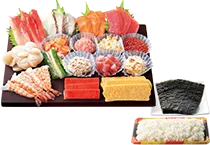 店内表記おうちではま寿司 手巻きセットouchi de Hamazushi temaki settoネタ・シャリ・海苔を詰め合わせた持ち帰り用の手巻き寿司セット(2〜3人前)外带用的手卷寿司套装,含寿司料、醋饭(シャリ)和海苔(2~3人份)Takeout hand-roll (temaki) kit of toppings, sushi rice and nori, for two or three  店内表記まぐたく手巻(一貫)magutaku temaki (ikkan)まぐろ(メバチ・キハダ等)とたくあんの手巻き、1本金枪鱼(大眼、黄鳍等)配腌萝卜(泽庵)的手卷,1个One hand roll of tuna (bigeye, yellowfin etc.) and takuan pickle | 手巻きずし 手卷 Hand roll | 巻き簀を使わず、海苔にシャリと具をのせて手で巻いたすし 不用竹帘,在海苔上放醋饭和料、用手卷成的寿司 Sushi rolled by hand in a sheet of nori, without a bamboo mat | 巻き簀などの道具を使わず、手だけで巻くことからの名。作り置きはせず、海苔・すし飯・ネタを並べて各自がその場で巻いて食べることが多い。回転寿司の品書きでは「えび天手巻」(くら寿司)のように送り仮名を省いて書くことがあり、はま寿司はネタとシャリに半切り海苔を添えた持ち帰り用の「手巻きセット」を売っている。 因不用竹帘等工具、只用手卷而得名。通常不事先做好,而是把海苔、醋饭和各种料摆上桌,各人当场自己卷着吃。回转寿司菜单上有时省略送假名写作“手巻”,如くら寿司的“えび天手巻”(炸虾手卷);はま寿司还卖附有半张海苔的外带“手卷套装”。 The name means “hand-rolled”: no bamboo mat or other tool is used. It is rarely made ahead; nori, sushi rice and toppings are set out and everyone rolls their own at the table. Chain menus may drop the okurigana and write 手巻, as in Kura Sushi’s えび天手巻 (shrimp-tempura hand roll), and Hama-zushi sells a take-home “temaki set” of toppings, rice and half-size nori sheets. |
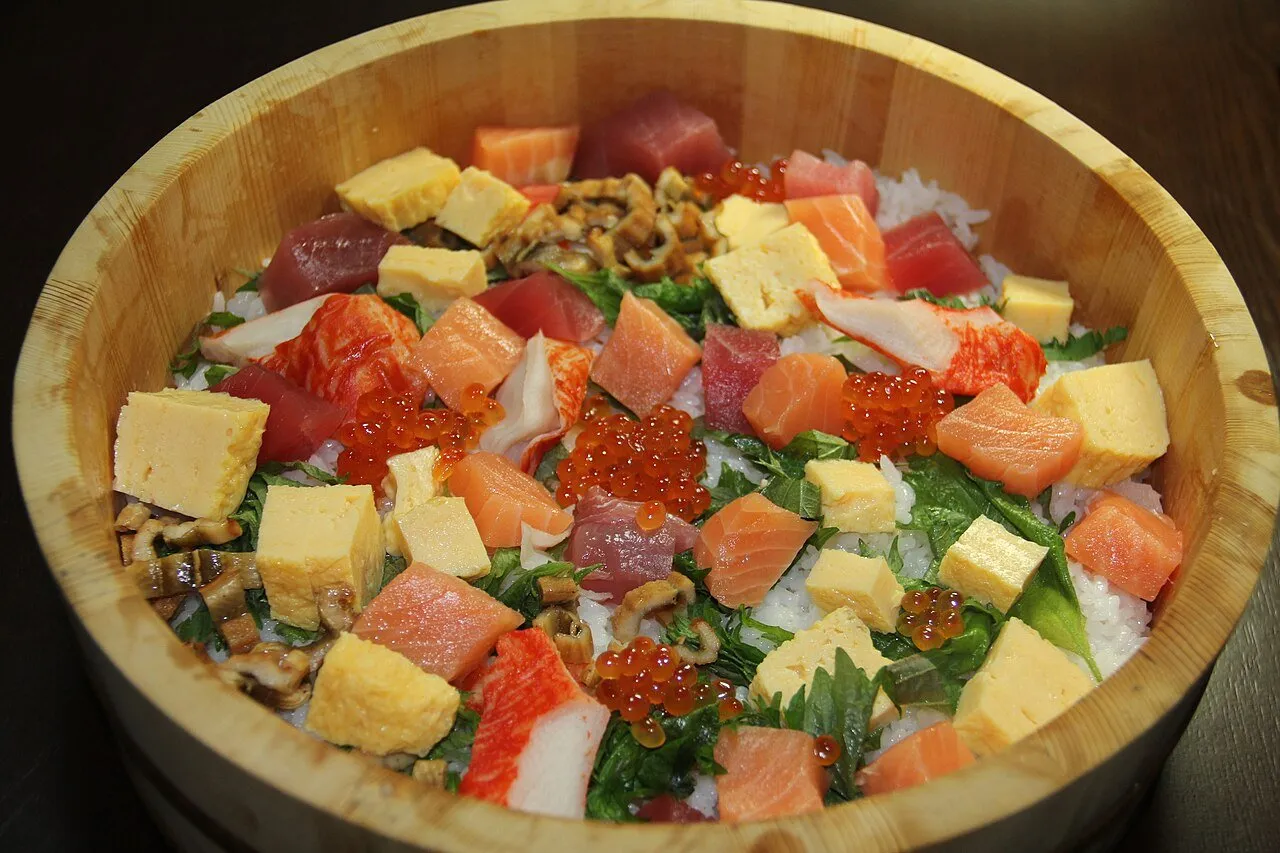 ちらし寿司chirashi-zushi | 散らしずし 散寿司 Scattered sushi | 器に盛ったすし飯の上に具を散らしたすし。関西では具をすし飯に混ぜ込む 在盛入容器的醋饭上铺撒各种料的寿司;关西多把料拌进饭里 Sushi rice in a bowl or box with toppings scattered over it (in Kansai, mixed through it) | 関東のすし屋のちらしは、すし飯の上に刺身・ゆでたエビ・玉子焼きなど握りのネタを並べたもの。関西では刻んだ具をすし飯に混ぜ、錦糸玉子をのせて「ばらずし」「五目ずし」「かやくずし」と呼ぶ。岡山の「ばらずし(まつりずし)」には、藩主が倹約令で庶民に「一汁一菜」を命じた際、具を飯に混ぜればおかずにならないと考えて作ったという話が伝わる。ひなまつりの定番料理でもある。 关东寿司店的散寿司,是在醋饭上摆放生鱼片、煮虾、玉子烧等握寿司的料。关西则把切碎的料拌进醋饭,再铺上蛋丝,叫“ばらずし”“五目ずし”“かやくずし”。冈山的“ばらずし(祭寿司)”流传着这样的故事:藩主颁布节俭令,命令百姓只准“一汤一菜”,百姓便把鱼和菜拌进饭里,这样就不算菜了。散寿司也是女儿节的固定菜色。 At a Kantō sushi bar, chirashi is sushi rice laid with nigiri toppings: sashimi, boiled prawns, tamagoyaki. In Kansai chopped ingredients are mixed into the rice and topped with shredded omelette, and the dish is called barazushi, gomokuzushi or kayakuzushi. Okayama’s barazushi (matsurizushi) carries a story that when the domain lord’s frugality edict allowed commoners only “one soup, one side dish”, people mixed fish and vegetables into the rice so they would not count as a side dish. It is also a standard dish for Hinamatsuri, the Girls’ Festival. |
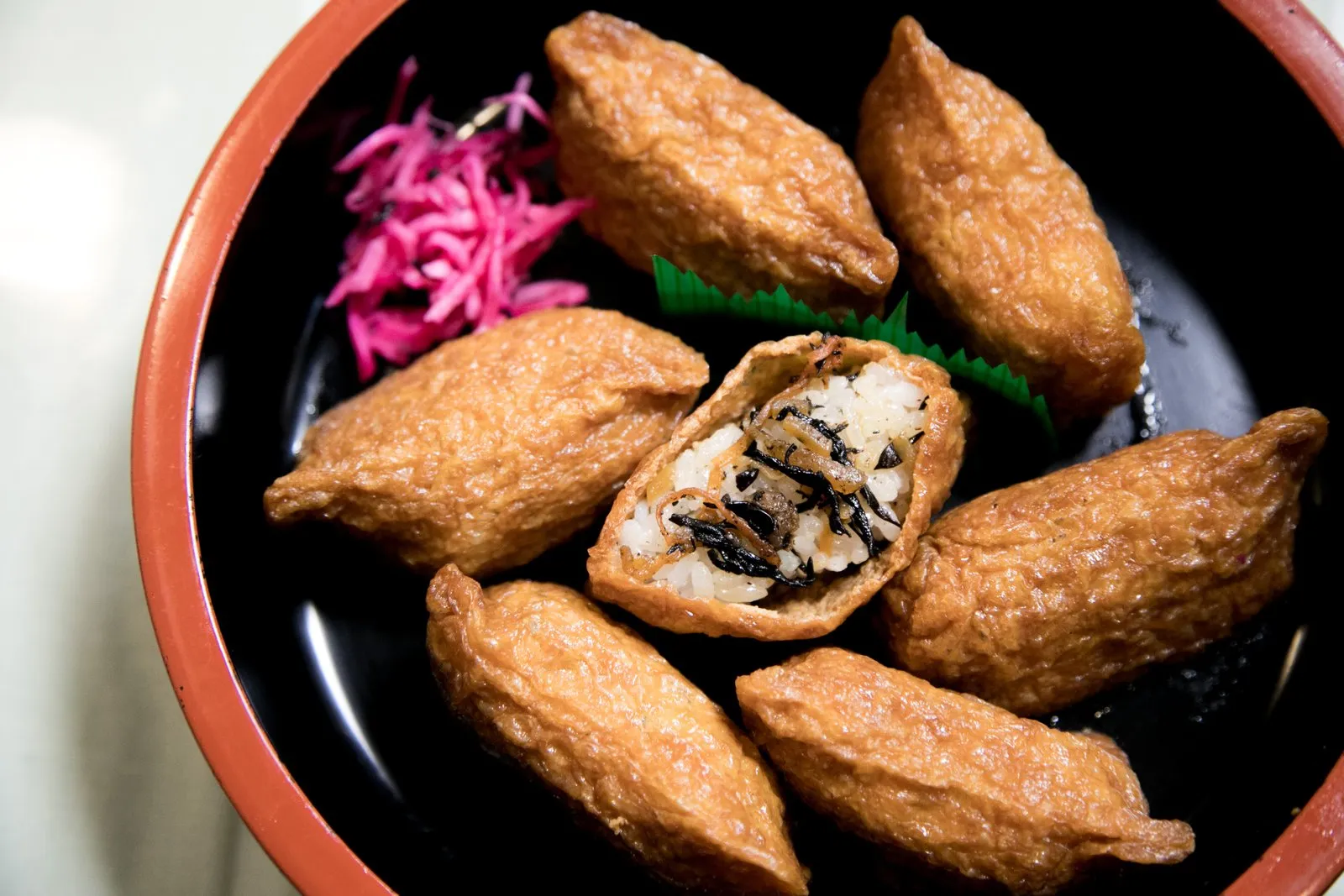 いなり寿司inari-zushi 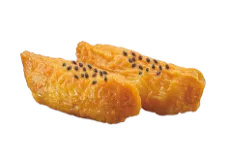 店内表記いなり(ごま入り)inari (goma-iri)油揚げに酢飯を詰めたいなり寿司。白ごま・黒ごま入り油豆腐皮包醋饭的稻荷寿司,加白芝麻和黑芝麻;官网中文名「稻荷寿司(配芝麻)」Inari-zushi, sushi rice in a fried-tofu pouch, with white and black sesame; English-site name “Fried Soybean Curd Wrap” 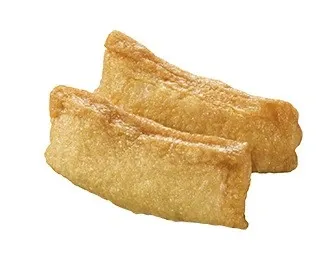 店内表記いなりinari油揚げに酢飯を詰めたいなり寿司油豆腐皮包醋饭的稻荷寿司Inari-zushi, sushi rice in a fried-tofu pouch 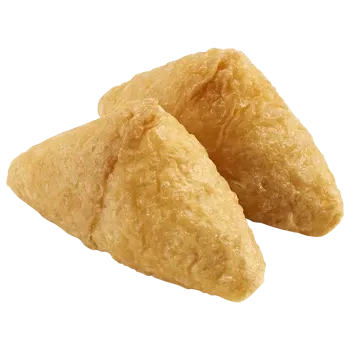 店内表記いなりinari油揚げに酢飯を詰めたいなり寿司油豆腐皮包醋饭的稻荷寿司;官网中文名「腐皮寿司」Inari-zushi, sushi rice in a fried-tofu pouch; English-site name “Fried Bean Curd” | 稲荷ずし 稻荷寿司(豆皮寿司) Inari sushi | 甘辛く煮た油揚げを袋状に開き、すし飯を詰めたもの 把甜咸口煮过的油炸豆腐皮撑成袋状,塞入醋饭 Sushi rice stuffed into a pouch of fried tofu simmered sweet and salty | 稲荷神の使いとされるキツネが油揚げを好むとされることからの名で、「しのだずし」「きつねずし」ともいう。『守貞謾稿』によれば発祥は名古屋で、江戸では天保(1830〜44)の末ごろから、鳥居を描いた行灯をともした稲荷ずし売りが夜の町を売り歩いた。関東は濃口醤油で煮た長方形、関西は薄揚げと淡口醤油を使った三角形が多く、西日本では五目の具を混ぜることも多い。いなりと巻きずしの詰め合わせを「助六」と呼ぶのは、歌舞伎『助六』の恋人「揚巻」に「揚げ」と「巻き」を掛けたもの。 名字来自传说中稻荷神的使者狐狸爱吃油炸豆腐,也叫“信太寿司”“狐狸寿司”。据《守贞谩稿》,它起源于名古屋;江户从天保末年(1840年代初)起,有小贩点着画有鸟居的灯笼,夜里沿街叫卖。关东多用浓口酱油煮成长方形,关西多用薄油豆腐和淡口酱油做成三角形,西日本还常在饭里拌入什锦配料。稻荷寿司配卷寿司的拼盘叫“助六”,取歌舞伎《助六》中情人“扬卷”的谐音:“扬”指油豆腐,“卷”指卷寿司。 The name comes from the belief that foxes, messengers of the Inari deity, love fried tofu; it is also called shinoda-zushi or kitsune-zushi. According to the Morisada Mankō it began in Nagoya, and in Edo from the end of the Tenpō era (early 1840s) vendors hawked it at night under lanterns painted with a torii gate. Kantō versions are oblong and simmered in dark soy sauce; Kansai ones are often triangular, made with thin fried tofu and light soy sauce, and western Japan often mixes vegetables into the rice. A box of inari and maki is called “Sukeroku” after the kabuki hero whose lover Agemaki’s name puns on age (fried tofu) and maki (roll). |
料理法鱼的做法Ways with fish
| ことば词Word | 意味意思Meaning | 部位・正体部位What & where | 解説说明Notes |
|---|---|---|---|
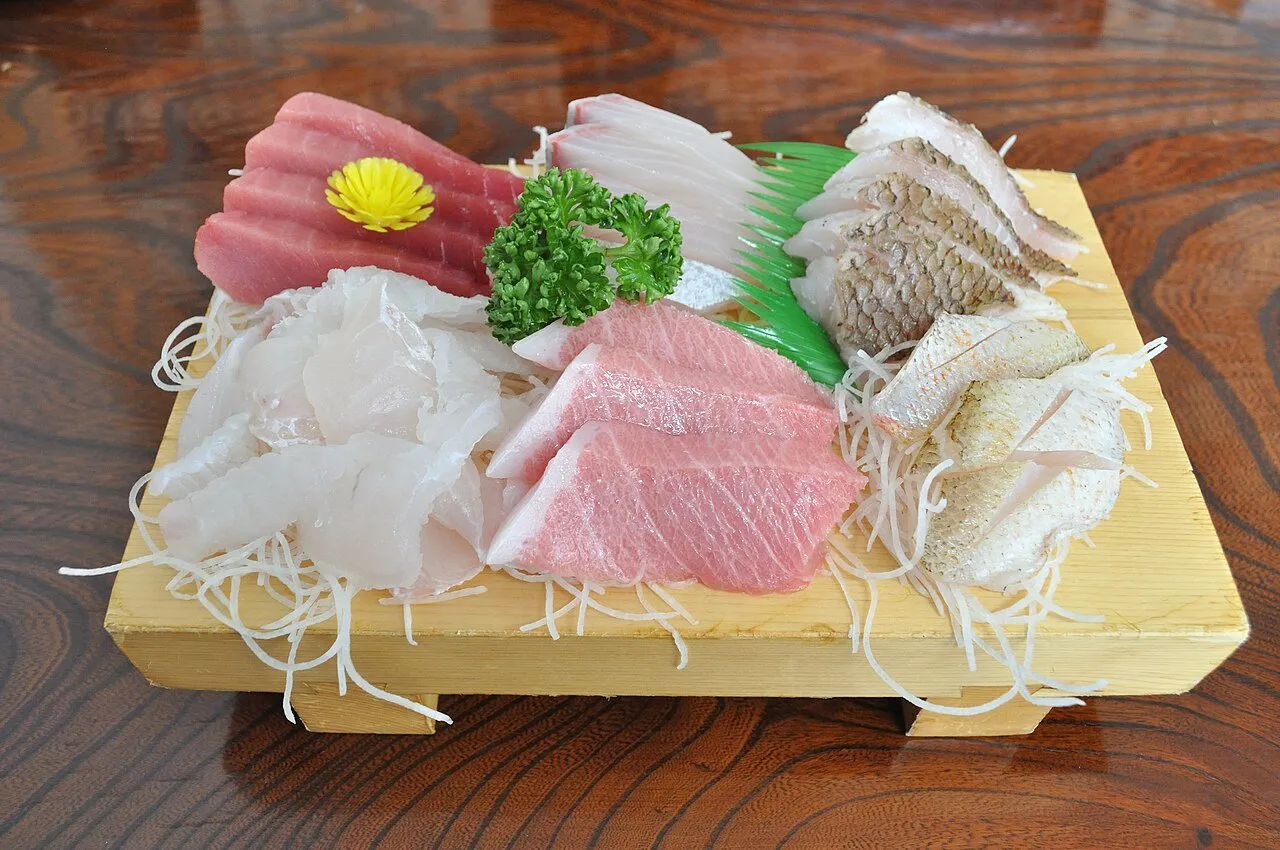 刺身sashimi | 生の魚の切り身 刺身(生鱼片) Sliced raw fish | 新鮮な魚介を生のまま薄く、または小さく切ったもの。すし飯は付かない 把新鲜鱼贝生着切成薄片或小块,不配饭 Fresh raw fish or shellfish cut into slices or pieces, served without rice | 古くは「指身」「差味」とも書き、文献に見える古い例は『鈴鹿家記』応永6年(1399)の「指身 鯉,イリ酒,ワサビ」。名の由来は、何の魚か分かるようにひれを刺しておいたからとも、「切る」を忌んで「刺す」と言い換えたからともいわれ、定説はない。切り方には平造り・糸造り・角造り、フグやヒラメなどに使う薄造りなどがあり、刺身を作ることは「切る」ではなく「引く」という。大根などの「けん」、大葉などの「つま」、わさびなどの薬味を添え、「お造り」「作り身」とも呼ぶ。 古时也写作“指身”“差味”,文献中较早的例子是《铃鹿家记》应永6年(1399)条的“指身 鲤、煎酒、山葵”。名称由来有两说:一说为了分辨是什么鱼,把鱼鳍插在切片上;一说忌讳“切”字而改称“刺”,并无定论。切法有平造、丝造、角造,以及河豚、比目鱼等用的薄造等,做刺身不说“切”而说“引”。通常配萝卜丝等“けん”、紫苏叶等“つま”以及山葵等佐料,也叫“お造り”“作り身”。 Older spellings include 指身 and 差味; an early record is the Suzuka-ke ki entry for 1399: “sashimi of carp, with irizake and wasabi”. The name is said to come either from sticking the fish’s fin on the slices to show the species, or from avoiding the ill-omened word kiru (cut) in favour of sasu (pierce); there is no settled answer. Cuts include hira-zukuri (flat slices), ito-zukuri (threads), kaku-zukuri (cubes) and usu-zukuri (paper-thin, for fugu or flounder), and chefs say they “pull” (hiku) rather than cut sashimi. It comes with ken (shredded daikon etc.), tsuma (shiso leaves etc.) and a pungent condiment such as wasabi, and is also called otsukuri. |
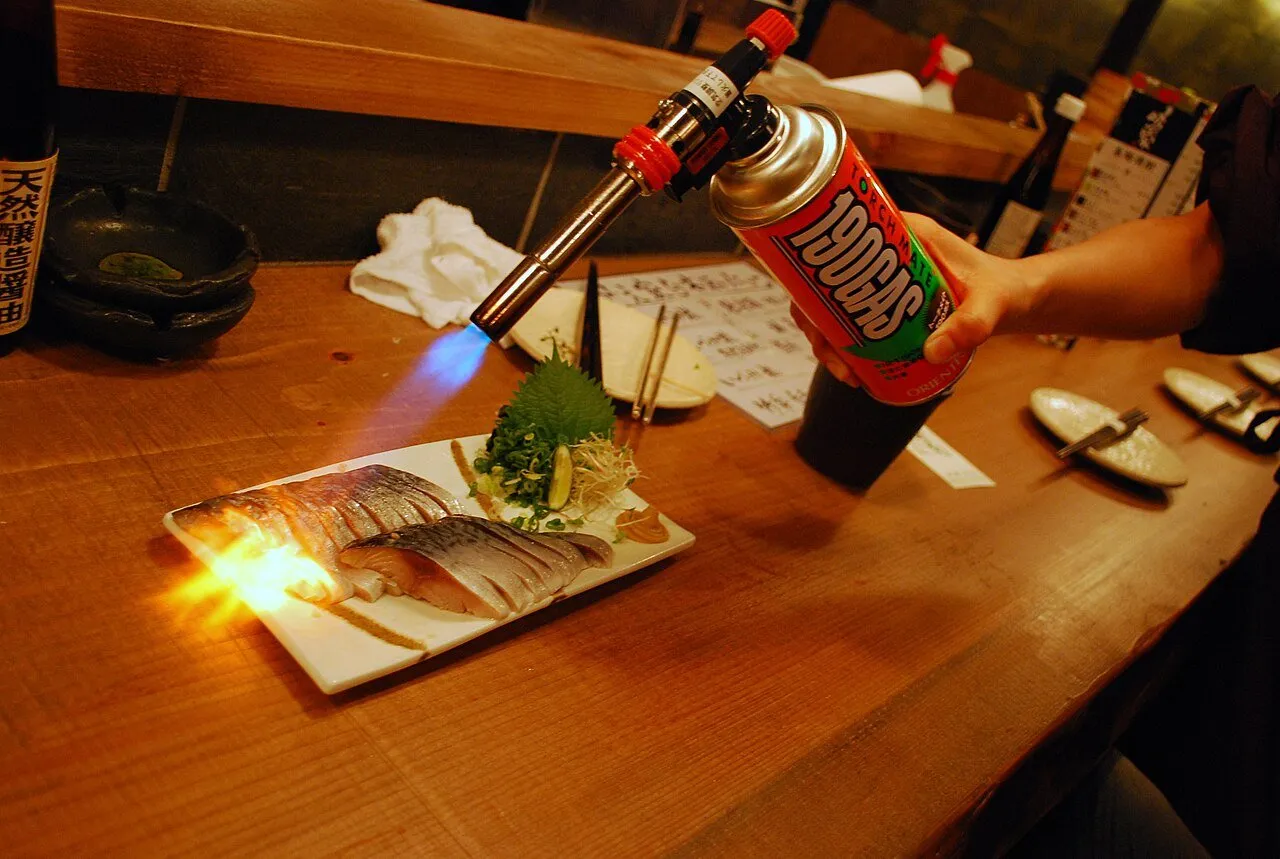 炙りaburi 店内表記厳選まぐろ中とろ食べ比べ(中とろ・炙りゆず塩)gensen maguro chūtoro tabekurabe (chūtoro, aburi yuzu-shio)厳選まぐろの中とろを、そのままと炙りゆず塩の2種で食べ比べる1皿一盘同时品尝精选金枪鱼中腹的原味与炙烤柚子盐两种吃法Select tuna chūtoro two ways on one plate: plain, and torch-seared with yuzu salt 店内表記炙りうなぎaburi unagi炙ったうなぎのにぎり(中国産)炙烤鳗鱼握寿司(中国产)Seared eel (unagi) nigiri; eel from China 店内表記炙りえびマヨaburi ebi mayoえびにマヨネーズをのせて炙ったにぎり虾上放蛋黄酱后炙烤的握寿司Shrimp nigiri topped with mayonnaise and torch-seared; English-site name “Boiled & Seared Shrimp w/ Mayo” 店内表記あぶりチーズサーモンaburi chīzu sāmonサーモンにチーズをのせて炙ったにぎり三文鱼铺上芝士后炙烤的握寿司Salmon nigiri topped with cheese and torch-seared 店内表記炙りサーモンバター醤油aburi sāmon batā jōyu炙ったサーモンにバターをのせ、醤油で味付けしたにぎり炙烤三文鱼放上黄油、用酱油调味的握寿司Torch-seared salmon nigiri topped with butter and seasoned with soy sauce | 表面を火であぶったもの 炙烤 Flame-seared | ネタや切り身の表面だけを直火やガスバーナーで焼いたもの 只用明火或喷枪把鱼肉、寿司料的表面烤一下 Fish or a sushi topping seared on the surface only, over a flame or with a gas torch | 「あぶる」は火で焼くこと、特に食べ物をほどよく焦がすことをいう。和食には、魚の皮目を直火であぶってすぐ冷水で冷ます「焼き霜」があり、生臭みと余分な脂を除いて風味を増す技法としてタイ・アイナメ・ハモなどに使われ、カツオのたたきもこの手法による(熱湯をかける方法は「湯霜」「皮霜」)。回転寿司には「炙り豚とろ」「炙りえびマヨ」(はま寿司)、「あぶりチーズサーモン」(くら寿司)のように、魚以外のネタやチーズ・マヨネーズを炙ったすしも並び、表記も「炙り」「あぶり」と店によって異なる。 “炙る”意为用火烤,尤指把食物烤到微焦。日本料理中有“焼き霜”技法:用明火炙烤鱼皮一面后立刻浸冷水,可去腥、去多余油脂并增香,常用于真鲷、六线鱼、海鳗,鲣鱼“たたき”也属此法(浇开水的做法叫“湯霜”“皮霜”)。回转寿司还有“炙り豚とろ”(炙烤猪颈肉)、“炙りえびマヨ”(炙烤蛋黄酱虾,はま寿司)、“あぶりチーズサーモン”(炙烤芝士三文鱼,くら寿司)等非鱼类或加芝士、蛋黄酱的炙烤寿司,写法也有汉字“炙り”和平假名“あぶり”之分。 Aburu means to roast over a flame, especially to char food lightly. Classic Japanese cooking has yakishimo: the skin side of a fish is seared over direct flame and plunged into cold water, removing fishy smells and excess fat while adding aroma; it is used for sea bream, greenling and pike conger, and katsuo no tataki is made the same way (pouring boiling water over the skin instead is yushimo or kawashimo). Conveyor-belt chains also sear non-fish toppings and mayo or cheese, as in Hama-zushi’s 炙り豚とろ (pork jowl) and 炙りえびマヨ (shrimp with mayonnaise) or Kura Sushi’s あぶりチーズサーモン, and spell the word either 炙り or あぶり. |
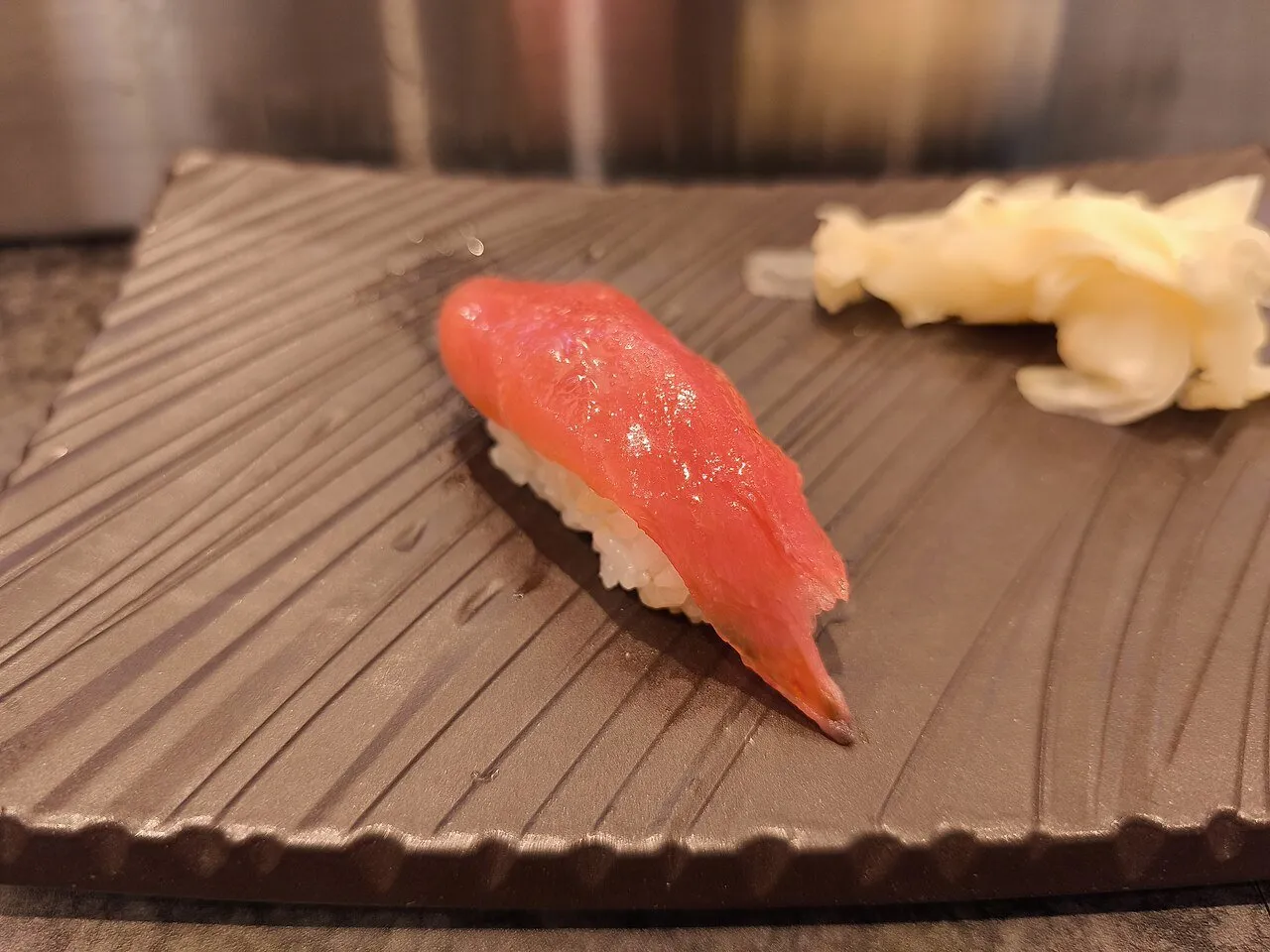 漬けzuke 店内表記特製漬けまぐろtokusei zuke-maguroまぐろを特製の漬けダレに漬けた「漬け」のにぎり。白ごまをのせる用特制酱汁腌渍金枪鱼做成的「漬け」握寿司,撒白芝麻;官网中文名「特制腌渍金枪鱼」Tuna marinated in the house sauce (zuke), with white sesame; English-site name “Special Soy-Marinated Tuna” 店内表記熟成漬けまぐろjukusei zuke-maguro熟成まぐろを醤油だれに漬けた「漬け」のにぎり将熟成金枪鱼浸入酱油汁做成的「漬け」握寿司Aged tuna marinated in a soy-based sauce (zuke), as nigiri 店内表記厳選まぐろ赤身 煮切り醤油漬けgensen maguro akami nikiri jōyu-zuke厳選まぐろ赤身を煮切り醤油(煮切った酒・みりんを合わせた醤油)に漬けた「漬け」把精选金枪鱼赤身浸入煮切酱油(加了煮去酒精的清酒、味醂的酱油)做成的「漬け」The select lean tuna marinated in nikiri soy (soy blended with boiled-off sake and mirin), i.e. zuke 店内表記天然さば食べ比べtennen saba tabekurabe天然さばの「さば」と「漬け」を1皿で食べ比べる(期間限定)一盘同时品尝野生鲭鱼的原味与「漬け」(酱汁腌渍)两种(期间限定)Wild mackerel two ways on one plate, plain and zuke (marinated); limited time | 醤油漬けのすし種 酱油腌渍的寿司料 Soy-marinated topping | 醤油、または醤油・酒・みりんのたれに漬け込んだマグロの赤身などのネタ 用酱油或酱油、酒、味醂调成的汁腌过的金枪鱼赤身等寿司料 Lean tuna or other fish steeped in soy sauce or a soy–sake–mirin marinade | すし屋の隠語で、もとはマグロの赤身のすしを「づけ」と呼んだ。天保7〜8年(1836〜37)ごろの大漁を機にマグロが握りの代表的なネタになり、明治初年に三陸から取り寄せる際、冷凍設備がないため醤油漬けにして送ったのが名の由来とされる。現在は醤油・酒・みりんのたれにマグロやカツオなどを漬けたものをいい、八丈島の郷土料理「島ずし」も、醤油ベースのたれに漬けた魚をワサビの代わりにからしを添えて握る。 这是寿司店的行话,原指金枪鱼赤身寿司。天保7—8年(1836—37年)前后金枪鱼大丰收,金枪鱼从此成为握寿司的代表性食材;明治初年从三陆地区运金枪鱼时,因为没有冷冻设备,便用酱油腌着运来,“づけ”之名据说由此而来。如今指把金枪鱼、鲣鱼等浸在酱油、酒、味醂调的汁里腌制的寿司料;八丈岛的乡土料理“岛寿司”也是用酱油汁腌鱼再捏成寿司,并以黄芥末代替山葵。 Zuke began as sushi-bar slang for lean-tuna nigiri. Tuna only became a leading nigiri topping after a huge catch around 1836–37, and in the early Meiji era, with no freezing facilities, tuna brought in from the Sanriku coast was shipped steeped in soy sauce, which is said to be the origin of the name. Today it means tuna, bonito or similar steeped in a soy, sake and mirin marinade; Hachijō Island’s shimazushi likewise uses soy-marinated fish, with hot mustard in place of wasabi. |
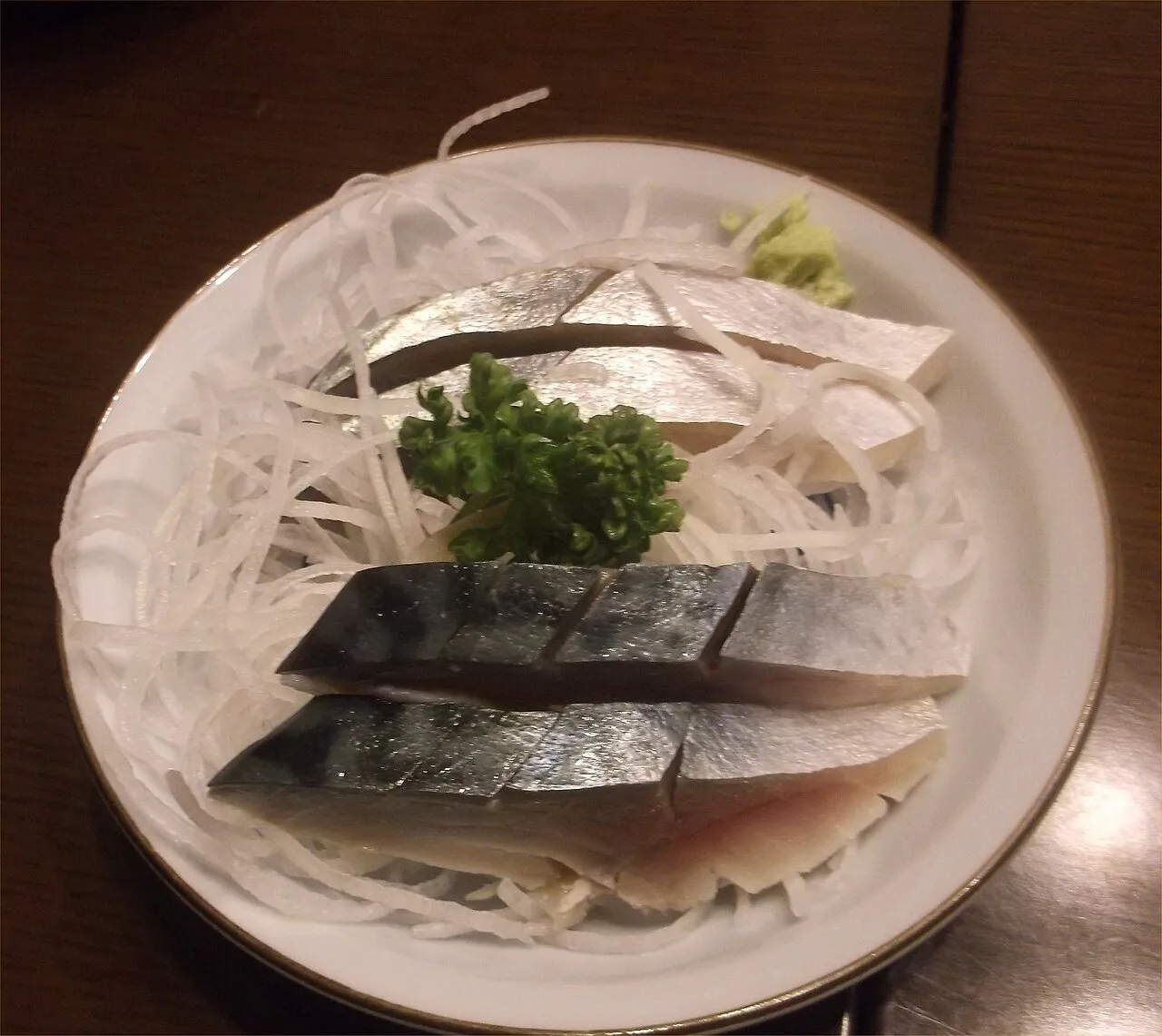 〆shime 店内表記活〆まだい(四国・九州産)ikejime madai (Shikoku, Kyūshū-san)活け締め(生きた魚を締めて血抜きする処理)の後に神経を抜いた真鯛のにぎり(四国・九州産)经「活缔」(活鱼宰杀后放血)并抽除神经的真鲷握寿司(四国、九州产)Red sea bream (madai) nigiri from Shikoku and Kyūshū; the fish is killed by ikejime (spiked alive, then bled) and de-nerved 店内表記さばの押し寿司saba no oshizushi酢でしめたさばの押し寿司(さばは中国産)。ガリと大葉を使う用醋腌鲭鱼做的押寿司(鲭鱼产自中国),配甜醋姜片(ガリ)和紫苏叶;官网中文名「青花鱼押寿司」Pressed sushi of vinegar-cured mackerel (mackerel from China), with pickled ginger (gari) and shiso; English-site name “Soused Mackerel Pressed Sushi”  店内表記北海道産塩〆黒そい(もみじおろしのせ)Hokkaidō-san shiojime kurosoi (momiji-oroshi nose)北海道産のクロソイを塩で締めたにぎりに、もみじおろしをのせたもの(期間限定)用盐腌紧(塩〆)的北海道产许氏平鲉(黒そい)握寿司,上放红叶萝卜泥(期间限定)Hokkaidō black rockfish (kurosoi) cured with salt (shiojime), topped with momiji-oroshi (red-tinted grated daikon); limited time 店内表記大切りとろ〆さば(一貫)ōgiri toro shimesaba (ikkan)脂ののったさばを塩と酢で〆た〆さばの大切り1貫(ノルウェー産など)用盐和醋腌制的多脂鲭鱼(〆鲭)大块切片,1贯(挪威产等)One big slice of fatty shimesaba, mackerel cured in salt and vinegar (Norway etc.) 店内表記活〆はまちikejime hamachi活け締め(生きた魚を締めて血抜きする処理)をしたはまちのにぎり经「活缔」(活鱼宰杀后放血)处理的鰤鱼幼鱼(hamachi)握寿司Hamachi (young yellowtail) nigiri; the fish is killed by ikejime (spiked alive, then bled) 店内表記活〆真鯛ikejime madai活け締めにした真鯛のにぎり(日本産など)活缔处理的真鲷握寿司(日本产等)Ikejime red sea bream (madai) nigiri, mainly from Japan | 塩や酢で締めたもの 用盐、醋腌紧 Salt- or vinegar-cured | 塩を振って身を締め、さらに酢や昆布で締めた魚。「〆」は「締め」の別表記 先撒盐让鱼肉紧实,再用醋或昆布腌制的鱼;“〆”是“締め”的另一种写法 Fish firmed with salt and then cured in vinegar or between sheets of kelp; 〆 is another way of writing 締め (shime) | 酢締めは、魚に塩を振ってしばらく置き、軽く水で流してから酢に漬けて身を締める技法で、しめさばはサバを三枚におろして塩をし、酢に浸してさらに締めたもの。江戸前の光り物の代表コハダも塩でしめて酢漬けにし、富山の「昆布〆」は江戸時代に北前船が運んだ北海道の昆布で富山湾の魚を挟んだのが始まりとされる。品書きの「〆」は意味が一つではなく、はま寿司のメニューには「塩〆黒そい」(塩で締めた)、「活〆まだい」(鮮度を保つため血抜きした活け締め)、「〆シャリ」(締めのご飯)が並ぶ。 “醋腌”(酢締め)是先给鱼撒盐放一会儿,稍加冲洗后再泡醋,让鱼肉紧实的方法;醋鲭鱼(しめさば)就是把鲭鱼片成三片、撒盐后再泡醋腌成的。江户前寿司“光物”的代表斑鰶(コハダ)也是先盐腌再醋腌;富山的“昆布〆”据说起源于江户时代用北前船运来的北海道昆布夹住富山湾的鱼。菜单上的“〆”不止一个意思:はま寿司的菜单上同时有“塩〆黒そい”(盐腌许氏平鲉)、“活〆まだい”(为保鲜而活杀放血的真鲷)和“〆シャリ”(收尾的米饭)。 Sujime (vinegar curing) means salting fish, leaving it a while, rinsing it lightly and then steeping it in vinegar to firm the flesh; shime-saba is mackerel filleted, salted and then soaked in vinegar. Kohada (gizzard shad), the emblem of Edo-style “shiny” fish, is likewise salted and vinegared, and Toyama’s kobujime is said to have begun in the Edo period by pressing Toyama Bay fish between Hokkaido kelp brought by Kitamae trading ships. 〆 on a menu has more than one meaning: Hama-zushi lists 塩〆黒そい (salt-cured rockfish), 活〆まだい (sea bream killed and bled alive, ikejime, to keep it fresh) and 〆シャリ (rice to round off the meal) side by side. |
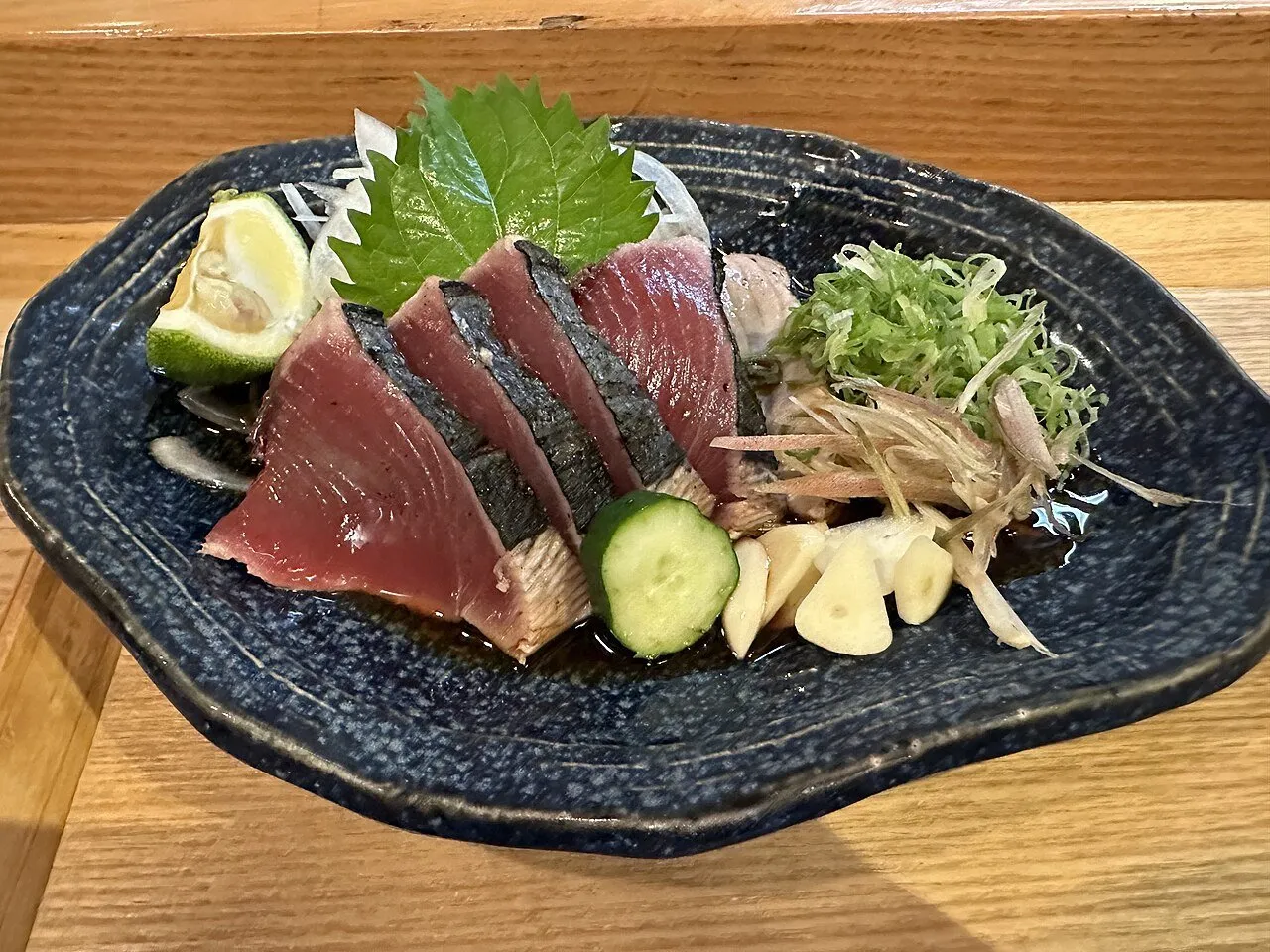 たたきtataki 店内表記まぐろたたき軍艦maguro tataki gunkanたたいて細かくしたまぐろにねぎをのせた軍艦。ネギトロと同じ形。この「たたき」は炙りではなく刻むこと剁碎的金枪鱼加葱花的军舰卷,形式同葱花金枪鱼腩(ネギトロ);这里的「たたき」指剁碎,不是炙烤;官网中文名「金枪鱼泥军舰」Gunkan of minced tuna topped with green onion, made like negitoro; here tataki means chopped, not seared; English-site name “Minced Tuna Gunkan” 店内表記ゆず塩かつおたたきyuzu-shio katsuo tataki表面を炙ったかつおの「たたき」をゆず塩で味わうにぎり(国産など)表面炙烤的鲣鱼「たたき」配柚子盐的握寿司(日本产等)Seared bonito (katsuo tataki) nigiri with yuzu salt, mainly Japanese bonito 店内表記サーモンたたき軍艦sāmon tataki gunkan包丁でたたいて細かくしたサーモンの軍艦。この「たたき」は炙りではなく刻むこと用刀剁碎的三文鱼军舰卷;这里的「たたき」指剁碎,不是炙烤Gunkan of knife-minced salmon; here tataki means chopped, not seared | あぶった魚/たたいた魚 炙鱼片/剁碎的鱼 Seared or chopped fish | ①皮付きの身の表面を強火であぶり、厚めに切ったもの(カツオなど)②生の魚を包丁でたたいて細かくしたもの(アジなど) ①带皮鱼块用大火炙烤表面后切厚片(鲣鱼等)②用刀把生鱼剁碎(竹荚鱼等) (1) Skin-on fish seared over high flame and cut thick (e.g. bonito); (2) raw fish chopped fine with a knife (e.g. horse mackerel) | 土佐のカツオのたたきは、三枚におろした身を藁などの炎で、皮は少し焦げるまで、身は白くなる程度にあぶり、厚めに切って塩やタレをかけ、包丁などで叩いてなじませることからの名とされる。高知では柚子酢と醤油のタレにニンニクの薄切りを必ず添え、脂ののった秋の下りカツオがたたきに最適とされる。アジやイワシのたたきは包丁の刃でたたいて細かくし、ネギやショウガを加えたもの。江戸時代の文献にいう「カツオのたたき」は、カツオの身や小骨をたたいて漬けた塩辛のことだった。 土佐(高知)的鲣鱼たたき,是把片好的鲣鱼用稻草等的火焰炙烤,鱼皮略焦、鱼肉表面变白即可,切厚片后撒盐或浇汁,再用刀等拍打使其入味,名字据说由此而来。高知的吃法是浇柚子醋和酱油调的汁,一定配大蒜片,以秋季南下、脂肪丰满的“下りカツオ”最适合。竹荚鱼、沙丁鱼的たたき,则是用刀刃把鱼肉剁碎,再加葱、姜等。江户时代文献中所说的“鲣鱼たたき”,其实是把鲣鱼肉和小骨剁碎腌成的盐辛(咸鱼酱)。 Tosa-style katsuo no tataki is bonito fillet seared over burning straw until the skin chars slightly and the flesh just whitens, then cut thick, salted or dressed and patted with the knife so the seasoning sinks in; the patting (tataku) is said to give the name. In Kōchi it is dressed with yuzu vinegar and soy sauce and always topped with sliced garlic, and fatty autumn bonito on its way south is considered best. Aji or iwashi tataki is raw fish chopped fine with the knife edge, with negi or ginger. In Edo-period texts “katsuo no tataki” meant something else: shiokara, a salt-fermented paste of chopped bonito meat and small bones. |
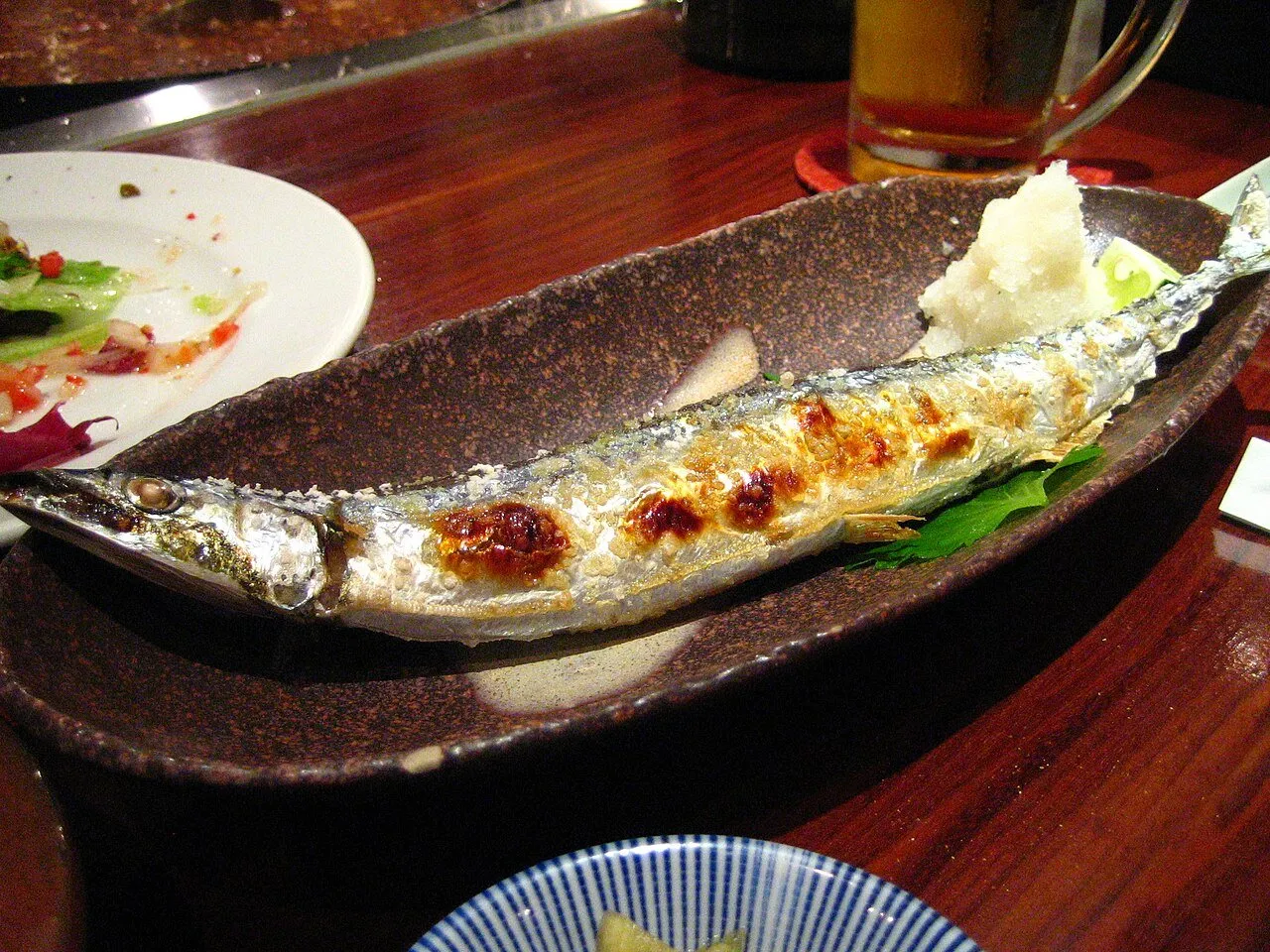 塩焼きshioyaki | 塩を振って焼いた魚 盐烤 Salt-grilled | 魚に塩を振って焼いたもの。姿焼きにも切り身にもいう 鱼撒盐后烤制,整条或切块都可以 Fish sprinkled with salt and grilled, whole or as a fillet | 和食の焼き物の基本で、振り塩をすると塩が浸透して身がしまり、焼くと溶けたタンパク質が再び固まってうま味が逃げない。白身魚や小魚は焼く直前に、青背の魚や脂の多い魚は焼く30分〜1時間前に塩をする。姿焼きでは尾やひれに塩をたっぷりすり込む「化粧塩」で焦げを防ぎ、尾がぴんと跳ね上がるように「踊り串(うねり串)」を打つ。 盐烤是日本料理烤物的基础:撒盐后盐分渗入、鱼肉收紧,加热时溶出的蛋白质重新凝固,鲜味不会流失。白身鱼和小鱼在烤之前才撒盐,青背鱼和多脂的鱼则提前30分钟到1小时撒盐。整条烤时在鱼尾、鱼鳍上厚厚抹盐(“化妆盐”)以免烤焦,并穿“跃串”(踊り串),让鱼尾高高翘起。 Salt-grilling is the foundation of Japanese grilled dishes: salt penetrates and firms the flesh, and as it cooks the dissolved proteins set again so the flavour stays in. White-fleshed and small fish are salted just before grilling, blue-backed or oily fish 30 minutes to an hour ahead. For a whole fish, keshō-jio (“make-up salt”) is rubbed thickly onto the tail and fins to stop them burning, and an odori-gushi (“dancing skewer”) is woven through the body so the tail flicks up. |
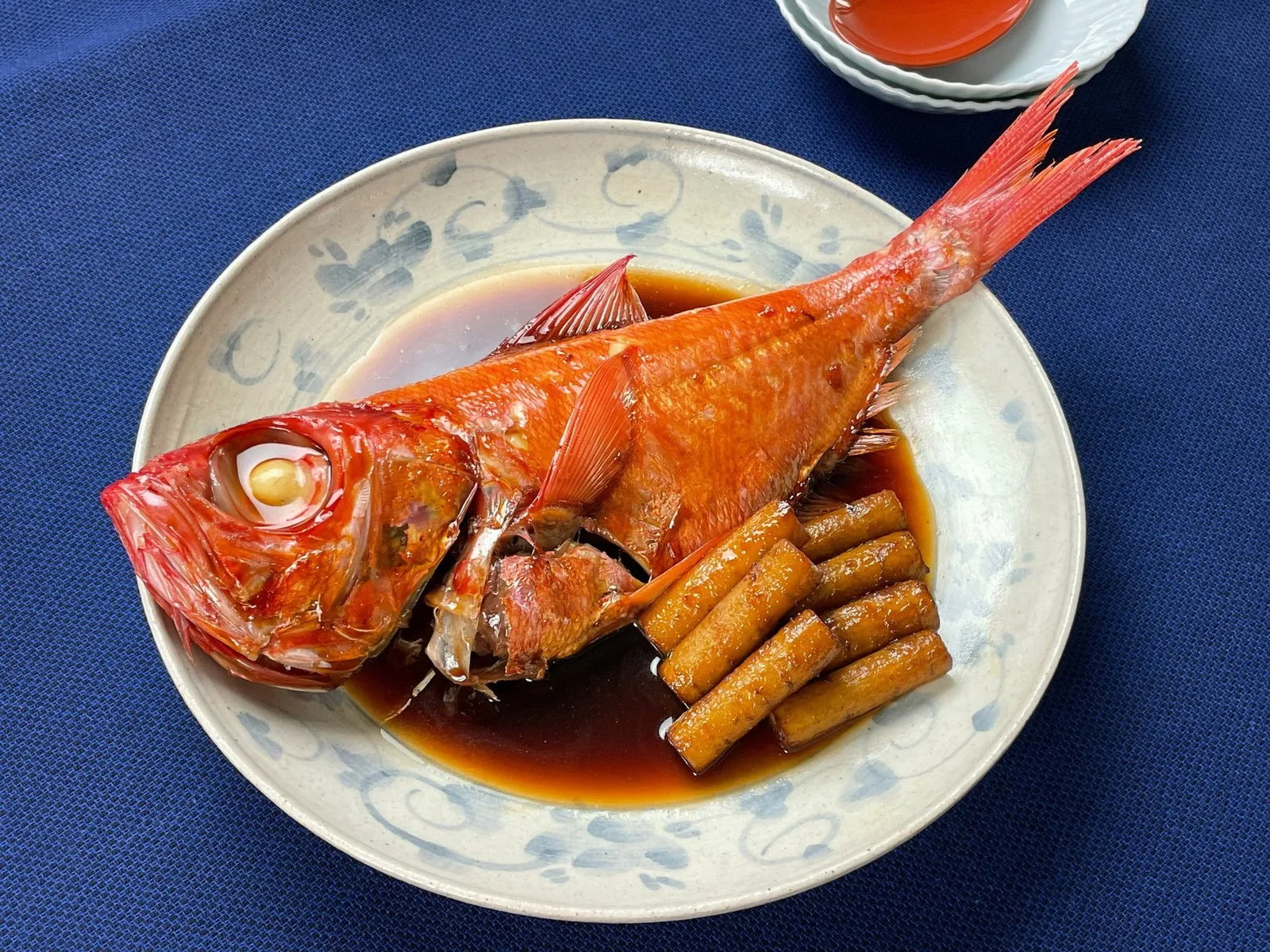 煮付けnitsuke | 甘辛く煮た魚 酱烧鱼 Simmered in sweet soy | 醤油・砂糖・みりん・酒の煮汁で、汁を少なめにして甘辛く煮た魚(野菜にもいう) 用酱油、砂糖、味醂、酒调的少量汤汁,把鱼煮得甜咸入味(也用于蔬菜) Fish (or vegetables) simmered in a little soy sauce, sugar, mirin and sake until sweet-savoury | 煮物のうち煮汁を少なくして煮る類に入り、魚を味付けして煮たもの全般は「煮魚」と呼ぶ(みそを加えるみそ煮、大根おろしを加えるおろし煮もある)。カレイ・メバル・キンメダイ・カサゴといった白身魚がよく煮付けにされ、メバルは煮付けにすると身がころりと外れるという。鍋より一回り小さく材料に直接のせる落とし蓋は、煮汁の回りをよくし煮崩れを防ぐ。魚の煮汁が冷えて固まったものは「煮凝り(にこごり)」と呼ばれる。 属于煮物中汤汁较少的一类;凡调味后煮的鱼统称“煮鱼”(煮魚),此外还有加味噌的味噌煮、加萝卜泥的“おろし煮”。常做煮付的是鲽鱼、无备平鲉(メバル)、金眼鲷、褐菖鲉(カサゴ)等白身鱼,据说メバル煮好后鱼肉会整块脱落。比锅口小一圈、直接压在食材上的“落盖”(落とし蓋)能让汤汁均匀循环、防止鱼肉煮散。鱼的汤汁冷却后凝成的冻叫“煮凝り”。 It belongs to the kind of nimono cooked in only a little liquid; seasoned simmered fish in general is nizakana, which also includes miso-ni (with miso) and oroshi-ni (with grated daikon). White fish such as flounder, mebaru (Japanese rockfish), kinmedai (splendid alfonsino) and kasago (scorpionfish) are the usual choices, and simmered mebaru flesh is said to come away cleanly. A drop lid (otoshibuta) laid directly on the fish keeps the liquid circulating and stops the flesh breaking up, and fish broth that sets into jelly as it cools is called nikogori. |
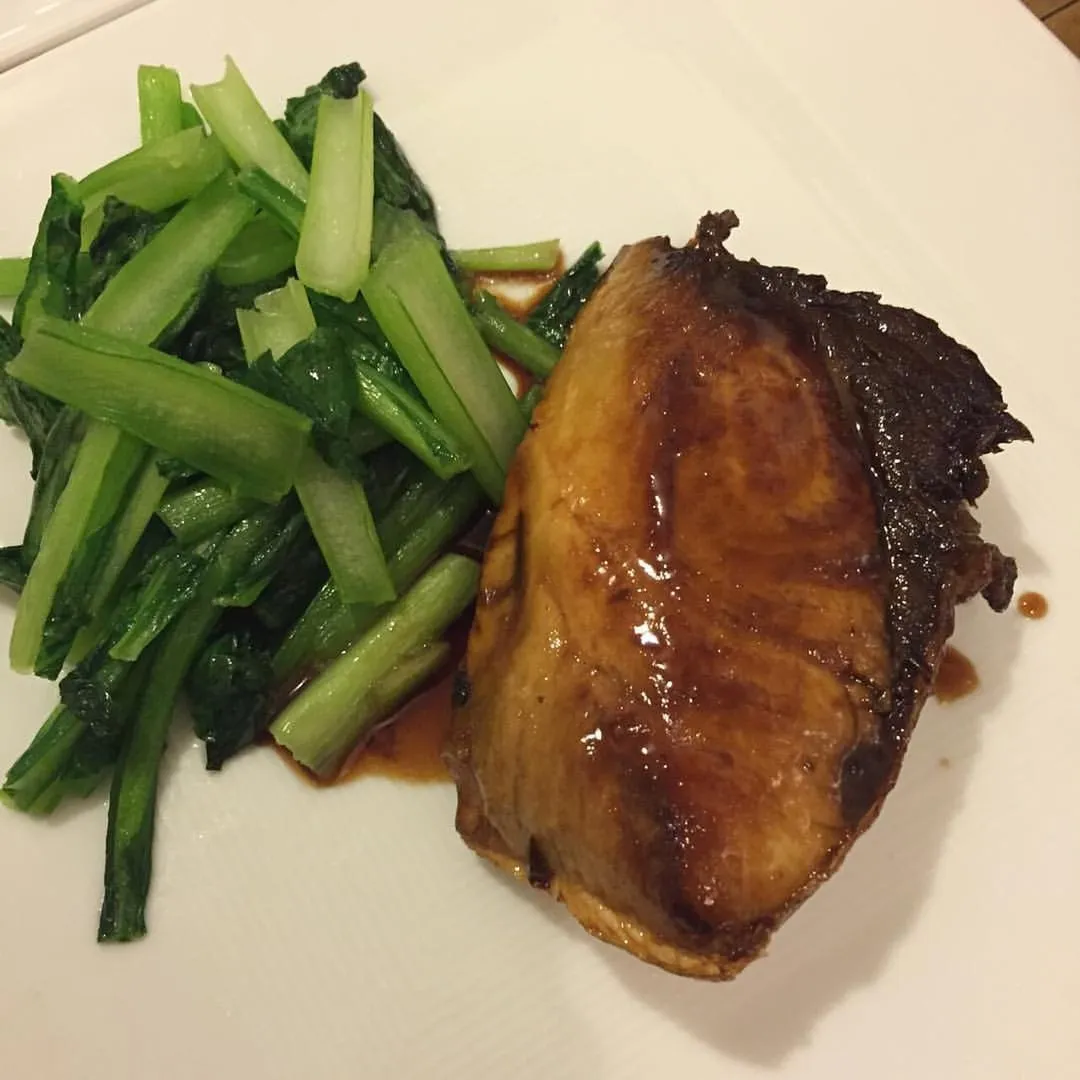 照り焼きteriyaki 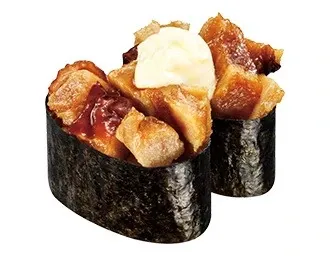 店内表記照り焼きチキンteriyaki chikin照り焼きにした鶏肉の軍艦(鶏肉はブラジル産など)照烧鸡肉军舰卷(鸡肉产自巴西等)Gunkan of teriyaki chicken (chicken from Brazil etc.) | たれを塗ってつやよく焼いたもの 照烧 Teriyaki (glaze-grilled) | 醤油・みりん・酒などのたれを塗りながら、または漬けてから、つやよく焼いたもの 边刷(或先腌)酱油、味醂、酒等调成的酱汁边烤,烤出光泽 Grilled while basted with, or after marinating in, a soy–mirin–sake sauce until glossy | たれを何度もつけながら焼くと照り(つや)が出ることからの名で、日本大百科全書はたれの割合をみりん1.5・酒1・醤油1とし、材料にサワラ・ブリ・生サケ・マナガツオ・イワシなどを挙げる。ウナギの蒲焼きも照り焼きの一種だが、焦げ目をつけ、焼くときの煙が材料に戻るのが特色という。醤油・酒・みりんにユズの輪切りを浸したたれで焼くのは「幽庵焼き」で、考案した茶人北村幽庵の名からという。英語の teriyaki は、Merriam-Webster によれば1901年から用例がある。 因反复刷酱汁烤出光泽(照り)而得名;《日本大百科全书》给出的酱汁比例为味醂1.5、酒1、酱油1,适用的鱼有鲅鱼、鰤鱼、新鲜鲑鱼、鲳鱼、沙丁鱼等。鳗鱼的蒲烧也是照烧的一种,特点是烤出焦痕,并让烤时的烟回熏到食材上。用浸了柚子片的酱油、酒、味醂汁烤的叫“幽庵烧”,据说得名于创制者茶人北村幽庵。英语中的 teriyaki 据韦氏词典最早见于1901年。 The name comes from the shine (teri) built up by brushing on sauce again and again; the Nipponica encyclopedia gives mirin 1.5 : sake 1 : soy 1 and names Spanish mackerel, yellowtail, fresh salmon, silver pomfret and sardine as typical fish. Eel kabayaki is a kind of teriyaki, set apart by its charred spots and by letting the grilling smoke flavour the eel. Fish grilled in soy, sake and mirin steeped with yuzu slices is yūan-yaki, said to be named after its inventor, the tea master Kitamura Yūan. Merriam-Webster dates “teriyaki” in English to 1901. |
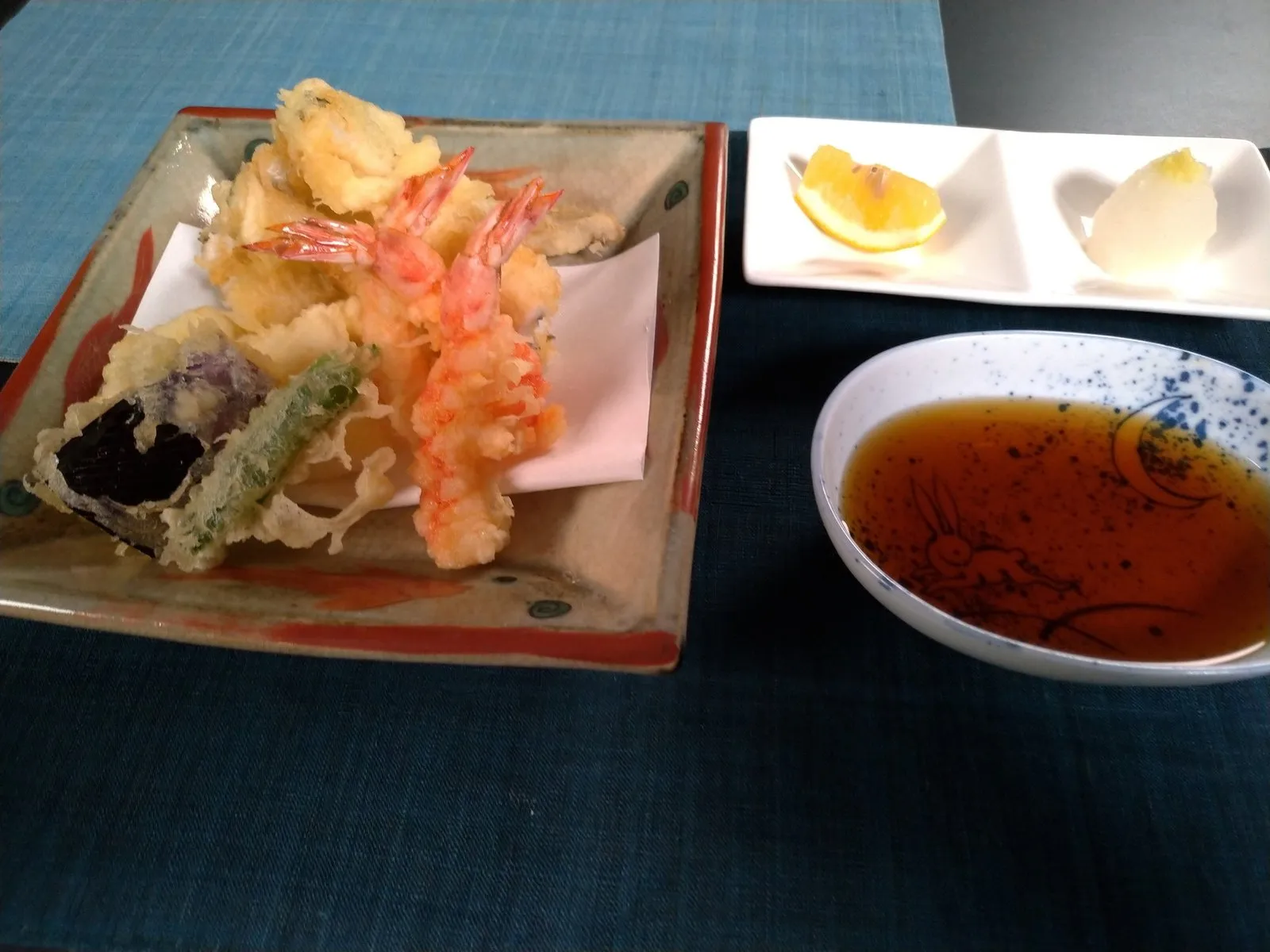 天ぷらtenpura 店内表記えび天握りebiten nigiriえびの天ぷらをのせたにぎり(えびはタイ・ベトナム産など)铺炸虾天妇罗的握寿司(虾产自泰国、越南等);官网中文名「炸虾天妇罗」Nigiri topped with shrimp tempura (shrimp from Thailand, Vietnam etc.); English-site name “Shrimp Tempura” 店内表記えび天にぎりebiten nigiriえびの天ぷらをのせたにぎり(えびはベトナム産など)铺炸虾天妇罗的握寿司(虾产自越南等)Nigiri topped with shrimp tempura (shrimp from Vietnam etc.) 店内表記えび天にぎりebiten nigiriえびの天ぷらをのせたにぎり(えびはベトナム産など)铺炸虾天妇罗的握寿司(虾产自越南等)Nigiri topped with shrimp tempura (shrimp from Vietnam etc.) | 衣揚げ 天妇罗 Tempura | 魚介や野菜に、小麦粉を卵と水で溶いた衣をつけて植物油で揚げたもの 鱼贝、蔬菜裹上用鸡蛋和水调开的面衣,用植物油炸 Seafood or vegetables coated in a batter of flour, egg and water and deep-fried in vegetable oil | 江戸時代は上方と江戸で中身が違い、上方では魚のすり身を揚げたもの(今の薩摩揚げ)、江戸では衣揚げを「てんぷら」と呼んだ。今も西日本には薩摩揚げを「てんぷら」と呼ぶ所がある。江戸では屋台の立ち食いとして広まり、エビ・キス・イカ・アナゴなど江戸前の魚介をごま油で揚げ、揚げたてを次々に食べるのが特色とされる。語源はポルトガル語 tempero(調理)や têmporas(四季の斎日)などとする説があるが、決め手となる当時の文献は見つかっていない。 江户时代上方(京都、大阪)与江户的“天ぷら”并不是一回事:上方指油炸的鱼浆(即今天的萨摩扬),江户则指挂面衣炸的东西。如今西日本仍有地方把萨摩扬叫“天ぷら”。在江户,天妇罗作为路边摊上站着吃的小吃流行开来,特色是用芝麻油炸虾、沙鮻、乌贼、星鳗等江户前海鲜,炸好一样吃一样。词源有葡萄牙语 tempero(烹调)、têmporas(四季斋日)等说法,但至今没有找到能证实的当时文献。 In the Edo period the word meant different things: in Kamigata (Kyoto–Osaka) it was fried fish paste, today’s satsuma-age, while in Edo it was batter-fried food; parts of western Japan still call satsuma-age “tenpura”. In Edo it spread as stand-up street-stall food, its hallmark being Edo Bay seafood such as prawns, kisu (sillago), squid and anago fried in sesame oil and eaten piece by piece straight from the pot. Portuguese tempero (“seasoning”) or têmporas (Ember Days) and other words have been proposed as its origin, but no decisive contemporary document has been found. |
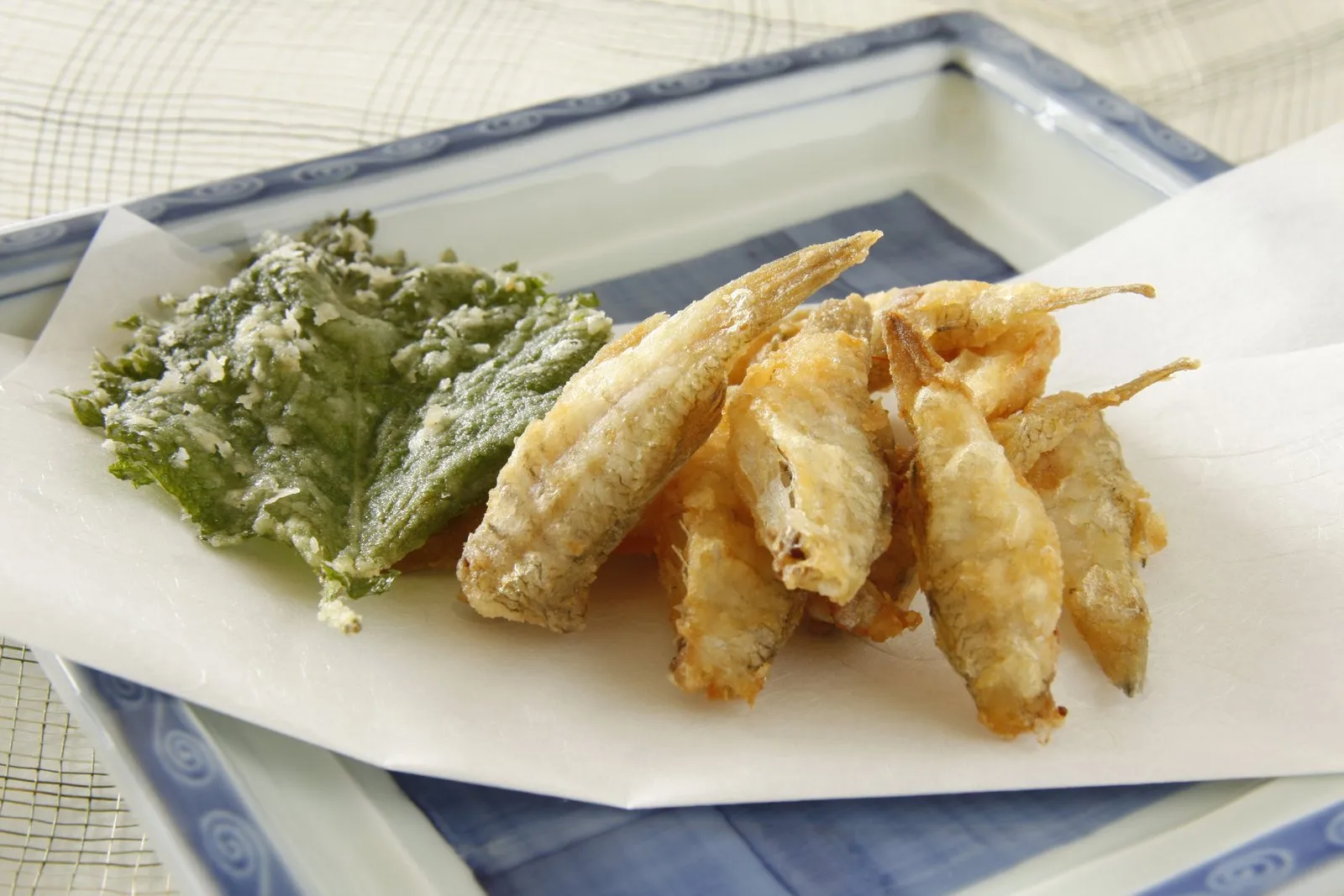 唐揚げkaraage  店内表記なんこつのから揚げnankotsu no karaage鶏の軟骨(なんこつ)のから揚げ(ブラジル・タイ・日本産)。レモン付き炸鸡软骨(巴西、泰国、日本产),配柠檬;官网中文名「炸鸡软骨」Deep-fried chicken cartilage (Brazil, Thailand, Japan), with lemon; English-site name “Fried Chicken Cartilage” 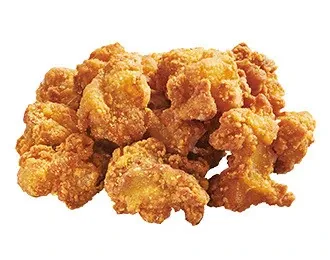 店内表記なんこつ唐揚げnankotsu karaage鶏の軟骨(なんこつ)の唐揚げ(中国産など)炸鸡软骨(中国产等)Deep-fried chicken cartilage (China etc.) | 粉をまぶして揚げたもの 日式炸(唐扬) Karaage (dusted and fried) | 小麦粉やかたくり粉を薄くまぶして、または何もつけずに油で揚げたもの 薄薄拍上面粉或淀粉(或什么都不裹)直接油炸 Food dusted lightly with flour or potato starch, or left bare, and deep-fried | 「唐(中国)風の揚げ物」の意とする説と、衣をつけない「空揚げ」の意とする説があり、どちらの表記も使われる。魚では、アジ・キス・ハゼ・アユ・フナなどの小魚に小麦粉とかたくり粉を厚めにまぶし、高温でさっと揚げてから二度揚げすると、頭から尾まで骨ごと食べられる。アジ・キス・アナゴなどの中骨を素揚げにしたものは「骨せんべい」という。 名称一说意为“唐(中国)式的炸物”,一说是不挂面衣的“空扬”,两种写法都有人用。鱼类的唐扬,是给竹荚鱼、沙鮻、虾虎鱼、香鱼、鲫鱼等小鱼厚厚拍上面粉和淀粉,高温快炸后再复炸一次,这样从头到尾连骨头都能吃。把竹荚鱼、沙鮻、星鳗等的中骨直接下锅炸,叫“骨煎饼”(骨せんべい)。 One view reads the name as “Tang (Chinese)-style frying”, another as kara-age, “empty frying” without batter; both spellings, 唐揚げ and 空揚げ, are used, and Merriam-Webster follows the “empty” etymology. Small fish such as aji, kisu, goby, ayu or crucian carp are coated fairly thickly with flour and potato starch, fried briefly at high heat and then fried a second time so they can be eaten bones and all, head to tail. Backbones of aji, kisu or anago fried bare are called hone senbei, “bone crackers”. |
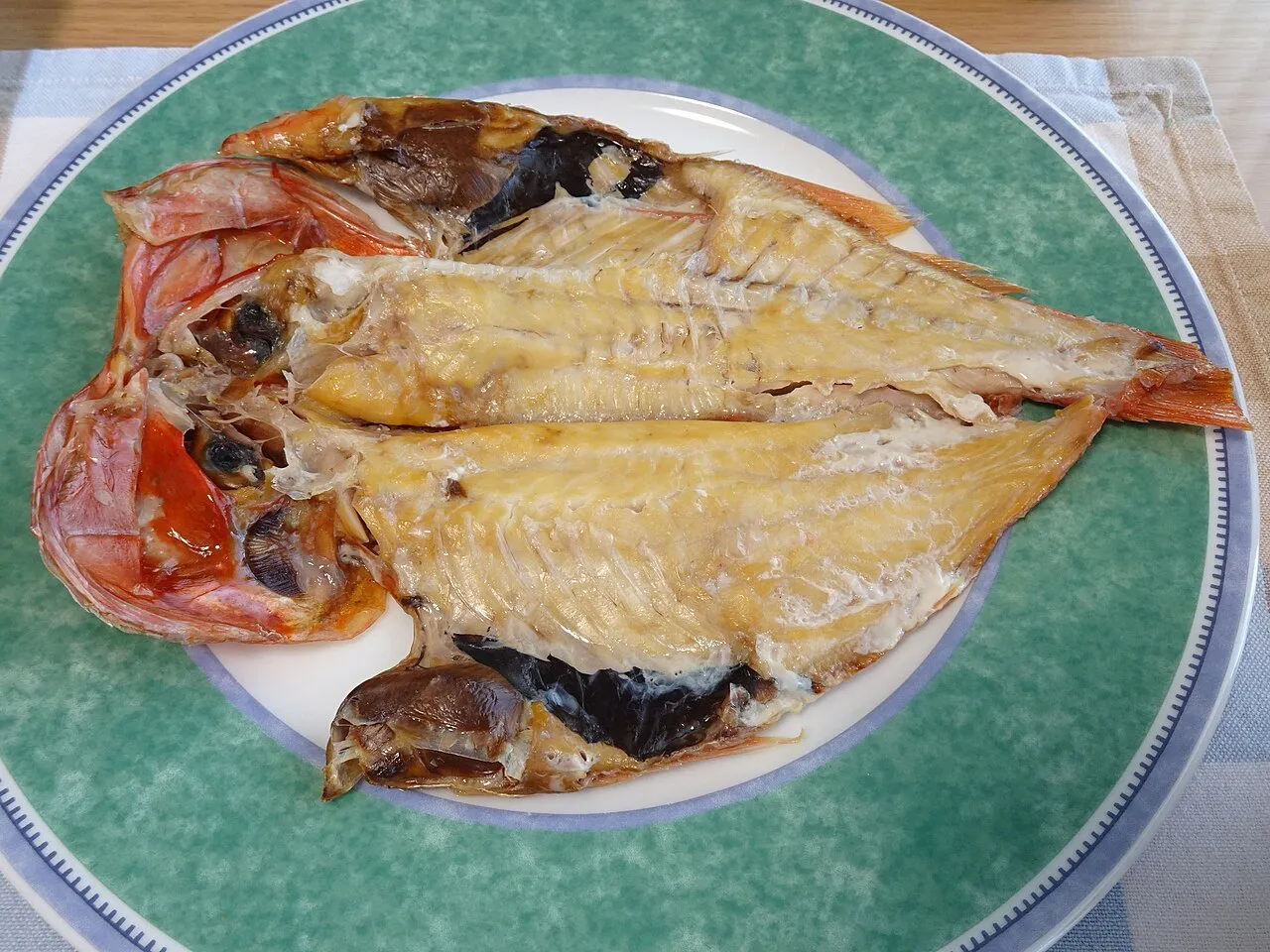 干物himono | 干した魚 鱼干 Dried fish | 魚介類を生のまま、または塩をして干したもの。開き・丸干し・一夜干しなど 把鱼贝生的或抹盐后晒干的食品,有剖开晒(開き)、整条晒(丸干し)、一夜干等 Fish or shellfish dried raw or after salting: split (hiraki), whole (maruboshi), overnight-dried (ichiyaboshi) and more | 製法により、塩をせずに干す素干し(するめ・身欠きにしん)、塩をして干す塩干し(アジ・サバ・サンマの開き、イワシの丸干し・目刺し)、煮てから干す煮干し、焼いてから干す焼干し、みりん干しなどの調味干しに分けられ、ふつう「干物」といえば塩干しを指す。開きは魚を背開きまたは腹開きにして干したもの、一夜干しは軽く塩をした魚を一晩外気に当てて干したもの。かつては日持ちさせるために強く干したが、今は水分60〜70%ほどの生干しが好まれ、干すことはうま味を引き出す手段になっている。 按制法可分为不加盐直接晒的素干(鱿鱼干、鲱鱼干)、抹盐后晒的盐干(竹荚鱼、鲭鱼、秋刀鱼的开片干,沙丁鱼整条干、“目刺”)、煮后晒的煮干、烤后晒的烤干,以及味醂干等调味干;一般说“干物”多指盐干。“開き”是把鱼从背部或腹部剖开晒干,“一夜干し”是轻轻撒盐后吹一夜风晾干。过去为了耐放晒得很干,如今更受欢迎的是含水约60%—70%的半干品,晒干更多成了增添鲜味的手段。 By method there are suboshi (dried unsalted, e.g. surume squid, migaki herring), shiboshi (salted then dried: split aji, saba or sanma, whole iwashi and mezashi), niboshi (boiled then dried), yakiboshi (grilled then dried) and seasoned types such as mirin-boshi; “himono” usually means the salted kind. Hiraki is fish split open from the back or the belly and dried; ichiyaboshi is lightly salted fish left out in the air overnight. Fish were once dried hard to keep, but today semi-dried fish of about 60–70% moisture is preferred, and drying is used more to develop flavour than to preserve. |
用語寿司店用语Sushi-bar words
すし屋には店の者どうしで使う業界用語(符丁)が多く、ここに挙げた語のほか、醤油を「むらさき」、わさびを「なみだ」、会計を「おあいそ」と呼ぶ。「おあいそ」は、精算の際に店側が「愛想がなくて申し訳ありません」と詫びたのが始まりとされる。寿司店里有很多店员之间使用的行话,除本组的词以外,还把酱油叫“むらさき”(紫)、山葵叫“なみだ”(眼泪)、结账叫“おあいそ”。“おあいそ”据说源于结账时店家致歉“招待不周(愛想がなくて),实在抱歉”。Sushi bars have plenty of trade jargon used among staff: besides the words here, soy sauce is murasaki (“purple”), wasabi namida (“tears”) and the bill oaiso, said to come from the shop apologising at payment for its lack of aiso (hospitality).
| ことば词Word | 意味意思Meaning | 部位・正体部位What & where | 解説说明Notes |
|---|---|---|---|
 店内表記追加シャリtsuika shari持ち帰りで追加するシャリ(すし飯)12貫分。米はすべて国産(同社)外带时加购的醋饭(シャリ),12贯份;米全部为日本国产(公司说明)Extra shari (sushi rice) for takeout, enough for 12 pieces; the chain uses only Japanese rice  店内表記熟成まぐろ(シャリなし)jukusei maguro (shari nashi)シャリ(酢飯)なしでネタだけを出す「くらのお魚だけシリーズ」の熟成まぐろ不带醋饭(シャリ)、只上鱼片的「くらのお魚だけ」系列熟成金枪鱼Aged tuna served without its rice (shari), from Kura’s “fish only” series | すし飯 寿司饭 Sushi rice | 酢・塩・砂糖の合わせ酢で味をつけた、すし用のご飯 用醋、盐、糖调成的混合醋调味的寿司米饭 Rice seasoned with a mixture of vinegar, salt and sugar for sushi | 仏の遺骨を意味する「舎利」(梵語 śarīra の音写)が、形が似ていることから米粒や飯を指すようになった語で、白米の飯を「銀シャリ」と呼ぶのは戦中・戦後の食糧難の時代からという。すし飯は白飯よりやや硬めに炊き、熱いうちに合わせ酢を混ぜる。1804年に江戸で早ずしに出会ったミツカン創業者の中埜又左衛門が酒粕から造った粕酢(赤酢)は、江戸のすし屋に欠かせない調味料になった。回転寿司の品書きには「シャリハーフ」(くら寿司)、「シャリ大盛り」(はま寿司の丼)といった表示もある。 源自意为佛骨的“舍利”(梵语 śarīra 的音译),因形状相似,后来用来指米粒和米饭;把白米饭叫“银舍利”(銀シャリ),据说始于战时和战后的粮荒年代。寿司饭比普通米饭煮得稍硬,趁热拌入混合醋。1804年在江户见识了早寿司的味滋康(ミツカン)创始人中埜又左卫门用酒糟酿出的粕醋(红醋),成了江户寿司店不可缺少的调料。回转寿司的菜单上还能看到“シャリハーフ”(半份饭,くら寿司)、“シャリ大盛り”(大份饭,はま寿司的盖饭)等字样。 From shari 舎利, the Buddha’s relics (Sanskrit śarīra), applied to grains of rice because of their resemblance; calling plain white rice gin-shari (“silver shari”) dates from the food shortages of the war and post-war years. Sushi rice is cooked slightly firmer than ordinary rice and dressed with the vinegar mix while hot. Nakano Matazaemon, founder of Mizkan, encountered Edo’s new fast sushi in 1804 and began making vinegar from sake lees; this red vinegar (akazu) became indispensable to Edo sushi bars. Chain menus also show options such as シャリハーフ (half rice, Kura Sushi) and シャリ大盛り (extra rice, on Hama-zushi’s rice bowls). |
ネタneta | すし種 寿司料 Sushi topping | すし飯にのせる魚介・玉子焼きなどの材料(すしだね) 放在醋饭上的鱼贝、玉子烧等材料(すしだね) The fish, shellfish, omelette and so on placed on the rice (sushi-dane) | 「たね(種)」を逆さに読んだ隠語で、1818〜45年ごろの随筆『松屋筆記』に用例がある。本来の形で「タネ」「すしだね」とも言い、すし以外でも新聞記事の材料や手品の仕掛け、芸人の演目を「ねた」と呼ぶ。すし種のうち、コハダ・サバ・アジなど皮が青白く光る魚は「光り物」と呼ばれる。 是把“たね”(种,材料)倒过来念的行话,1818—45年前后的随笔《松屋笔记》中已有用例。也可按本来的说法叫“タネ”“すしだね”;寿司以外,新闻报道的素材、魔术的机关、艺人的段子也叫“ねた”。寿司料中,斑鰶、鲭鱼、竹荚鱼等鱼皮泛青白光泽的鱼称为“光り物”。 Inverted slang for tane (種, “seed, material”), attested in the essay collection Matsunoya hikki (c. 1818–45). The plain forms tane and sushi-dane are also used, and outside sushi neta means a news story’s material, a magic trick’s secret or a comedian’s routine. Toppings with bluish, shining skin such as kohada, mackerel and horse mackerel are grouped as hikarimono, “shiny things”. |
ガリgari | すしに添える甘酢しょうが 寿司醋姜片 Pickled ginger for sushi | 薄切りにしたショウガ(多くは新ショウガ)を軽くゆで、甘酢に漬けたもの 把姜(多用嫩姜)切薄片、稍微焯水后泡在甜醋里 Thin slices of ginger, usually young ginger, blanched and pickled in sweet vinegar | 噛むと「ガリガリ」と音がすることからの名とされる。一般には「甘酢しょうが」といい焼き魚などにも添えるが、すしに添えるものを特に「ガリ」と呼ぶ。回転寿司では、ガリ・お茶・醤油・箸がカウンターに置かれ、客が自分で取るのがふつう。 据说因嚼起来“嘎吱嘎吱”(ガリガリ)作响而得名。一般叫“甜醋姜”(甘酢しょうが),也用来配烤鱼等,配寿司的则特称“ガリ”。在回转寿司店,醋姜、茶、酱油、筷子一般都放在柜台上,由客人自取。 The name is said to imitate the crunching sound, gari-gari, it makes. The general term is amazu-shōga (sweet-vinegar ginger), also served with grilled fish, but the version served with sushi is called gari. At conveyor-belt sushi bars, gari, tea, soy sauce and chopsticks usually sit on the counter for diners to help themselves. |
あがりagari | お茶 茶 Tea | すし屋で出すお茶。「上がり花」の略 寿司店对茶的叫法,是“上がり花”的简称 The sushi-bar word for tea, short for agaribana | 遊郭や料理屋で入れたての茶を「上がり花」と呼んだのが略されたもので、すし屋ではもともと食事の最後に飲むお茶を指した。暇なことを表す「お茶をひく」(茶葉を臼でひくこと)が芸者や遊女の忌み言葉だったため、「客が上がる」に掛けて「上がり花」「あがり」と呼ぶようになったとされる。入れたての香りのよい茶は一般には「出花」といい、「鬼も十八、番茶も出花」ということわざに残る。 源自游廓(花街)和料亭把刚沏好的茶叫“上がり花”,后来简称“あがり”;在寿司店原指饭后最后喝的那杯茶。因为表示“闲着没客人”的“お茶をひく”(用石臼磨茶叶)是艺伎和游女忌讳的说法,便取“客人上门”(客が上がる)的吉利意思,把茶叫作“上がり花”“あがり”。刚沏好、香气正浓的茶一般叫“出花”,见于俗语“鬼も十八、番茶も出花”(丑女十八也动人,粗茶初沏也香醇)。 In pleasure quarters and restaurants freshly made tea was called agaribana, later shortened to agari; at sushi bars it originally meant the tea drunk at the end of the meal. Because ocha o hiku (“grinding tea”, i.e. sitting idle with no clients) was a taboo phrase for geisha and courtesans, the tea was named after the lucky phrase kyaku ga agaru, “a customer comes up”. Freshly brewed, fragrant tea is otherwise called debana, as in the proverb “Oni mo jūhachi, bancha mo debana” (even an ogre is pretty at eighteen, even coarse tea is good fresh-brewed). |
さび抜きsabinuki | わさび抜き 不放山葵 No wasabi | 握りずしのシャリとネタの間にわさびを入れないこと。「さび」はわさびの略 握寿司的醋饭和料之间不放山葵;“さび”是“わさび”的省略 Nigiri made without the dab of wasabi between rice and topping; sabi is short for wasabi | 握りずしにわさびを挟むのは、1820年(文政3)ごろ江戸の華屋与兵衛がコハダやエビの握りで考案して評判になったとされ、全国に広まったのは明治以降。わさびの辛味成分アリルイソチオシアネートは、すりおろして細胞が壊れると酵素の働きで生じ、市販の粉わさびの多くはセイヨウワサビ(ホースラディッシュ)の粉末に葉緑素や着色料を加えたもの。すし屋ではわさびを「なみだ」とも呼び、伊豆諸島の島ずしのように、ワサビが手に入らずからしで代用した地域もある。 在握寿司里夹山葵,据说是1820年(文政3年)前后江户的华屋与兵卫在斑鰶、虾的握寿司上首创并大受欢迎,明治以后才普及全国。山葵的辣味成分异硫氰酸烯丙酯,是磨碎时细胞破裂、在酶的作用下生成的;市售的山葵粉大多是辣根(西洋山葵)粉加叶绿素或色素做成的。寿司店也把山葵叫“なみだ”(眼泪);伊豆诸岛的岛寿司当年弄不到山葵,就用黄芥末代替。 Tucking wasabi into nigiri is credited to Hanaya Yohei of Edo around 1820, for his kohada and prawn pieces, and it only spread nationwide in the Meiji era. Wasabi’s heat, allyl isothiocyanate, forms by enzyme action when grating ruptures the cells; most powdered “wasabi” on sale is horseradish powder with chlorophyll or colouring added. Sushi bars also call wasabi namida (“tears”), and in the Izu Islands, where real wasabi was unobtainable, shimazushi used hot mustard instead. |
おまかせomakase | 店に一任すること 主厨精选(交给师傅) Chef’s choice | 何を出すかを店(職人)に一任する頼み方 把吃什么全权交给店家(师傅)决定的点法 Ordering by leaving the selection entirely to the chef | 「任せる」に接頭語「お」が付いた語で、特に料理屋で料理の内容を店に一任することをいい、「おまかせコース」のように使う。すし店でおまかせにすると、その日のおすすめのネタで握ったすしが出される。英語にも omakase として入り、Merriam-Webster は名詞の初出を1967年とし、職人の裁量で選んだ一連の少量の料理(すしなど)を定額で出すもの、と定義している。 由“任せる”(交给)加前缀“お”构成,特指在餐馆把菜品全权交给店家,常见“おまかせコース”(主厨精选套餐)等说法。在寿司店点“おまかせ”,师傅会用当天推荐的料来捏。这个词也进入了英语,韦氏词典记载其名词用法最早见于1967年,释义为“由厨师决定、按固定价格供应的一系列小份菜品(如寿司)”。 O- (honorific) + makase, “leaving it to someone”: in restaurants, leaving the content of the meal to the house, as in omakase kōsu (chef’s-choice course). At a sushi bar, omakase brings nigiri made from the day’s recommended toppings. English has borrowed the word: Merriam-Webster dates the noun to 1967 and defines it as a series of small servings or courses (as of sushi) offered at a fixed price and selected at the chef’s discretion. |
回転寿司kaiten-zushi | 回るすし 回转寿司 Conveyor-belt sushi | 小皿に盛ったすしが客の前を回るベルトに乗って流れ、客が好きな皿を取る方式の店 小碟寿司放在顾客面前循环的传送带上,任客人自取的寿司店 A sushi restaurant where small plates ride a belt past the counter and diners take what they like | 大阪・布施市(現東大阪市)で立ち食いずしを1皿4貫20円で出していた白石義明が、吹田市のビール工場で見たベルトコンベアから着想し、町工場の経営者らと約10年かけて「コンベア旋回式食事台」を開発、1958年4月に近鉄布施駅近くで「廻る元禄寿司」1号店を開いた(特許は1962年取得、1978年失効)。1970年の大阪万博への出店で一躍知られ、1991年には広辞苑(第4版)に「回転寿司」が初めて載った。国内の店舗は4,000店を超え、市場規模は2022年に7,252億円(富士経済調べ)。皿の色や柄で値段を分け、食べ終えた皿の枚数で会計する。 在大阪布施市(今东大阪市)以每盘4个20日元卖站着吃的寿司的白石义明,从吹田市一家啤酒厂的传送带得到灵感,与当地小工厂老板们花了约10年开发出“传送带回旋式餐台”,1958年4月在近铁布施站附近开出“廻る元禄寿司”1号店(1962年取得专利,1978年失效)。1970年大阪世博会出店后一举成名,1991年“回转寿司”首次收入《广辞苑》(第4版)。如今日本国内门店超过4000家,2022年市场规模达7252亿日元(富士经济调查)。按盘子的颜色或花纹分价,吃完按盘子数量结账。 Shiraishi Yoshiaki, who sold stand-up sushi at four pieces for ¥20 in Fuse (now Higashi-Ōsaka), took the idea from a conveyor belt at a beer plant in Suita and spent about ten years with local machine shops developing a “conveyor rotating dining counter”; the first Mawaru Genroku Sushi opened near Kintetsu Fuse Station in April 1958 (patented 1962, expired 1978). A stand at the 1970 Osaka Expo made it famous, and the Kōjien dictionary first listed 回転寿司 in its 4th edition (1991). Japan now has more than 4,000 such restaurants, and the market reached ¥725.2 billion in 2022 (Fuji Keizai). Prices are coded by plate colour or pattern, and the bill is counted from the empty plates. |