01它是什么,来自哪里?どんな部位?どこから来る?
用日语读一读 · 日本語で読む
背中の肉。首側からかたロース・リブロース・サーロインと続く
The back muscles: from the neck end, chuck roll (kata-rōsu), rib loin (rib-rōsu) and sirloin (sāroin)
中国語・英語の解説を見る
背部的肉,从颈部往后依次是上脑(かたロース)、眼肉(リブロース)、西冷(サーロイン)
The back muscles: from the neck end, chuck roll (kata-rōsu), rib loin (rib-rōsu) and sirloin (sāroin)
02名字背后,还有这些故事。名前の由来とストーリー。
来自英语 roast,意为“适合烤制的肉”;明治初期假名垣鲁文的《安愚乐锅》(1871—72年)里写作“ラウス”。按日本《牛分割肉交易规格》,颈肉与上脑在第6、7颈椎之间分开,眼肉与西冷在第10、11胸椎之间分开;关西把上脑叫“くらした”(鞍下),把眼肉直接叫“ロース”。烤肉业界一向有把瘦肉统称“ロース”的惯例,2010年10月日本消费者厅要求行业团体不要再把牛腿肉等标成“ロース”。
零售店早在1977年就受《食肉零售品质基准》约束,只有西冷、眼肉等背脊部位才能标“ロース”。
英語の roast に由来し「ローストに適する肉」の意で、明治初期の仮名垣魯文『安愚楽鍋』(1871〜72年)には「ラウス」の形で見える。牛部分肉取引規格では、ネックとかたロースを第6〜7頸椎の間、リブロースとサーロインを第10〜11胸椎の間で切り分け、関西ではかたロースを「くらした(鞍下)」、リブロースを単に「ロース」と呼ぶ。
焼肉業界では「ロース」を赤身肉の意味で使う慣行があり、2010年10月、消費者庁はもも肉などを「ロース」と表示しないよう業界団体に求めた。小売店はすでに1977年の食肉小売品質基準により、「ロース」と表示できるのをサーロインやリブロースなどロース系の部位に限られている。
再挑战一下日语原文 · 日本語で読む
英語の roast に由来し「ローストに適する肉」の意で、明治初期の仮名垣魯文『安愚楽鍋』(1871〜72年)には「ラウス」の形で見える。牛部分肉取引規格では、ネックとかたロースを第6〜7頸椎の間、リブロースとサーロインを第10〜11胸椎の間で切り分け、関西ではかたロースを「くらした(鞍下)」、リブロースを単に「ロース」と呼ぶ。焼肉業界では「ロース」を赤身肉の意味で使う慣行があり、2010年10月、消費者庁はもも肉などを「ロース」と表示しないよう業界団体に求めた。小売店はすでに1977年の食肉小売品質基準により、「ロース」と表示できるのをサーロインやリブロースなどロース系の部位に限られている。
From English “roast”, meat fit for roasting; it appears as rausu in Kanagaki Robun’s Aguranabe (1871–72). The wholesale beef standard separates the neck from the chuck roll between the 6th and 7th cervical vertebrae and the rib loin from the sirloin between the 10th and 11th thoracic vertebrae; in Kansai the chuck roll is called kurashita (“under the saddle”) and the rib loin simply rōsu. Yakiniku restaurants long used rōsu to mean lean meat in general, and in October 2010 the Consumer Affairs Agency asked the trade to stop labelling round (momo) and other cuts as rōsu. Retailers had been bound since 1977 by the Retail Meat Quality Standard to use the name only for loin cuts such as sirloin and rib loin.
中国語・英語の原文を見る
来自英语 roast,意为“适合烤制的肉”;明治初期假名垣鲁文的《安愚乐锅》(1871—72年)里写作“ラウス”。按日本《牛分割肉交易规格》,颈肉与上脑在第6、7颈椎之间分开,眼肉与西冷在第10、11胸椎之间分开;关西把上脑叫“くらした”(鞍下),把眼肉直接叫“ロース”。烤肉业界一向有把瘦肉统称“ロース”的惯例,2010年10月日本消费者厅要求行业团体不要再把牛腿肉等标成“ロース”。零售店早在1977年就受《食肉零售品质基准》约束,只有西冷、眼肉等背脊部位才能标“ロース”。
From English “roast”, meat fit for roasting; it appears as rausu in Kanagaki Robun’s Aguranabe (1871–72). The wholesale beef standard separates the neck from the chuck roll between the 6th and 7th cervical vertebrae and the rib loin from the sirloin between the 10th and 11th thoracic vertebrae; in Kansai the chuck roll is called kurashita (“under the saddle”) and the rib loin simply rōsu. Yakiniku restaurants long used rōsu to mean lean meat in general, and in October 2010 the Consumer Affairs Agency asked the trade to stop labelling round (momo) and other cuts as rōsu. Retailers had been bound since 1977 by the Retail Meat Quality Standard to use the name only for loin cuts such as sirloin and rib loin.
03到了店里,它叫什么?お店ではどう呼ばれる?
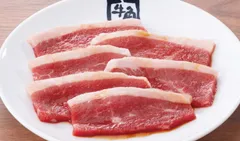
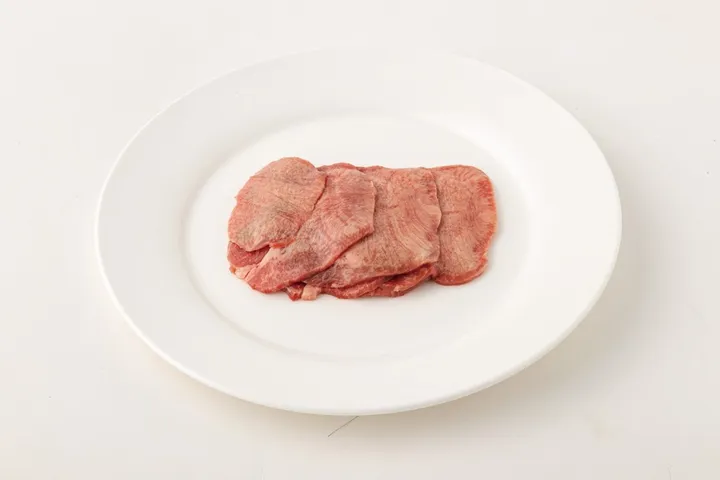
牛角ロース
冠以店名的牛里脊;官方烤法:别烤过头,变硬前就吃店名を冠した牛ロース。公式の焼き方は「焼きすぎず、固くなる前が食べ頃」
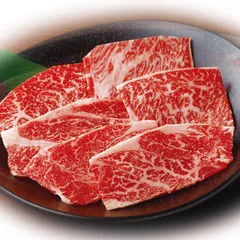
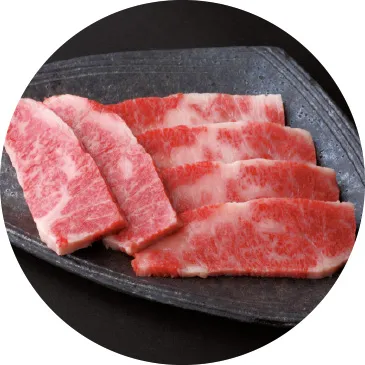
黒毛和牛上赤身くらした
「鞍下(kurashita)」是肩里脊在关西的别名;黑毛和牛的瘦肉「くらした(鞍下)」は肩ロースの関西での別名。黒毛和牛の赤身
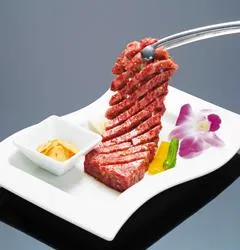
特選すだれ肩ロース焼
像竹帘一样划满细刀口的肩里脊すだれ(簾)のように細かく切り込みを入れた肩ロース
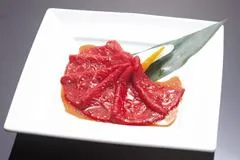
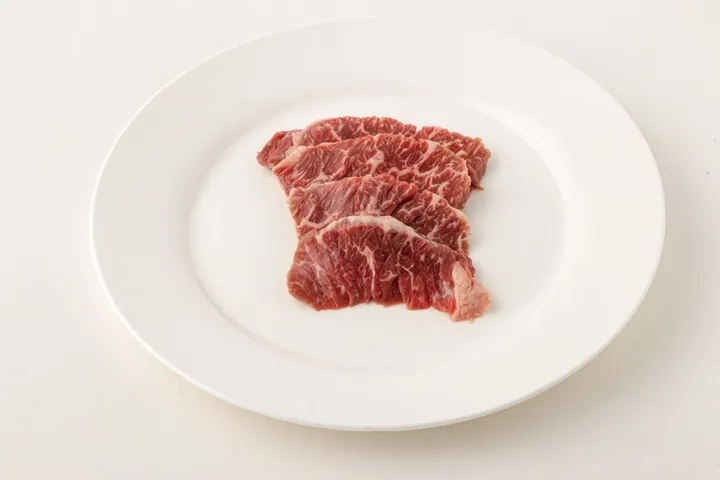
赤身ロース焼
脂肪少的瘦里脊脂の少ない赤身のロース
上ロース焼
上等里脊上ランクのロース
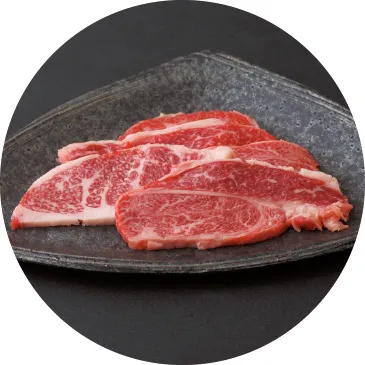
肩ロース厚切焼
厚切肩里脊肩ロースの厚切り
特選サーロイン焼
西冷(里脊靠腰的部分)サーロイン(ロースの腰側の部分)
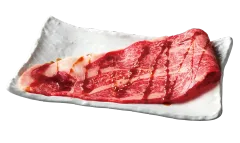
黒毛牛ドでか!上ロース
切得很大的上等里脊;部位是「肩」或「肩里脊」(官方注明)大きく切った上ロース。部位は「かた」または「かたロース」(公式表記)
展示各店菜单中的叫法与示例。菜品、做法和供应情况可能调整,以门店当日菜单为准。店铺菜品图片来源见完整词典的图片出处。各チェーン店でのメニュー表記例です。季節や店舗により変更となる場合があります。画像出典は菜单词典をご覧ください。