01它是什么,来自哪里?どんな部位?どこから来る?
用日语读一读 · 日本語で読む
ヒラメ・カレイの背びれ・しりびれの付け根にある担鰭骨(たんきこつ)に付いた筋肉
The muscle on the pterygiophores (tankikotsu), the bones at the base of a flounder’s or flatfish’s dorsal and anal fins
中国語・英語の解説を見る
牙鲆、鲽鱼背鳍和臀鳍根部的担鳍骨上附着的肌肉
The muscle on the pterygiophores (tankikotsu), the bones at the base of a flounder’s or flatfish’s dorsal and anal fins
02名字背后,还有这些故事。名前の由来とストーリー。
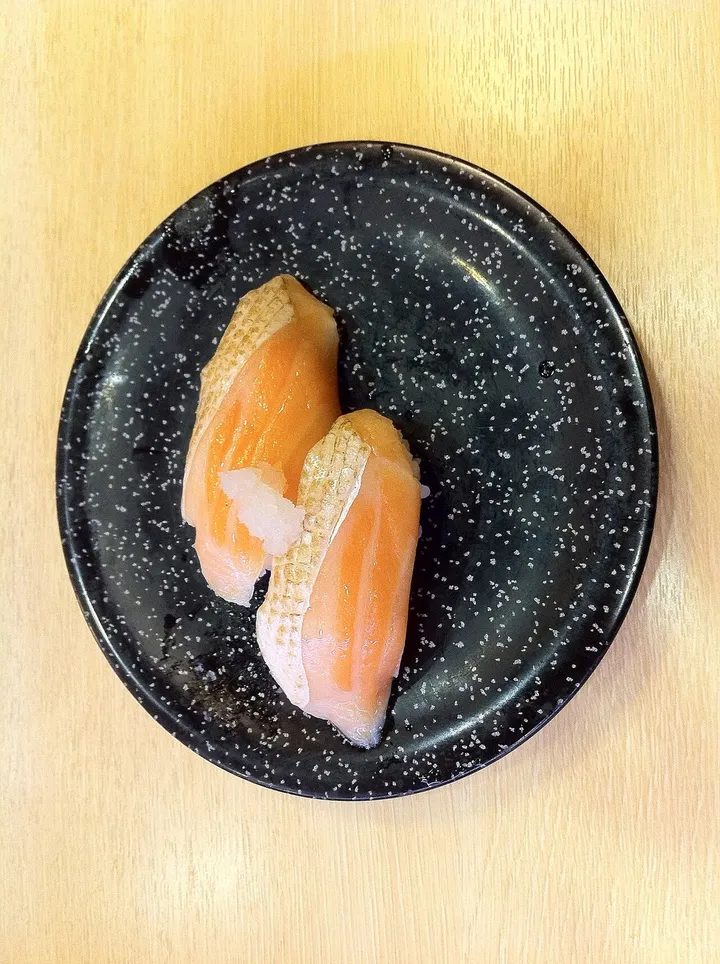
牙鲆和鲽鱼靠身体波浪般起伏游动,还会钻进沙里,鳍动得多,这块肌肉因此发达,吃起来脆而有嚼劲。名字据说是因为肌肉的纹路以及沿鱼身边缘排列的样子,像日式房屋的“縁側”(檐廊);泉镜花《汤岛诣》(1899年)中已有“比良目は縁側に限る”(牙鲆就数裙边最好)一句。一条鱼只能取4条(臀鳍一侧比背鳍一侧大);牙鲆的裙边紧实、脂肪少,运动量小的鲽鱼的则柔软、脂肪多。
它之所以普及到在回转寿司“常吃的寿司料”中排第8位(2024年),是因为用的是从美国、加拿大、冰岛、丹麦等地进口的格陵兰庸鲽(カラスガレイ)、箭齿鲽类(アブラガレイ)、太平洋大比目鱼(オヒョウ)等大型鲽类。
ヒラメ・カレイは体を波打たせて泳ぎ砂に潜るため、ひれをよく動かしてこの筋肉が発達し、コリコリした歯ごたえになる。名は筋の模様や魚の縁に沿って付く様子が家屋の「縁側」に似ることからといわれ、泉鏡花『湯島詣』(1899年)に「比良目は縁側に限る」と見える。1尾から4本しか取れず(しりびれ側の方が大きい)、ヒラメのものは身が締まって脂が少なく、運動量の少ないカレイのものは柔らかく脂が多い。
回転寿司で「よく食べるネタ」8位(2024年)に入るほど普及したのは、米国・カナダ・アイスランド・デンマークなどから輸入されるカラスガレイ・アブラガレイ・オヒョウなど大型カレイ類を使うためである。
再挑战一下日语原文 · 日本語で読む
ヒラメ・カレイは体を波打たせて泳ぎ砂に潜るため、ひれをよく動かしてこの筋肉が発達し、コリコリした歯ごたえになる。名は筋の模様や魚の縁に沿って付く様子が家屋の「縁側」に似ることからといわれ、泉鏡花『湯島詣』(1899年)に「比良目は縁側に限る」と見える。1尾から4本しか取れず(しりびれ側の方が大きい)、ヒラメのものは身が締まって脂が少なく、運動量の少ないカレイのものは柔らかく脂が多い。回転寿司で「よく食べるネタ」8位(2024年)に入るほど普及したのは、米国・カナダ・アイスランド・デンマークなどから輸入されるカラスガレイ・アブラガレイ・オヒョウなど大型カレイ類を使うためである。
Flounders and flatfish swim by rippling their bodies and burrow into sand, working their fins hard, so this muscle is well developed and pleasantly crunchy. The name is said to come from its striped grain and the way it runs along the fish’s edge like the engawa veranda of a Japanese house; Izumi Kyōka’s Yushima Mōde (1899) already says “for hirame, nothing beats the engawa”. A fish yields only four strips (the anal-fin side larger), flounder engawa being firm and lean while that of less active flatfish is softer and fattier. It became the eighth most-eaten topping at conveyor-belt sushi (2024) because chains use large imported flatfish — Greenland halibut, Kamchatka flounder and Pacific halibut — mainly from the US, Canada, Iceland and Denmark.
中国語・英語の原文を見る
牙鲆和鲽鱼靠身体波浪般起伏游动,还会钻进沙里,鳍动得多,这块肌肉因此发达,吃起来脆而有嚼劲。名字据说是因为肌肉的纹路以及沿鱼身边缘排列的样子,像日式房屋的“縁側”(檐廊);泉镜花《汤岛诣》(1899年)中已有“比良目は縁側に限る”(牙鲆就数裙边最好)一句。一条鱼只能取4条(臀鳍一侧比背鳍一侧大);牙鲆的裙边紧实、脂肪少,运动量小的鲽鱼的则柔软、脂肪多。它之所以普及到在回转寿司“常吃的寿司料”中排第8位(2024年),是因为用的是从美国、加拿大、冰岛、丹麦等地进口的格陵兰庸鲽(カラスガレイ)、箭齿鲽类(アブラガレイ)、太平洋大比目鱼(オヒョウ)等大型鲽类。
Flounders and flatfish swim by rippling their bodies and burrow into sand, working their fins hard, so this muscle is well developed and pleasantly crunchy. The name is said to come from its striped grain and the way it runs along the fish’s edge like the engawa veranda of a Japanese house; Izumi Kyōka’s Yushima Mōde (1899) already says “for hirame, nothing beats the engawa”. A fish yields only four strips (the anal-fin side larger), flounder engawa being firm and lean while that of less active flatfish is softer and fattier. It became the eighth most-eaten topping at conveyor-belt sushi (2024) because chains use large imported flatfish — Greenland halibut, Kamchatka flounder and Pacific halibut — mainly from the US, Canada, Iceland and Denmark.
03到了店里,它叫什么?お店ではどう呼ばれる?
えんがわ
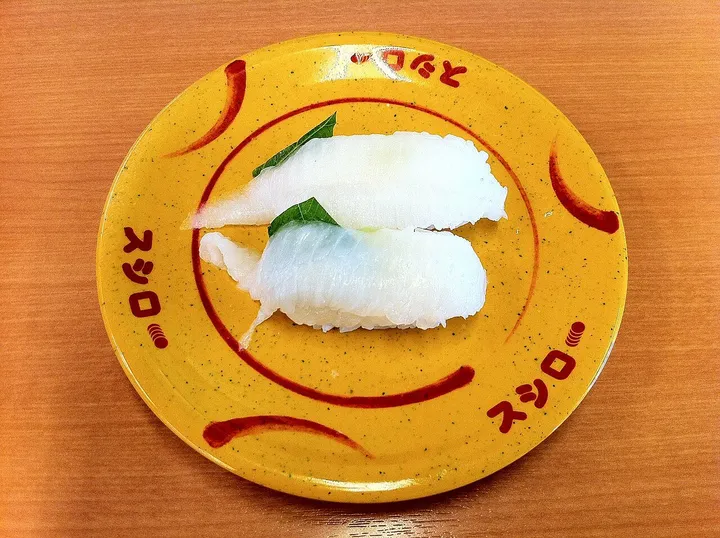
鲽鱼鳍边肉(えんがわ)握寿司(美国、加拿大、冰岛产等)カレイのえんがわ(ひれの付け根の身)のにぎり(アメリカ・カナダ・アイスランド産など)
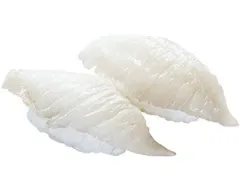
えんがわ(かれい)
鲽鱼类(アブラガレイ、カラスガレイ等)的鳍边肉(美国产等);名称中的「(かれい)」标明鱼种アブラガレイ・カラスガレイ等、カレイのえんがわ(アメリカ産など)。「(かれい)」は魚種の表示
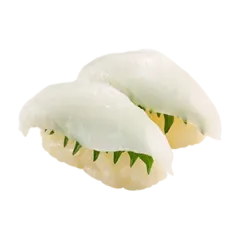
えんがわ
比目鱼类的鳍边肉(えんがわ)握寿司(美国产等);官网中文名「缘边」平たい魚のひれの付け根の身「えんがわ」のにぎり(アメリカ産など)
展示各店菜单中的叫法与示例。菜品、做法和供应情况可能调整,以门店当日菜单为准。店铺菜品图片来源见完整词典的图片出处。各チェーン店でのメニュー表記例です。季節や店舗により変更となる場合があります。画像出典は菜单词典をご覧ください。