01它是什么,来自哪里?どんな部位?どこから来る?
用日语读一读 · 日本語で読む
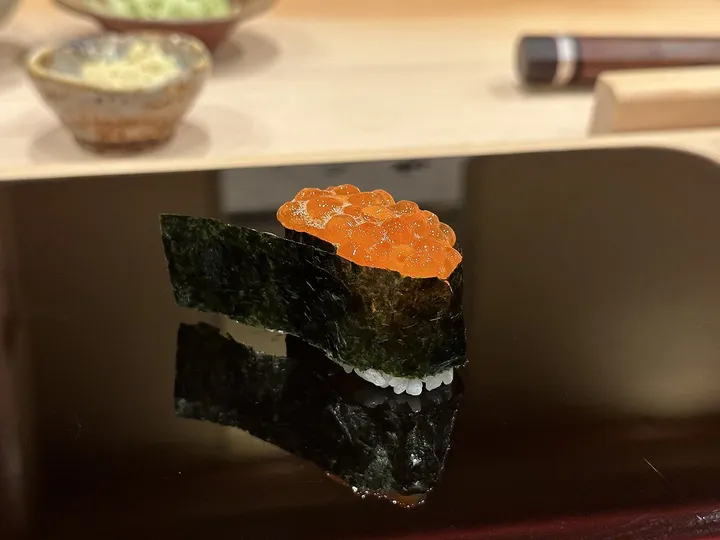
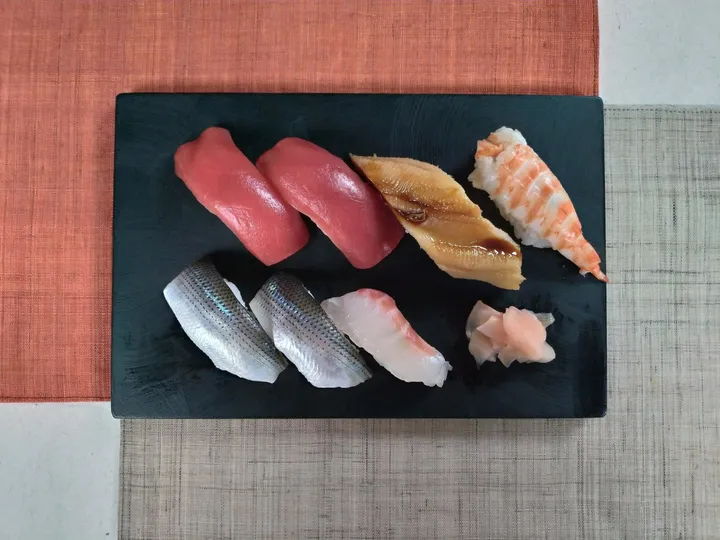
一口大に握ったすし飯(シャリ)にネタをのせたすし
A bite-sized, hand-pressed block of vinegared rice topped with a slice of fish or other topping
中国語・英語の解説を見る
把醋饭捏成一口大小,上面放一片料(ネタ)的寿司
A bite-sized, hand-pressed block of vinegared rice topped with a slice of fish or other topping
02名字背后,还有这些故事。名前の由来とストーリー。
握寿司诞生于江户(今东京)的文化、文政年间(1804—1830),一说由两国的华屋与兵卫首创。当时是路边摊的小吃,个头是现在的两三倍;料多是煮过的星鳗、乌贼、虾等熟料,醋腌鱼和生鱼用得很少。据说1923年关东大地震以前,包括路边摊在内,大多数寿司师傅是坐着捏寿司的。量词用“贯”(貫),一贯算一个还是两个,因地区和店家而异。
文化・文政期(1804〜30)の江戸で生まれた早ずしで、両国の華屋与兵衛が始めたという説がある。当時は屋台の軽食で、大きさは現在の2〜3倍あり、ネタは煮たアナゴ・イカ・エビなど火を通したものが多く、酢漬けや生の魚は少なかったという。1923年の関東大震災より前は、屋台も含めほとんどのすし職人が座って握っていたという。数える単位は「貫」で、1貫を1個とするか2個とするかは地域や店によって異なる。
再挑战一下日语原文 · 日本語で読む
文化・文政期(1804〜30)の江戸で生まれた早ずしで、両国の華屋与兵衛が始めたという説がある。当時は屋台の軽食で、大きさは現在の2〜3倍あり、ネタは煮たアナゴ・イカ・エビなど火を通したものが多く、酢漬けや生の魚は少なかったという。1923年の関東大震災より前は、屋台も含めほとんどのすし職人が座って握っていたという。数える単位は「貫」で、1貫を1個とするか2個とするかは地域や店によって異なる。
Nigiri appeared in Edo (Tokyo) in the Bunka–Bunsei era (1804–30) as a kind of “fast sushi”; one theory credits Hanaya Yohei of Ryōgoku. It was street-stall food two to three times today’s size, and the toppings were mostly cooked, such as simmered conger eel, squid and prawns, with little vinegared or raw fish. Until the 1923 Great Kantō Earthquake most sushi makers, stall-keepers included, are said to have worked seated. Pieces are counted in kan (貫), and whether one kan means one piece or two varies by region and shop.
中国語・英語の原文を見る
握寿司诞生于江户(今东京)的文化、文政年间(1804—1830),一说由两国的华屋与兵卫首创。当时是路边摊的小吃,个头是现在的两三倍;料多是煮过的星鳗、乌贼、虾等熟料,醋腌鱼和生鱼用得很少。据说1923年关东大地震以前,包括路边摊在内,大多数寿司师傅是坐着捏寿司的。量词用“贯”(貫),一贯算一个还是两个,因地区和店家而异。
Nigiri appeared in Edo (Tokyo) in the Bunka–Bunsei era (1804–30) as a kind of “fast sushi”; one theory credits Hanaya Yohei of Ryōgoku. It was street-stall food two to three times today’s size, and the toppings were mostly cooked, such as simmered conger eel, squid and prawns, with little vinegared or raw fish. Until the 1923 Great Kantō Earthquake most sushi makers, stall-keepers included, are said to have worked seated. Pieces are counted in kan (貫), and whether one kan means one piece or two varies by region and shop.
03到了店里,它叫什么?お店ではどう呼ばれる?
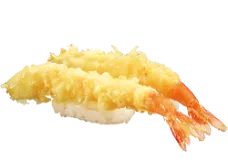
えび天握り
铺炸虾天妇罗的握寿司(虾产自泰国、越南等);官网中文名「炸虾天妇罗」えびの天ぷらをのせたにぎり(えびはタイ・ベトナム産など)
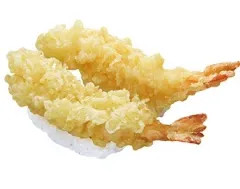
えび天にぎり
铺炸虾天妇罗的握寿司(虾产自越南等)えびの天ぷらをのせたにぎり(えびはベトナム産など)
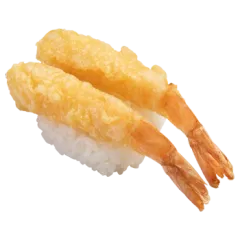
えび天にぎり
铺炸虾天妇罗的握寿司(虾产自越南等)えびの天ぷらをのせたにぎり(えびはベトナム産など)
展示各店菜单中的叫法与示例。菜品、做法和供应情况可能调整,以门店当日菜单为准。店铺菜品图片来源见完整词典的图片出处。各チェーン店でのメニュー表記例です。季節や店舗により変更となる場合があります。画像出典は菜单词典をご覧ください。