01它是什么,来自哪里?どんな部位?どこから来る?
用日语读一读 · 日本語で読む
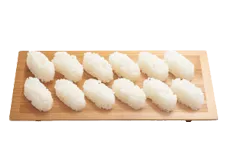
すし飯にのせる魚介・玉子焼きなどの材料(すしだね)
The fish, shellfish, omelette and so on placed on the rice (sushi-dane)
中国語・英語の解説を見る
放在醋饭上的鱼贝、玉子烧等材料(すしだね)
The fish, shellfish, omelette and so on placed on the rice (sushi-dane)
02名字背后,还有这些故事。名前の由来とストーリー。
是把“たね”(种,材料)倒过来念的行话,1818—45年前后的随笔《松屋笔记》中已有用例。也可按本来的说法叫“タネ”“すしだね”;寿司以外,新闻报道的素材、魔术的机关、艺人的段子也叫“ねた”。寿司料中,斑鰶、鲭鱼、竹荚鱼等鱼皮泛青白光泽的鱼称为“光り物”。
「たね(種)」を逆さに読んだ隠語で、1818〜45年ごろの随筆『松屋筆記』に用例がある。本来の形で「タネ」「すしだね」とも言い、すし以外でも新聞記事の材料や手品の仕掛け、芸人の演目を「ねた」と呼ぶ。すし種のうち、コハダ・サバ・アジなど皮が青白く光る魚は「光り物」と呼ばれる。
再挑战一下日语原文 · 日本語で読む
「たね(種)」を逆さに読んだ隠語で、1818〜45年ごろの随筆『松屋筆記』に用例がある。本来の形で「タネ」「すしだね」とも言い、すし以外でも新聞記事の材料や手品の仕掛け、芸人の演目を「ねた」と呼ぶ。すし種のうち、コハダ・サバ・アジなど皮が青白く光る魚は「光り物」と呼ばれる。
Inverted slang for tane (種, “seed, material”), attested in the essay collection Matsunoya hikki (c. 1818–45). The plain forms tane and sushi-dane are also used, and outside sushi neta means a news story’s material, a magic trick’s secret or a comedian’s routine. Toppings with bluish, shining skin such as kohada, mackerel and horse mackerel are grouped as hikarimono, “shiny things”.
中国語・英語の原文を見る
是把“たね”(种,材料)倒过来念的行话,1818—45年前后的随笔《松屋笔记》中已有用例。也可按本来的说法叫“タネ”“すしだね”;寿司以外,新闻报道的素材、魔术的机关、艺人的段子也叫“ねた”。寿司料中,斑鰶、鲭鱼、竹荚鱼等鱼皮泛青白光泽的鱼称为“光り物”。
Inverted slang for tane (種, “seed, material”), attested in the essay collection Matsunoya hikki (c. 1818–45). The plain forms tane and sushi-dane are also used, and outside sushi neta means a news story’s material, a magic trick’s secret or a comedian’s routine. Toppings with bluish, shining skin such as kohada, mackerel and horse mackerel are grouped as hikarimono, “shiny things”.