01它是什么,来自哪里?どんな部位?どこから来る?
用日语读一读 · 日本語で読む
酢・塩・砂糖の合わせ酢で味をつけた、すし用のご飯
Rice seasoned with a mixture of vinegar, salt and sugar for sushi
中国語・英語の解説を見る
用醋、盐、糖调成的混合醋调味的寿司米饭
Rice seasoned with a mixture of vinegar, salt and sugar for sushi
02名字背后,还有这些故事。名前の由来とストーリー。
源自意为佛骨的“舍利”(梵语 śarīra 的音译),因形状相似,后来用来指米粒和米饭;把白米饭叫“银舍利”(銀シャリ),据说始于战时和战后的粮荒年代。寿司饭比普通米饭煮得稍硬,趁热拌入混合醋。1804年在江户见识了早寿司的味滋康(ミツカン)创始人中埜又左卫门用酒糟酿出的粕醋(红醋),成了江户寿司店不可缺少的调料。回转寿司的菜单上还能看到“シャリハーフ”(半份饭,くら寿司)、“シャリ大盛り”(大份饭,はま寿司的盖饭)等字样。
仏の遺骨を意味する「舎利」(梵語 śarīra の音写)が、形が似ていることから米粒や飯を指すようになった語で、白米の飯を「銀シャリ」と呼ぶのは戦中・戦後の食糧難の時代からという。すし飯は白飯よりやや硬めに炊き、熱いうちに合わせ酢を混ぜる。1804年に江戸で早ずしに出会ったミツカン創業者の中埜又左衛門が酒粕から造った粕酢(赤酢)は、江戸のすし屋に欠かせない調味料になった。
回転寿司の品書きには「シャリハーフ」(くら寿司)、「シャリ大盛り」(はま寿司の丼)といった表示もある。
再挑战一下日语原文 · 日本語で読む
仏の遺骨を意味する「舎利」(梵語 śarīra の音写)が、形が似ていることから米粒や飯を指すようになった語で、白米の飯を「銀シャリ」と呼ぶのは戦中・戦後の食糧難の時代からという。すし飯は白飯よりやや硬めに炊き、熱いうちに合わせ酢を混ぜる。1804年に江戸で早ずしに出会ったミツカン創業者の中埜又左衛門が酒粕から造った粕酢(赤酢)は、江戸のすし屋に欠かせない調味料になった。回転寿司の品書きには「シャリハーフ」(くら寿司)、「シャリ大盛り」(はま寿司の丼)といった表示もある。
From shari 舎利, the Buddha’s relics (Sanskrit śarīra), applied to grains of rice because of their resemblance; calling plain white rice gin-shari (“silver shari”) dates from the food shortages of the war and post-war years. Sushi rice is cooked slightly firmer than ordinary rice and dressed with the vinegar mix while hot. Nakano Matazaemon, founder of Mizkan, encountered Edo’s new fast sushi in 1804 and began making vinegar from sake lees; this red vinegar (akazu) became indispensable to Edo sushi bars. Chain menus also show options such as シャリハーフ (half rice, Kura Sushi) and シャリ大盛り (extra rice, on Hama-zushi’s rice bowls).
中国語・英語の原文を見る
源自意为佛骨的“舍利”(梵语 śarīra 的音译),因形状相似,后来用来指米粒和米饭;把白米饭叫“银舍利”(銀シャリ),据说始于战时和战后的粮荒年代。寿司饭比普通米饭煮得稍硬,趁热拌入混合醋。1804年在江户见识了早寿司的味滋康(ミツカン)创始人中埜又左卫门用酒糟酿出的粕醋(红醋),成了江户寿司店不可缺少的调料。回转寿司的菜单上还能看到“シャリハーフ”(半份饭,くら寿司)、“シャリ大盛り”(大份饭,はま寿司的盖饭)等字样。
From shari 舎利, the Buddha’s relics (Sanskrit śarīra), applied to grains of rice because of their resemblance; calling plain white rice gin-shari (“silver shari”) dates from the food shortages of the war and post-war years. Sushi rice is cooked slightly firmer than ordinary rice and dressed with the vinegar mix while hot. Nakano Matazaemon, founder of Mizkan, encountered Edo’s new fast sushi in 1804 and began making vinegar from sake lees; this red vinegar (akazu) became indispensable to Edo sushi bars. Chain menus also show options such as シャリハーフ (half rice, Kura Sushi) and シャリ大盛り (extra rice, on Hama-zushi’s rice bowls).
03到了店里,它叫什么?お店ではどう呼ばれる?
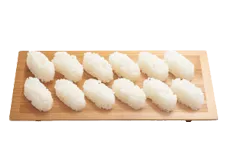
追加シャリ
外带时加购的醋饭(シャリ),12贯份;米全部为日本国产(公司说明)持ち帰りで追加するシャリ(すし飯)12貫分。米はすべて国産(同社)
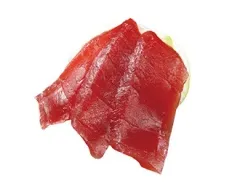
熟成まぐろ(シャリなし)
不带醋饭(シャリ)、只上鱼片的「くらのお魚だけ」系列熟成金枪鱼シャリ(酢飯)なしでネタだけを出す「くらのお魚だけシリーズ」の熟成まぐろ
展示各店菜单中的叫法与示例。菜品、做法和供应情况可能调整,以门店当日菜单为准。店铺菜品图片来源见完整词典的图片出处。各チェーン店でのメニュー表記例です。季節や店舗により変更となる場合があります。画像出典は菜单词典をご覧ください。