01它是什么,来自哪里?どんな部位?どこから来る?
用日语读一读 · 日本語で読む
タレではなく塩で味付けして焼く肉。「タン塩」のように部位名の後に付ける
Meat seasoned with salt instead of sauce; follows the cut name, as in tan-shio
中国語・英語の解説を見る
不用酱汁、用盐调味再烤的肉,接在部位名后,如「タン塩」
Meat seasoned with salt instead of sauce; follows the cut name, as in tan-shio
02名字背后,还有这些故事。名前の由来とストーリー。
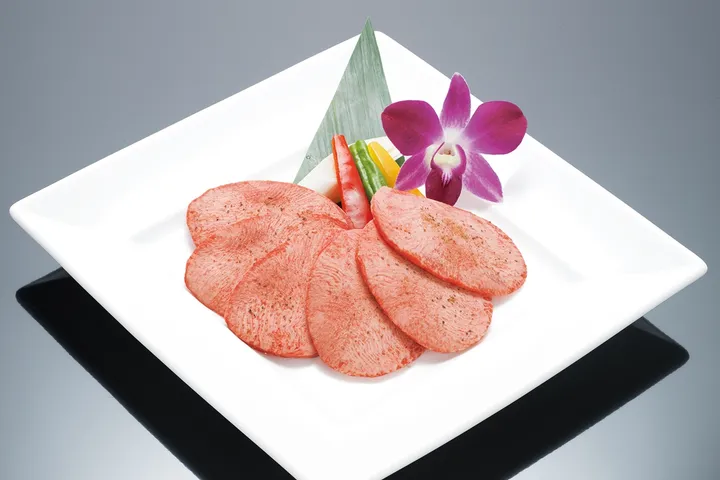
烤肉既可以烤好后蘸酱汁或盐吃,也可以先调好底味再烤(日本食肉消费综合中心)。牛舌在烤肉店多以「タン塩」(盐烤牛舌)的形式来吃(同上)。仙台名产烤牛舌的第一家专卖店诞生于1948年,当地既有坚持盐味的老店,也有味噌味、酱油味的店,调味因店而异。
焼肉は焼いてからタレや塩をつけて食べるほか、あらかじめ下味をつけてから焼くこともある(日本食肉消費総合センター)。牛タンは焼肉店では「タン塩」として食べることが多い(同)。1948年に最初の専門店が生まれた仙台名物の牛たん焼きでは、塩味にこだわる老舗のほか味噌や醤油味の店もあり、味付けは店ごとに異なる。
再挑战一下日语原文 · 日本語で読む
焼肉は焼いてからタレや塩をつけて食べるほか、あらかじめ下味をつけてから焼くこともある(日本食肉消費総合センター)。牛タンは焼肉店では「タン塩」として食べることが多い(同)。1948年に最初の専門店が生まれた仙台名物の牛たん焼きでは、塩味にこだわる老舗のほか味噌や醤油味の店もあり、味付けは店ごとに異なる。
Yakiniku may be dipped in sauce or salt after grilling, or seasoned before it goes on the grill (Japan Meat Information Service Center). At yakiniku restaurants beef tongue is most often eaten as tan-shio, salted tongue (same source). In Sendai, whose grilled-tongue specialty dates from the first dedicated restaurant in 1948, old shops that stick to salt sit alongside ones seasoning with miso or soy sauce.
中国語・英語の原文を見る
烤肉既可以烤好后蘸酱汁或盐吃,也可以先调好底味再烤(日本食肉消费综合中心)。牛舌在烤肉店多以「タン塩」(盐烤牛舌)的形式来吃(同上)。仙台名产烤牛舌的第一家专卖店诞生于1948年,当地既有坚持盐味的老店,也有味噌味、酱油味的店,调味因店而异。
Yakiniku may be dipped in sauce or salt after grilling, or seasoned before it goes on the grill (Japan Meat Information Service Center). At yakiniku restaurants beef tongue is most often eaten as tan-shio, salted tongue (same source). In Sendai, whose grilled-tongue specialty dates from the first dedicated restaurant in 1948, old shops that stick to salt sit alongside ones seasoning with miso or soy sauce.
03到了店里,它叫什么?お店ではどう呼ばれる?
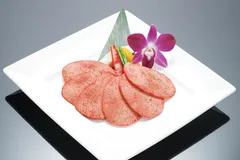
タン塩焼
盐烤牛舌;据叙々苑说,起初只撒盐和胡椒,后来应客人要求改成蘸柠檬汁吃牛タンの塩焼。初めは塩・コショウだけで、客の要望でレモンだれで食べる形になったと同社は説明
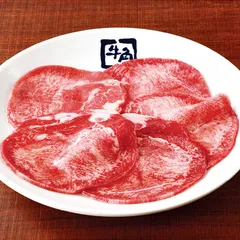
牛角タン塩
盐味牛舌,另有免费配料「魔法蘸盐」牛タンの塩味。無料のトッピング「魔法のつけ塩」もある
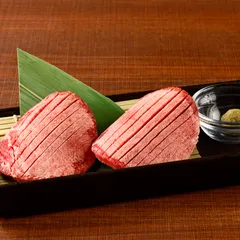
上タン塩
比「牛角盐味牛舌」高一档的牛舌(盐味)牛角タン塩より一段上のランクの牛タン(塩味)
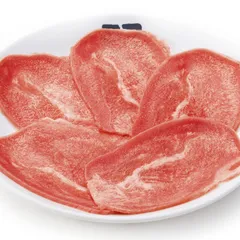
とんタン塩
「とん」指猪,即盐味猪舌;官方注明经过整形加工「とん」は豚。豚タンの塩味で、形を整える加工をしている(公式表記)
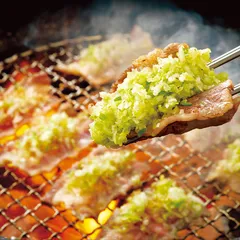
ねぎ塩豚カルビ
铺上葱花烤的盐味猪五花刻みねぎをのせて焼く、塩味の豚カルビ
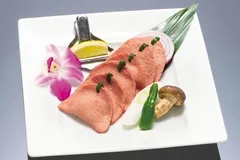
上ネギタン塩焼
铺葱的上等盐烤牛舌ネギをのせた上ランクのタン塩焼
上タン厚切塩焼
厚切上等盐烤牛舌;菜单把「厚切り」写成「厚切」,省掉了「り」上タンの厚切り塩焼。「厚切り」の「り」を省いて「厚切」と書く
特選タン塩焼
盐烤牛舌的最高档;叙々苑写「特选」而不写「特上」タン塩焼の最上ランク。叙々苑は「特上」ではなく「特選」と書く
展示各店菜单中的叫法与示例。菜品、做法和供应情况可能调整,以门店当日菜单为准。店铺菜品图片来源见完整词典的图片出处。各チェーン店でのメニュー表記例です。季節や店舗により変更となる場合があります。画像出典は菜单词典をご覧ください。