01它是什么,来自哪里?どんな部位?どこから来る?
用日语读一读 · 日本語で読む
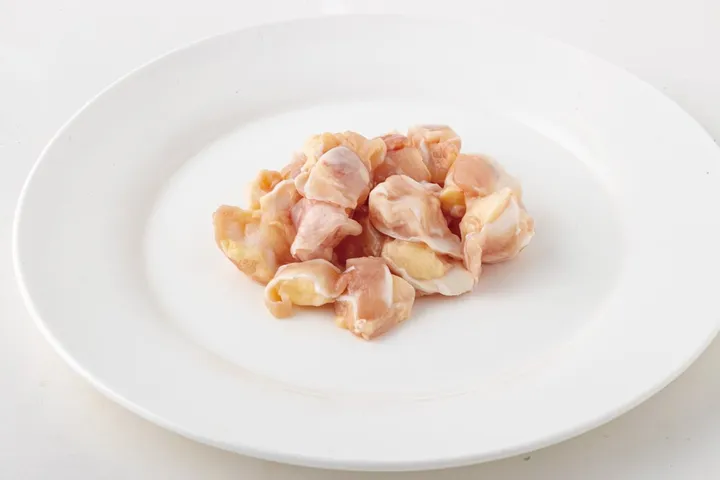
胸骨の先端の軟骨(ヤゲン)や関節の軟骨。規格では「胸骨及び関節の軟骨」とし、「なんこつ(胸骨)」のように部位を添えて表示する
Cartilage from the breastbone tip (yagen) and from joints. The standard defines nankotsu as cartilage of the breastbone and joints, labelled with the part, e.g. nankotsu (breastbone)
中国語・英語の解説を見る
胸骨尖端的软骨(ヤゲン,药研软骨)及关节软骨。规格定义为“胸骨及关节的软骨”,并须注明部位,如“软骨(胸骨)”
Cartilage from the breastbone tip (yagen) and from joints. The standard defines nankotsu as cartilage of the breastbone and joints, labelled with the part, e.g. nankotsu (breastbone)
02名字背后,还有这些故事。名前の由来とストーリー。
“軟骨”一词最早见于《解体新书》(1774年),是荷兰语kraakbeen的译词。胸骨尖端因形似研磨中药用的船形V字槽器具“药研”(やげん)而叫“ヤゲン”,多连着肉一起烹调,能同时吃到肉的口感和脆劲。鸡胸软骨(生)每100克54千卡、脂肪0.4克、水分85.0克。农水省aff指出ヤゲン、ゲンコツ等因骨头位置不同口感各异;鸟贵族有“药研软骨”串和“炸膝软骨”。
「軟骨」という語は『解体新書』(1774年)でオランダ語 kraakbeen の訳語として初めて見える。胸骨の先端は、生薬をすりつぶす舟形でV字にくぼんだ器具「薬研(やげん)」に形が似ることから「ヤゲン」と呼ばれ、肉がついたまま調理することが多く、肉の食感とコリコリ感を同時に楽しめる。胸の軟骨(生)は100gあたり54kcal・脂質0.4g・水分85.0g。
農林水産省の aff はヤゲンやゲンコツなど骨の位置で食感が違うとし、鳥貴族は串の「やげんなんこつ」と「ひざなんこつ唐揚」を出している。
再挑战一下日语原文 · 日本語で読む
「軟骨」という語は『解体新書』(1774年)でオランダ語 kraakbeen の訳語として初めて見える。胸骨の先端は、生薬をすりつぶす舟形でV字にくぼんだ器具「薬研(やげん)」に形が似ることから「ヤゲン」と呼ばれ、肉がついたまま調理することが多く、肉の食感とコリコリ感を同時に楽しめる。胸の軟骨(生)は100gあたり54kcal・脂質0.4g・水分85.0g。農林水産省の aff はヤゲンやゲンコツなど骨の位置で食感が違うとし、鳥貴族は串の「やげんなんこつ」と「ひざなんこつ唐揚」を出している。
The word 軟骨 first appears in Kaitai Shinsho (1774) as a translation of Dutch kraakbeen. The breastbone tip is called yagen after the yagen, a boat-shaped, V-grooved tool for grinding herbal medicine, which it resembles; it is usually cooked with meat attached, giving tender meat and crunch together. Raw breast cartilage has 54 kcal, 0.4 g fat and 85.0 g water per 100 g. MAFF notes that cartilage from different bones, such as yagen and genkotsu, differs in texture; Torikizoku sells yagen-nankotsu skewers and fried hiza (knee) nankotsu.
中国語・英語の原文を見る
“軟骨”一词最早见于《解体新书》(1774年),是荷兰语kraakbeen的译词。胸骨尖端因形似研磨中药用的船形V字槽器具“药研”(やげん)而叫“ヤゲン”,多连着肉一起烹调,能同时吃到肉的口感和脆劲。鸡胸软骨(生)每100克54千卡、脂肪0.4克、水分85.0克。农水省aff指出ヤゲン、ゲンコツ等因骨头位置不同口感各异;鸟贵族有“药研软骨”串和“炸膝软骨”。
The word 軟骨 first appears in Kaitai Shinsho (1774) as a translation of Dutch kraakbeen. The breastbone tip is called yagen after the yagen, a boat-shaped, V-grooved tool for grinding herbal medicine, which it resembles; it is usually cooked with meat attached, giving tender meat and crunch together. Raw breast cartilage has 54 kcal, 0.4 g fat and 85.0 g water per 100 g. MAFF notes that cartilage from different bones, such as yagen and genkotsu, differs in texture; Torikizoku sells yagen-nankotsu skewers and fried hiza (knee) nankotsu.
03到了店里,它叫什么?お店ではどう呼ばれる?
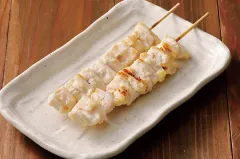
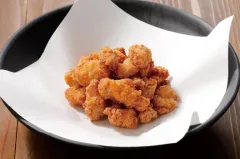
展示各店菜单中的叫法与示例。菜品、做法和供应情况可能调整,以门店当日菜单为准。店铺菜品图片来源见完整词典的图片出处。各チェーン店でのメニュー表記例です。季節や店舗により変更となる場合があります。画像出典は菜单词典をご覧ください。