01它是什么,来自哪里?どんな部位?どこから来る?
用日语读一读 · 日本語で読む
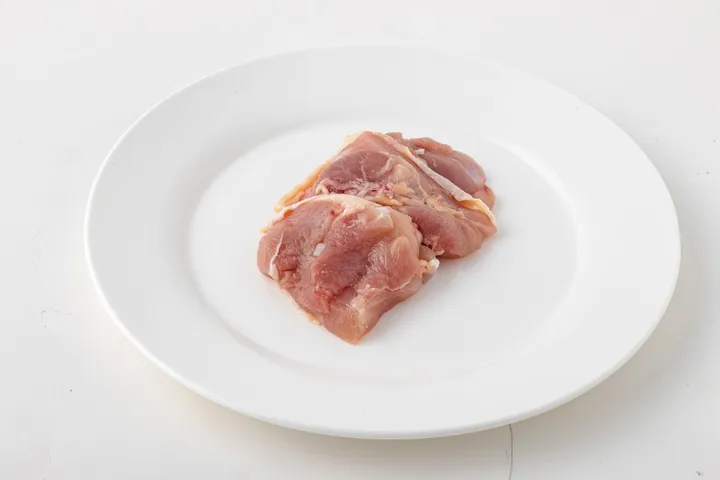
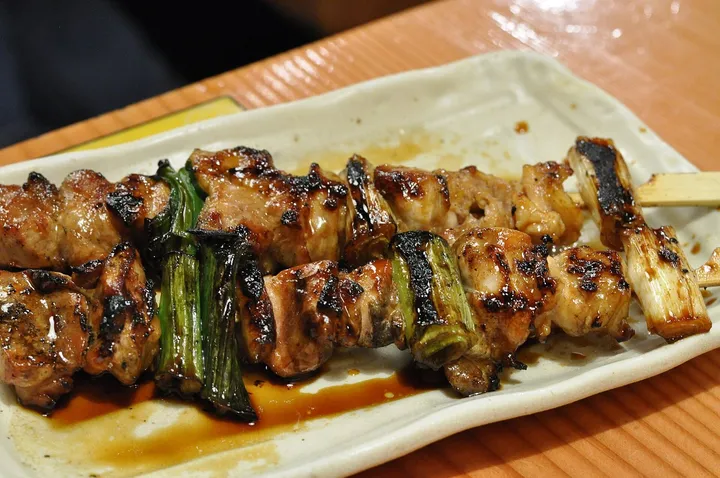
鶏肉(ふつうはもも)と長ねぎを交互に串に刺したもの
Pieces of chicken (usually thigh) alternated with lengths of negi on one skewer
中国語・英語の解説を見る
鸡肉(一般是腿肉)与大葱段交替串在一根签子上
Pieces of chicken (usually thigh) alternated with lengths of negi on one skewer
02名字背后,还有这些故事。名前の由来とストーリー。
“ねぎま”原写作“葱鮪”,本指葱和金枪鱼同煮的菜(葱鲔锅、葱鲔汤),江户后期的《东海道中膝栗毛》(1802–09年)已有用例;“ま”并不是“间”的意思。鸡肉串沿用这个名字,一说是因为外形像江户时代把葱和金枪鱼交替串起来烤的串,一说是金枪鱼腩变贵后改用便宜的鸡肉代替。各店叫法不同:连锁店鸟贵族叫“もも贵族烧”,1921年创业的京桥老店伊势广则把夹着葱和糯米椒(シシトウ)的串直接叫“もも肉”(腿肉)。
「ねぎま」は本来「葱鮪」と書き、ネギとマグロを煮た料理(ねぎま鍋・ねぎま汁)を指す語で、『東海道中膝栗毛』(1802〜09年)に用例がある。「ま」は「間」ではない。鶏の串がこの名で呼ばれる理由は、一説にネギとマグロを交互に刺して焼いた江戸の串に姿が似ていたため、一説にマグロのトロが高級になり手頃な鶏肉で代用したためという。
店によって名が違い、鳥貴族は「もも貴族焼」、京橋の伊勢廣(1921年創業)はネギとシシトウを挟んだ串を単に「もも肉」と呼ぶ。
再挑战一下日语原文 · 日本語で読む
「ねぎま」は本来「葱鮪」と書き、ネギとマグロを煮た料理(ねぎま鍋・ねぎま汁)を指す語で、『東海道中膝栗毛』(1802〜09年)に用例がある。「ま」は「間」ではない。鶏の串がこの名で呼ばれる理由は、一説にネギとマグロを交互に刺して焼いた江戸の串に姿が似ていたため、一説にマグロのトロが高級になり手頃な鶏肉で代用したためという。店によって名が違い、鳥貴族は「もも貴族焼」、京橋の伊勢廣(1921年創業)はネギとシシトウを挟んだ串を単に「もも肉」と呼ぶ。
Negima was originally written 葱鮪, “leek and tuna”: a dish of negi simmered with tuna (as a hotpot or soup), attested in Tōkaidōchū Hizakurige (1802–09); the ma does not mean “between”. One theory says chicken skewers took the name because they looked like Edo-period skewers of alternating negi and tuna; another says cheaper chicken replaced tuna belly once toro became a luxury. Names vary by shop: Torikizoku calls its version momo kizoku-yaki, and Ise-hiro in Kyōbashi (founded 1921) simply calls its thigh skewer with negi and shishito peppers momo-niku.
中国語・英語の原文を見る
“ねぎま”原写作“葱鮪”,本指葱和金枪鱼同煮的菜(葱鲔锅、葱鲔汤),江户后期的《东海道中膝栗毛》(1802–09年)已有用例;“ま”并不是“间”的意思。鸡肉串沿用这个名字,一说是因为外形像江户时代把葱和金枪鱼交替串起来烤的串,一说是金枪鱼腩变贵后改用便宜的鸡肉代替。各店叫法不同:连锁店鸟贵族叫“もも贵族烧”,1921年创业的京桥老店伊势广则把夹着葱和糯米椒(シシトウ)的串直接叫“もも肉”(腿肉)。
Negima was originally written 葱鮪, “leek and tuna”: a dish of negi simmered with tuna (as a hotpot or soup), attested in Tōkaidōchū Hizakurige (1802–09); the ma does not mean “between”. One theory says chicken skewers took the name because they looked like Edo-period skewers of alternating negi and tuna; another says cheaper chicken replaced tuna belly once toro became a luxury. Names vary by shop: Torikizoku calls its version momo kizoku-yaki, and Ise-hiro in Kyōbashi (founded 1921) simply calls its thigh skewer with negi and shishito peppers momo-niku.
03到了店里,它叫什么?お店ではどう呼ばれる?
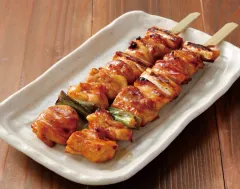
もも貴族焼
鸡腿肉与大葱交替串成的招牌串,可选酱汁、盐或香辣味もも肉とねぎを交互に刺した名物串。たれ・塩・スパイスから選べる
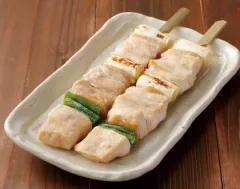
むね貴族焼
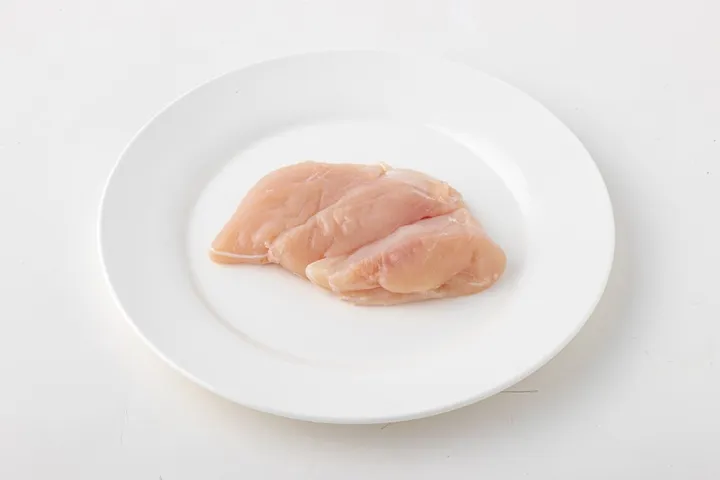
鸡胸肉与大葱交替串成的「贵族烤」,可选酱汁、盐或香辣味むね肉とねぎを交互に刺した貴族焼。たれ・塩・スパイスから選べる
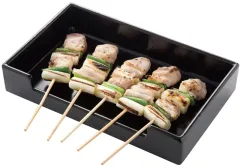
ねぎま
嫩鸡腿肉与大葱交替串成,刷酱汁烤若どりのもも肉とねぎを交互に刺したタレ焼き
展示各店菜单中的叫法与示例。菜品、做法和供应情况可能调整,以门店当日菜单为准。店铺菜品图片来源见完整词典的图片出处。各チェーン店でのメニュー表記例です。季節や店舗により変更となる場合があります。画像出典は菜单词典をご覧ください。