01它是什么,来自哪里?どんな部位?どこから来る?
用日语读一读 · 日本語で読む
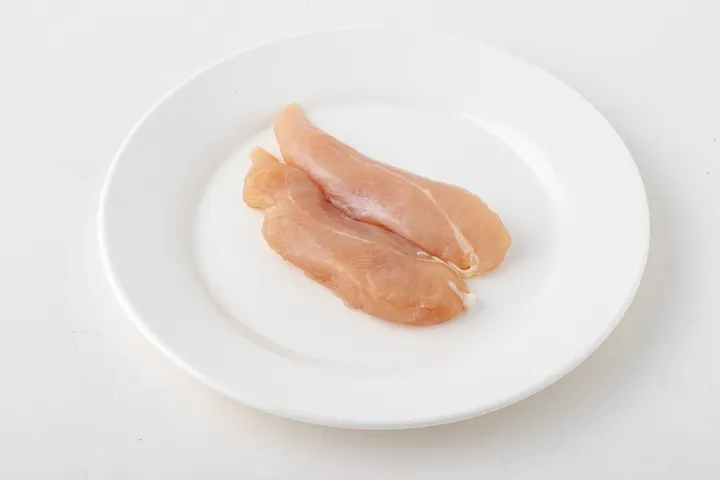
むね肉の内側で胸骨に沿う紡錘形の肉(深胸筋)。1羽に左右2本
The spindle-shaped deep pectoral muscle beneath the breast, along the breastbone; two per bird
中国語・英語の解説を見る
胸肉内侧、沿胸骨的纺锤形肉(深层胸肌),每只鸡左右各一条
The spindle-shaped deep pectoral muscle beneath the breast, along the breastbone; two per bird
02名字背后,还有这些故事。名前の由来とストーリー。
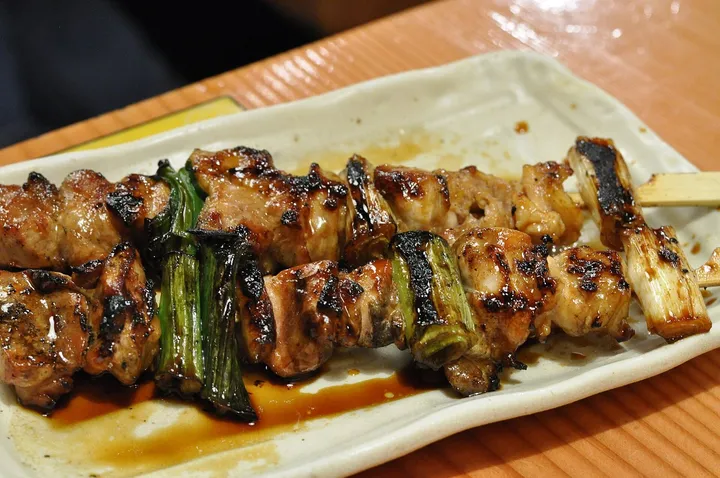
名字来自形似竹叶(写作“笹身”,1859年的歌舞伎中已有用例)。蛋白质多、脂肪不到1%:若鸡生鸡里脊每100克98千卡、蛋白质23.9克、脂肪0.8克。中间贯穿一条筋腱,规格分为带筋、“切筋”和“去筋”三种。烤鸡串有撒盐烤后配山葵的吃法,京桥伊势广(盐轻烤、抹山葵)和鸟贵族(配粗磨山葵)都这样上。
名は形が笹の葉に似ることから(「笹身」、1859年の歌舞伎に用例)。たんぱく質が多く脂肪は1%に満たず、若どりのささみ(生)は100gあたり98kcal・たんぱく質23.9g・脂質0.8g。中央に腱(すじ)が1本通り、規格には腱つき・「すじ切り」・「すじなし」の3区分がある。焼き鳥では塩で焼いてわさびを添える出し方があり、京橋の伊勢廣(塩で軽く焼きワサビをつける)や鳥貴族(わさび粗おろし添え)がこの形で出す。
再挑战一下日语原文 · 日本語で読む
名は形が笹の葉に似ることから(「笹身」、1859年の歌舞伎に用例)。たんぱく質が多く脂肪は1%に満たず、若どりのささみ(生)は100gあたり98kcal・たんぱく質23.9g・脂質0.8g。中央に腱(すじ)が1本通り、規格には腱つき・「すじ切り」・「すじなし」の3区分がある。焼き鳥では塩で焼いてわさびを添える出し方があり、京橋の伊勢廣(塩で軽く焼きワサビをつける)や鳥貴族(わさび粗おろし添え)がこの形で出す。
Named for its bamboo-leaf (sasa) shape – written 笹身 and attested in an 1859 kabuki play. It is high in protein with under 1% fat: raw sasami from young chickens has 98 kcal, 23.9 g protein and 0.8 g fat per 100 g. A single tendon runs through it, and the standard distinguishes tendon-on, scored (sujikiri) and tendon-removed (sujinashi) sasami. One yakitori style is salt-grilled and topped with wasabi, as served at Ise-hiro in Kyōbashi and at Torikizoku.
中国語・英語の原文を見る
名字来自形似竹叶(写作“笹身”,1859年的歌舞伎中已有用例)。蛋白质多、脂肪不到1%:若鸡生鸡里脊每100克98千卡、蛋白质23.9克、脂肪0.8克。中间贯穿一条筋腱,规格分为带筋、“切筋”和“去筋”三种。烤鸡串有撒盐烤后配山葵的吃法,京桥伊势广(盐轻烤、抹山葵)和鸟贵族(配粗磨山葵)都这样上。
Named for its bamboo-leaf (sasa) shape – written 笹身 and attested in an 1859 kabuki play. It is high in protein with under 1% fat: raw sasami from young chickens has 98 kcal, 23.9 g protein and 0.8 g fat per 100 g. A single tendon runs through it, and the standard distinguishes tendon-on, scored (sujikiri) and tendon-removed (sujinashi) sasami. One yakitori style is salt-grilled and topped with wasabi, as served at Ise-hiro in Kyōbashi and at Torikizoku.
03到了店里,它叫什么?お店ではどう呼ばれる?
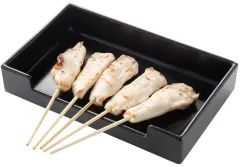
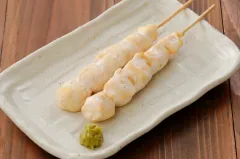
展示各店菜单中的叫法与示例。菜品、做法和供应情况可能调整,以门店当日菜单为准。店铺菜品图片来源见完整词典的图片出处。各チェーン店でのメニュー表記例です。季節や店舗により変更となる場合があります。画像出典は菜单词典をご覧ください。