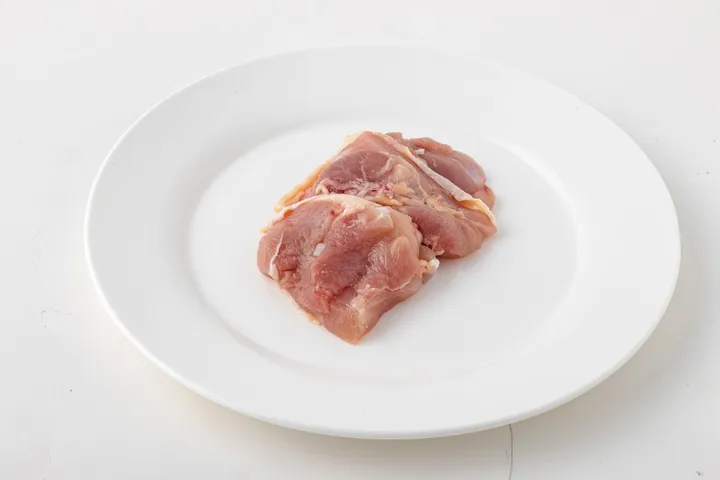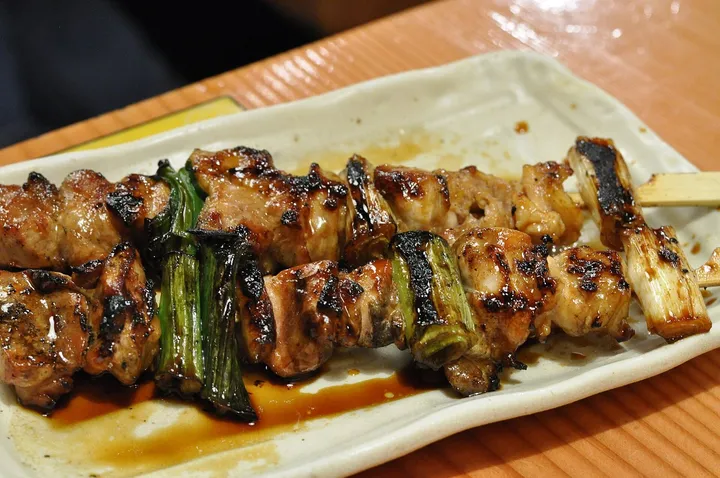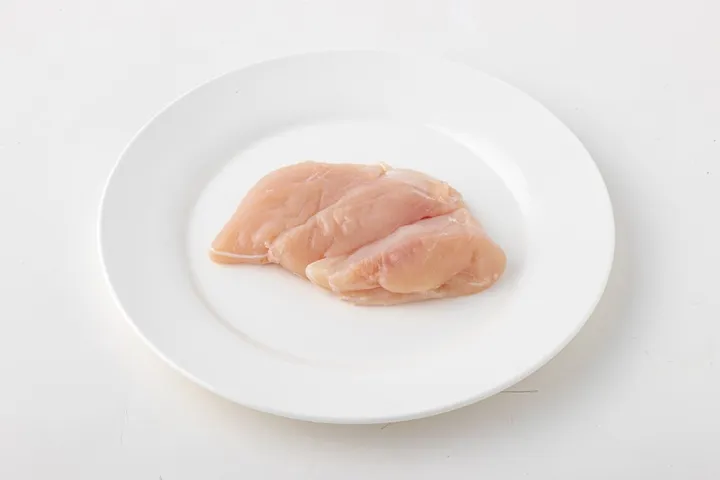
01它是什么,来自哪里?どんな部位?どこから来る?
用日语读一读 · 日本語で読む
首の骨についている肉を切り取ったもの。規格での名は「こにく」(取引規格の「こにくⅠ型」)
Meat cut from the neck bones; the standard's name is koniku (type I in the wholesale standard)
中国語・英語の解説を見る
从鸡脖子骨上剔下的肉;规格中叫“小肉”(こにく,交易规格的“小肉Ⅰ型”)
Meat cut from the neck bones; the standard's name is koniku (type I in the wholesale standard)
02名字背后,还有这些故事。名前の由来とストーリー。
因一只鸡只能取下少量、比较稀少,又叫“小肉”(こにく)。鸡的脖子总在活动,所以肉质紧实,弹牙、鲜味浓,越嚼汁水越多,胶原蛋白也丰富。鸟贵族只做盐烤;京桥伊势广则用颈肉夹住鸡皮,做成“皮身”。
一羽から少量しか取れない希少な部位であることから「小肉(こにく)」とも呼ばれる。鶏は常に首を動かしているため肉質が引き締まり、プリプリした弾力と濃いうま味、噛むほどに出る肉汁が特徴で、コラーゲンも多い。鳥貴族は塩焼きのみで出し、京橋の伊勢廣は首の肉で皮をはさんだ「皮身」に使う。
再挑战一下日语原文 · 日本語で読む
一羽から少量しか取れない希少な部位であることから「小肉(こにく)」とも呼ばれる。鶏は常に首を動かしているため肉質が引き締まり、プリプリした弾力と濃いうま味、噛むほどに出る肉汁が特徴で、コラーゲンも多い。鳥貴族は塩焼きのみで出し、京橋の伊勢廣は首の肉で皮をはさんだ「皮身」に使う。
Because only a little comes from each bird it is also called koniku, “small meat”. Constant neck movement makes the meat firm and springy, with deep flavour, juices that flow as you chew, and plenty of collagen. Torikizoku serves it salt-grilled only, and Ise-hiro in Kyōbashi uses it to sandwich skin in its 皮身 skewer.
中国語・英語の原文を見る
因一只鸡只能取下少量、比较稀少,又叫“小肉”(こにく)。鸡的脖子总在活动,所以肉质紧实,弹牙、鲜味浓,越嚼汁水越多,胶原蛋白也丰富。鸟贵族只做盐烤;京桥伊势广则用颈肉夹住鸡皮,做成“皮身”。
Because only a little comes from each bird it is also called koniku, “small meat”. Constant neck movement makes the meat firm and springy, with deep flavour, juices that flow as you chew, and plenty of collagen. Torikizoku serves it salt-grilled only, and Ise-hiro in Kyōbashi uses it to sandwich skin in its 皮身 skewer.
03到了店里,它叫什么?お店ではどう呼ばれる?
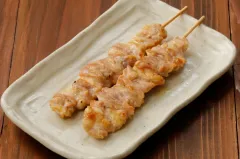
展示各店菜单中的叫法与示例。菜品、做法和供应情况可能调整,以门店当日菜单为准。店铺菜品图片来源见完整词典的图片出处。各チェーン店でのメニュー表記例です。季節や店舗により変更となる場合があります。画像出典は菜单词典をご覧ください。