01它是什么,来自哪里?どんな部位?どこから来る?
用日语读一读 · 日本語で読む
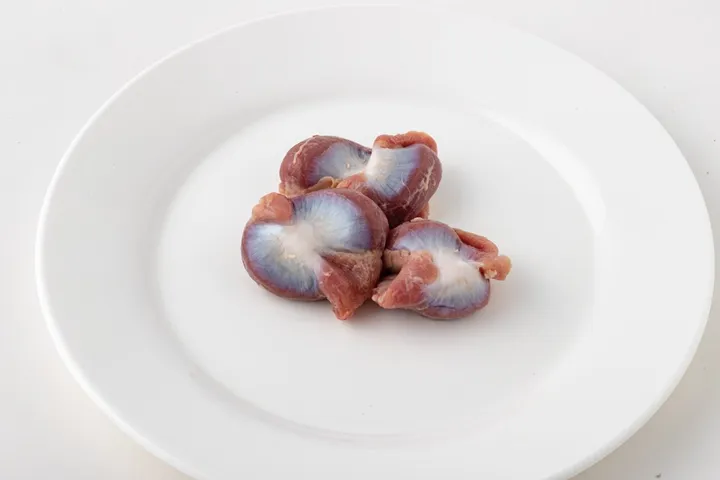
胃の後半部、厚い筋肉でできた筋胃(砂嚢)。規格の「すなぎも」は腺胃と内層を除いた筋胃
The muscular rear stomach (gizzard). In the retail standard, sunagimo is the gizzard with the glandular stomach and inner lining removed
中国語・英語の解説を見る
胃的后半部分、由厚实肌肉构成的肌胃(砂囊);规格中的“砂肝”指去掉腺胃和内层膜的肌胃
The muscular rear stomach (gizzard). In the retail standard, sunagimo is the gizzard with the glandular stomach and inner lining removed
02名字背后,还有这些故事。名前の由来とストーリー。
鸟的胃分为分泌消化液的前胃(腺胃)和其后的肌胃。肌胃有厚实的肌肉层和坚韧的内膜,鸟没有牙齿,靠储存在其中的砂粒把食物磨碎,因此又叫“砂囊”。口感有弹性却一咬就断,味道清淡,每100克(生)86千卡、脂肪1.8克、蛋白质18.3克。别名“砂ぎも”“砂ずり”(据说关西较常用,鸟贵族菜单也写作“砂ずり(砂肝)”),规格中另有去掉筋膜的“去筋砂肝”。
鳥の胃は消化液を出す前胃(腺胃)と、それに続く筋胃に分かれる。筋胃は厚い筋肉層と丈夫な膜をもち、歯のない鳥が飲み込んだ砂粒をためて食物をすりつぶすため「砂嚢(さのう)」(嚢は袋の意)とも呼ばれる。弾力があるのにさっくり噛み切れる淡白な部位で、100gあたり86kcal・脂質1.8g・たんぱく質18.3g(生)。別名「砂ぎも」「砂ずり」(主に関西で多いといわれ、鳥貴族も「砂ずり(砂肝)」と書く)で、規格には腱質を除いた「すなぎも(すじなし)」もある。
再挑战一下日语原文 · 日本語で読む
鳥の胃は消化液を出す前胃(腺胃)と、それに続く筋胃に分かれる。筋胃は厚い筋肉層と丈夫な膜をもち、歯のない鳥が飲み込んだ砂粒をためて食物をすりつぶすため「砂嚢(さのう)」(嚢は袋の意)とも呼ばれる。弾力があるのにさっくり噛み切れる淡白な部位で、100gあたり86kcal・脂質1.8g・たんぱく質18.3g(生)。別名「砂ぎも」「砂ずり」(主に関西で多いといわれ、鳥貴族も「砂ずり(砂肝)」と書く)で、規格には腱質を除いた「すなぎも(すじなし)」もある。
A bird's stomach has two parts: the glandular proventriculus, which secretes digestive juices, and the muscular gizzard behind it. Birds have no teeth, so the gizzard – thick-walled with a tough lining – stores swallowed grit to grind food, hence its other name sanō, “sand bag”. Springy yet clean to bite and mild in taste, it has 86 kcal, 1.8 g fat and 18.3 g protein per 100 g (raw). It is also called sunazuri, said to be commoner in Kansai (Torikizoku writes “sunazuri (sunagimo)”), and the standard also lists sunagimo with the tough sinew removed (sujinashi).
中国語・英語の原文を見る
鸟的胃分为分泌消化液的前胃(腺胃)和其后的肌胃。肌胃有厚实的肌肉层和坚韧的内膜,鸟没有牙齿,靠储存在其中的砂粒把食物磨碎,因此又叫“砂囊”。口感有弹性却一咬就断,味道清淡,每100克(生)86千卡、脂肪1.8克、蛋白质18.3克。别名“砂ぎも”“砂ずり”(据说关西较常用,鸟贵族菜单也写作“砂ずり(砂肝)”),规格中另有去掉筋膜的“去筋砂肝”。
A bird's stomach has two parts: the glandular proventriculus, which secretes digestive juices, and the muscular gizzard behind it. Birds have no teeth, so the gizzard – thick-walled with a tough lining – stores swallowed grit to grind food, hence its other name sanō, “sand bag”. Springy yet clean to bite and mild in taste, it has 86 kcal, 1.8 g fat and 18.3 g protein per 100 g (raw). It is also called sunazuri, said to be commoner in Kansai (Torikizoku writes “sunazuri (sunagimo)”), and the standard also lists sunagimo with the tough sinew removed (sujinashi).
03到了店里,它叫什么?お店ではどう呼ばれる?
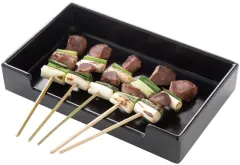
すなぎも
母鸡的鸡胗与大葱交替串成,盐烤メス鶏の砂肝とねぎを交互に刺した塩焼き
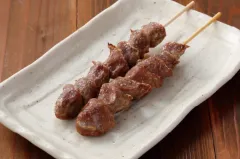
砂ずり(砂肝)
「砂ずり」是鸡胗(砂肝)的别名;盐烤,口感脆「砂ずり」は砂肝の別名。コリコリした食感の塩焼き
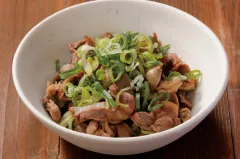
ホルモンねぎ盛ポン酢
鸡胗、鸡心等鸡杂铺上葱花、浇橙醋的小菜砂肝やハツなど鶏のホルモンにねぎを盛り、ポン酢をかけた小鉢
展示各店菜单中的叫法与示例。菜品、做法和供应情况可能调整,以门店当日菜单为准。店铺菜品图片来源见完整词典的图片出处。各チェーン店でのメニュー表記例です。季節や店舗により変更となる場合があります。画像出典は菜单词典をご覧ください。