01它是什么,来自哪里?どんな部位?どこから来る?
用日语读一读 · 日本語で読む
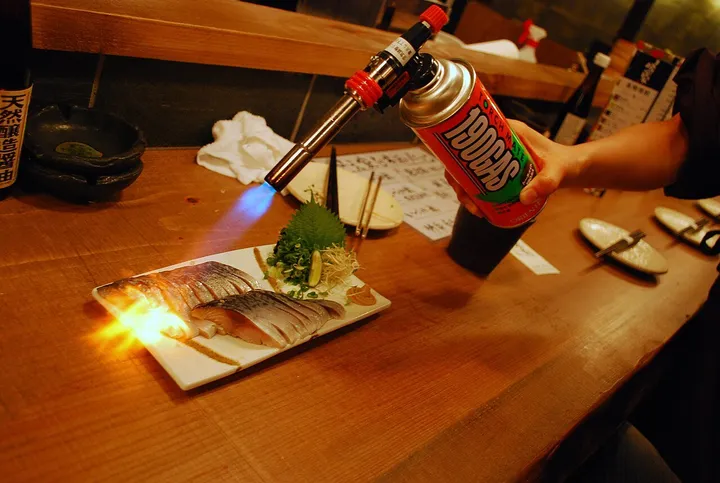
ネタや切り身の表面だけを直火やガスバーナーで焼いたもの
Fish or a sushi topping seared on the surface only, over a flame or with a gas torch
中国語・英語の解説を見る
只用明火或喷枪把鱼肉、寿司料的表面烤一下
Fish or a sushi topping seared on the surface only, over a flame or with a gas torch
02名字背后,还有这些故事。名前の由来とストーリー。
“炙る”意为用火烤,尤指把食物烤到微焦。日本料理中有“焼き霜”技法:用明火炙烤鱼皮一面后立刻浸冷水,可去腥、去多余油脂并增香,常用于真鲷、六线鱼、海鳗,鲣鱼“たたき”也属此法(浇开水的做法叫“湯霜”“皮霜”)。回转寿司还有“炙り豚とろ”(炙烤猪颈肉)、“炙りえびマヨ”(炙烤蛋黄酱虾,はま寿司)、“あぶりチーズサーモン”(炙烤芝士三文鱼,くら寿司)等非鱼类或加芝士、蛋黄酱的炙烤寿司,写法也有汉字“炙り”和平假名“あぶり”之分。
「あぶる」は火で焼くこと、特に食べ物をほどよく焦がすことをいう。和食には、魚の皮目を直火であぶってすぐ冷水で冷ます「焼き霜」があり、生臭みと余分な脂を除いて風味を増す技法としてタイ・アイナメ・ハモなどに使われ、カツオのたたきもこの手法による(熱湯をかける方法は「湯霜」「皮霜」)。回転寿司には「炙り豚とろ」「炙りえびマヨ」(はま寿司)、「あぶりチーズサーモン」(くら寿司)のように、魚以外のネタやチーズ・マヨネーズを炙ったすしも並び、表記も「炙り」「あぶり」と店によって異なる。
再挑战一下日语原文 · 日本語で読む
「あぶる」は火で焼くこと、特に食べ物をほどよく焦がすことをいう。和食には、魚の皮目を直火であぶってすぐ冷水で冷ます「焼き霜」があり、生臭みと余分な脂を除いて風味を増す技法としてタイ・アイナメ・ハモなどに使われ、カツオのたたきもこの手法による(熱湯をかける方法は「湯霜」「皮霜」)。回転寿司には「炙り豚とろ」「炙りえびマヨ」(はま寿司)、「あぶりチーズサーモン」(くら寿司)のように、魚以外のネタやチーズ・マヨネーズを炙ったすしも並び、表記も「炙り」「あぶり」と店によって異なる。
Aburu means to roast over a flame, especially to char food lightly. Classic Japanese cooking has yakishimo: the skin side of a fish is seared over direct flame and plunged into cold water, removing fishy smells and excess fat while adding aroma; it is used for sea bream, greenling and pike conger, and katsuo no tataki is made the same way (pouring boiling water over the skin instead is yushimo or kawashimo). Conveyor-belt chains also sear non-fish toppings and mayo or cheese, as in Hama-zushi’s 炙り豚とろ (pork jowl) and 炙りえびマヨ (shrimp with mayonnaise) or Kura Sushi’s あぶりチーズサーモン, and spell the word either 炙り or あぶり.
中国語・英語の原文を見る
“炙る”意为用火烤,尤指把食物烤到微焦。日本料理中有“焼き霜”技法:用明火炙烤鱼皮一面后立刻浸冷水,可去腥、去多余油脂并增香,常用于真鲷、六线鱼、海鳗,鲣鱼“たたき”也属此法(浇开水的做法叫“湯霜”“皮霜”)。回转寿司还有“炙り豚とろ”(炙烤猪颈肉)、“炙りえびマヨ”(炙烤蛋黄酱虾,はま寿司)、“あぶりチーズサーモン”(炙烤芝士三文鱼,くら寿司)等非鱼类或加芝士、蛋黄酱的炙烤寿司,写法也有汉字“炙り”和平假名“あぶり”之分。
Aburu means to roast over a flame, especially to char food lightly. Classic Japanese cooking has yakishimo: the skin side of a fish is seared over direct flame and plunged into cold water, removing fishy smells and excess fat while adding aroma; it is used for sea bream, greenling and pike conger, and katsuo no tataki is made the same way (pouring boiling water over the skin instead is yushimo or kawashimo). Conveyor-belt chains also sear non-fish toppings and mayo or cheese, as in Hama-zushi’s 炙り豚とろ (pork jowl) and 炙りえびマヨ (shrimp with mayonnaise) or Kura Sushi’s あぶりチーズサーモン, and spell the word either 炙り or あぶり.
03到了店里,它叫什么?お店ではどう呼ばれる?
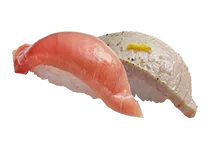
厳選まぐろ中とろ食べ比べ(中とろ・炙りゆず塩)
一盘同时品尝精选金枪鱼中腹的原味与炙烤柚子盐两种吃法厳選まぐろの中とろを、そのままと炙りゆず塩の2種で食べ比べる1皿
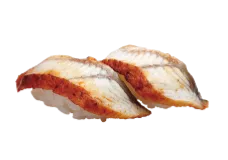
炙りうなぎ
炙烤鳗鱼握寿司(中国产)炙ったうなぎのにぎり(中国産)
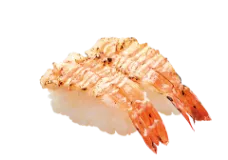
炙りえびマヨ
虾上放蛋黄酱后炙烤的握寿司えびにマヨネーズをのせて炙ったにぎり
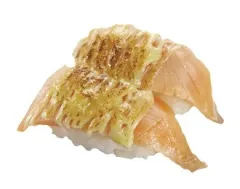
あぶりチーズサーモン
三文鱼铺上芝士后炙烤的握寿司サーモンにチーズをのせて炙ったにぎり
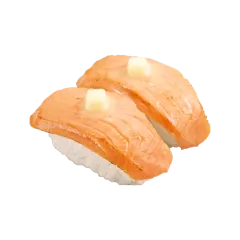
炙りサーモンバター醤油
炙烤三文鱼放上黄油、用酱油调味的握寿司炙ったサーモンにバターをのせ、醤油で味付けしたにぎり
展示各店菜单中的叫法与示例。菜品、做法和供应情况可能调整,以门店当日菜单为准。店铺菜品图片来源见完整词典的图片出处。各チェーン店でのメニュー表記例です。季節や店舗により変更となる場合があります。画像出典は菜单词典をご覧ください。