01它是什么,来自哪里?どんな部位?どこから来る?
用日语读一读 · 日本語で読む
醤油、または醤油・酒・みりんのたれに漬け込んだマグロの赤身などのネタ
Lean tuna or other fish steeped in soy sauce or a soy–sake–mirin marinade
中国語・英語の解説を見る
用酱油或酱油、酒、味醂调成的汁腌过的金枪鱼赤身等寿司料
Lean tuna or other fish steeped in soy sauce or a soy–sake–mirin marinade
02名字背后,还有这些故事。名前の由来とストーリー。
这是寿司店的行话,原指金枪鱼赤身寿司。天保7—8年(1836—37年)前后金枪鱼大丰收,金枪鱼从此成为握寿司的代表性食材;明治初年从三陆地区运金枪鱼时,因为没有冷冻设备,便用酱油腌着运来,“づけ”之名据说由此而来。如今指把金枪鱼、鲣鱼等浸在酱油、酒、味醂调的汁里腌制的寿司料;八丈岛的乡土料理“岛寿司”也是用酱油汁腌鱼再捏成寿司,并以黄芥末代替山葵。
すし屋の隠語で、もとはマグロの赤身のすしを「づけ」と呼んだ。天保7〜8年(1836〜37)ごろの大漁を機にマグロが握りの代表的なネタになり、明治初年に三陸から取り寄せる際、冷凍設備がないため醤油漬けにして送ったのが名の由来とされる。現在は醤油・酒・みりんのたれにマグロやカツオなどを漬けたものをいい、八丈島の郷土料理「島ずし」も、醤油ベースのたれに漬けた魚をワサビの代わりにからしを添えて握る。
再挑战一下日语原文 · 日本語で読む
すし屋の隠語で、もとはマグロの赤身のすしを「づけ」と呼んだ。天保7〜8年(1836〜37)ごろの大漁を機にマグロが握りの代表的なネタになり、明治初年に三陸から取り寄せる際、冷凍設備がないため醤油漬けにして送ったのが名の由来とされる。現在は醤油・酒・みりんのたれにマグロやカツオなどを漬けたものをいい、八丈島の郷土料理「島ずし」も、醤油ベースのたれに漬けた魚をワサビの代わりにからしを添えて握る。
Zuke began as sushi-bar slang for lean-tuna nigiri. Tuna only became a leading nigiri topping after a huge catch around 1836–37, and in the early Meiji era, with no freezing facilities, tuna brought in from the Sanriku coast was shipped steeped in soy sauce, which is said to be the origin of the name. Today it means tuna, bonito or similar steeped in a soy, sake and mirin marinade; Hachijō Island’s shimazushi likewise uses soy-marinated fish, with hot mustard in place of wasabi.
中国語・英語の原文を見る
这是寿司店的行话,原指金枪鱼赤身寿司。天保7—8年(1836—37年)前后金枪鱼大丰收,金枪鱼从此成为握寿司的代表性食材;明治初年从三陆地区运金枪鱼时,因为没有冷冻设备,便用酱油腌着运来,“づけ”之名据说由此而来。如今指把金枪鱼、鲣鱼等浸在酱油、酒、味醂调的汁里腌制的寿司料;八丈岛的乡土料理“岛寿司”也是用酱油汁腌鱼再捏成寿司,并以黄芥末代替山葵。
Zuke began as sushi-bar slang for lean-tuna nigiri. Tuna only became a leading nigiri topping after a huge catch around 1836–37, and in the early Meiji era, with no freezing facilities, tuna brought in from the Sanriku coast was shipped steeped in soy sauce, which is said to be the origin of the name. Today it means tuna, bonito or similar steeped in a soy, sake and mirin marinade; Hachijō Island’s shimazushi likewise uses soy-marinated fish, with hot mustard in place of wasabi.
03到了店里,它叫什么?お店ではどう呼ばれる?
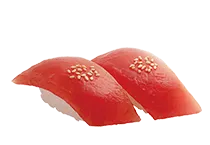
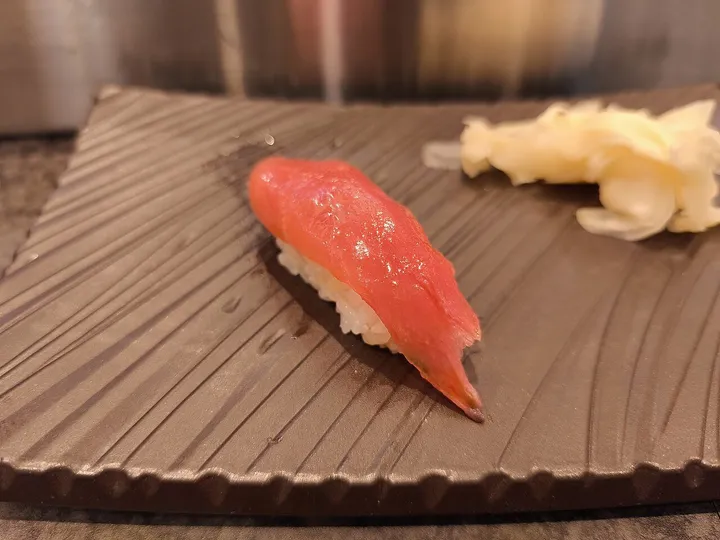
特製漬けまぐろ
用特制酱汁腌渍金枪鱼做成的「漬け」握寿司,撒白芝麻;官网中文名「特制腌渍金枪鱼」まぐろを特製の漬けダレに漬けた「漬け」のにぎり。白ごまをのせる
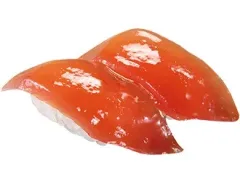
熟成漬けまぐろ
将熟成金枪鱼浸入酱油汁做成的「漬け」握寿司熟成まぐろを醤油だれに漬けた「漬け」のにぎり
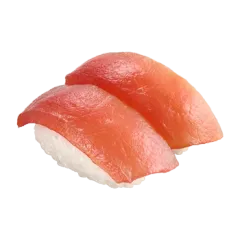
厳選まぐろ赤身 煮切り醤油漬け
把精选金枪鱼赤身浸入煮切酱油(加了煮去酒精的清酒、味醂的酱油)做成的「漬け」厳選まぐろ赤身を煮切り醤油(煮切った酒・みりんを合わせた醤油)に漬けた「漬け」
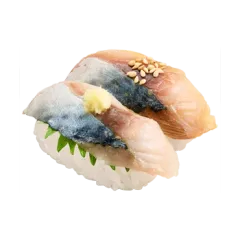
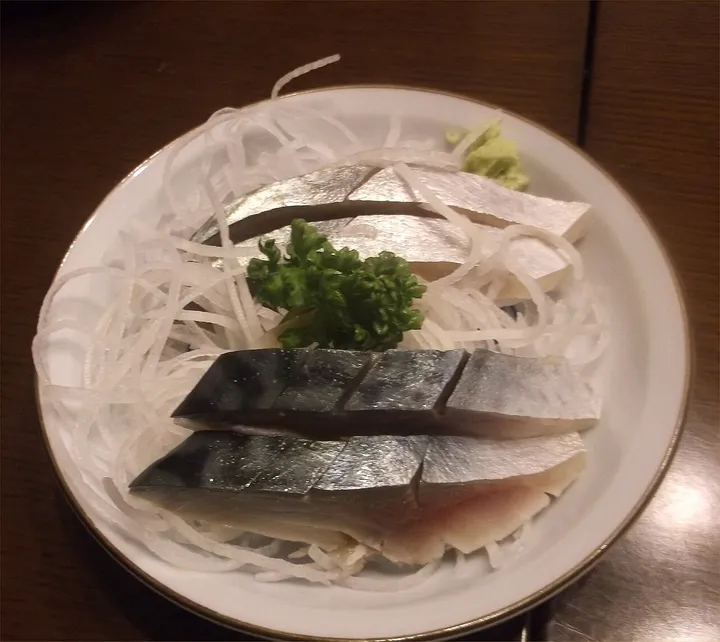
天然さば食べ比べ
一盘同时品尝野生鲭鱼的原味与「漬け」(酱汁腌渍)两种(期间限定)天然さばの「さば」と「漬け」を1皿で食べ比べる(期間限定)
展示各店菜单中的叫法与示例。菜品、做法和供应情况可能调整,以门店当日菜单为准。店铺菜品图片来源见完整词典的图片出处。各チェーン店でのメニュー表記例です。季節や店舗により変更となる場合があります。画像出典は菜单词典をご覧ください。