01它是什么,来自哪里?どんな部位?どこから来る?
用日语读一读 · 日本語で読む
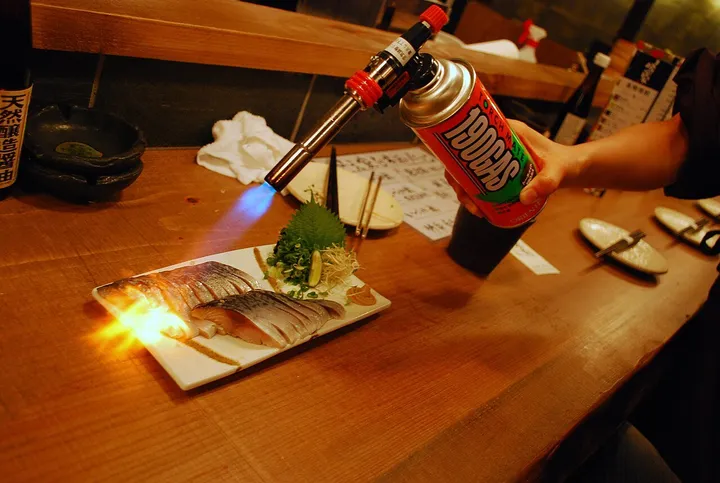
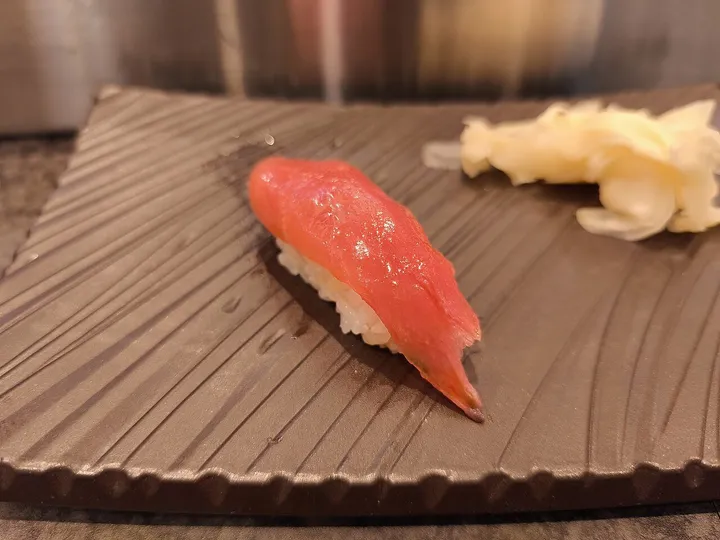
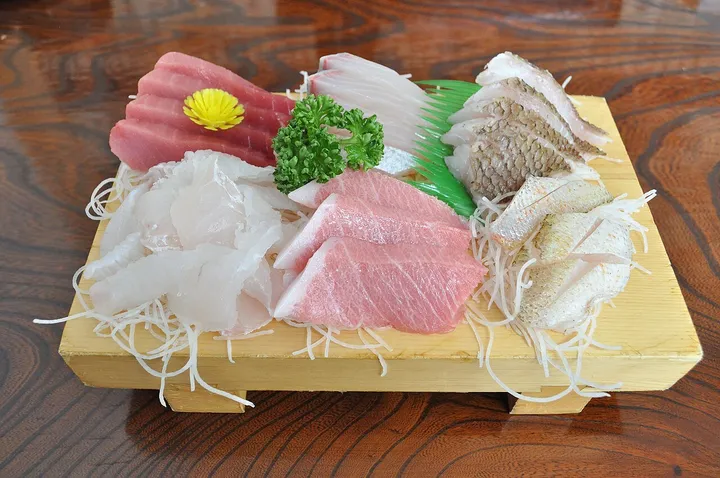
新鮮な魚介を生のまま薄く、または小さく切ったもの。すし飯は付かない
Fresh raw fish or shellfish cut into slices or pieces, served without rice
中国語・英語の解説を見る
把新鲜鱼贝生着切成薄片或小块,不配饭
Fresh raw fish or shellfish cut into slices or pieces, served without rice
02名字背后,还有这些故事。名前の由来とストーリー。
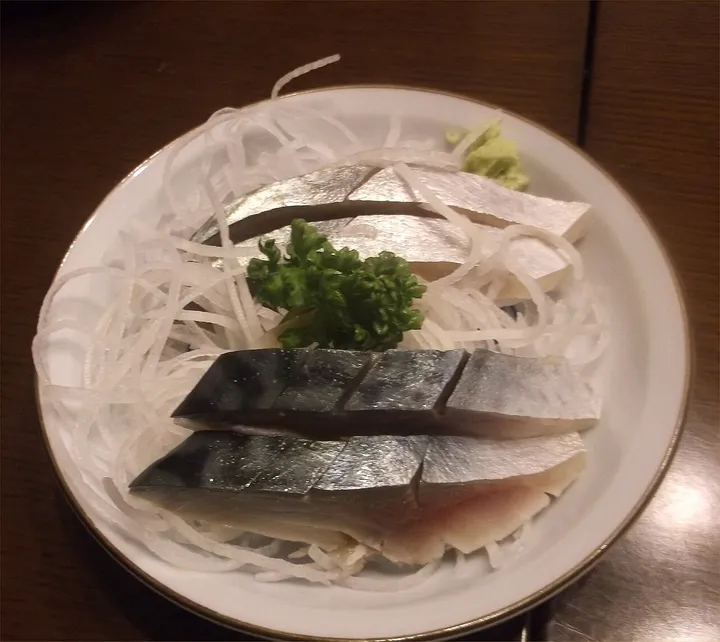
古时也写作“指身”“差味”,文献中较早的例子是《铃鹿家记》应永6年(1399)条的“指身 鲤、煎酒、山葵”。名称由来有两说:一说为了分辨是什么鱼,把鱼鳍插在切片上;一说忌讳“切”字而改称“刺”,并无定论。切法有平造、丝造、角造,以及河豚、比目鱼等用的薄造等,做刺身不说“切”而说“引”。通常配萝卜丝等“けん”、紫苏叶等“つま”以及山葵等佐料,也叫“お造り”“作り身”。
古くは「指身」「差味」とも書き、文献に見える古い例は『鈴鹿家記』応永6年(1399)の「指身 鯉,イリ酒,ワサビ」。名の由来は、何の魚か分かるようにひれを刺しておいたからとも、「切る」を忌んで「刺す」と言い換えたからともいわれ、定説はない。切り方には平造り・糸造り・角造り、フグやヒラメなどに使う薄造りなどがあり、刺身を作ることは「切る」ではなく「引く」という。
大根などの「けん」、大葉などの「つま」、わさびなどの薬味を添え、「お造り」「作り身」とも呼ぶ。
再挑战一下日语原文 · 日本語で読む
古くは「指身」「差味」とも書き、文献に見える古い例は『鈴鹿家記』応永6年(1399)の「指身 鯉,イリ酒,ワサビ」。名の由来は、何の魚か分かるようにひれを刺しておいたからとも、「切る」を忌んで「刺す」と言い換えたからともいわれ、定説はない。切り方には平造り・糸造り・角造り、フグやヒラメなどに使う薄造りなどがあり、刺身を作ることは「切る」ではなく「引く」という。大根などの「けん」、大葉などの「つま」、わさびなどの薬味を添え、「お造り」「作り身」とも呼ぶ。
Older spellings include 指身 and 差味; an early record is the Suzuka-ke ki entry for 1399: “sashimi of carp, with irizake and wasabi”. The name is said to come either from sticking the fish’s fin on the slices to show the species, or from avoiding the ill-omened word kiru (cut) in favour of sasu (pierce); there is no settled answer. Cuts include hira-zukuri (flat slices), ito-zukuri (threads), kaku-zukuri (cubes) and usu-zukuri (paper-thin, for fugu or flounder), and chefs say they “pull” (hiku) rather than cut sashimi. It comes with ken (shredded daikon etc.), tsuma (shiso leaves etc.) and a pungent condiment such as wasabi, and is also called otsukuri.
中国語・英語の原文を見る
古时也写作“指身”“差味”,文献中较早的例子是《铃鹿家记》应永6年(1399)条的“指身 鲤、煎酒、山葵”。名称由来有两说:一说为了分辨是什么鱼,把鱼鳍插在切片上;一说忌讳“切”字而改称“刺”,并无定论。切法有平造、丝造、角造,以及河豚、比目鱼等用的薄造等,做刺身不说“切”而说“引”。通常配萝卜丝等“けん”、紫苏叶等“つま”以及山葵等佐料,也叫“お造り”“作り身”。
Older spellings include 指身 and 差味; an early record is the Suzuka-ke ki entry for 1399: “sashimi of carp, with irizake and wasabi”. The name is said to come either from sticking the fish’s fin on the slices to show the species, or from avoiding the ill-omened word kiru (cut) in favour of sasu (pierce); there is no settled answer. Cuts include hira-zukuri (flat slices), ito-zukuri (threads), kaku-zukuri (cubes) and usu-zukuri (paper-thin, for fugu or flounder), and chefs say they “pull” (hiku) rather than cut sashimi. It comes with ken (shredded daikon etc.), tsuma (shiso leaves etc.) and a pungent condiment such as wasabi, and is also called otsukuri.