01它是什么,来自哪里?どんな部位?どこから来る?
用日语读一读 · 日本語で読む
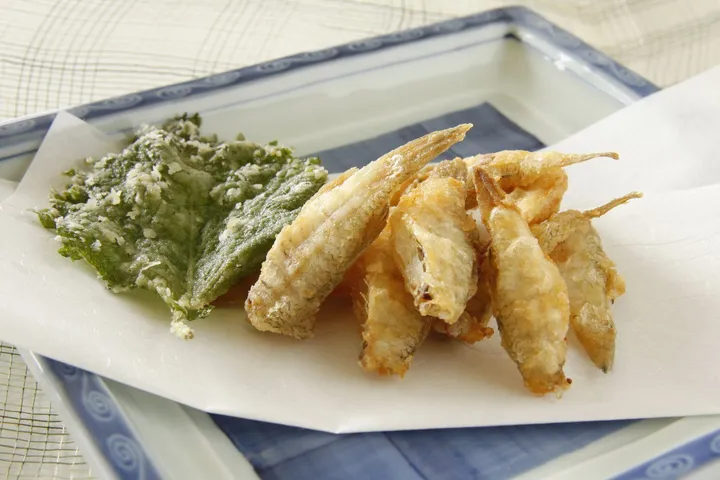
小麦粉やかたくり粉を薄くまぶして、または何もつけずに油で揚げたもの
Food dusted lightly with flour or potato starch, or left bare, and deep-fried
中国語・英語の解説を見る
薄薄拍上面粉或淀粉(或什么都不裹)直接油炸
Food dusted lightly with flour or potato starch, or left bare, and deep-fried
02名字背后,还有这些故事。名前の由来とストーリー。
名称一说意为“唐(中国)式的炸物”,一说是不挂面衣的“空扬”,两种写法都有人用。鱼类的唐扬,是给竹荚鱼、沙鮻、虾虎鱼、香鱼、鲫鱼等小鱼厚厚拍上面粉和淀粉,高温快炸后再复炸一次,这样从头到尾连骨头都能吃。把竹荚鱼、沙鮻、星鳗等的中骨直接下锅炸,叫“骨煎饼”(骨せんべい)。
「唐(中国)風の揚げ物」の意とする説と、衣をつけない「空揚げ」の意とする説があり、どちらの表記も使われる。魚では、アジ・キス・ハゼ・アユ・フナなどの小魚に小麦粉とかたくり粉を厚めにまぶし、高温でさっと揚げてから二度揚げすると、頭から尾まで骨ごと食べられる。アジ・キス・アナゴなどの中骨を素揚げにしたものは「骨せんべい」という。
再挑战一下日语原文 · 日本語で読む
「唐(中国)風の揚げ物」の意とする説と、衣をつけない「空揚げ」の意とする説があり、どちらの表記も使われる。魚では、アジ・キス・ハゼ・アユ・フナなどの小魚に小麦粉とかたくり粉を厚めにまぶし、高温でさっと揚げてから二度揚げすると、頭から尾まで骨ごと食べられる。アジ・キス・アナゴなどの中骨を素揚げにしたものは「骨せんべい」という。
One view reads the name as “Tang (Chinese)-style frying”, another as kara-age, “empty frying” without batter; both spellings, 唐揚げ and 空揚げ, are used, and Merriam-Webster follows the “empty” etymology. Small fish such as aji, kisu, goby, ayu or crucian carp are coated fairly thickly with flour and potato starch, fried briefly at high heat and then fried a second time so they can be eaten bones and all, head to tail. Backbones of aji, kisu or anago fried bare are called hone senbei, “bone crackers”.
中国語・英語の原文を見る
名称一说意为“唐(中国)式的炸物”,一说是不挂面衣的“空扬”,两种写法都有人用。鱼类的唐扬,是给竹荚鱼、沙鮻、虾虎鱼、香鱼、鲫鱼等小鱼厚厚拍上面粉和淀粉,高温快炸后再复炸一次,这样从头到尾连骨头都能吃。把竹荚鱼、沙鮻、星鳗等的中骨直接下锅炸,叫“骨煎饼”(骨せんべい)。
One view reads the name as “Tang (Chinese)-style frying”, another as kara-age, “empty frying” without batter; both spellings, 唐揚げ and 空揚げ, are used, and Merriam-Webster follows the “empty” etymology. Small fish such as aji, kisu, goby, ayu or crucian carp are coated fairly thickly with flour and potato starch, fried briefly at high heat and then fried a second time so they can be eaten bones and all, head to tail. Backbones of aji, kisu or anago fried bare are called hone senbei, “bone crackers”.
03到了店里,它叫什么?お店ではどう呼ばれる?
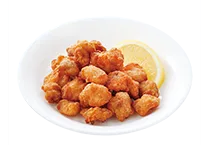
なんこつのから揚げ
炸鸡软骨(巴西、泰国、日本产),配柠檬;官网中文名「炸鸡软骨」鶏の軟骨(なんこつ)のから揚げ(ブラジル・タイ・日本産)。レモン付き
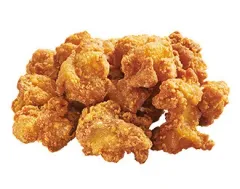
なんこつ唐揚げ
炸鸡软骨(中国产等)鶏の軟骨(なんこつ)の唐揚げ(中国産など)
展示各店菜单中的叫法与示例。菜品、做法和供应情况可能调整,以门店当日菜单为准。店铺菜品图片来源见完整词典的图片出处。各チェーン店でのメニュー表記例です。季節や店舗により変更となる場合があります。画像出典は菜单词典をご覧ください。