01它是什么,来自哪里?どんな部位?どこから来る?
用日语读一读 · 日本語で読む
第一胃に続く2番目の胃(網胃・蜂巣胃)
The second stomach, next to the rumen (reticulum)
中国語・英語の解説を見る
紧接第一胃的第二个胃(网胃、蜂巢胃)
The second stomach, next to the rumen (reticulum)
02名字背后,还有这些故事。名前の由来とストーリー。
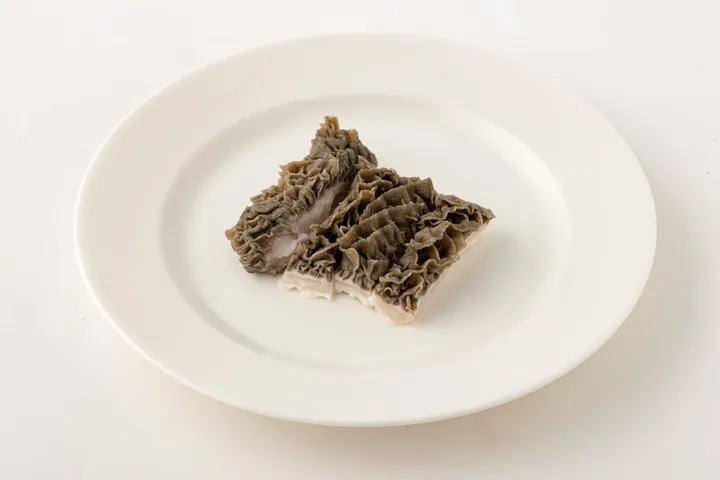
胃壁的褶皱围成一个个四到六边形的小格,看上去像蜂巢,因而得名;动物学上也叫“蜂巢胃”“网胃”。反刍时,正是它把吃下的食物揉成团送回口中。在牛胃中口味清淡,多用于炖菜和串烤内脏,意大利菜里叫 trippa。
胃壁のひだが四〜六角形の小部屋をつくり蜂の巣のように見えることからの名で、学術的にも「蜂巣胃」「網胃」と呼ぶ。反芻のとき、食べた物を丸めて口へ戻す働きをする胃である。胃の中ではあっさりした味わいで、煮込み料理やもつ焼きに使われ、イタリア料理ではトリッパ(trippa)と呼ばれる。
再挑战一下日语原文 · 日本語で読む
胃壁のひだが四〜六角形の小部屋をつくり蜂の巣のように見えることからの名で、学術的にも「蜂巣胃」「網胃」と呼ぶ。反芻のとき、食べた物を丸めて口へ戻す働きをする胃である。胃の中ではあっさりした味わいで、煮込み料理やもつ焼きに使われ、イタリア料理ではトリッパ(trippa)と呼ばれる。
Its wall is ridged into four- to six-sided cells like a honeycomb, hence the name; zoologists likewise call it the honeycomb stomach or reticulum. During rumination it is the stomach that rolls food into a bolus and sends it back up to the mouth. Mild in flavour for a stomach, it goes into stews and offal skewers, and is the trippa of Italian cooking.
中国語・英語の原文を見る
胃壁的褶皱围成一个个四到六边形的小格,看上去像蜂巢,因而得名;动物学上也叫“蜂巢胃”“网胃”。反刍时,正是它把吃下的食物揉成团送回口中。在牛胃中口味清淡,多用于炖菜和串烤内脏,意大利菜里叫 trippa。
Its wall is ridged into four- to six-sided cells like a honeycomb, hence the name; zoologists likewise call it the honeycomb stomach or reticulum. During rumination it is the stomach that rolls food into a bolus and sends it back up to the mouth. Mild in flavour for a stomach, it goes into stews and offal skewers, and is the trippa of Italian cooking.