01它是什么,来自哪里?どんな部位?どこから来る?
用日语读一读 · 日本語で読む
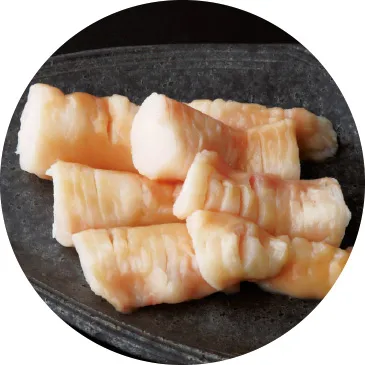
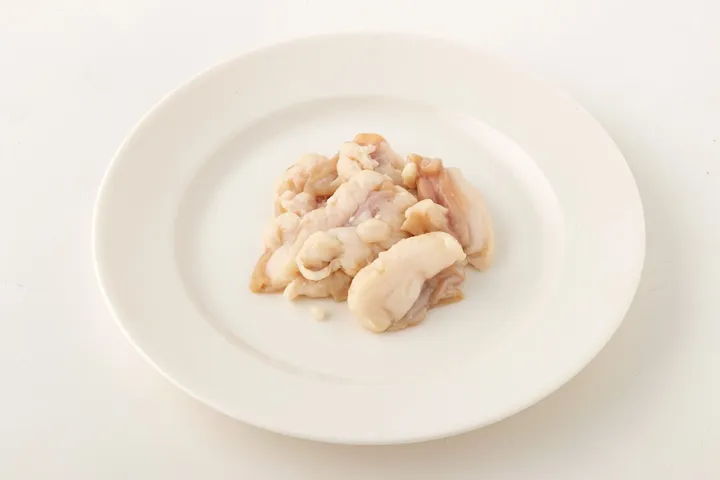
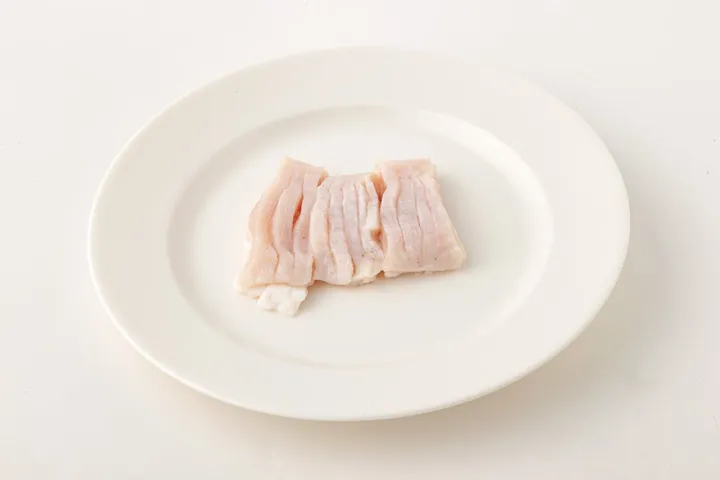
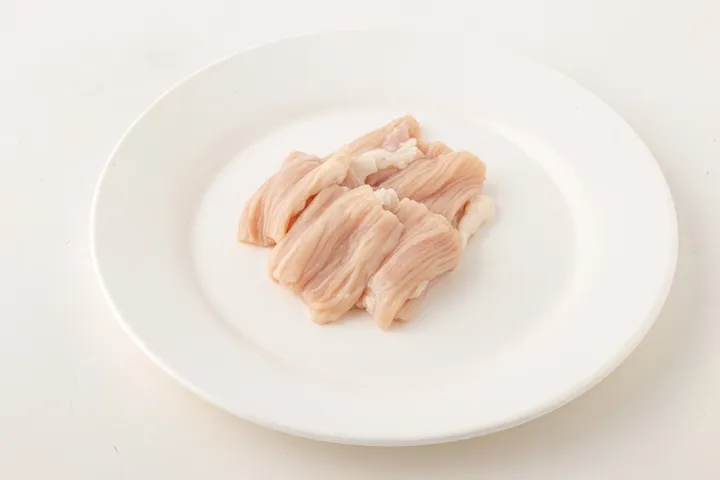
大腸(小腸の末端から直腸までの管)を切り開いて平らにしたもの
The large intestine (the tube from the end of the small intestine to the rectum), slit open and laid flat
中国語・英語の解説を見る
大肠(从小肠末端到直肠的一段管道),剖开后摊平
The large intestine (the tube from the end of the small intestine to the rectum), slit open and laid flat
02名字背后,还有这些故事。名前の由来とストーリー。
名字来自表面的条纹(「縞」,读 shima);关西又叫「テッチャン」,源自韩语 대창(大肠)。牛大肠是一条长约10.7米、直径约7.6厘米的管子,洗净后剖开摊平,烤肉用的切成3–4厘米(美国肉类出口协会)。比小肠厚、硬,嚼起来脆韧,附着的脂肪带甜味。日本畜产副产物协会推广的部位标示把它写作「シマチョウ(ダイチョウ)」。
表面に縞(しま)模様があることからの名で、関西では韓国語 대창(テチャン=大腸)に由来する「テッチャン」とも呼ぶ。牛の大腸は長さ約10.7m・直径約7.6cmの管で、洗浄後に切り開いて平らにし、焼肉用には3〜4cmに切る(米国食肉輸出連合会)。小腸より厚くてかたく、コリコリした歯ごたえと甘みのある付着脂肪が持ち味。日本畜産副産物協会が普及を図る部位表示での名称は「シマチョウ(ダイチョウ)」。
再挑战一下日语原文 · 日本語で読む
表面に縞(しま)模様があることからの名で、関西では韓国語 대창(テチャン=大腸)に由来する「テッチャン」とも呼ぶ。牛の大腸は長さ約10.7m・直径約7.6cmの管で、洗浄後に切り開いて平らにし、焼肉用には3〜4cmに切る(米国食肉輸出連合会)。小腸より厚くてかたく、コリコリした歯ごたえと甘みのある付着脂肪が持ち味。日本畜産副産物協会が普及を図る部位表示での名称は「シマチョウ(ダイチョウ)」。
Named for the stripes (shima) on its surface; in Kansai it is also tetchan, from Korean daechang, “large intestine”. A beef large intestine is a tube about 10.7 m long and 7.6 cm across; after cleaning it is slit open and laid flat, then cut into 3–4 cm pieces for yakiniku (U.S. Meat Export Federation). Thicker and firmer than the small intestine, it is prized for its springy chew and the sweet fat clinging to it. The parts labelling promoted by the Japan Animal By-products Association lists it as “shimachō (daichō)”.
中国語・英語の原文を見る
名字来自表面的条纹(「縞」,读 shima);关西又叫「テッチャン」,源自韩语 대창(大肠)。牛大肠是一条长约10.7米、直径约7.6厘米的管子,洗净后剖开摊平,烤肉用的切成3–4厘米(美国肉类出口协会)。比小肠厚、硬,嚼起来脆韧,附着的脂肪带甜味。日本畜产副产物协会推广的部位标示把它写作「シマチョウ(ダイチョウ)」。
Named for the stripes (shima) on its surface; in Kansai it is also tetchan, from Korean daechang, “large intestine”. A beef large intestine is a tube about 10.7 m long and 7.6 cm across; after cleaning it is slit open and laid flat, then cut into 3–4 cm pieces for yakiniku (U.S. Meat Export Federation). Thicker and firmer than the small intestine, it is prized for its springy chew and the sweet fat clinging to it. The parts labelling promoted by the Japan Animal By-products Association lists it as “shimachō (daichō)”.
03到了店里,它叫什么?お店ではどう呼ばれる?
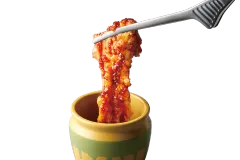
韓式ヤンニョムだれ 壺漬け一本シマチョウ
用甜辣的韩式调味酱(yangnyeom)腌渍的牛大肠甘辛いヤンニョムだれ(韓国式の合わせだれ)に漬け込んだシマチョウ(牛の大腸)
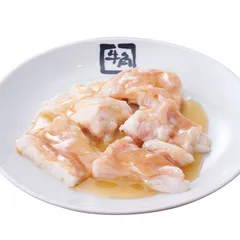
シマチョウ
牛大肠,盐味酱或味噌酱牛の大腸。塩ダレか味噌ダレ
展示各店菜单中的叫法与示例。菜品、做法和供应情况可能调整,以门店当日菜单为准。店铺菜品图片来源见完整词典的图片出处。各チェーン店でのメニュー表記例です。季節や店舗により変更となる場合があります。画像出典は菜单词典をご覧ください。