01它是什么,来自哪里?どんな部位?どこから来る?
用日语读一读 · 日本語で読む
4つある胃の最初で最大の胃(瘤胃・ルーメン)
The first and largest of the four stomachs (rumen)
中国語・英語の解説を見る
四个胃中的第一个,也是最大的一个(瘤胃)
The first and largest of the four stomachs (rumen)
02名字背后,还有这些故事。名前の由来とストーリー。
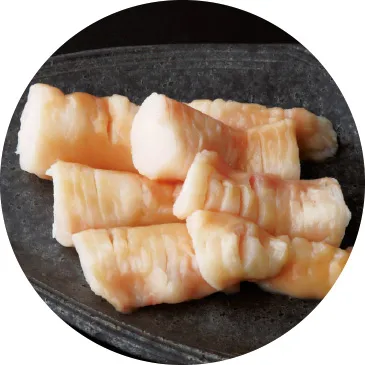
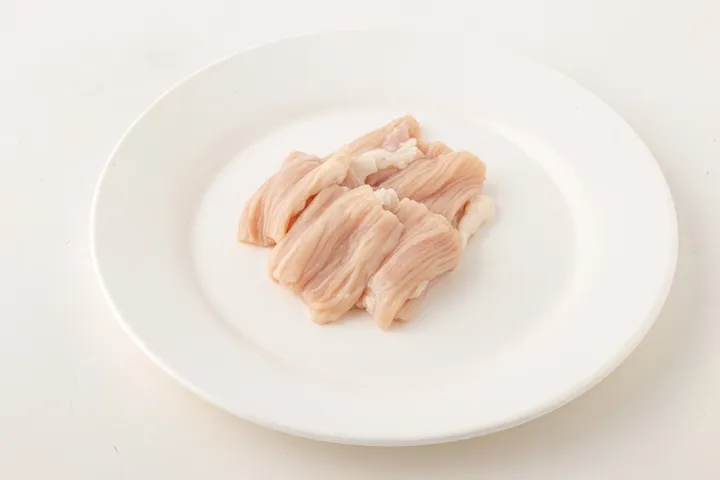
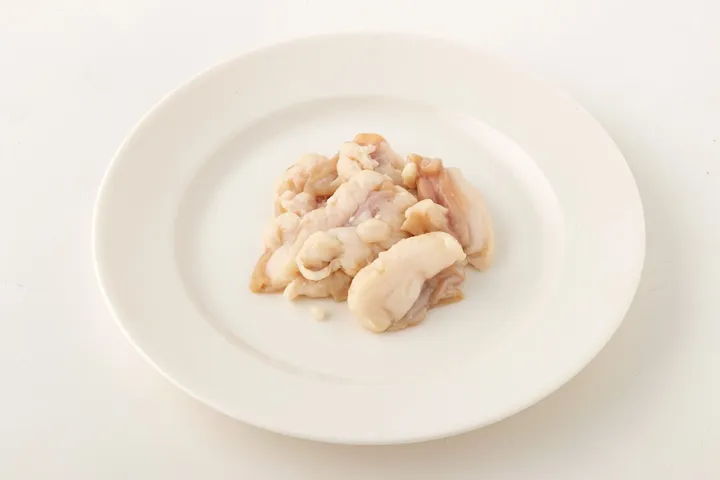
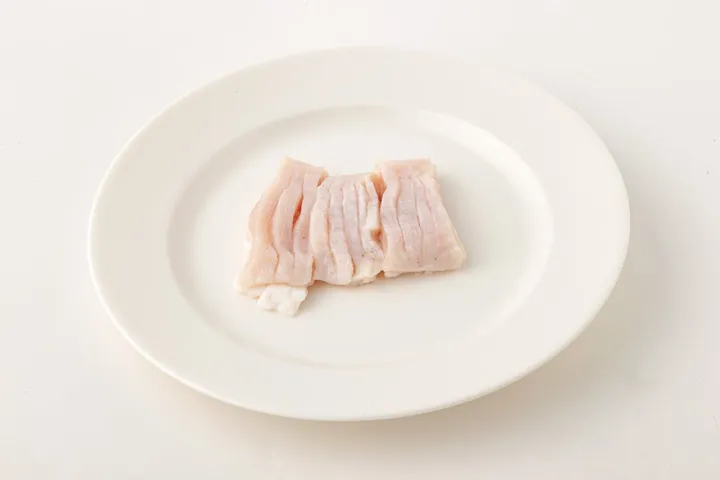
是四个胃中最大的,与第二胃合计约占全部胃容积的八成,牛的可达100–150升。肉厚而硬,但异味少;烤肉店上桌前会先切上花刀。市面上卖的一般是特别厚的部分「上ミノ」;肉层之间夹着一层浓厚油脂的厚块叫「ミノサンド」,量很少。一说名字来自剖开后的样子像蓑衣(日语「蓑」读 mino)。
4つの胃で最も大きく、第二胃と合わせると全胃容積の約8割、牛では100〜150Lに達する。肉厚でかたいがくせは少なく、焼肉では切れ込みを入れて出す。一般に売られるのは特に厚い部分の「上ミノ」で、身と身の間に濃厚な脂を挟んだ厚い部分は「ミノサンド」と呼ばれる希少な部位。名は切り開いた形が雨具の蓑(みの)に似ることからという説がある。
再挑战一下日语原文 · 日本語で読む
4つの胃で最も大きく、第二胃と合わせると全胃容積の約8割、牛では100〜150Lに達する。肉厚でかたいがくせは少なく、焼肉では切れ込みを入れて出す。一般に売られるのは特に厚い部分の「上ミノ」で、身と身の間に濃厚な脂を挟んだ厚い部分は「ミノサンド」と呼ばれる希少な部位。名は切り開いた形が雨具の蓑(みの)に似ることからという説がある。
The largest of the four stomachs: together with the second stomach it makes up about 80% of total stomach volume—100–150 litres in cattle. Thick and tough but mild in flavour, it is scored with knife cuts before serving at yakiniku restaurants. What is usually sold is the extra-thick jō-mino; a thick section with a layer of rich fat sandwiched inside is the scarce mino-sando. One theory derives the name from mino, the straw raincoat it resembles when cut open.
中国語・英語の原文を見る
是四个胃中最大的,与第二胃合计约占全部胃容积的八成,牛的可达100–150升。肉厚而硬,但异味少;烤肉店上桌前会先切上花刀。市面上卖的一般是特别厚的部分「上ミノ」;肉层之间夹着一层浓厚油脂的厚块叫「ミノサンド」,量很少。一说名字来自剖开后的样子像蓑衣(日语「蓑」读 mino)。
The largest of the four stomachs: together with the second stomach it makes up about 80% of total stomach volume—100–150 litres in cattle. Thick and tough but mild in flavour, it is scored with knife cuts before serving at yakiniku restaurants. What is usually sold is the extra-thick jō-mino; a thick section with a layer of rich fat sandwiched inside is the scarce mino-sando. One theory derives the name from mino, the straw raincoat it resembles when cut open.
03到了店里,它叫什么?お店ではどう呼ばれる?
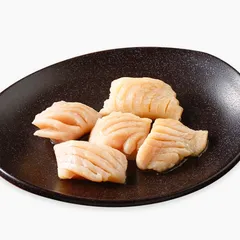
厚切りミノ
厚切牛瘤胃(第一胃),盐味酱或味噌酱牛の第一胃(ミノ)の厚切り。塩ダレか味噌ダレ
上ミノ焼
上等牛瘤胃(第一胃);也有铺葱的辣味盐味版牛の第一胃(ミノ)の上ランク。ネギをのせた辛口塩味もある
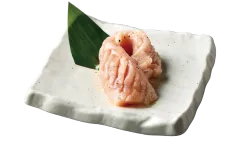
【特選】ミノステーキ
牛瘤胃(毛肚)排,口感脆;吃到饱中仅限高级套餐ミノ(牛の第一胃)のステーキ。コリコリした食感。食べ放題ではプレミアムコース限定
展示各店菜单中的叫法与示例。菜品、做法和供应情况可能调整,以门店当日菜单为准。店铺菜品图片来源见完整词典的图片出处。各チェーン店でのメニュー表記例です。季節や店舗により変更となる場合があります。画像出典は菜单词典をご覧ください。