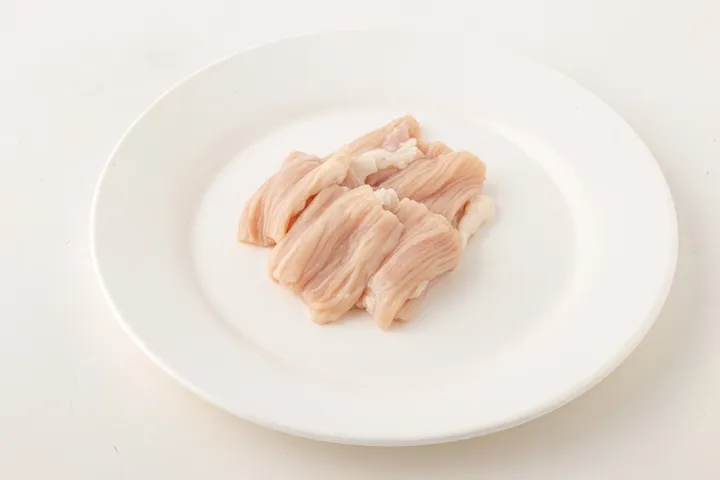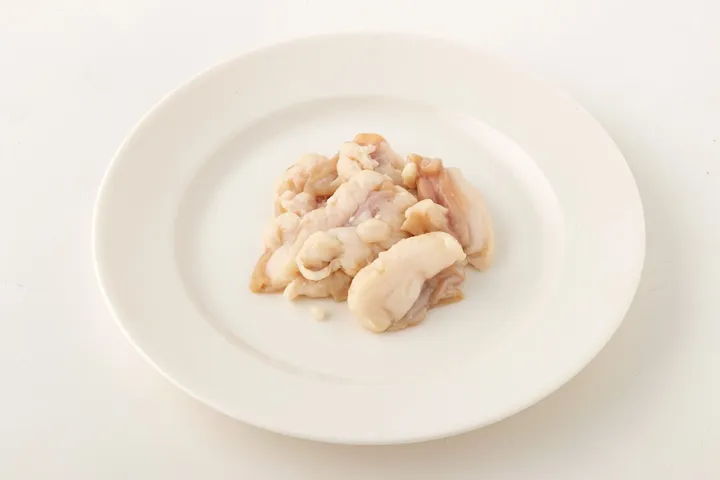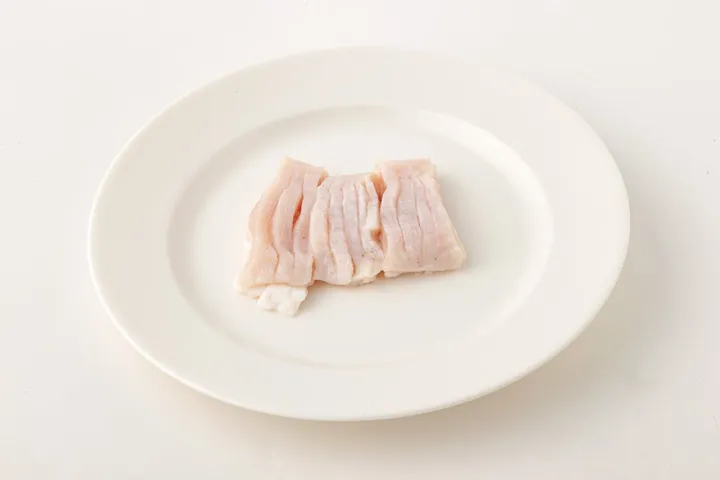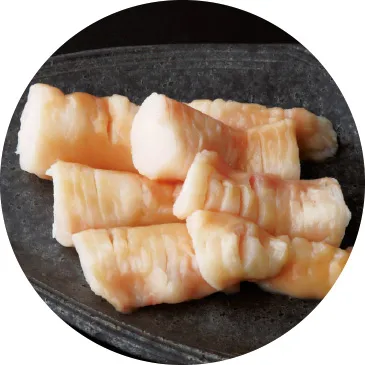
01它是什么,来自哪里?どんな部位?どこから来る?
用日语读一读 · 日本語で読む
枝肉と皮を除いた可食部(畜産副生物)の通称
Everyday name for the edible parts left once the carcass meat and hide are removed
中国語・英語の解説を見る
去掉胴体肉(枝肉)和皮之后剩下的可食部分(畜产副产品)的俗称
Everyday name for the edible parts left once the carcass meat and hide are removed
02名字背后,还有这些故事。名前の由来とストーリー。
行业的统一名称是「畜産副生物」(畜产副产品),「ホルモン」「モツ」原本都是行话;农林水产省的资料称小肠是“内脏的代名词”,大肠是“内脏的代表”。词源是医学用语“荷尔蒙”(德语 Hormon):约1920年起,滋补强身的菜就被叫作「ホルモン料理」,据说是大阪西餐馆「北極星」的创办人北桥茂男把这个词推广成“内脏”的意思。流传很广的“源自大阪话「放るもん」(扔掉的东西)”一说,《日本国语大辞典》也以“一说”收录,但由于这个词约1920年就已在使用,一般视为民间词源,1970年代以后才传开。
一般来说,西日本多吃牛内脏,东日本多吃猪内脏。
業界の統一名称は「畜産副生物」で、「ホルモン」「モツ」はもとは業界語であり、農林水産省の資料は小腸を「ホルモンの代名詞」、大腸を「ホルモンの代表的な存在」と紹介している。語源は医学用語の「ホルモン(独 Hormon)」で、1920年ごろには精のつく料理を「ホルモン料理」と呼んでおり、大阪の洋食店「北極星」の創業者・北橋茂男が内臓の意味で広めたとされる。
大阪弁の「放るもん(捨てるもの)」に由来するという説は日本国語大辞典も「一説に」として載せるが、語が1920年ごろから使われていたことから俗説とみられ、広まったのは1970年代からという。一般に西日本では牛、東日本では豚の内臓が多く消費される。
再挑战一下日语原文 · 日本語で読む
業界の統一名称は「畜産副生物」で、「ホルモン」「モツ」はもとは業界語であり、農林水産省の資料は小腸を「ホルモンの代名詞」、大腸を「ホルモンの代表的な存在」と紹介している。語源は医学用語の「ホルモン(独 Hormon)」で、1920年ごろには精のつく料理を「ホルモン料理」と呼んでおり、大阪の洋食店「北極星」の創業者・北橋茂男が内臓の意味で広めたとされる。大阪弁の「放るもん(捨てるもの)」に由来するという説は日本国語大辞典も「一説に」として載せるが、語が1920年ごろから使われていたことから俗説とみられ、広まったのは1970年代からという。一般に西日本では牛、東日本では豚の内臓が多く消費される。
The trade’s official term is chikusan fukuseibutsu (“livestock by-products”); horumon and motsu began as trade jargon, and MAFF materials call the small intestine the “byword for horumon” and the large intestine its “typical example”. The word comes from the medical term “hormone” (German Hormon): by around 1920 invigorating dishes were called horumon ryōri, and Kitahashi Shigeo, founder of the Osaka restaurant Hokkyokusei, is credited with popularising it to mean offal. The popular derivation from Osaka dialect hōrumon (“stuff to throw away”) appears in the Nihon Kokugo Daijiten only as “one theory”; since the word was already in use around 1920 it is regarded as folk etymology, and it spread only from the 1970s. In general, western Japan eats more beef offal and eastern Japan more pork offal.
中国語・英語の原文を見る
行业的统一名称是「畜産副生物」(畜产副产品),「ホルモン」「モツ」原本都是行话;农林水产省的资料称小肠是“内脏的代名词”,大肠是“内脏的代表”。词源是医学用语“荷尔蒙”(德语 Hormon):约1920年起,滋补强身的菜就被叫作「ホルモン料理」,据说是大阪西餐馆「北極星」的创办人北桥茂男把这个词推广成“内脏”的意思。流传很广的“源自大阪话「放るもん」(扔掉的东西)”一说,《日本国语大辞典》也以“一说”收录,但由于这个词约1920年就已在使用,一般视为民间词源,1970年代以后才传开。一般来说,西日本多吃牛内脏,东日本多吃猪内脏。
The trade’s official term is chikusan fukuseibutsu (“livestock by-products”); horumon and motsu began as trade jargon, and MAFF materials call the small intestine the “byword for horumon” and the large intestine its “typical example”. The word comes from the medical term “hormone” (German Hormon): by around 1920 invigorating dishes were called horumon ryōri, and Kitahashi Shigeo, founder of the Osaka restaurant Hokkyokusei, is credited with popularising it to mean offal. The popular derivation from Osaka dialect hōrumon (“stuff to throw away”) appears in the Nihon Kokugo Daijiten only as “one theory”; since the word was already in use around 1920 it is regarded as folk etymology, and it spread only from the 1970s. In general, western Japan eats more beef offal and eastern Japan more pork offal.
03到了店里,它叫什么?お店ではどう呼ばれる?
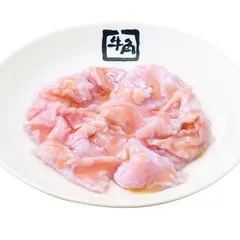
やみつき豚ホルモン
猪内脏,盐味酱或味噌酱豚のホルモン。塩ダレか味噌ダレ
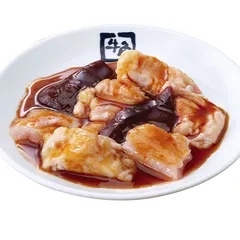
ホルモン四種盛り
四种内脏拼盘,盐味酱或味噌酱ホルモン4種の盛り合わせ。塩ダレか味噌ダレ
上ホルモン焼
上等内脏;也有铺葱的辣味盐味版上ランクのホルモン。ネギをのせた辛口塩味もある
ホルモン三点盛
上等毛肚、上等内脏、上等肝的拼盘上ミノ焼・上ホルモン焼・上レバー焼の盛合せ
やわらかホルモン
用独家工艺做软的内脏,盐或味噌独自製法でやわらかくしたホルモン。塩か味噌
展示各店菜单中的叫法与示例。菜品、做法和供应情况可能调整,以门店当日菜单为准。店铺菜品图片来源见完整词典的图片出处。各チェーン店でのメニュー表記例です。季節や店舗により変更となる場合があります。画像出典は菜单词典をご覧ください。