01它是什么,来自哪里?どんな部位?どこから来る?
用日语读一读 · 日本語で読む
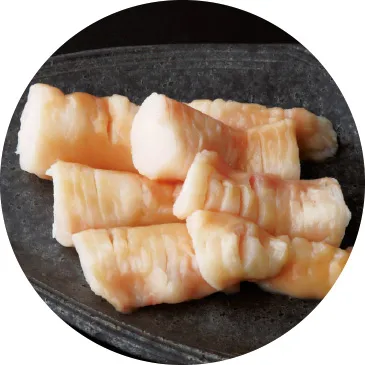
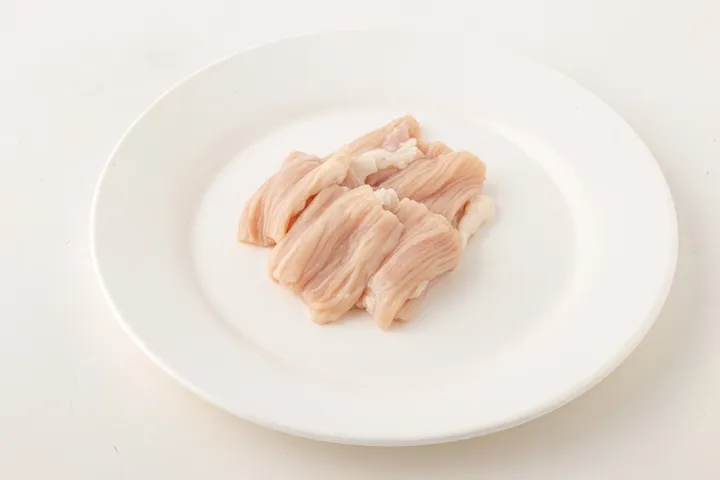
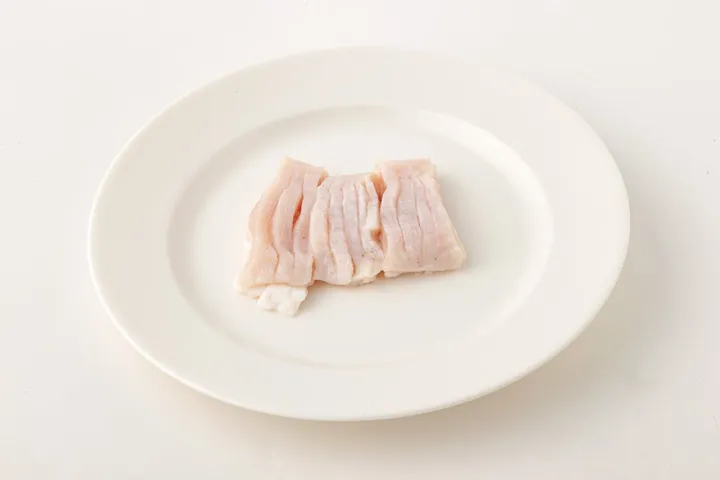
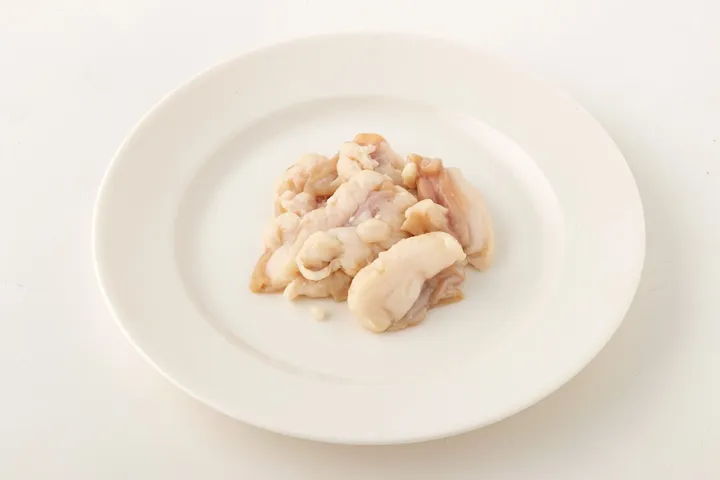
小腸を縦に裂かず、筒の形のまま使うもの
The small intestine used whole as a tube, not slit lengthwise
中国語・英語の解説を見る
小肠不纵向剖开,保持圆筒形使用
The small intestine used whole as a tube, not slit lengthwise
02名字背后,还有这些故事。名前の由来とストーリー。
在关西,小肠中不剖开的叫「マルチョウ」,剖开的叫「コテッチャン」(农林水产省)。小肠本身还有「コプチャン」(来自韩语 곱창)、「ヒモ」(因形似绳子)、「ホソ」(京都)等叫法,日本畜产副产物协会推广的部位标示写作「ショウチョウ」(小肠)。附着脂肪多,每100克生小肠含脂肪26.1克、268千卡,约为大肠(脂肪13.0克)的两倍(日本食品标准成分表)。
不过农林水产省2020年9月号《aff》的部位图鉴把マルチョウ列为大肠(シマチョウ)的别名,叫法因资料和地区而异。
関西では小腸のうち裂かないものを「マルチョウ」、裂いたものを「コテッチャン」と呼び分ける(農林水産省)。小腸そのものは韓国語 곱창 から「コプチャン」、形から「ヒモ」、京都では「ホソ」とも呼ばれ、日本畜産副産物協会が普及を図る部位表示では「ショウチョウ」。脂肪が多く付き、生100gあたり脂質26.1g・268kcalと、大腸(脂質13.0g)の約2倍の脂質を含む(日本食品標準成分表)。
なお農林水産省aff 2020年9月号の部位図鑑はマルチョウを大腸(シマチョウ)の別名として載せており、呼び名は資料や地域によって揺れがある。
再挑战一下日语原文 · 日本語で読む
関西では小腸のうち裂かないものを「マルチョウ」、裂いたものを「コテッチャン」と呼び分ける(農林水産省)。小腸そのものは韓国語 곱창 から「コプチャン」、形から「ヒモ」、京都では「ホソ」とも呼ばれ、日本畜産副産物協会が普及を図る部位表示では「ショウチョウ」。脂肪が多く付き、生100gあたり脂質26.1g・268kcalと、大腸(脂質13.0g)の約2倍の脂質を含む(日本食品標準成分表)。なお農林水産省aff 2020年9月号の部位図鑑はマルチョウを大腸(シマチョウ)の別名として載せており、呼び名は資料や地域によって揺れがある。
In Kansai, small intestine left unsplit is maruchō and split open is kotetchan (MAFF). The small intestine itself is also called kopuchan (from Korean gopchang), himo (“string”, from its shape) or, in Kyoto, hoso; the parts labelling promoted by the Japan Animal By-products Association uses shōchō. It carries a lot of fat: 100 g raw has 26.1 g fat and 268 kcal, about twice the fat of large intestine (13.0 g) (Standard Tables of Food Composition in Japan). Note that MAFF’s 2020 aff cut guide lists maruchō as another name for the large intestine (shimachō), so usage varies by source and region.
中国語・英語の原文を見る
在关西,小肠中不剖开的叫「マルチョウ」,剖开的叫「コテッチャン」(农林水产省)。小肠本身还有「コプチャン」(来自韩语 곱창)、「ヒモ」(因形似绳子)、「ホソ」(京都)等叫法,日本畜产副产物协会推广的部位标示写作「ショウチョウ」(小肠)。附着脂肪多,每100克生小肠含脂肪26.1克、268千卡,约为大肠(脂肪13.0克)的两倍(日本食品标准成分表)。不过农林水产省2020年9月号《aff》的部位图鉴把マルチョウ列为大肠(シマチョウ)的别名,叫法因资料和地区而异。
In Kansai, small intestine left unsplit is maruchō and split open is kotetchan (MAFF). The small intestine itself is also called kopuchan (from Korean gopchang), himo (“string”, from its shape) or, in Kyoto, hoso; the parts labelling promoted by the Japan Animal By-products Association uses shōchō. It carries a lot of fat: 100 g raw has 26.1 g fat and 268 kcal, about twice the fat of large intestine (13.0 g) (Standard Tables of Food Composition in Japan). Note that MAFF’s 2020 aff cut guide lists maruchō as another name for the large intestine (shimachō), so usage varies by source and region.