01它是什么,来自哪里?どんな部位?どこから来る?
用日语读一读 · 日本語で読む
肝臓
The liver
中国語・英語の解説を見る
肝脏
The liver
02名字背后,还有这些故事。名前の由来とストーリー。
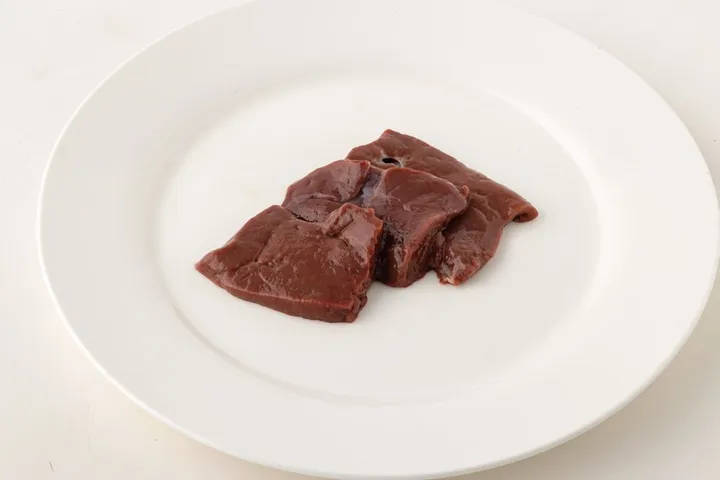
来自英语 liver;1904年村井弦斋的小说《食道乐》中已有「レバー」的用例。一头牛的肝脏约6公斤,是内脏中最软的,口感细滑、味道浓郁,但腥味比猪肝、鸡肝重。富含维生素A、B2和铁,每100克生牛肝含维生素A(视黄醇活性当量)1100微克、铁4.0毫克(日本食品标准成分表)。生切薄片、蘸加盐香油吃的「レバ刺し」过去主要在烤肉店和串烤内脏店供应,但2012年7月起,依据《食品卫生法》禁止把牛肝作为生食用途销售或提供。
英語の liver からで、1904年の村井弦斎『食道楽』に「レバー」の用例がある。牛1頭の肝臓は約6kgあり、内臓の中で最もやわらかく、なめらかな歯触りと濃厚なコクがあるが、豚や鶏の肝臓より臭みは強い。ビタミンA・B2・鉄が多く、生100gあたりビタミンA(レチノール活性当量)1100µg・鉄4.0mgを含む(日本食品標準成分表)。
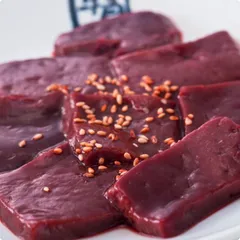
生の薄切りを塩入りのごま油で食べる「レバ刺し」は主に焼肉店やもつ焼き店で出されていたが、2012年7月に食品衛生法に基づき牛の肝臓を生食用として販売・提供することが禁止された。
再挑战一下日语原文 · 日本語で読む
英語の liver からで、1904年の村井弦斎『食道楽』に「レバー」の用例がある。牛1頭の肝臓は約6kgあり、内臓の中で最もやわらかく、なめらかな歯触りと濃厚なコクがあるが、豚や鶏の肝臓より臭みは強い。ビタミンA・B2・鉄が多く、生100gあたりビタミンA(レチノール活性当量)1100µg・鉄4.0mgを含む(日本食品標準成分表)。生の薄切りを塩入りのごま油で食べる「レバ刺し」は主に焼肉店やもつ焼き店で出されていたが、2012年7月に食品衛生法に基づき牛の肝臓を生食用として販売・提供することが禁止された。
From English “liver”; the word appears in Japanese as early as Murai Gensai’s novel Kuidōraku (1904). One animal’s liver weighs about 6 kg; it is the softest of the organs, smooth and rich, though stronger-smelling than pork or chicken liver. It is rich in vitamin A, B2 and iron: 100 g raw has 1,100 µg vitamin A (retinol activity equivalents) and 4.0 mg iron (Standard Tables of Food Composition in Japan). Raw slices dipped in salted sesame oil (reba-sashi) were served mainly at yakiniku and offal-skewer restaurants until July 2012, when the Food Sanitation Act banned selling or serving beef liver for raw consumption.
中国語・英語の原文を見る
来自英语 liver;1904年村井弦斋的小说《食道乐》中已有「レバー」的用例。一头牛的肝脏约6公斤,是内脏中最软的,口感细滑、味道浓郁,但腥味比猪肝、鸡肝重。富含维生素A、B2和铁,每100克生牛肝含维生素A(视黄醇活性当量)1100微克、铁4.0毫克(日本食品标准成分表)。生切薄片、蘸加盐香油吃的「レバ刺し」过去主要在烤肉店和串烤内脏店供应,但2012年7月起,依据《食品卫生法》禁止把牛肝作为生食用途销售或提供。
From English “liver”; the word appears in Japanese as early as Murai Gensai’s novel Kuidōraku (1904). One animal’s liver weighs about 6 kg; it is the softest of the organs, smooth and rich, though stronger-smelling than pork or chicken liver. It is rich in vitamin A, B2 and iron: 100 g raw has 1,100 µg vitamin A (retinol activity equivalents) and 4.0 mg iron (Standard Tables of Food Composition in Japan). Raw slices dipped in salted sesame oil (reba-sashi) were served mainly at yakiniku and offal-skewer restaurants until July 2012, when the Food Sanitation Act banned selling or serving beef liver for raw consumption.
03到了店里,它叫什么?お店ではどう呼ばれる?
展示各店菜单中的叫法与示例。菜品、做法和供应情况可能调整,以门店当日菜单为准。店铺菜品图片来源见完整词典的图片出处。各チェーン店でのメニュー表記例です。季節や店舗により変更となる場合があります。画像出典は菜单词典をご覧ください。