01它是什么,来自哪里?どんな部位?どこから来る?
用日语读一读 · 日本語で読む
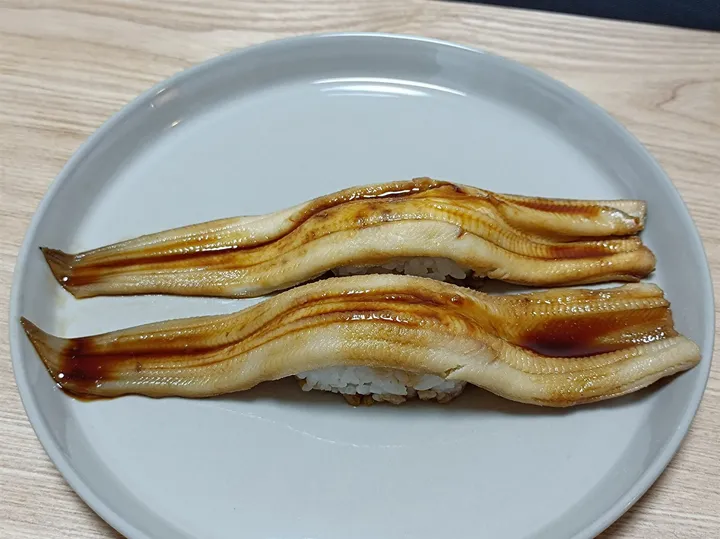
アナゴ科のマアナゴ。すし種には煮た身を使い、「煮詰め(ツメ)」を塗って出す
The whitespotted conger; for sushi it is simmered and brushed with nitsume (tsume), a thick reduced sauce
中国語・英語の解説を見る
康吉鳗科的星康吉鳗;做寿司料时用煮过的鱼肉,再刷上“煮詰め”(ツメ,浓缩酱汁)
The whitespotted conger; for sushi it is simmered and brushed with nitsume (tsume), a thick reduced sauce
02名字背后,还有这些故事。名前の由来とストーリー。
白天潜伏在海底洞穴或泥沙中、夜里出来觅食,这一习性就是“穴子”(洞中之子)名字的由来;体侧白点等距排列,像杆秤的刻度,所以又叫“ハカリメ”。它不像鳗鲡那样有鳞,一生都在海里度过,旬期在夏季;透明的幼体在高知等地叫“ノレソレ”,也被食用。江户前握寿司起初多用煮过的星鳗、乌贼、虾等做料,战后煮制的寿司料越来越少,星鳗却一直保留下来。
“煮詰め”是在星鳗煮汁里加酱油、味醂、砂糖等熬浓的酱汁,也刷在虾蛄和文蛤上。
昼は海底の穴や砂泥に潜んで夜に餌をとる習性が「穴子」の名の由来で、体側に白い点が等間隔に並ぶさまが竿秤の目盛りに似るため「ハカリメ」とも呼ばれる。ウナギと違って鱗がなく一生を海で過ごし、旬は夏で、透明な幼生は高知などで「ノレソレ」として食べられる。江戸前の握りは初め煮たアナゴ・イカ・エビなどを種にしたもので、戦後に煮物種が減るなかでもアナゴは残った。
煮詰めは、穴子の煮汁に醤油・みりん・砂糖などを加えて煮詰めたたれで、シャコやハマグリにも塗る。
再挑战一下日语原文 · 日本語で読む
昼は海底の穴や砂泥に潜んで夜に餌をとる習性が「穴子」の名の由来で、体側に白い点が等間隔に並ぶさまが竿秤の目盛りに似るため「ハカリメ」とも呼ばれる。ウナギと違って鱗がなく一生を海で過ごし、旬は夏で、透明な幼生は高知などで「ノレソレ」として食べられる。江戸前の握りは初め煮たアナゴ・イカ・エビなどを種にしたもので、戦後に煮物種が減るなかでもアナゴは残った。煮詰めは、穴子の煮汁に醤油・みりん・砂糖などを加えて煮詰めたたれで、シャコやハマグリにも塗る。
The name, “hole child”, comes from its habit of hiding in burrows and sand by day and feeding at night; the evenly spaced white dots along its side, like the marks on a steelyard, give it the nickname hakarime. Unlike the freshwater eel it has no scales and spends its whole life at sea; it is best in summer, and its transparent larvae are eaten in Kōchi and elsewhere as noresore. Early Edo-style nigiri relied on simmered toppings such as anago, squid and shrimp, and while simmered toppings faded after the war, anago remained. Nitsume is the anago simmering liquid reduced with soy sauce, mirin and sugar, and is also brushed on mantis shrimp and clams.
中国語・英語の原文を見る
白天潜伏在海底洞穴或泥沙中、夜里出来觅食,这一习性就是“穴子”(洞中之子)名字的由来;体侧白点等距排列,像杆秤的刻度,所以又叫“ハカリメ”。它不像鳗鲡那样有鳞,一生都在海里度过,旬期在夏季;透明的幼体在高知等地叫“ノレソレ”,也被食用。江户前握寿司起初多用煮过的星鳗、乌贼、虾等做料,战后煮制的寿司料越来越少,星鳗却一直保留下来。“煮詰め”是在星鳗煮汁里加酱油、味醂、砂糖等熬浓的酱汁,也刷在虾蛄和文蛤上。
The name, “hole child”, comes from its habit of hiding in burrows and sand by day and feeding at night; the evenly spaced white dots along its side, like the marks on a steelyard, give it the nickname hakarime. Unlike the freshwater eel it has no scales and spends its whole life at sea; it is best in summer, and its transparent larvae are eaten in Kōchi and elsewhere as noresore. Early Edo-style nigiri relied on simmered toppings such as anago, squid and shrimp, and while simmered toppings faded after the war, anago remained. Nitsume is the anago simmering liquid reduced with soy sauce, mirin and sugar, and is also brushed on mantis shrimp and clams.
03到了店里,它叫什么?お店ではどう呼ばれる?
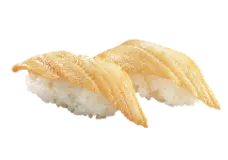
煮あなご
煮星鳗握寿司(中国产)煮た穴子のにぎり(中国産)
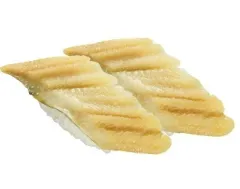
あなご
星鳗(真穴子,中国产)握寿司マアナゴ(中国産)のにぎり
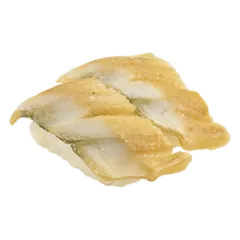
煮あなご
煮星鳗握寿司(中国产等);官网中文名「煮星鳗」煮た穴子のにぎり(中国産など)
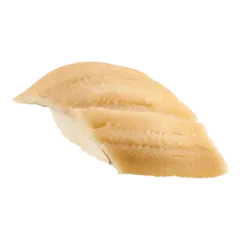
上穴子
「上」意为上等;价格比普通「煮星鳗」高一档的星鳗握寿司(中国产等)「上」は上等の意。煮あなごより一段高い価格で並ぶ穴子のにぎり(中国産など)
展示各店菜单中的叫法与示例。菜品、做法和供应情况可能调整,以门店当日菜单为准。店铺菜品图片来源见完整词典的图片出处。各チェーン店でのメニュー表記例です。季節や店舗により変更となる場合があります。画像出典は菜单词典をご覧ください。