01它是什么,来自哪里?どんな部位?どこから来る?
用日语读一读 · 日本語で読む
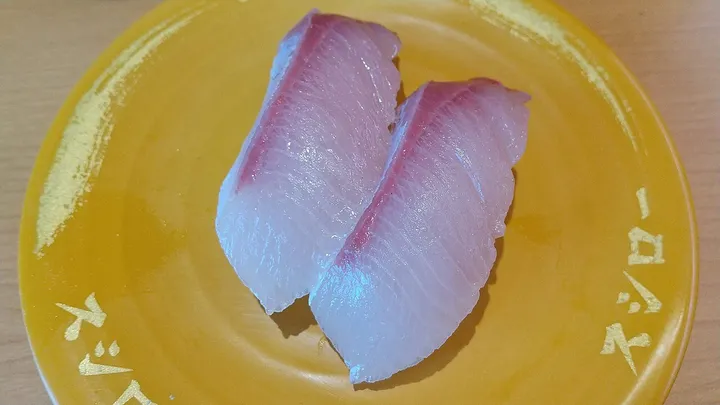
アジ科ブリ属の回遊魚の成魚。おおむね全長80cmを超えると地域を問わず「ブリ」と呼ぶ
The adult of a migratory jack (Seriola quinqueradiata); above about 80 cm it is called buri everywhere
中国語・英語の解説を見る
鲹科鰤属洄游鱼的成鱼;全长超过约80厘米后,各地都叫“ブリ”
The adult of a migratory jack (Seriola quinqueradiata); above about 80 cm it is called buri everywhere
02名字背后,还有这些故事。名前の由来とストーリー。
旬期在冬季:为产卵大量进食后南下、脂肪丰厚的成鱼叫“寒ブリ”;在富山湾定置网捕获、并在冰见渔港拍卖的7公斤以上个体,可冠以“ひみ寒ぶり”品牌。名字来源有两说:一说出自“アブラ”(油脂),一说出自表示“上了年纪的鱼”的“フリ”;“鰤”是日本自造的汉字。西日本过年的“年取り魚”用盐腌鰤鱼,与东日本用鲑鱼相对。鰤鱼肉色偏白,但按色素蛋白含量的定义属于红肉鱼。
旬は冬で、産卵に備えて餌を飽食し南下する脂ののった成魚を「寒ブリ」と呼び、富山湾の定置網で獲れて氷見漁港で競りにかけられた7kg以上のものは「ひみ寒ぶり」のブランドになる。名の由来には「アブラ」から来たとする説と、年を経た魚を意味する「フリ」から来たとする説があり、「鰤」は日本で作られた字。西日本では正月の年取り魚に塩ブリを使い、東日本のサケと対をなす。
身は白っぽく見えるが、色素たんぱく質の量による定義では赤身魚に入る。
再挑战一下日语原文 · 日本語で読む
旬は冬で、産卵に備えて餌を飽食し南下する脂ののった成魚を「寒ブリ」と呼び、富山湾の定置網で獲れて氷見漁港で競りにかけられた7kg以上のものは「ひみ寒ぶり」のブランドになる。名の由来には「アブラ」から来たとする説と、年を経た魚を意味する「フリ」から来たとする説があり、「鰤」は日本で作られた字。西日本では正月の年取り魚に塩ブリを使い、東日本のサケと対をなす。身は白っぽく見えるが、色素たんぱく質の量による定義では赤身魚に入る。
It is best in winter: adults that have gorged before spawning and are heading south are called kan-buri, and those of 7 kg or more caught by set nets in Toyama Bay and auctioned at Himi port carry the “Himi kan-buri” brand. The name is traced either to abura, “oil”, or to furi, an old word for a fish that has lived many years; the character 鰤 was coined in Japan. Western Japan eats salted buri as its New Year fish, the counterpart of salmon in the east. Though pale-looking, it counts as a red-fleshed fish by its pigment content.
中国語・英語の原文を見る
旬期在冬季:为产卵大量进食后南下、脂肪丰厚的成鱼叫“寒ブリ”;在富山湾定置网捕获、并在冰见渔港拍卖的7公斤以上个体,可冠以“ひみ寒ぶり”品牌。名字来源有两说:一说出自“アブラ”(油脂),一说出自表示“上了年纪的鱼”的“フリ”;“鰤”是日本自造的汉字。西日本过年的“年取り魚”用盐腌鰤鱼,与东日本用鲑鱼相对。鰤鱼肉色偏白,但按色素蛋白含量的定义属于红肉鱼。
It is best in winter: adults that have gorged before spawning and are heading south are called kan-buri, and those of 7 kg or more caught by set nets in Toyama Bay and auctioned at Himi port carry the “Himi kan-buri” brand. The name is traced either to abura, “oil”, or to furi, an old word for a fish that has lived many years; the character 鰤 was coined in Japan. Western Japan eats salted buri as its New Year fish, the counterpart of salmon in the east. Though pale-looking, it counts as a red-fleshed fish by its pigment content.