01它是什么,来自哪里?どんな部位?どこから来る?
用日语读一读 · 日本語で読む
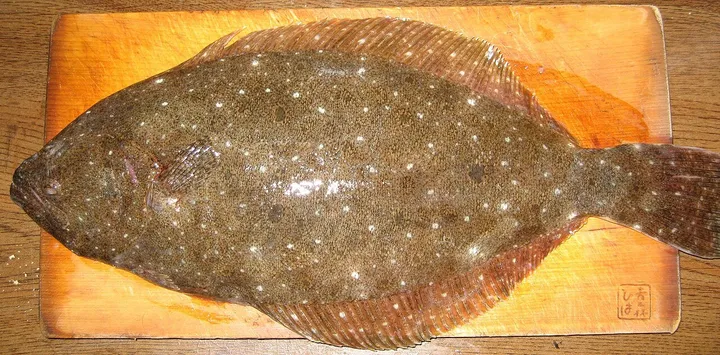
ヒラメ科の海水魚。腹を手前に置くと頭が左を向き、両目が体の左側にある
A lefteye flounder (Paralichthys olivaceus): laid belly towards you, its head points left, with both eyes on the left side
中国語・英語の解説を見る
牙鲆科海水鱼;腹部朝向自己放置时头朝左,两眼都在身体左侧
A lefteye flounder (Paralichthys olivaceus): laid belly towards you, its head points left, with both eyes on the left side
02名字背后,还有这些故事。名前の由来とストーリー。
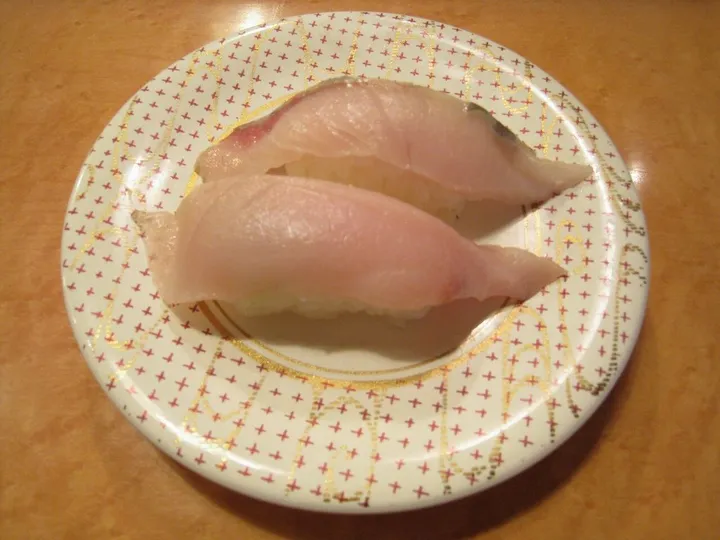
正如“左ヒラメに右カレイ”(左牙鲆、右鲽)所说,牙鲆的眼睛在左侧;但孵化后一段时间两眼还像普通鱼一样长在两侧,体长不到2厘米时右眼才移到左边。4—6月产卵后的夏季味道变差,秋冬是“寒ビラメ”的旬期;不过野生牙鲆每100克脂质只有约2.0克,靠的是肉厚和鲜味而非油脂。在东京,它作为白肉寿司料比鲷鱼更受珍视,背鳍、臀鳍根部的“縁側”(裙边)尤其受欢迎。
处理时从背侧和腹侧各取两片,称“五枚おろし”。
「左ヒラメに右カレイ」の通り目が左側にあるが、孵化後しばらくは普通の魚と同じく両側にあり、体長2cm足らずまでに右目が左へ移る。4〜6月の産卵後の夏は味が落ち、秋から冬が「寒ビラメ」の旬だが、天然物の脂質は100gあたり2.0g程度で、脂よりも身の厚みとうま味が持ち味。すし種の白身として東京ではタイ以上に珍重され、背びれ・しりびれの付け根の「縁側(えんがわ)」が特に好まれる。
身は背側・腹側から2枚ずつ取る「五枚おろし」にする。
再挑战一下日语原文 · 日本語で読む
「左ヒラメに右カレイ」の通り目が左側にあるが、孵化後しばらくは普通の魚と同じく両側にあり、体長2cm足らずまでに右目が左へ移る。4〜6月の産卵後の夏は味が落ち、秋から冬が「寒ビラメ」の旬だが、天然物の脂質は100gあたり2.0g程度で、脂よりも身の厚みとうま味が持ち味。すし種の白身として東京ではタイ以上に珍重され、背びれ・しりびれの付け根の「縁側(えんがわ)」が特に好まれる。身は背側・腹側から2枚ずつ取る「五枚おろし」にする。
As the saying “hirame on the left, karei on the right” goes, its eyes are on the left, yet for a while after hatching they sit on both sides like any fish’s, the right eye migrating left before it is 2 cm long. It spawns in April–June and is poor in summer; autumn to winter is kan-birame season, though wild fish hold only about 2.0 g of fat per 100 g, so its appeal is thick, savoury flesh rather than fat. Tokyo sushi has long ranked it above sea bream as a white-fish topping, the fin-base engawa being especially prized. It is filleted into five pieces (gomai-oroshi), two each from the back and belly sides.
中国語・英語の原文を見る
正如“左ヒラメに右カレイ”(左牙鲆、右鲽)所说,牙鲆的眼睛在左侧;但孵化后一段时间两眼还像普通鱼一样长在两侧,体长不到2厘米时右眼才移到左边。4—6月产卵后的夏季味道变差,秋冬是“寒ビラメ”的旬期;不过野生牙鲆每100克脂质只有约2.0克,靠的是肉厚和鲜味而非油脂。在东京,它作为白肉寿司料比鲷鱼更受珍视,背鳍、臀鳍根部的“縁側”(裙边)尤其受欢迎。处理时从背侧和腹侧各取两片,称“五枚おろし”。
As the saying “hirame on the left, karei on the right” goes, its eyes are on the left, yet for a while after hatching they sit on both sides like any fish’s, the right eye migrating left before it is 2 cm long. It spawns in April–June and is poor in summer; autumn to winter is kan-birame season, though wild fish hold only about 2.0 g of fat per 100 g, so its appeal is thick, savoury flesh rather than fat. Tokyo sushi has long ranked it above sea bream as a white-fish topping, the fin-base engawa being especially prized. It is filleted into five pieces (gomai-oroshi), two each from the back and belly sides.