01它是什么,来自哪里?どんな部位?どこから来る?
用日语读一读 · 日本語で読む
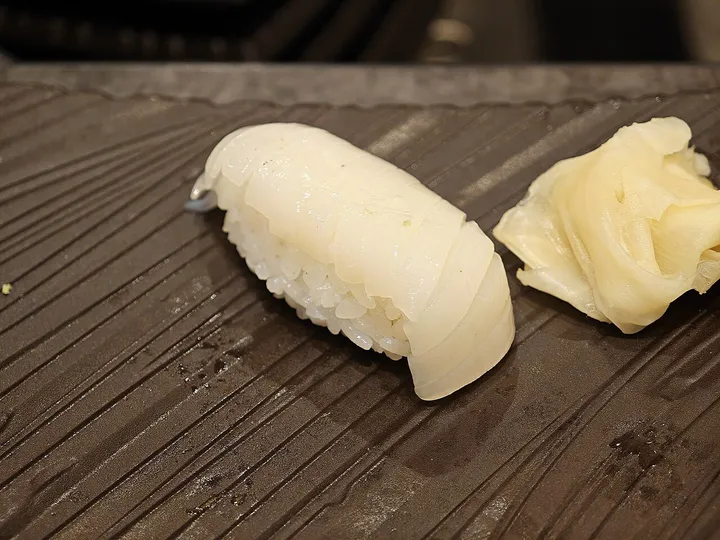
胴(外套膜)の身。江戸前の握りでは煮たイカが主で、生のイカがすし種として広まったのは戦後
The body (mantle); early Edo-style nigiri used simmered squid, and raw squid became a sushi topping only after the war
中国語・英語の解説を見る
身体(外套膜)的肉;江户前握寿司原本多用煮过的乌贼,生乌贼成为寿司料是在战后
The body (mantle); early Edo-style nigiri used simmered squid, and raw squid became a sushi topping only after the war
02名字背后,还有这些故事。名前の由来とストーリー。
全世界的乌贼类约450种,可食用的约30种,日本渔获量的七成是太平洋褶柔鱼(スルメイカ)。长有石灰质内壳(甲)的金乌贼(コウイカ)死后会流出墨汁,因此在市场和钓客中叫“スミイカ”(墨乌贼),其幼体作为初夏的寿司料“新イカ”备受珍视。莱氏拟乌贼(アオリイカ)以口感、甜味和鲜味被评为乌贼刺身中最美味的一种,但捕获量少。到昭和30年代(1955—1964年)为止,保鲜技术尚未普及,捕获的乌贼大多被制成鱿鱼干(スルメ)。
イカは世界に約450種、食用は約30種で、日本の水揚げの7割はスルメイカが占める。石灰質の甲を持つコウイカは、死ぬと墨を出すことから市場や釣り人の間で「スミイカ」と呼ばれ、その稚イカは初夏のすし種「新イカ」として珍重される。アオリイカは歯ごたえ・甘み・うま味からイカの刺身で最も美味と評されるが、漁獲が少ない。昭和30年代までは鮮度を保つ技術が普及しておらず、獲れたイカの多くはスルメに加工された。
再挑战一下日语原文 · 日本語で読む
イカは世界に約450種、食用は約30種で、日本の水揚げの7割はスルメイカが占める。石灰質の甲を持つコウイカは、死ぬと墨を出すことから市場や釣り人の間で「スミイカ」と呼ばれ、その稚イカは初夏のすし種「新イカ」として珍重される。アオリイカは歯ごたえ・甘み・うま味からイカの刺身で最も美味と評されるが、漁獲が少ない。昭和30年代までは鮮度を保つ技術が普及しておらず、獲れたイカの多くはスルメに加工された。
About 450 squid species are known worldwide, some 30 of them eaten, and the Japanese flying squid (surume-ika) makes up 70% of Japan’s landings. The golden cuttlefish (kō-ika), with its chalky internal shell, leaks ink when it dies and so is called sumi-ika (“ink squid”) at markets and by anglers; its juveniles are prized in early summer as the sushi topping shin-ika. The bigfin reef squid (aori-ika) is rated the finest sashimi squid for its bite, sweetness and savour, but the catch is small. Until the mid-1960s freshness could rarely be kept, and most squid landed was dried into surume.
中国語・英語の原文を見る
全世界的乌贼类约450种,可食用的约30种,日本渔获量的七成是太平洋褶柔鱼(スルメイカ)。长有石灰质内壳(甲)的金乌贼(コウイカ)死后会流出墨汁,因此在市场和钓客中叫“スミイカ”(墨乌贼),其幼体作为初夏的寿司料“新イカ”备受珍视。莱氏拟乌贼(アオリイカ)以口感、甜味和鲜味被评为乌贼刺身中最美味的一种,但捕获量少。到昭和30年代(1955—1964年)为止,保鲜技术尚未普及,捕获的乌贼大多被制成鱿鱼干(スルメ)。
About 450 squid species are known worldwide, some 30 of them eaten, and the Japanese flying squid (surume-ika) makes up 70% of Japan’s landings. The golden cuttlefish (kō-ika), with its chalky internal shell, leaks ink when it dies and so is called sumi-ika (“ink squid”) at markets and by anglers; its juveniles are prized in early summer as the sushi topping shin-ika. The bigfin reef squid (aori-ika) is rated the finest sashimi squid for its bite, sweetness and savour, but the catch is small. Until the mid-1960s freshness could rarely be kept, and most squid landed was dried into surume.
03到了店里,它叫什么?お店ではどう呼ばれる?
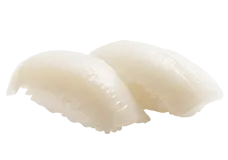
アカイカ
「アカイカ」(一种鱿鱼)握寿司(日本、中国产)アカイカのにぎり(日本・中国産)
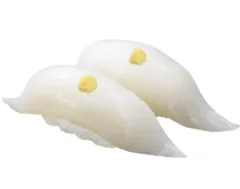
いか
枪乌贼握寿司(越南产等)ヤリイカのにぎり(ベトナム産など)
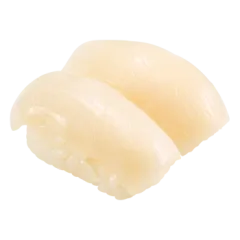
いか
鱿鱼握寿司いかのにぎり
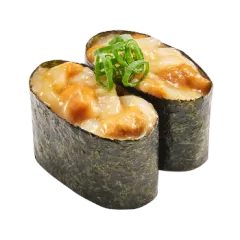
うにいか軍艦
用海胆拌鱿鱼的下酒小菜「うにいか」做的军舰卷いかをうにで和えた珍味「うにいか」の軍艦
展示各店菜单中的叫法与示例。菜品、做法和供应情况可能调整,以门店当日菜单为准。店铺菜品图片来源见完整词典的图片出处。各チェーン店でのメニュー表記例です。季節や店舗により変更となる場合があります。画像出典は菜单词典をご覧ください。