01它是什么,来自哪里?どんな部位?どこから来る?
用日语读一读 · 日本語で読む
マイワシ・ウルメイワシ・カタクチイワシの総称で、代表はマイワシ。脂ののった鮮度の良いマイワシが刺身やすし種になる
Collective name for the Japanese sardine (maiwashi), round herring (urume-iwashi) and Japanese anchovy (katakuchi-iwashi); fatty, very fresh maiwashi is used for sashimi and sushi
中国語・英語の解説を見る
远东拟沙丁鱼(マイワシ)、脂眼鲱(ウルメイワシ)、日本鳀(カタクチイワシ)的总称,以远东拟沙丁鱼为代表;脂肪丰厚、新鲜的才做刺身或寿司料
Collective name for the Japanese sardine (maiwashi), round herring (urume-iwashi) and Japanese anchovy (katakuchi-iwashi); fatty, very fresh maiwashi is used for sashimi and sushi
02名字背后,还有这些故事。名前の由来とストーリー。
远东拟沙丁鱼体侧排列着7个左右的黑点,因此又叫“ななつぼし”(七星),寿命约7年,最大长到25厘米。脂肪含量随季节变化很大,11月底在三陆外海捕获的约20%,大个体接近30%。“鰯”是日本自造的汉字,据说因为这种鱼离水就死、是“弱”鱼;贝原益轩《日本释名》(1700年)则把名字与“卑し”(低贱)联系起来。渔获量在1988年达到448万吨的峰值,1990年代锐减,2010年以后又呈增加趋势。
マイワシは体側に7個前後の黒点が並ぶことから「ななつぼし」とも呼ばれ、寿命は7年ほど、最大で25cmになる。脂肪分は季節で大きく変わり、11月末に三陸沖で揚がるものは20%前後、大型では30%近くになる。「鰯」は日本で作られた字で、水から揚げるとすぐ死ぬ弱い魚だからといわれ、貝原益軒『日本釈名』(1700年)は名を「卑し(いやし)」に結びつけている。
漁獲量は1988年の448万トンをピークに1990年代に激減し、2010年以降は再び増える傾向にある。
再挑战一下日语原文 · 日本語で読む
マイワシは体側に7個前後の黒点が並ぶことから「ななつぼし」とも呼ばれ、寿命は7年ほど、最大で25cmになる。脂肪分は季節で大きく変わり、11月末に三陸沖で揚がるものは20%前後、大型では30%近くになる。「鰯」は日本で作られた字で、水から揚げるとすぐ死ぬ弱い魚だからといわれ、貝原益軒『日本釈名』(1700年)は名を「卑し(いやし)」に結びつけている。漁獲量は1988年の448万トンをピークに1990年代に激減し、2010年以降は再び増える傾向にある。
Maiwashi is also called nanatsuboshi, “seven stars”, for the row of about seven dark spots on its side; it lives about seven years and grows to 25 cm. Its fat varies greatly with season: fish landed off Sanriku in late November run about 20%, large ones nearly 30%. The character 鰯 (fish + weak) was coined in Japan, said to be because the fish dies as soon as it leaves the water, while Kaibara Ekiken’s Nihon Shakumyō (1700) linked the name to iyashi, “lowly”. The catch peaked at 4.48 million t in 1988, collapsed in the 1990s and has been rising again since 2010.
中国語・英語の原文を見る
远东拟沙丁鱼体侧排列着7个左右的黑点,因此又叫“ななつぼし”(七星),寿命约7年,最大长到25厘米。脂肪含量随季节变化很大,11月底在三陆外海捕获的约20%,大个体接近30%。“鰯”是日本自造的汉字,据说因为这种鱼离水就死、是“弱”鱼;贝原益轩《日本释名》(1700年)则把名字与“卑し”(低贱)联系起来。渔获量在1988年达到448万吨的峰值,1990年代锐减,2010年以后又呈增加趋势。
Maiwashi is also called nanatsuboshi, “seven stars”, for the row of about seven dark spots on its side; it lives about seven years and grows to 25 cm. Its fat varies greatly with season: fish landed off Sanriku in late November run about 20%, large ones nearly 30%. The character 鰯 (fish + weak) was coined in Japan, said to be because the fish dies as soon as it leaves the water, while Kaibara Ekiken’s Nihon Shakumyō (1700) linked the name to iyashi, “lowly”. The catch peaked at 4.48 million t in 1988, collapsed in the 1990s and has been rising again since 2010.
03到了店里,它叫什么?お店ではどう呼ばれる?
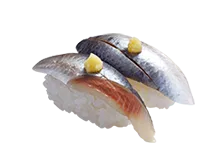
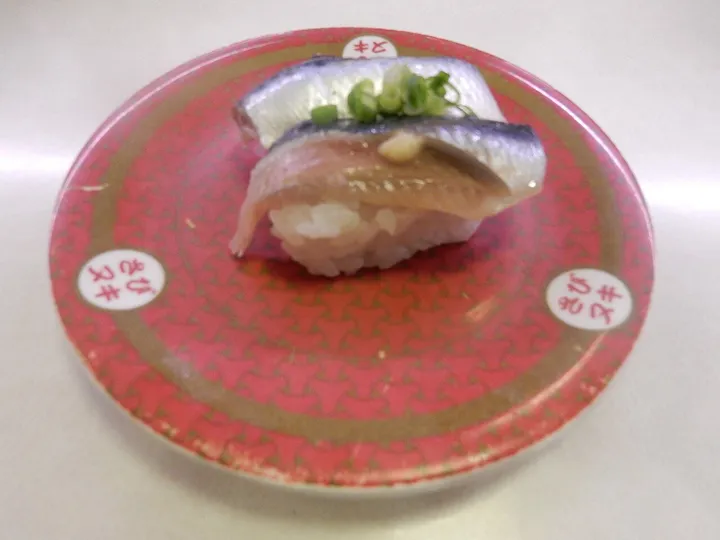
宮城県産とろいわし
宫城县产沙丁鱼握寿司宮城県産のいわしのにぎり
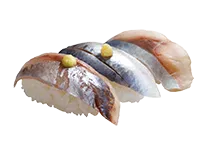
光り物三種盛り
竹荚鱼、沙丁鱼(とろいわし)、醋腌鲭鱼三种「光り物」(亮皮鱼)拼成一盘;仅北海道门店供应あじ・とろいわし・しめさばの光り物3種を1皿に盛ったもの。北海道の店舗限定
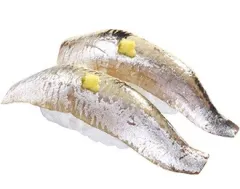
真いわし
日本产远东拟沙丁鱼(真鰯)握寿司国産マイワシのにぎり
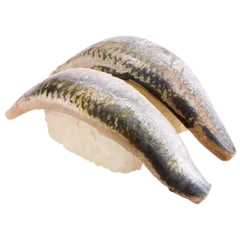
天然いわし
野生沙丁鱼握寿司(日本产等);官网中文名「野生沙丁鱼寿司」天然のいわしのにぎり(日本産など)
展示各店菜单中的叫法与示例。菜品、做法和供应情况可能调整,以门店当日菜单为准。店铺菜品图片来源见完整词典的图片出处。各チェーン店でのメニュー表記例です。季節や店舗により変更となる場合があります。画像出典は菜单词典をご覧ください。