01它是什么,来自哪里?どんな部位?どこから来る?
用日语读一读 · 日本語で読む
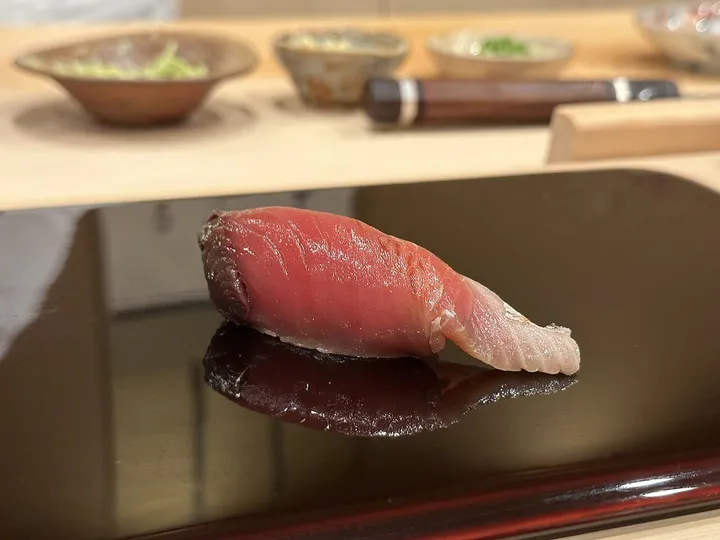
サバ科の回遊魚。すし種や刺身のほか、表面をあぶった「たたき」にする
A migratory member of the mackerel family, eaten as sushi and sashimi or seared as tataki
中国語・英語の解説を見る
鲭科洄游鱼;除做寿司料和刺身外,常做成表面炙烤的“たたき”
A migratory member of the mackerel family, eaten as sushi and sashimi or seared as tataki
02名字背后,还有这些故事。名前の由来とストーリー。
鲣鱼有两个旬期:乘黑潮北上、春季到初夏捕获、脂肪少的“初鰹”,以及在三陆外海觅食后秋季南下、脂肪丰厚的“戻り鰹”;江户人极其珍视初鰹,山口素堂有句“目には青葉山ほととぎす初鰹”(满目青叶,山中杜鹃,初鲣)。名字一说是由晒干后变硬的“堅魚”(かたうお)音变而来。“たたき”在室町至江户前期指把鲣鱼肉拍碎做成的盐辛(腌鱼酱),如今指带皮炙烤后冷却的“焼霜造り”,高知用稻草火来烤。
鲣鱼死后不久体侧会出现4—10条青黑色纵纹,兴奋时腹侧则出现横纹。
黒潮に乗って北上し春から初夏に獲れる脂の少ない「初鰹」と、三陸沖で餌をとり秋に南下する脂ののった「戻り鰹」と旬が2回あり、江戸では「目には青葉山ほととぎす初鰹」(山口素堂)と詠まれるほど初鰹が珍重された。名は、干して堅くなった「堅魚(かたうお)」がなまったものとする説がある。「たたき」は室町〜江戸前期にはカツオの身をたたいた塩辛を指したが、今は皮付きの身をあぶって冷やす焼霜造りをいい、高知では藁の炎であぶる。
死後まもなく体側に4〜10本の青黒い縦縞が現れ、興奮した時には腹側に横縞が出る。
再挑战一下日语原文 · 日本語で読む
黒潮に乗って北上し春から初夏に獲れる脂の少ない「初鰹」と、三陸沖で餌をとり秋に南下する脂ののった「戻り鰹」と旬が2回あり、江戸では「目には青葉山ほととぎす初鰹」(山口素堂)と詠まれるほど初鰹が珍重された。名は、干して堅くなった「堅魚(かたうお)」がなまったものとする説がある。「たたき」は室町〜江戸前期にはカツオの身をたたいた塩辛を指したが、今は皮付きの身をあぶって冷やす焼霜造りをいい、高知では藁の炎であぶる。死後まもなく体側に4〜10本の青黒い縦縞が現れ、興奮した時には腹側に横縞が出る。
It has two seasons: lean hatsu-gatsuo, caught in spring and early summer as it rides the Kuroshio north, and fatty modori-gatsuo, which has fed off Sanriku and heads south in autumn; Edo prized the first catch so much that Yamaguchi Sodō wrote “green leaves for the eye, the mountain cuckoo, first bonito”. One theory derives the name from katauo, “hard fish”, because dried bonito turns rock-hard. From the Muromachi to the early Edo period tataki meant a salted paste of pounded bonito; today it means skin-on fillets seared and then chilled, which Kōchi sears over burning straw. Soon after death four to ten dark stripes appear along the body, while an excited living fish shows bars across its belly.
中国語・英語の原文を見る
鲣鱼有两个旬期:乘黑潮北上、春季到初夏捕获、脂肪少的“初鰹”,以及在三陆外海觅食后秋季南下、脂肪丰厚的“戻り鰹”;江户人极其珍视初鰹,山口素堂有句“目には青葉山ほととぎす初鰹”(满目青叶,山中杜鹃,初鲣)。名字一说是由晒干后变硬的“堅魚”(かたうお)音变而来。“たたき”在室町至江户前期指把鲣鱼肉拍碎做成的盐辛(腌鱼酱),如今指带皮炙烤后冷却的“焼霜造り”,高知用稻草火来烤。鲣鱼死后不久体侧会出现4—10条青黑色纵纹,兴奋时腹侧则出现横纹。
It has two seasons: lean hatsu-gatsuo, caught in spring and early summer as it rides the Kuroshio north, and fatty modori-gatsuo, which has fed off Sanriku and heads south in autumn; Edo prized the first catch so much that Yamaguchi Sodō wrote “green leaves for the eye, the mountain cuckoo, first bonito”. One theory derives the name from katauo, “hard fish”, because dried bonito turns rock-hard. From the Muromachi to the early Edo period tataki meant a salted paste of pounded bonito; today it means skin-on fillets seared and then chilled, which Kōchi sears over burning straw. Soon after death four to ten dark stripes appear along the body, while an excited living fish shows bars across its belly.
03到了店里,它叫什么?お店ではどう呼ばれる?
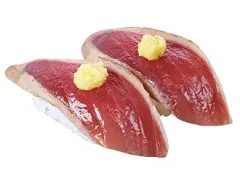
展示各店菜单中的叫法与示例。菜品、做法和供应情况可能调整,以门店当日菜单为准。店铺菜品图片来源见完整词典的图片出处。各チェーン店でのメニュー表記例です。季節や店舗により変更となる場合があります。画像出典は菜单词典をご覧ください。