01它是什么,来自哪里?どんな部位?どこから来る?
用日语读一读 · 日本語で読む
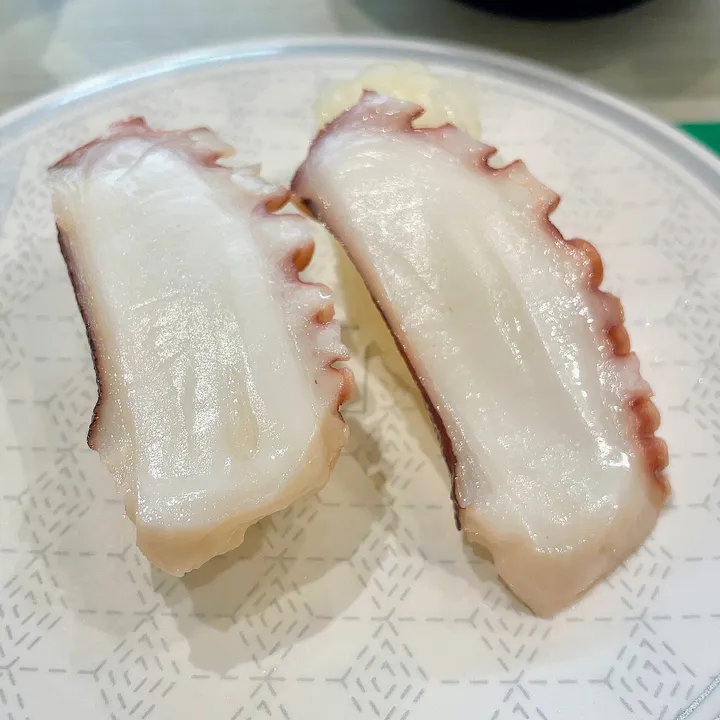
主にマダコの腕(足)を塩もみして茹でた身
Mainly the arms of the common octopus, rubbed with salt and boiled
中国語・英語の解説を見る
主要是用盐搓洗后煮熟的真蛸腕足
Mainly the arms of the common octopus, rubbed with salt and boiled
02名字背后,还有这些故事。名前の由来とストーリー。
市场上最常见的真蛸每条腕上有70—80个吸盘,排成两列,旬期在夏季。关西有在杂节“半夏生”吃章鱼的习俗,寓意稻苗像章鱼吸盘一样牢牢扎根。日本消费的章鱼一半以上靠进口,2020年进口的37,748吨中约七成来自毛里塔尼亚和摩洛哥。章鱼之名已见于《出云国风土记》,《延喜式》里还记载了进贡章鱼干。
市場で最も普通に見られるマダコは各腕に70〜80個の吸盤が2列に並び、旬は夏。関西には雑節の半夏生に、稲がタコの吸盤のようにしっかり根付くよう願ってタコを食べる風習がある。国内消費の半分以上を輸入に頼り、2020年の輸入3万7748トンの約7割はモーリタニアとモロッコ産。タコの名は『出雲国風土記』に見え、『延喜式』には干しダコの貢納が記されている。
再挑战一下日语原文 · 日本語で読む
市場で最も普通に見られるマダコは各腕に70〜80個の吸盤が2列に並び、旬は夏。関西には雑節の半夏生に、稲がタコの吸盤のようにしっかり根付くよう願ってタコを食べる風習がある。国内消費の半分以上を輸入に頼り、2020年の輸入3万7748トンの約7割はモーリタニアとモロッコ産。タコの名は『出雲国風土記』に見え、『延喜式』には干しダコの貢納が記されている。
The common octopus, the one seen most at market, has 70–80 suckers in two rows on each arm and is best in summer. In Kansai people eat octopus on Hangeshō, a seasonal day in early summer, praying that rice seedlings will take root as firmly as an octopus’s suckers grip. More than half of Japan’s octopus is imported; of 37,748 t imported in 2020, about 70% came from Mauritania and Morocco. Octopus is named in the Izumo Fudoki, and the Engishiki records dried octopus paid as tribute.
中国語・英語の原文を見る
市场上最常见的真蛸每条腕上有70—80个吸盘,排成两列,旬期在夏季。关西有在杂节“半夏生”吃章鱼的习俗,寓意稻苗像章鱼吸盘一样牢牢扎根。日本消费的章鱼一半以上靠进口,2020年进口的37,748吨中约七成来自毛里塔尼亚和摩洛哥。章鱼之名已见于《出云国风土记》,《延喜式》里还记载了进贡章鱼干。
The common octopus, the one seen most at market, has 70–80 suckers in two rows on each arm and is best in summer. In Kansai people eat octopus on Hangeshō, a seasonal day in early summer, praying that rice seedlings will take root as firmly as an octopus’s suckers grip. More than half of Japan’s octopus is imported; of 37,748 t imported in 2020, about 70% came from Mauritania and Morocco. Octopus is named in the Izumo Fudoki, and the Engishiki records dried octopus paid as tribute.
03到了店里,它叫什么?お店ではどう呼ばれる?
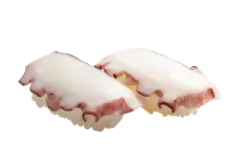
真だこ
真蛸(マダコ)握寿司(中国产)マダコのにぎり(中国産)
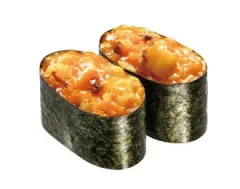
たこうに
用海胆拌日本产章鱼的「章鱼海胆」军舰卷国産のたこをうにで和えた「たこうに」の軍艦
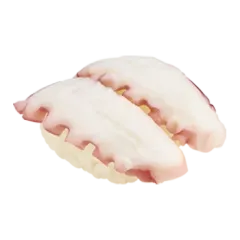
たこ
水煮章鱼握寿司(中国产等)ゆでだこのにぎり(中国産など)
展示各店菜单中的叫法与示例。菜品、做法和供应情况可能调整,以门店当日菜单为准。店铺菜品图片来源见完整词典的图片出处。各チェーン店でのメニュー表記例です。季節や店舗により変更となる場合があります。画像出典は菜单词典をご覧ください。