01它是什么,来自哪里?どんな部位?どこから来る?
用日语读一读 · 日本語で読む
ウナギ科の魚で、海で生まれ川で育つ。主に開いて串を打ち、たれを付けて焼く蒲焼きにして食べる
An eel that is born at sea and grows up in rivers; eaten mainly as kabayaki, split, skewered and grilled with a sweet soy glaze
中国語・英語の解説を見る
鳗鲡科鱼类,生于海里、长于河中;主要剖开穿签、刷酱汁烤成“蒲焼”来吃
An eel that is born at sea and grows up in rivers; eaten mainly as kabayaki, split, skewered and grilled with a sweet soy glaze
02名字背后,还有这些故事。名前の由来とストーリー。
日本鳗鲡生于马里亚纳群岛以西的海域,幼鱼“シラスウナギ”(玻璃鳗)在冬春之交来到河口溯河而上,经过5—15年长大后再入海产卵。日本国内吃的鳗鱼99%以上是养殖的,把河口捕到的约0.2克的玻璃鳗养半年到一年,长到200—300克;因资源减少,2013年被日本环境省、2014年被IUCN列为濒危物种。古名“むなぎ”,见于《万叶集》大伴家持的和歌;“蒲焼”之名据说是因为早先不剖开、整条穿签烤,样子像香蒲的穗。
现在的蒲烧,关东背开,先白烤再蒸,然后刷酱烤;关西腹开,不蒸直接烤。
マリアナ諸島西方の海で生まれ、稚魚のシラスウナギとして冬から春に河口へ来て川を上り、5〜15年かけて育ったのち産卵のため海へ下る。国内で食べるウナギの99%以上は養殖で、河口で採ったシラスウナギ(約0.2g)を半年〜1年で200〜300gに育てるが、資源の減少から2013年に環境省、2014年にIUCNが絶滅危惧種に指定した。
古名は「むなぎ」で『万葉集』の大伴家持の歌に見え、蒲焼きの名は、裂かずに丸ごと串に刺して焼いた形が蒲(がま)の穂に似ていたことによるとされる。今の蒲焼きは、関東では背開きにして白焼きの後に蒸してからたれ焼きにし、関西では腹開きにして蒸さずに焼く。
再挑战一下日语原文 · 日本語で読む
マリアナ諸島西方の海で生まれ、稚魚のシラスウナギとして冬から春に河口へ来て川を上り、5〜15年かけて育ったのち産卵のため海へ下る。国内で食べるウナギの99%以上は養殖で、河口で採ったシラスウナギ(約0.2g)を半年〜1年で200〜300gに育てるが、資源の減少から2013年に環境省、2014年にIUCNが絶滅危惧種に指定した。古名は「むなぎ」で『万葉集』の大伴家持の歌に見え、蒲焼きの名は、裂かずに丸ごと串に刺して焼いた形が蒲(がま)の穂に似ていたことによるとされる。今の蒲焼きは、関東では背開きにして白焼きの後に蒸してからたれ焼きにし、関西では腹開きにして蒸さずに焼く。
It is born in the sea west of the Mariana Islands, reaches river mouths in winter and spring as a glass eel (shirasu-unagi), grows for 5–15 years in rivers and estuaries and returns to the sea to spawn. Over 99% of the eel eaten in Japan is farmed, glass eels of about 0.2 g caught at river mouths being raised to 200–300 g in six months to a year; declining stocks led Japan’s Environment Ministry (2013) and the IUCN (2014) to list it as endangered. Its old name munagi appears in a Man’yōshū poem by Ōtomo no Yakamochi, and kabayaki is said to be named after the cattail spike (gama no ho), which whole eels skewered unsplit once resembled. Today Kantō splits eel down the back and steams it between plain grilling and glazing; Kansai splits it along the belly and grills without steaming.
中国語・英語の原文を見る
日本鳗鲡生于马里亚纳群岛以西的海域,幼鱼“シラスウナギ”(玻璃鳗)在冬春之交来到河口溯河而上,经过5—15年长大后再入海产卵。日本国内吃的鳗鱼99%以上是养殖的,把河口捕到的约0.2克的玻璃鳗养半年到一年,长到200—300克;因资源减少,2013年被日本环境省、2014年被IUCN列为濒危物种。古名“むなぎ”,见于《万叶集》大伴家持的和歌;“蒲焼”之名据说是因为早先不剖开、整条穿签烤,样子像香蒲的穗。现在的蒲烧,关东背开,先白烤再蒸,然后刷酱烤;关西腹开,不蒸直接烤。
It is born in the sea west of the Mariana Islands, reaches river mouths in winter and spring as a glass eel (shirasu-unagi), grows for 5–15 years in rivers and estuaries and returns to the sea to spawn. Over 99% of the eel eaten in Japan is farmed, glass eels of about 0.2 g caught at river mouths being raised to 200–300 g in six months to a year; declining stocks led Japan’s Environment Ministry (2013) and the IUCN (2014) to list it as endangered. Its old name munagi appears in a Man’yōshū poem by Ōtomo no Yakamochi, and kabayaki is said to be named after the cattail spike (gama no ho), which whole eels skewered unsplit once resembled. Today Kantō splits eel down the back and steams it between plain grilling and glazing; Kansai splits it along the belly and grills without steaming.
03到了店里,它叫什么?お店ではどう呼ばれる?
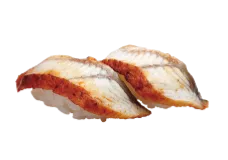
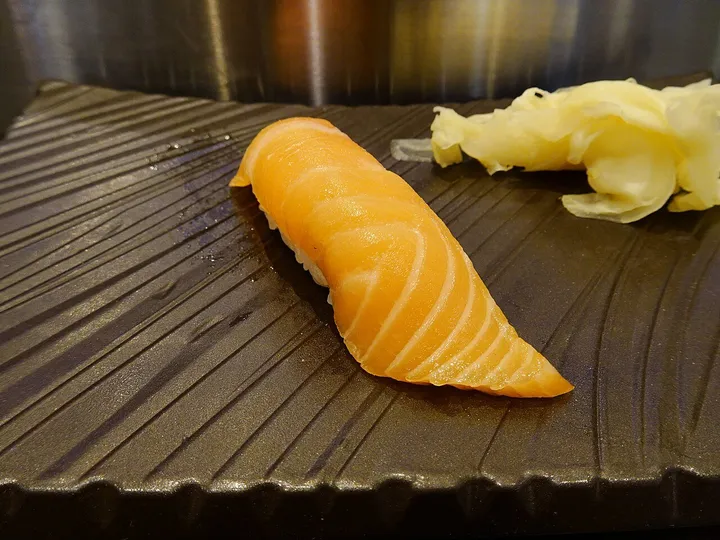
炙りうなぎ
炙烤鳗鱼握寿司(中国产)炙ったうなぎのにぎり(中国産)
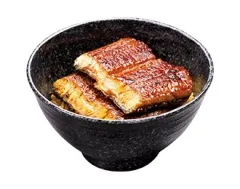
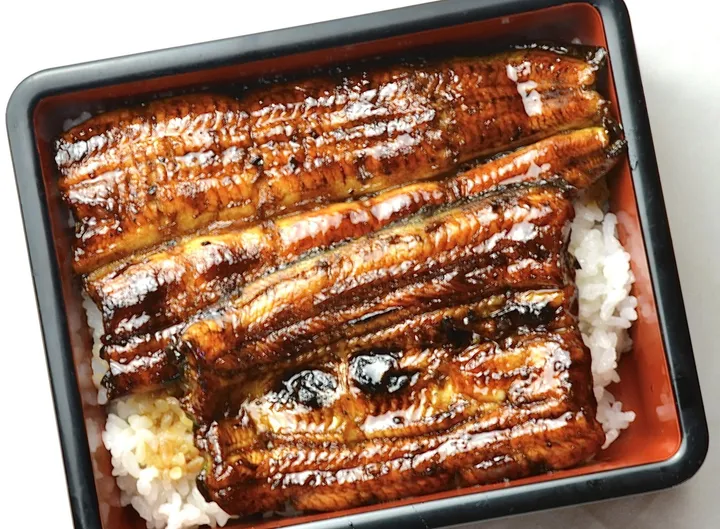
特上うな丼
鳗鱼饭的高档款;鳗鱼产自中国,米饭可选白米或醋饭(シャリ)うな丼の上位品。うなぎは中国産、ご飯は白米かシャリ(酢飯)を選べる
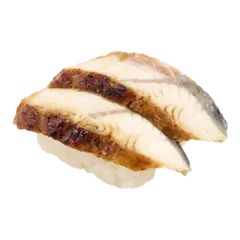
うなぎの蒲焼き
刷酱烤制的蒲烧鳗鱼握寿司(中国产等)たれを付けて焼いた蒲焼きのうなぎのにぎり(中国産など)
展示各店菜单中的叫法与示例。菜品、做法和供应情况可能调整,以门店当日菜单为准。店铺菜品图片来源见完整词典的图片出处。各チェーン店でのメニュー表記例です。季節や店舗により変更となる場合があります。画像出典は菜单词典をご覧ください。