01它是什么,来自哪里?どんな部位?どこから来る?
用日语读一读 · 日本語で読む
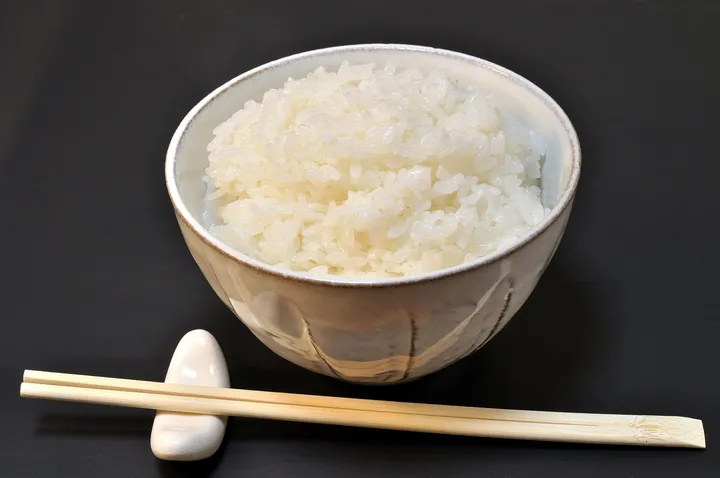
器に盛った白飯。焼肉店では肉とは別に単品で頼む
A bowl of plain white rice, ordered separately from the meat
中国語・英語の解説を見る
盛在碗里的白米饭,在烤肉店要另外单点
A bowl of plain white rice, ordered separately from the meat
02名字背后,还有这些故事。名前の由来とストーリー。
来自英语 rice。日语的「ライス」指米或米饭,尤其指配西餐的米饭,1877年的《米欧回览实记》中已有用例(《日本国语大辞典》)。也有烤肉连锁店在菜单上写「ごはん」:牛角写「ごはん」和「カルビ専用ごはん」(配五花肉专用饭),焼肉きんぐ的「ごはん」分小、中、特大三种份量。
英語の rice から。日本語の「ライス」は米・米飯のことで、特に西洋料理に添える米飯をいい、1877年の『米欧回覧実記』に用例がある(日本国語大辞典)。焼肉チェーンには「ごはん」と書く店もあり、牛角は「ごはん」「カルビ専用ごはん」、焼肉きんぐは「ごはん」を小・中・特盛の3サイズで出している。
再挑战一下日语原文 · 日本語で読む
英語の rice から。日本語の「ライス」は米・米飯のことで、特に西洋料理に添える米飯をいい、1877年の『米欧回覧実記』に用例がある(日本国語大辞典)。焼肉チェーンには「ごはん」と書く店もあり、牛角は「ごはん」「カルビ専用ごはん」、焼肉きんぐは「ごはん」を小・中・特盛の3サイズで出している。
From English “rice”: in Japanese, raisu means rice or cooked rice, especially rice served with Western-style dishes, and is attested as early as 1877 in the Bei-Ō Kairan Jikki (Nihon Kokugo Daijiten). Some yakiniku chains write gohan instead: Gyū-Kaku lists gohan and a karubi-senyō gohan (rice meant for karubi), and Yakiniku King serves gohan in small, medium and extra-large.
中国語・英語の原文を見る
来自英语 rice。日语的「ライス」指米或米饭,尤其指配西餐的米饭,1877年的《米欧回览实记》中已有用例(《日本国语大辞典》)。也有烤肉连锁店在菜单上写「ごはん」:牛角写「ごはん」和「カルビ専用ごはん」(配五花肉专用饭),焼肉きんぐ的「ごはん」分小、中、特大三种份量。
From English “rice”: in Japanese, raisu means rice or cooked rice, especially rice served with Western-style dishes, and is attested as early as 1877 in the Bei-Ō Kairan Jikki (Nihon Kokugo Daijiten). Some yakiniku chains write gohan instead: Gyū-Kaku lists gohan and a karubi-senyō gohan (rice meant for karubi), and Yakiniku King serves gohan in small, medium and extra-large.
03到了店里,它叫什么?お店ではどう呼ばれる?
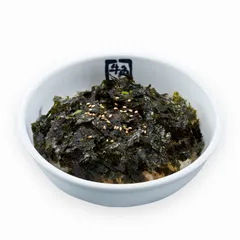
カルビ専用ごはん
专配牛五花的米饭,源自员工餐;有小、中、大カルビに合わせたごはん。まかない(従業員の食事)から生まれた。小・中・大
ライス
米饭,有小份ご飯。小盛もある
ごはん
白米饭,小、中、特大白ごはん。小・中・特盛
展示各店菜单中的叫法与示例。菜品、做法和供应情况可能调整,以门店当日菜单为准。店铺菜品图片来源见完整词典的图片出处。各チェーン店でのメニュー表記例です。季節や店舗により変更となる場合があります。画像出典は菜单词典をご覧ください。