01它是什么,来自哪里?どんな部位?どこから来る?
用日语读一读 · 日本語で読む
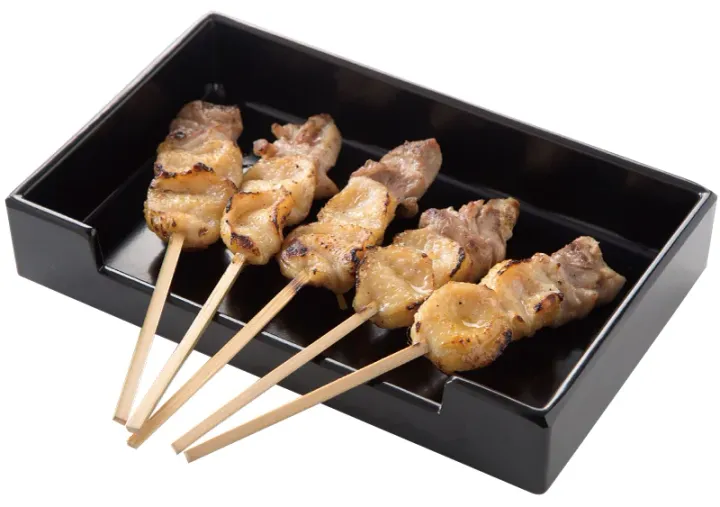
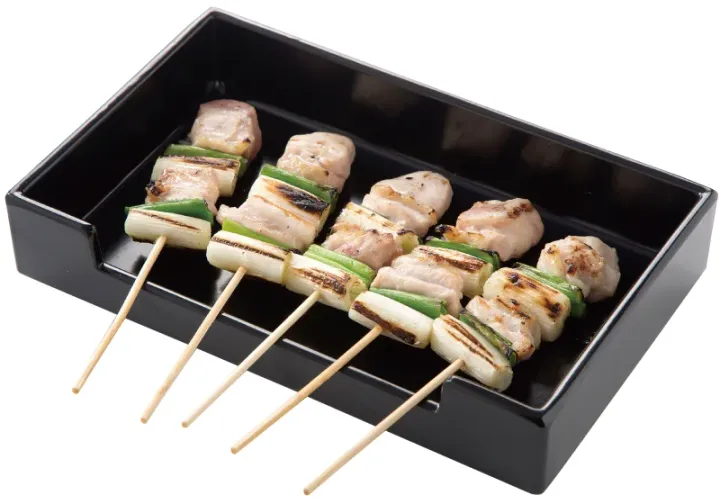
長い物・細長い棒状の物を数える助数詞。焼き鳥は串1本ずつ数える
The counter for long, thin objects; yakitori is counted skewer by skewer
中国語・英語の解説を見る
数长条形物品的量词;烤鸡串按串数计
The counter for long, thin objects; yakitori is counted skewer by skewer
02名字背后,还有这些故事。名前の由来とストーリー。
读音随前面的数字变成“ほん/ぼん/ぽん”:1本いっぽん、2本にほん、3本さんぼん、4本よんほん、5本ごほん、6本ろっぽん、7本ななほん、8本はっぽん、9本きゅうほん、10本じっぽん。《常用汉字表》把“十”在这里的读音定为“ジッ”,同时认可“ジュッ”(じゅっぽん)。每份几串因店而异:鸟贵族的烤鸡串每份2串,京桥伊势广有7串的“7本套餐”和外带“10串装”。
前の数によって「ほん・ぼん・ぽん」と音が変わり、1本いっぽん、2本にほん、3本さんぼん、4本よんほん、5本ごほん、6本ろっぽん、7本ななほん、8本はっぽん、9本きゅうほん、10本じっぽん。常用漢字表は「十」のこの読みを「ジッ」とし、「ジュッ」も認めている(じゅっぽん)。1皿の本数は店によって異なり、鳥貴族の焼鳥は各2本、京橋の伊勢廣は焼鳥7本の「7本コース」や持ち帰りの「10本入り」を設けている。
再挑战一下日语原文 · 日本語で読む
前の数によって「ほん・ぼん・ぽん」と音が変わり、1本いっぽん、2本にほん、3本さんぼん、4本よんほん、5本ごほん、6本ろっぽん、7本ななほん、8本はっぽん、9本きゅうほん、10本じっぽん。常用漢字表は「十」のこの読みを「ジッ」とし、「ジュッ」も認めている(じゅっぽん)。1皿の本数は店によって異なり、鳥貴族の焼鳥は各2本、京橋の伊勢廣は焼鳥7本の「7本コース」や持ち帰りの「10本入り」を設けている。
The sound shifts with the number: ippon, nihon, sanbon, yonhon, gohon, roppon, nanahon, happon, kyūhon, jippon (1–10). The official Jōyō kanji table lists ジッ for 十 here (jippon) and accepts ジュッ as an alternative (juppon). How many come per order varies: every yakitori item at Torikizoku is two skewers, while Ise-hiro in Kyōbashi offers a seven-skewer course and a ten-skewer takeaway box.
中国語・英語の原文を見る
读音随前面的数字变成“ほん/ぼん/ぽん”:1本いっぽん、2本にほん、3本さんぼん、4本よんほん、5本ごほん、6本ろっぽん、7本ななほん、8本はっぽん、9本きゅうほん、10本じっぽん。《常用汉字表》把“十”在这里的读音定为“ジッ”,同时认可“ジュッ”(じゅっぽん)。每份几串因店而异:鸟贵族的烤鸡串每份2串,京桥伊势广有7串的“7本套餐”和外带“10串装”。
The sound shifts with the number: ippon, nihon, sanbon, yonhon, gohon, roppon, nanahon, happon, kyūhon, jippon (1–10). The official Jōyō kanji table lists ジッ for 十 here (jippon) and accepts ジュッ as an alternative (juppon). How many come per order varies: every yakitori item at Torikizoku is two skewers, while Ise-hiro in Kyōbashi offers a seven-skewer course and a ten-skewer takeaway box.