01它是什么,来自哪里?どんな部位?どこから来る?
用日语读一读 · 日本語で読む
醤油と味醂などを合わせて煮詰めた甘辛い調味液。素焼きにした串に付けて焼く
A sweet-savoury sauce of soy sauce, mirin and the like, cooked down and brushed on skewers after a plain first grilling
中国語・英語の解説を見る
酱油和味醂等调合熬制的甜咸调味汁,刷在素烤过的串上再烤
A sweet-savoury sauce of soy sauce, mirin and the like, cooked down and brushed on skewers after a plain first grilling
02名字背后,还有这些故事。名前の由来とストーリー。
“たれ”一词源自味噌滴出的汁(垂汁),汉字写作“垂れ”。烤鸡串酱汁以酱油和味醂各半(1:1)为基础,先素烤,再反复蘸酱烤(付け焼き)。东京京桥的老店伊势广自战后重新开业以来,一直沿用只用酱油和味醂的酱汁,用掉多少就一点点补多少,称为“仕継ぎ”。寿司上用的熬浓酱汁叫“つめ”(煮詰め),也属同一类调味汁。
「たれ」は、もとは味噌の垂れ汁(たれじる)から始まった語で、漢字では「垂れ」と書く。焼き鳥のたれは醤油と味醂を同割(1対1)にしたものが基本で、白焼きにした後、たれを繰り返し付けながら焼く(付け焼き)。京橋の伊勢廣は戦後の再開以来、醤油と味醂だけのタレを、減った分だけ少しずつ補う「仕継ぎ」で受け継いでいる。寿司で使う煮詰めたたれを「つめ」と呼ぶのも同じ系統の調味液である。
再挑战一下日语原文 · 日本語で読む
「たれ」は、もとは味噌の垂れ汁(たれじる)から始まった語で、漢字では「垂れ」と書く。焼き鳥のたれは醤油と味醂を同割(1対1)にしたものが基本で、白焼きにした後、たれを繰り返し付けながら焼く(付け焼き)。京橋の伊勢廣は戦後の再開以来、醤油と味醂だけのタレを、減った分だけ少しずつ補う「仕継ぎ」で受け継いでいる。寿司で使う煮詰めたたれを「つめ」と呼ぶのも同じ系統の調味液である。
The word began with the juice that drips from miso (tarejiru) and is written 垂れ, “dripping”. Yakitori tare is basically equal parts soy sauce and mirin; skewers are first grilled plain, then basted and grilled repeatedly (tsuke-yaki). Ise-hiro in Kyōbashi has kept its soy-and-mirin-only tare going since reopening after the war, topping it up only by what is used (shitsugi). The reduced sauce brushed on sushi, tsume, belongs to the same family of seasoning.
中国語・英語の原文を見る
“たれ”一词源自味噌滴出的汁(垂汁),汉字写作“垂れ”。烤鸡串酱汁以酱油和味醂各半(1:1)为基础,先素烤,再反复蘸酱烤(付け焼き)。东京京桥的老店伊势广自战后重新开业以来,一直沿用只用酱油和味醂的酱汁,用掉多少就一点点补多少,称为“仕継ぎ”。寿司上用的熬浓酱汁叫“つめ”(煮詰め),也属同一类调味汁。
The word began with the juice that drips from miso (tarejiru) and is written 垂れ, “dripping”. Yakitori tare is basically equal parts soy sauce and mirin; skewers are first grilled plain, then basted and grilled repeatedly (tsuke-yaki). Ise-hiro in Kyōbashi has kept its soy-and-mirin-only tare going since reopening after the war, topping it up only by what is used (shitsugi). The reduced sauce brushed on sushi, tsume, belongs to the same family of seasoning.
03到了店里,它叫什么?お店ではどう呼ばれる?
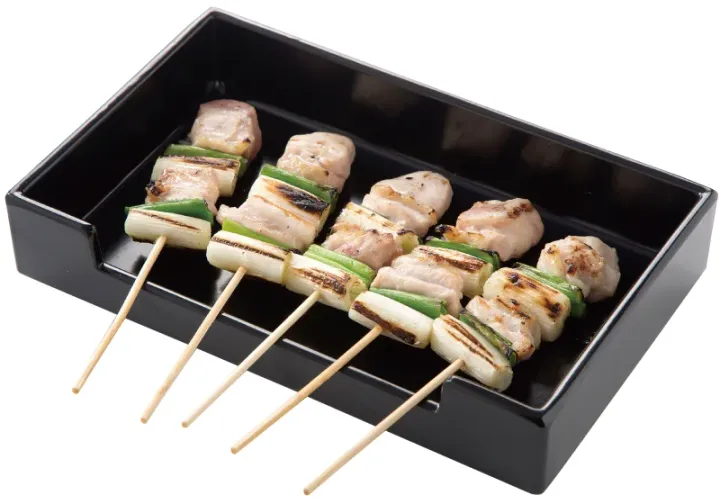
ねぎま
嫩鸡腿肉与大葱交替串成,刷酱汁烤若どりのもも肉とねぎを交互に刺したタレ焼き
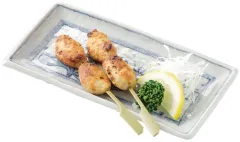
つくね
以嫩鸡肉为主、掺入几种肉做的鸡肉丸,刷酱汁烤若どりをベースに数種類の肉を合わせたつくねのタレ焼き
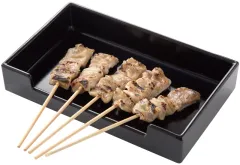
しろ
「しろ」(白)即猪肠,刷酱汁烤「しろ」は豚の腸(ホルモン)。タレ焼き
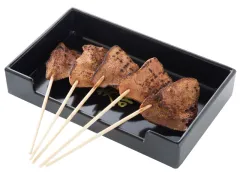
あか
「あか」(红)即猪肝,刷酱汁烤「あか」は豚のレバー(肝臓)。タレ焼き
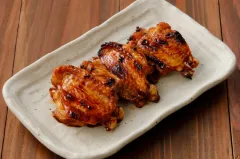
手羽先たれ
刷酱汁烤的鸡翅手羽先をたれで焼いたもの
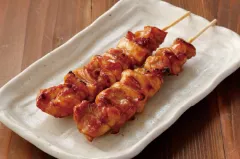
みたれ(もも肉)
只串鸡腿肉的酱汁烤串もも肉だけを刺したたれ焼き
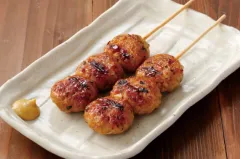
つくねたれ
刷酱汁烤的鸡肉丸つくねのたれ焼き
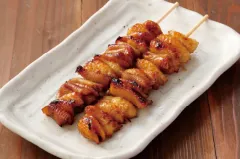
かわたれ
预先去掉多余脂肪的鸡皮,刷酱汁烤余分な脂を下処理で除いた鶏皮のたれ焼き
展示各店菜单中的叫法与示例。菜品、做法和供应情况可能调整,以门店当日菜单为准。店铺菜品图片来源见完整词典的图片出处。各チェーン店でのメニュー表記例です。季節や店舗により変更となる場合があります。画像出典は菜单词典をご覧ください。